

Loaders
Loaders carry, load, and grade material with a front-mounted bucket or attachment. The catalog runs from wheel loaders and backhoe loaders through skid steers, compact track loaders, and mini skid steers, plus the attachments that multiply what they do.
Fonctionnement
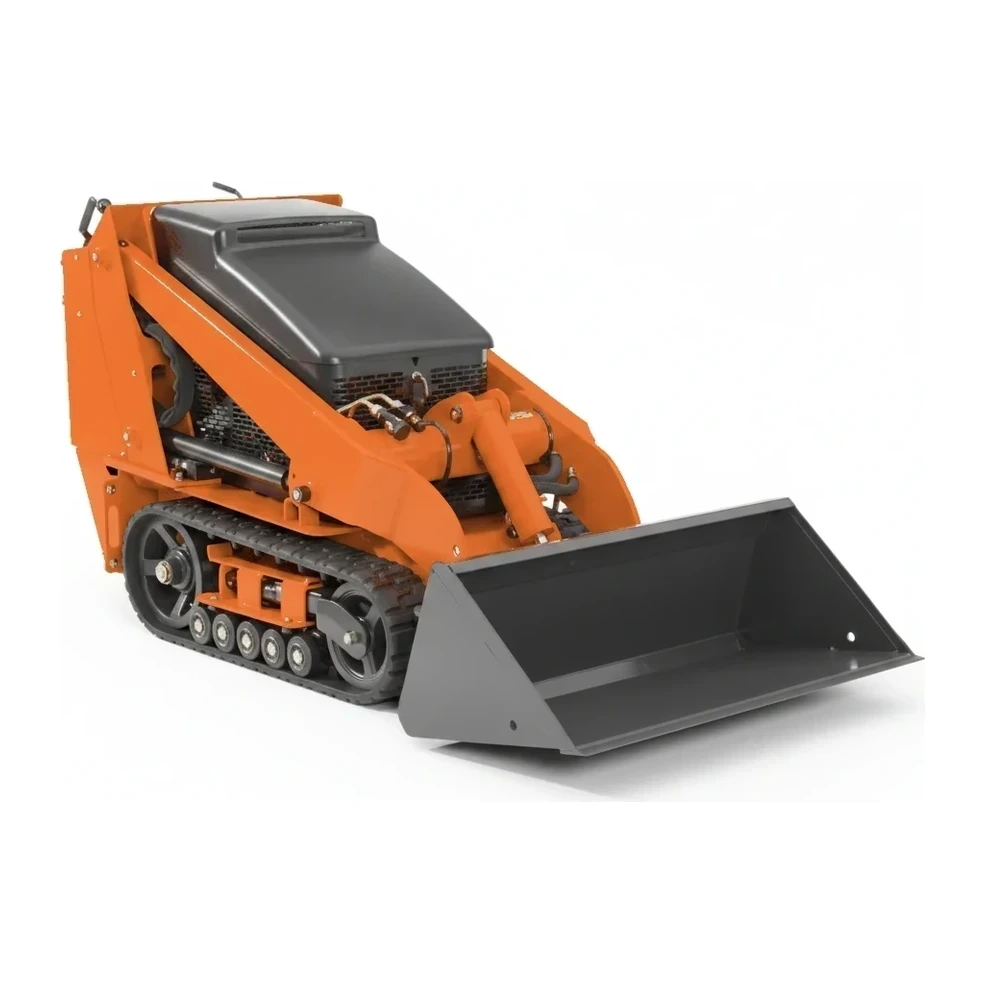
The loader arm curls a bucket into the pile, lifts, carries, and dumps — measured by rated operating capacity and hinge-pin height. Skid-steer-type machines steer by differential drive, turning within their own length, and their universal quick-attach plates run buckets, forks, breakers, augers, and brooms from the same hydraulic system.
Types et variantes
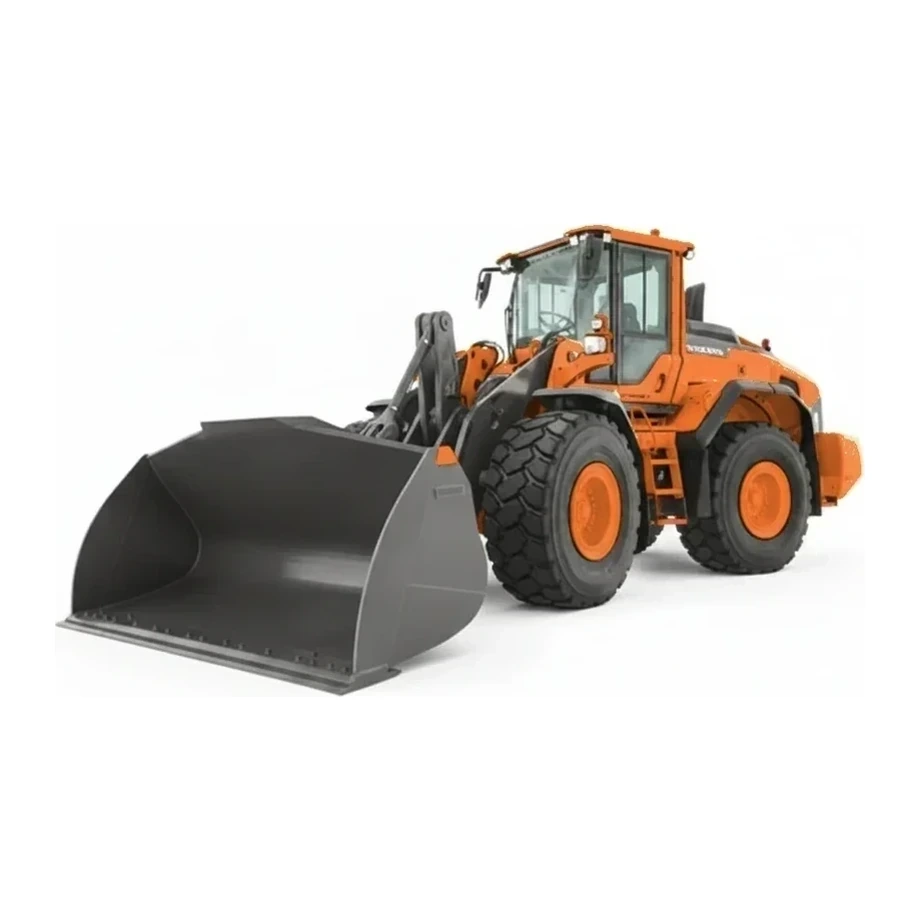
- Wheel Loader
- Articulated rubber-tired loader that carries and loads material with a front bucket.
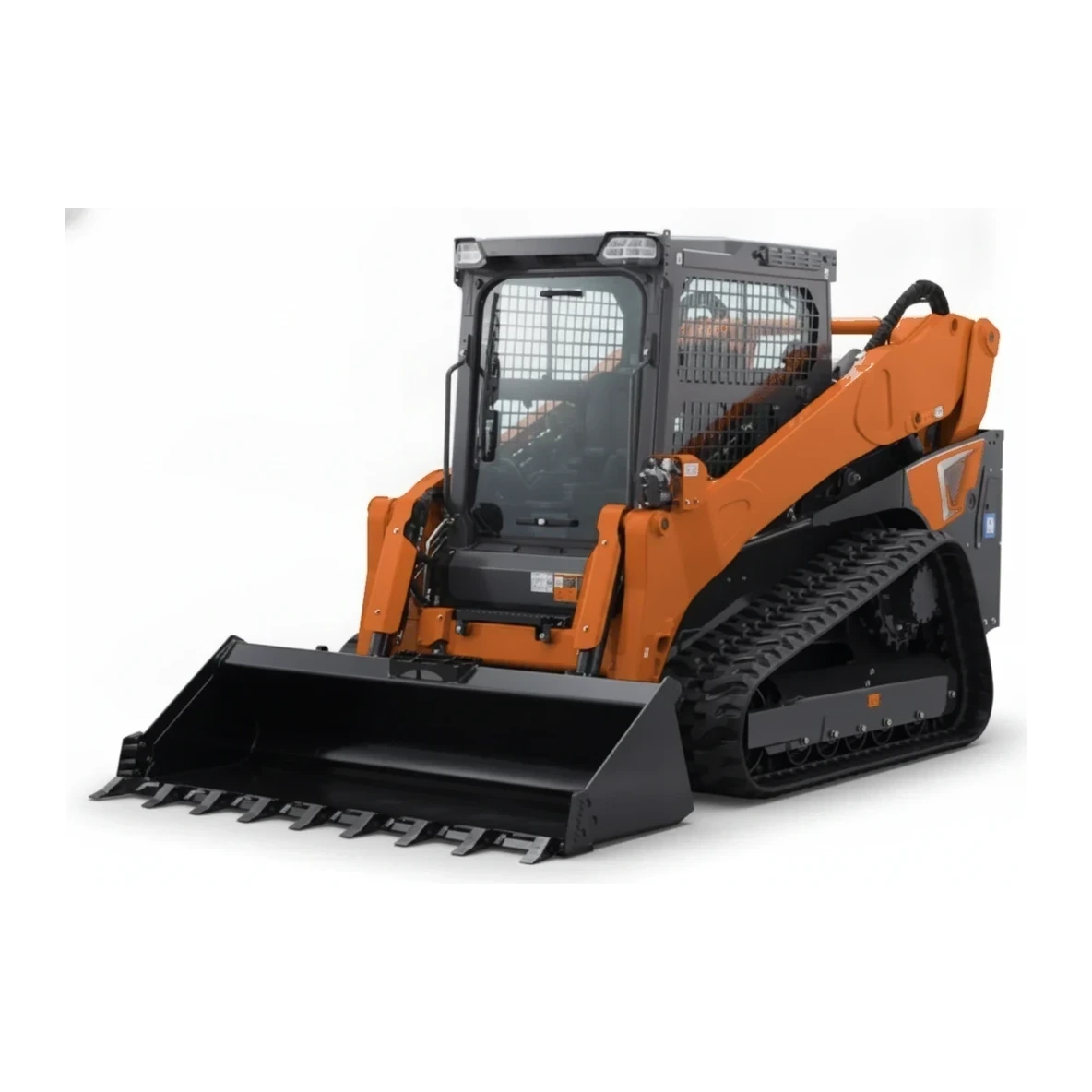
- Compact Track Loader
- Skid-steer-style loader on rubber tracks for low ground pressure and traction.
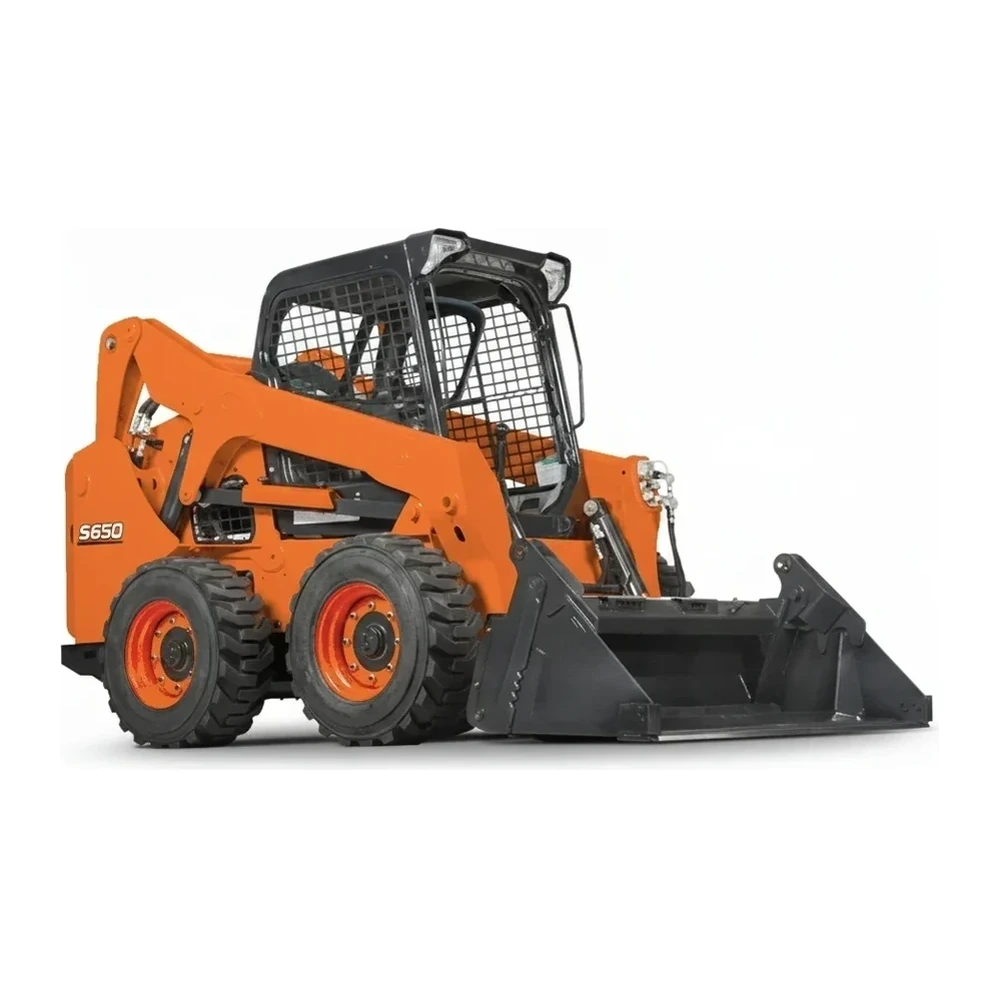
- Skid Steer Loader
- Compact wheeled loader that turns within its own footprint and runs many attachments.
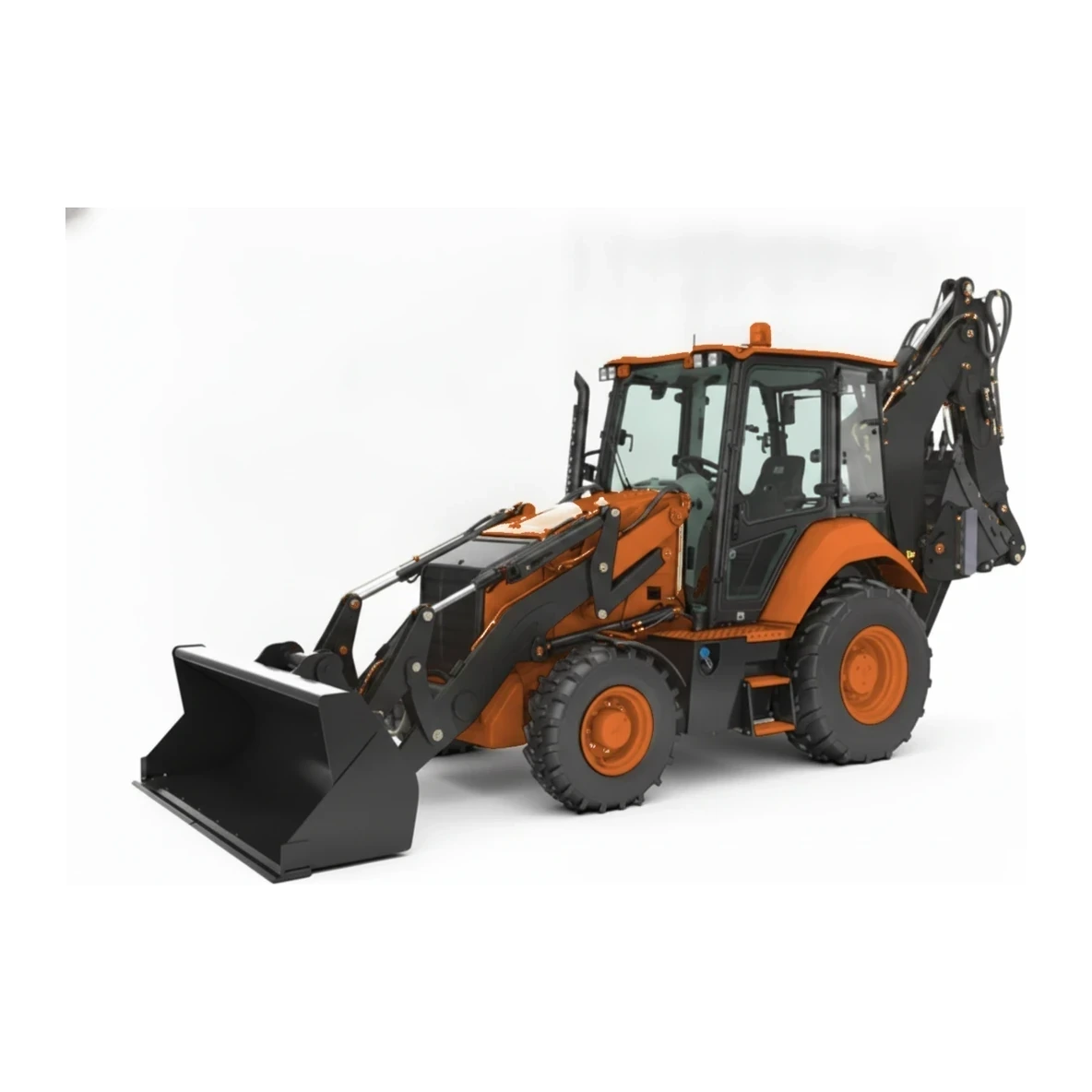
- Backhoe Loader
- Tractor-style machine that combines a front loader bucket and a rear excavator arm.
- Skid Steer Attachment
- Buckets, forks, breakers, and other work tools that mount to skid steer loaders.
- Mini Skid Steer
- Walk-behind or stand-on compact loader for landscaping and tight-access work.
Comment choisir
Volume work favors wheel loaders: bigger buckets, faster cycles, higher dump heights for loading trucks. Confined, varied work favors skid steers and track loaders — tracks win on mud, sand, and finished turf; wheels win on hard surfaces and cost. A backhoe loader covers dig-and-load utility jobs with one machine, and attachment selection often matters as much as the carrier.
Normes et certifications
- OSHA · 29 CFR 1926.602
- Material-handling equipment rules covering loaders, graders, dozers, and similar machines.
- OSHA · 29 CFR 1926 Subpart W
- Rollover protective structure requirements for earthmoving and compaction equipment.
- ISO · ISO 20474
- International safety requirements for earth-moving machinery.