

Up to 25 hp Vibratory Plow
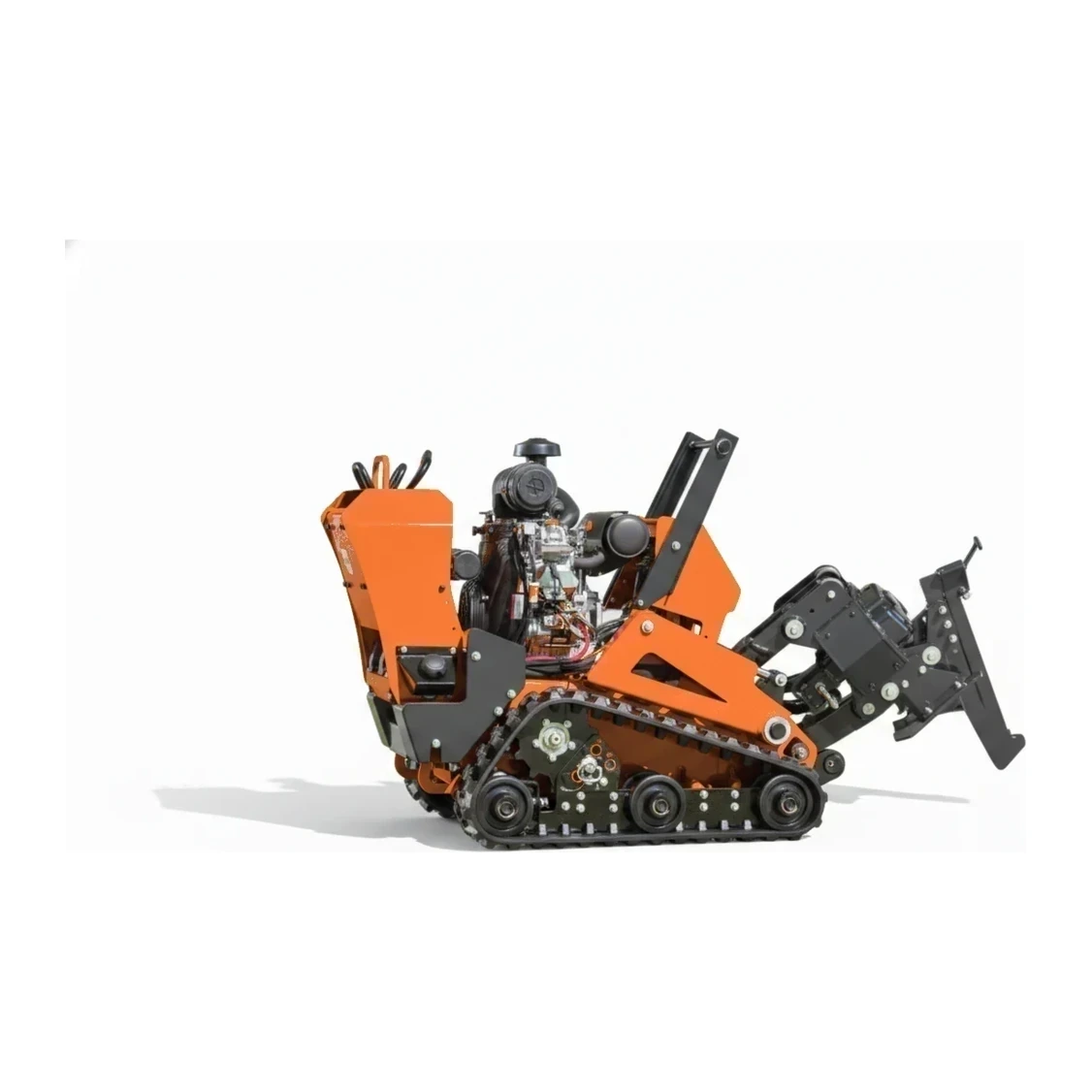
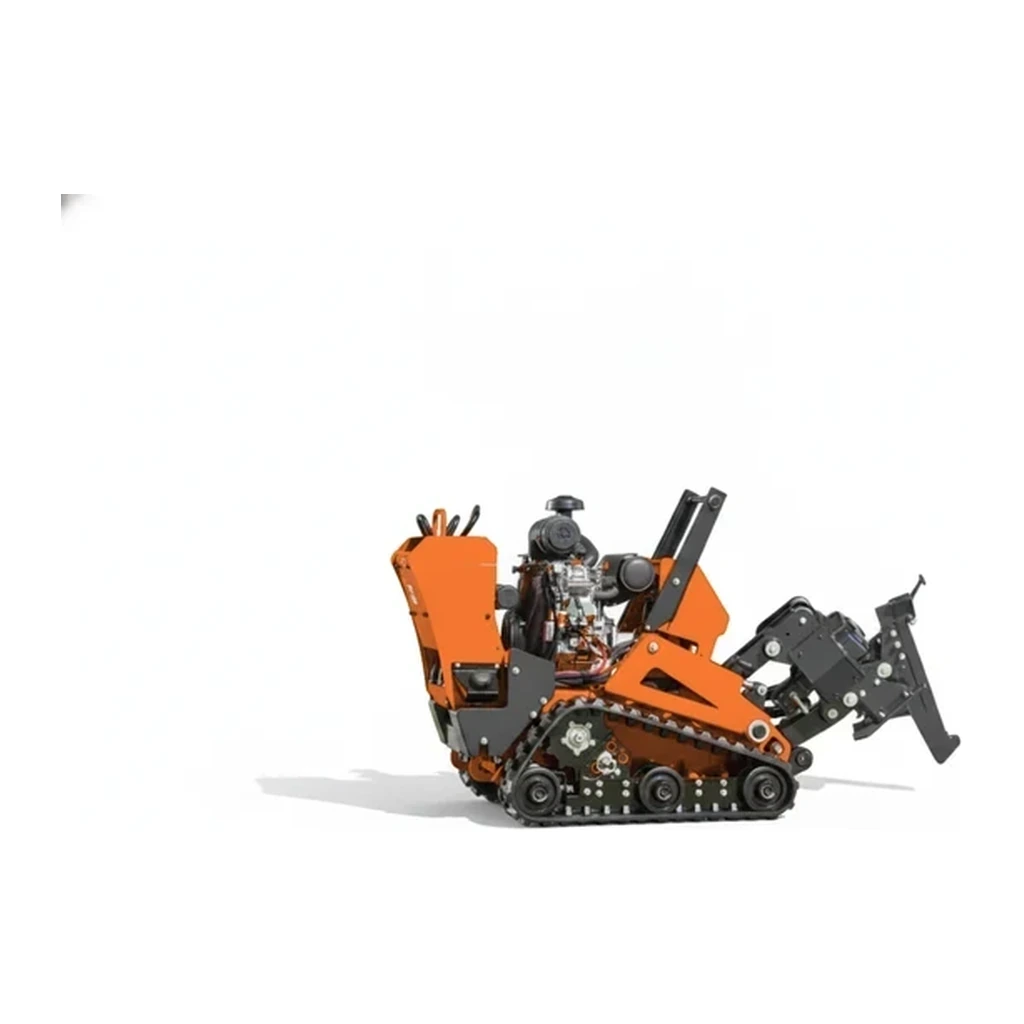
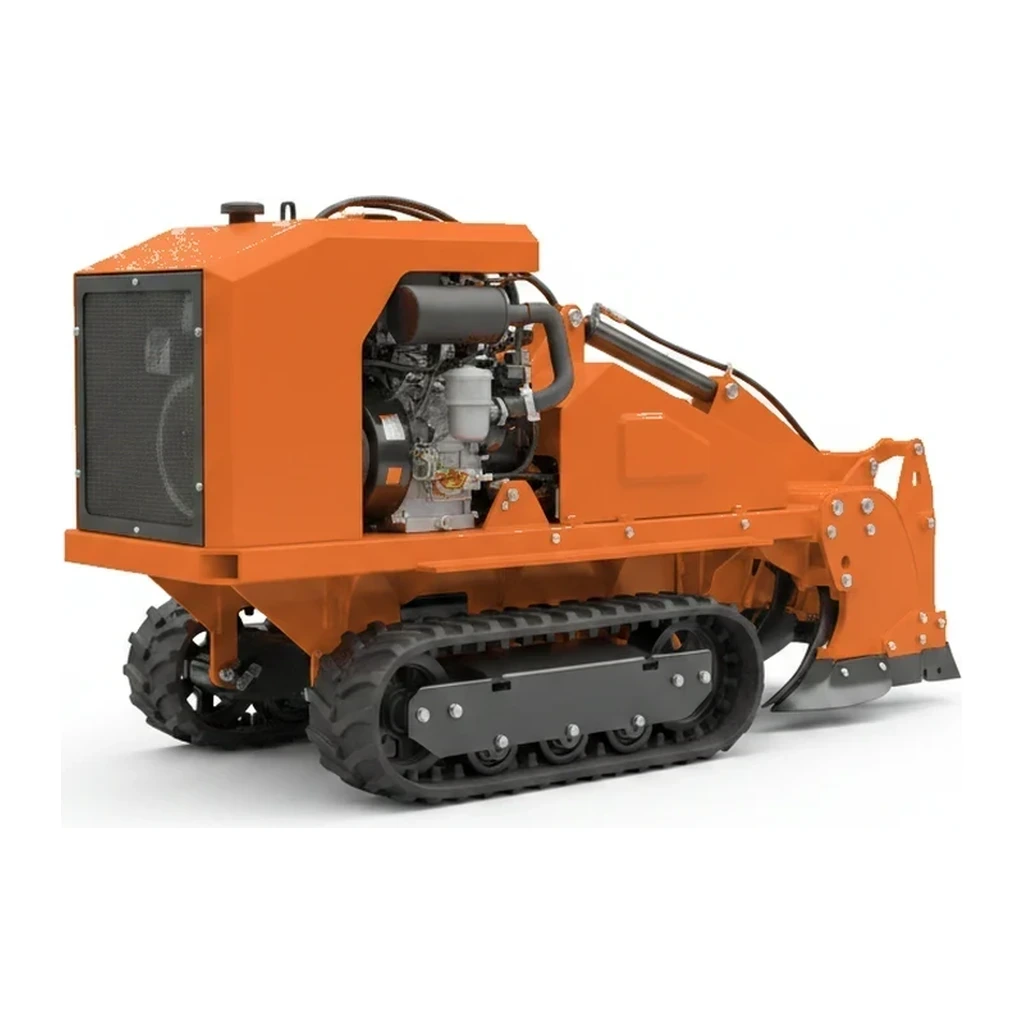
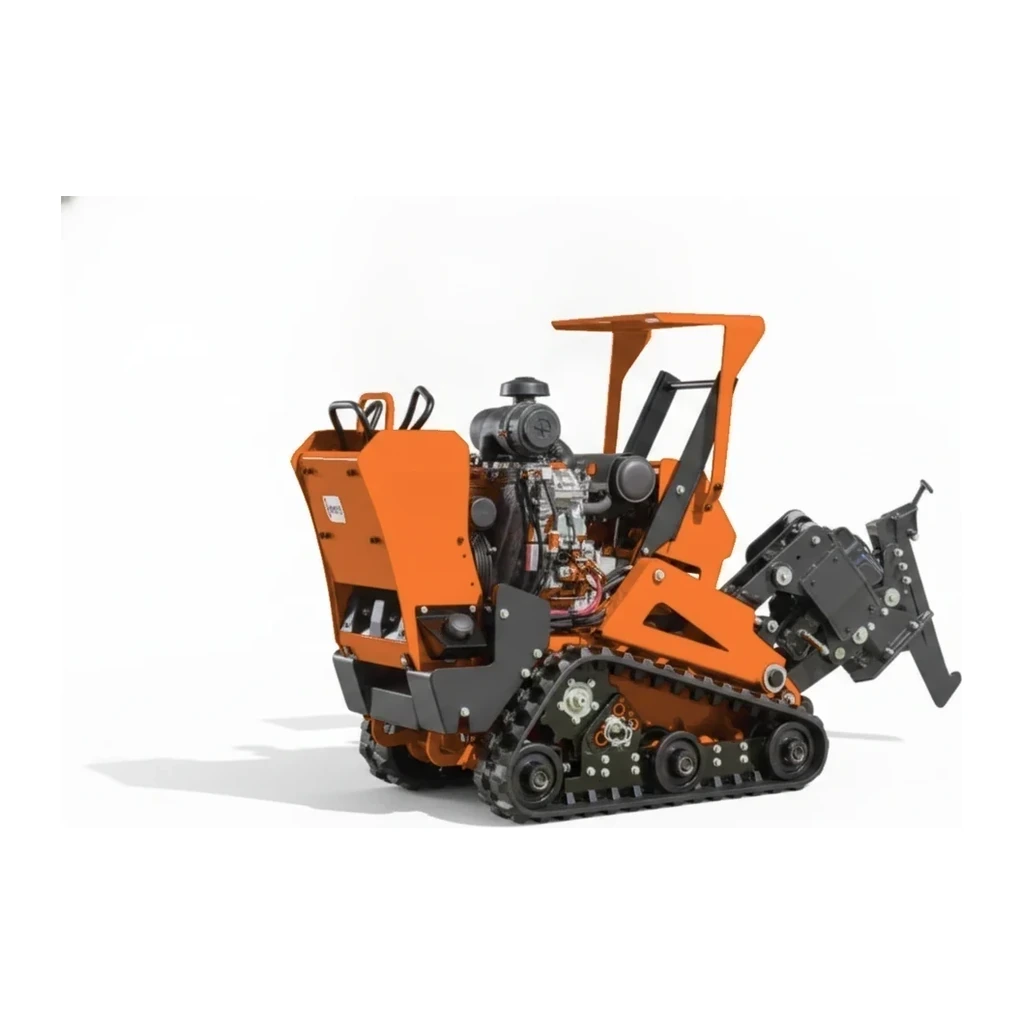
Up to 25 hp vibratory plows are walk-behind and small ride-on machines designed for installing irrigation lines, dog fencing, and low-voltage cable in established turf with minimal surface disruption. Operating weights range from 326 to 4,853 kg, with engine power between 8.2 and 18.5 hp. This is the smallest rung on the vibratory plow ladder, suited to finished landscapes where surface restoration and compact machine size are priorities.
Cat classes
Choisissez une classe de taille : la capacité et la portée varient selon la gamme.
Spécifications clés
| Spécification | Plage typique | Signification |
|---|---|---|
| Engine power | 8–18 hp | Drives the vibratory blade and ground propulsion; lighter engines support walk-behind configurations, heavier units power small ride-on frames. |
| Operating weight | 728–10,692 lb (330–4,850 kg) | Lighter walk-behind models minimize turf compaction; heavier ride-on units add stability for longer runs and slightly deeper placement. |
| Ground drive speed | 4.8–7.6 km/h | Controlled forward travel synchronizes blade vibration with cable or pipe feed, ensuring consistent burial depth. |
| Fuel tank capacity | 6.4–49.0 L | Walk-behind models carry smaller tanks for weight control; ride-on configurations increase capacity to extend run time between refills. |
Comment choisir
Up to 25 hp vibratory plows are appropriate for installing small-diameter irrigation, dog fence wire, landscape lighting cable, and low-voltage communication lines in residential lawns, sports fields, and parks where surface damage must be minimized. Walk-behind models suit tight gate access and slopes; small ride-on units handle longer straight runs and moderately uneven terrain. When installing heavier conduit, larger irrigation mains, or working in undeveloped ground with roots and rocks, the 25-60 hp Vibratory Plow band offers greater blade force, deeper placement capacity, and more robust frames. No smaller walk-behind size class exists; hand trenching or cable-pulling remains the alternative for the most confined or delicate sites.
Ce que cette taille peut gérer
- Installing drip irrigation laterals in a residential lawn without excavating sod
- Placing perimeter dog fence wire 75–150 mm below turf on a suburban property
- Running low-voltage landscape lighting cable through an established park
- Installing communication or sensor cable across a golf course fairway
- Laying small-diameter PVC conduit for electric vehicle charging circuits in finished landscapes
- Placing poly pipe for yard drainage in areas inaccessible to excavators
Sécurité et opération
- Operators maintain stable footing on walk-behind models and secure seating on ride-on units; uneven terrain and wet turf increase slip and tip-over risk.
- Vibratory blades remain underground during operation, but utility location and mark-out are mandatory to avoid striking buried electric, gas, or water lines.
- Ground drive controls and blade engagement levers require deliberate actuation; deadman switches on walk-behind models stop travel if the operator releases the handles.
- Hearing protection is advised during extended operation; blade vibration and engine noise can exceed 85 dBA at the operator position.
Transport et logistique
- Walk-behind models (under 500 kg) load into pickup beds or tilt trailers using ramps; some operators use tailgate-mounted lifts.
- Heavier ride-on units (up to 4,850 kg) require single-axle or tandem utility trailers rated for 2,700–5,500 kg gross weight, towed by half-ton or larger trucks.
- Compact dimensions allow passage through residential gates and between fence lines; transport width typically matches walk-behind or narrow ride-on chassis.
Alimentation
- Gasoline engines dominate this size class; fuel tank capacities of 6.4–49 L support half-day to full-day operation depending on configuration and run length.
- On-site refueling from portable fuel cans is standard; no external electrical hookup or hydraulic power unit is required.
- Some models offer electric-start batteries; manual recoil start remains common on walk-behind configurations.
Questions fréquentes
What distinguishes a walk-behind from a ride-on model in this size class?
How deep can an up to 25 hp vibratory plow place cable or pipe?
What soil conditions suit this size class?
Comparer les modèles populaires
Chercher par spécification →Normalisé aux mêmes unités. Un tiret signifie que la valeur n'a pas été publiée.
| Modèle | Poids en service | Profondeur d’excavation max | Portée max | Puissance moteur |
|---|---|---|---|---|
| Ditch Witch JT5 Directional Drill | 3,691 lb (1,674 kg) | - | - | 25 hp |
| Ditch Witch 100SX Vibratory Plow | 721 lb (327 kg) | - | - | 11 hp |
| Ditch Witch FM25 | 10,699 lb (4,853 kg) | - | - | 25 hp |
| Ditch Witch SK350 | 1,660 lb (753 kg) | - | - | 20 hp |
| Ditch Witch SK800 | 2,919 lb (1,324 kg) | - | - | 25 hp |
| Ditch Witch 100SX | 719 lb (326 kg) | - | - | 13 hp |
Équipements connexes
Parcourir par fabricant
Sources
Chaque spécification est vérifiée par rapport aux données publiées par le fabricant, avec la source liée pour référence.
Up to 25 hp Vibratory Plow
11 modèles · Chaque spécification citée à la source