Edge Sander
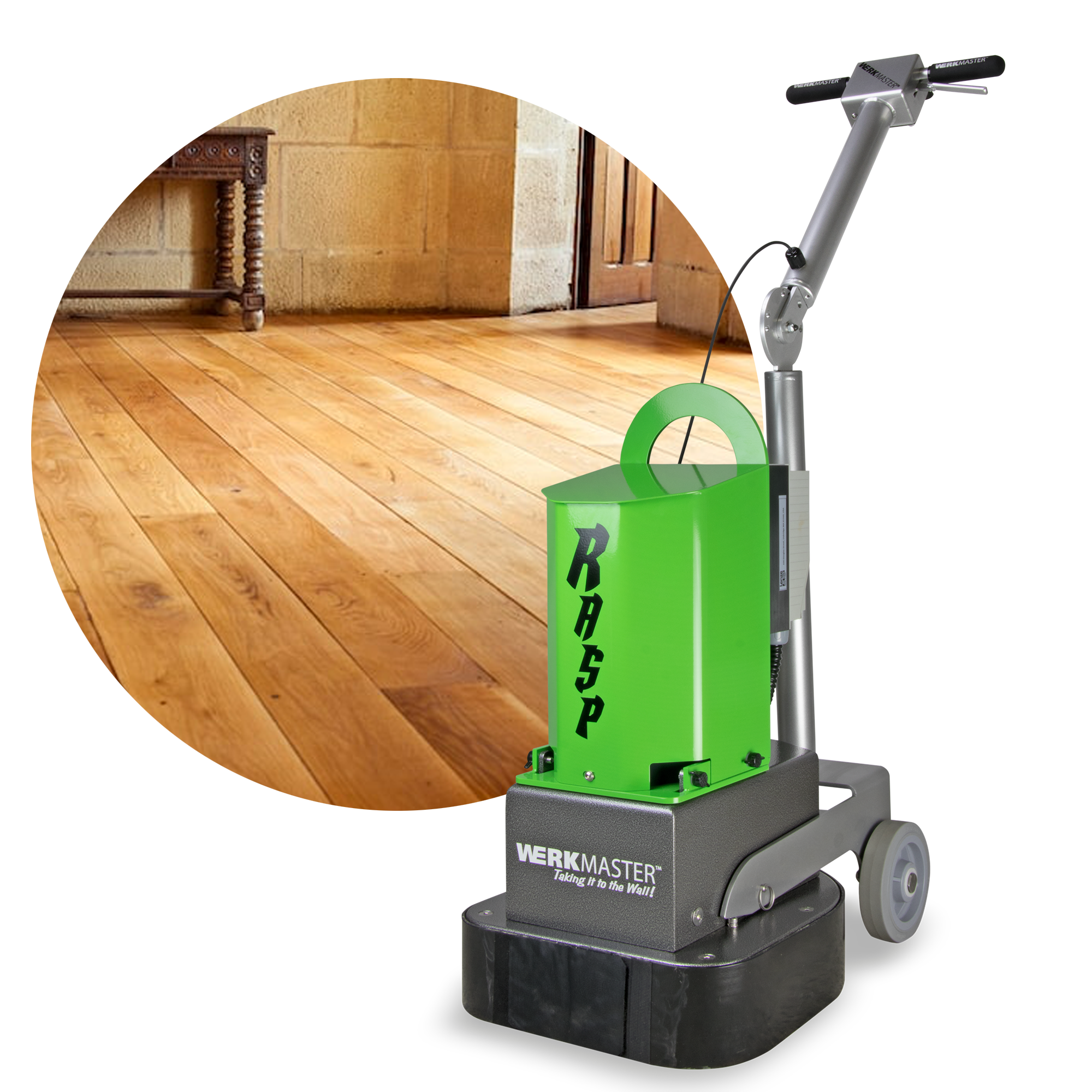
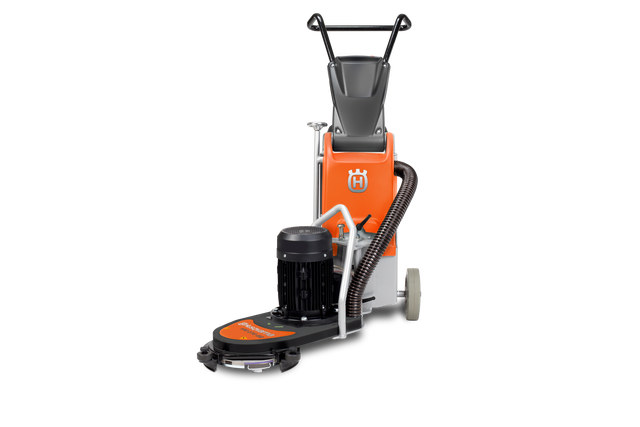
An edge sander is a low-profile disc sander built to finish the strip of floor a drum sander cannot reach: along walls, under toe-kicks, in closets and on stairs. It runs a spinning abrasive disc close to vertical surfaces at floor level. The catalog lists 7 models from brands including American Sanders, Jet, Werkmaster and HTC.
Fonctionnement
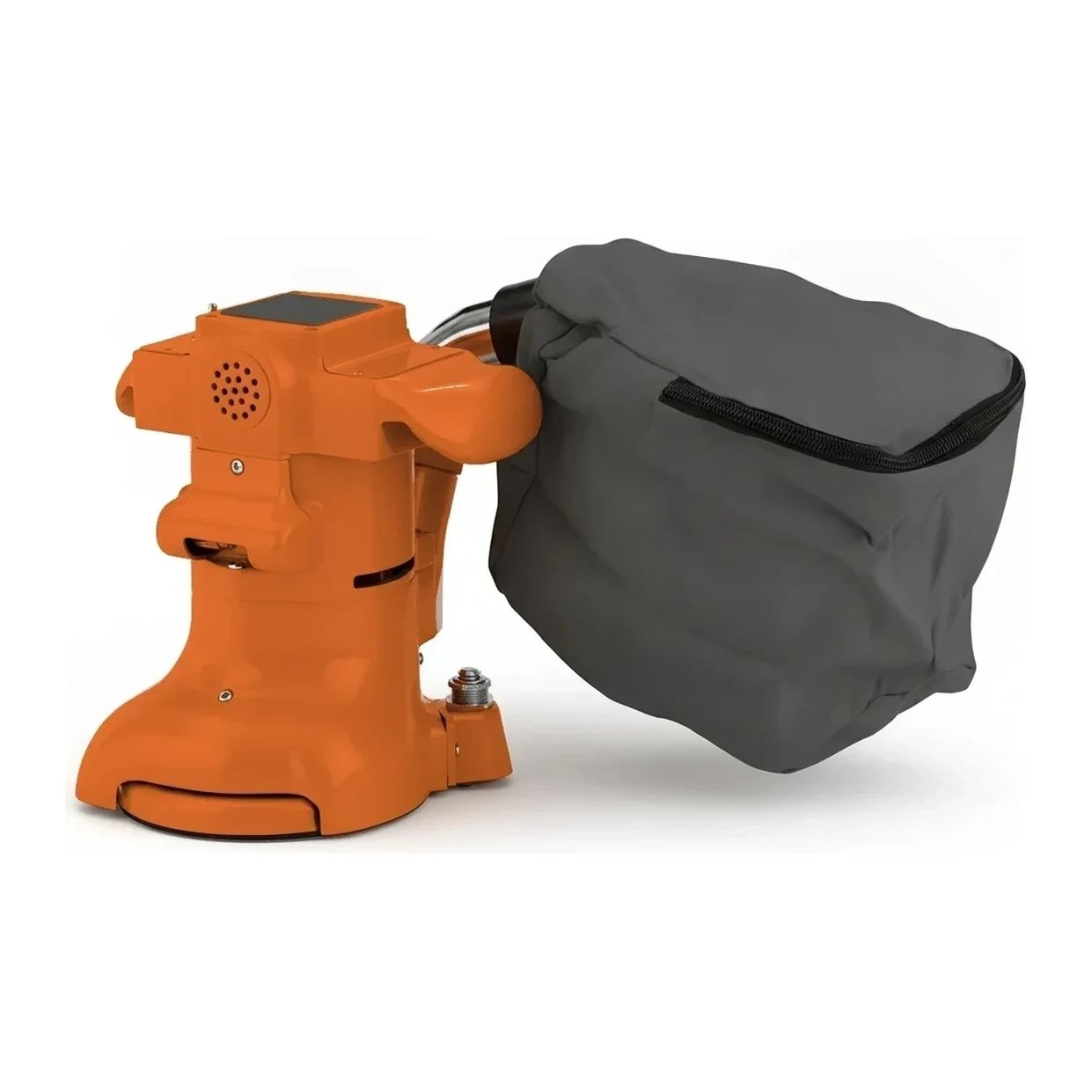
The motor drives an angled abrasive disc housed under a low guard, with handles set so the operator works stooped or kneeling at the perimeter. The disc's slight tilt presents a working edge to the floor; the operator sweeps in overlapping arcs, matching the grit sequence used on the field of the floor so the border blends invisibly. Dust collection runs through a bag or vacuum port, and disc changes step through the same coarse-to-fine progression as the drum passes.
Types et variantes
- Floor edge sanders
- The standard low-profile disc machines for perimeter sanding.
- Stair and detail edgers
- Compact formats sized for treads, landings and tight closets.
- Radial arm and specialty edgers
- Extended-reach variants for under radiators and cabinetry overhangs.
Spécifications clés
| Spécification | Plage typique | Signification |
|---|---|---|
| Disc diameter | Documented per model listing | Sets the working footprint and how tight to corners the machine cuts. |
| Motor power | Documented per model listing | Maintains disc speed under pressure on hard species and old finishes. |
| Under-clearance height | Documented per model listing | Determines what toe-kicks and radiators the head fits beneath. |
| Dust collection | Documented per model listing | Bag or vacuum port for containing fine sanding dust at the wall line. |
Comment l'industrie le dimensionne
Edge sanders are sized by disc diameter and under-clearance: the standard machines handle open perimeter runs, while smaller detail formats work stairs and closets. The choice follows the drum sander: the edger must match the field machine's grit sequence and cut rate so the border does not read differently under finish.
Applications
- Sanding floor perimeters after drum sanding the field
- Refinishing stair treads and landings
- Closet and alcove floors too small for a drum sander
- Blending borders under toe-kicks and radiators
- Detail removal of finish and stain at wall lines
Sécurité et opération
- The disc grabs at wall contact: a two-hand grip and controlled arcs prevent kickback swings into baseboards.
- Wood dust is combustible; bags are emptied often and stored outside the building, per NFPA wood dust guidance.
- Older painted floors may carry lead-based coatings; EPA RRP practices apply in pre-regulation housing.
- Kneeling work at disc level calls for eye, hearing and respiratory protection as standard.
Normes et certifications
- EPA · 40 CFR Part 745 (RRP)
- Lead-safe practices when sanding painted surfaces in older housing.
- NFPA · 664
- Combustible wood dust fire prevention.
Questions fréquentes
Why not sand the whole floor with an edger?
How does the border blend with the field?
What marks do edgers leave and how are they avoided?
Équipements connexes
Parcourir par fabricant
Sources
Chaque spécification est vérifiée par rapport aux données publiées par le fabricant, avec la source liée pour référence.
Tous les modèles
7 modèles · Chaque spécification citée à la source