

Dust Control and Extraction
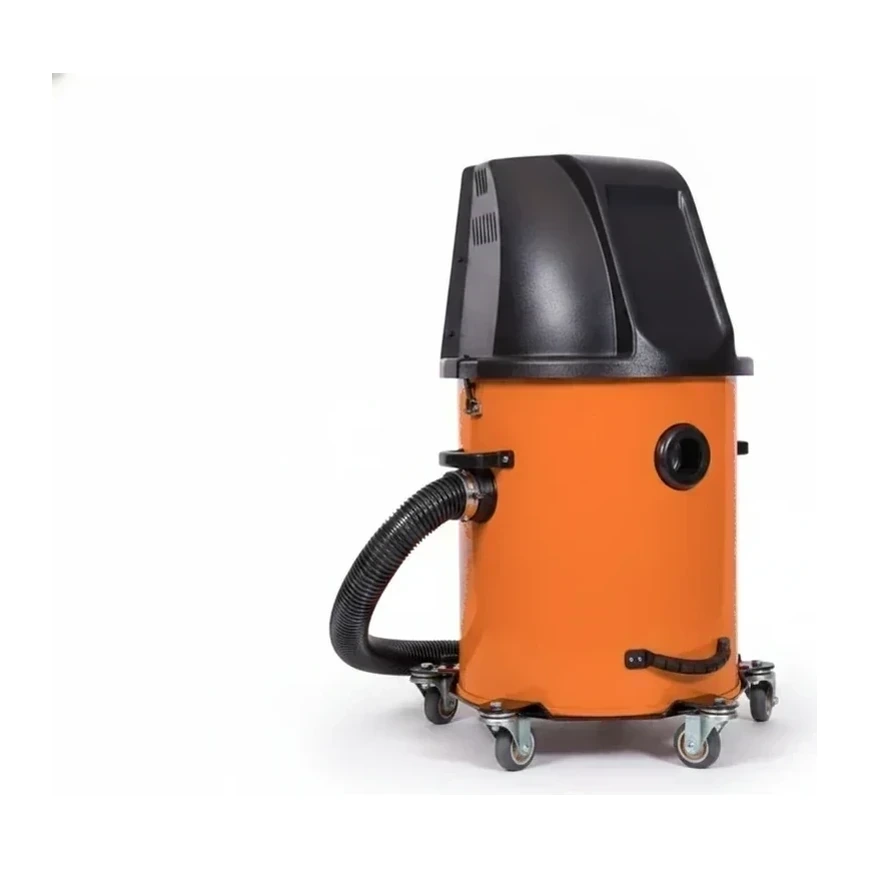
Fonctionnement
Dust control and extraction equipment operates by creating negative pressure to draw airborne particulates through collection hoses connected directly to power tools or positioned near the dust source. The captured material passes through progressively finer filtration stages, with HEPA (High Efficiency Particulate Air) filters removing 99.97% of particles 0.3 microns or larger. Most units feature automatic filter-cleaning mechanisms to maintain suction power and collection drums or bags for safe disposal of captured material. Systems are often paired with grinders, saws, scarifiers, and demolition hammers to provide source capture and maintain compliance with silica dust regulations.
Types et variantes
- Dust Extractor / HEPA Vacuum
- Industrial vacuum systems equipped with HEPA filtration for capturing silica dust, lead paint, asbestos, and other hazardous particulates during grinding, cutting, drilling, and demolition work, meeting OSHA and regulatory requirements
Normes et certifications
- OSHA · 29 CFR 1926.1153
- Respirable Crystalline Silica standard for construction, establishing permissible exposure limits and dust control requirements
- IEC · IEC 60335-2-69
- Safety standards for vacuum cleaners and water-suction cleaning appliances for industrial and commercial use, including dust class ratings (L, M, H)
Questions fréquentes
What is the difference between dust class L, M, and H extractors?
Dust class ratings define the hazard level of materials an extractor can safely handle. Class L (Low) is for non-hazardous dusts with exposure limits above 1 mg/m³. Class M (Medium) handles dusts with exposure limits above 0.1 mg/m³, including wood and mineral dusts. Class H (High) is required for carcinogenic materials and those with exposure limits below 0.1 mg/m³, including silica, asbestos, lead, and mold, requiring HEPA filtration and safe filter disposal mechanisms.
What CFM rating is required for different power tools?
Airflow requirements vary by tool and application. Small grinders typically require 50-100 CFM, mid-size grinders need 100-150 CFM, and large surface grinders or scarifiers demand 150-250+ CFM. The extractor must maintain sufficient airflow even as filters load with dust, which is why many units specify both maximum and continuous CFM ratings along with static pressure (water lift) capabilities.
How does automatic filter cleaning work in dust extractors?
Automatic filter cleaning systems use reverse air pulses, mechanical shakers, or compressed air jets to dislodge accumulated dust from filter surfaces back into the collection container. This occurs either on timed intervals, when sensors detect reduced airflow, or when the operator initiates a cleaning cycle. The process maintains suction efficiency and extends the time between manual filter maintenance or replacement.
What is the significance of HEPA certification for silica dust extraction?
HEPA certification ensures the extractor captures 99.97% of particles at 0.3 microns, which is critical since respirable crystalline silica particles range from 0.5 to 5 microns. OSHA's silica standard requires vacuums used for cleanup to be equipped with HEPA filters, and many Table 1 compliance methods specify HEPA-filtered dust extractors when using tools for cutting, grinding, or drilling silica-containing materials like concrete, masonry, and stone.