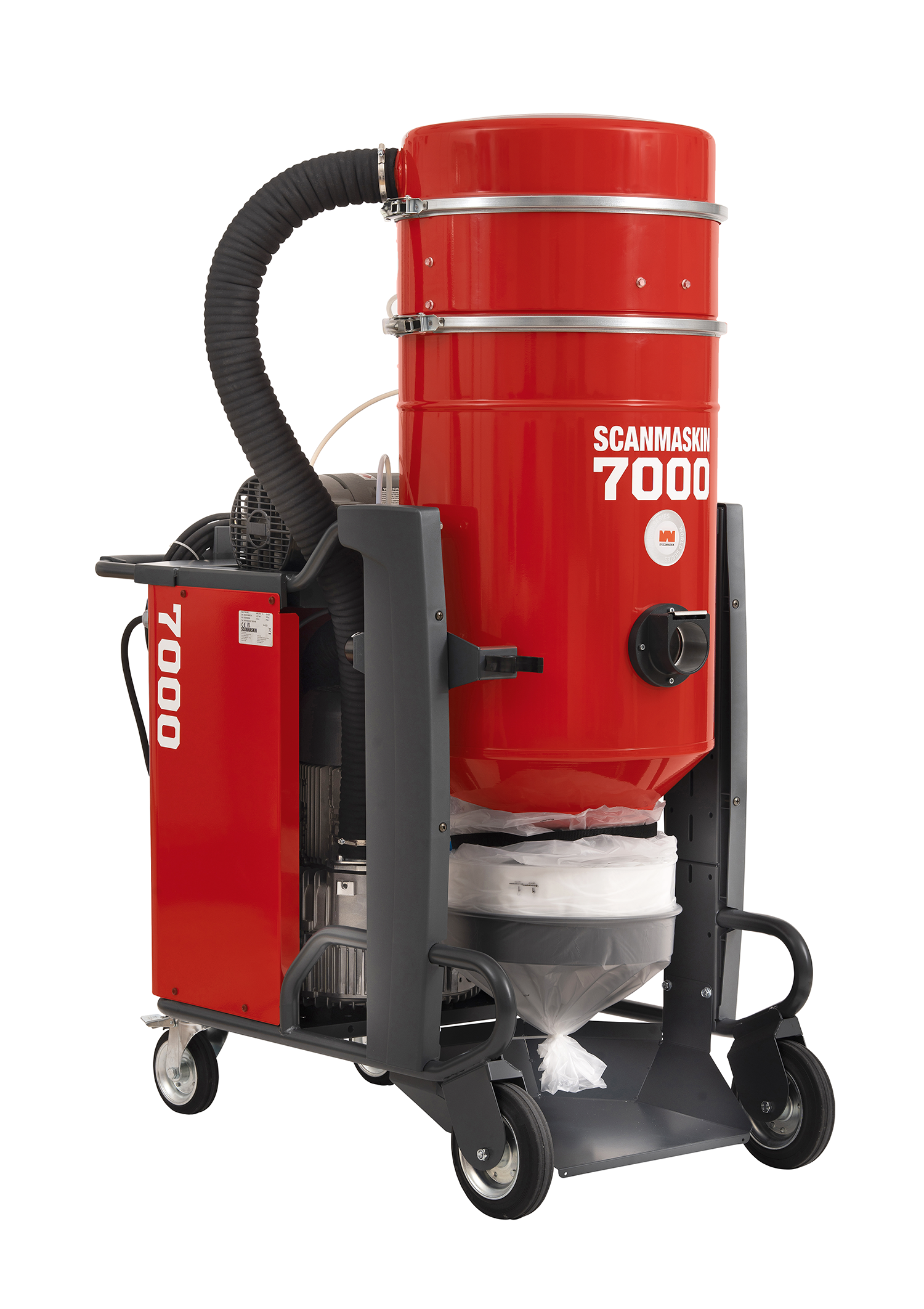

Dust Extractor / HEPA Vacuum
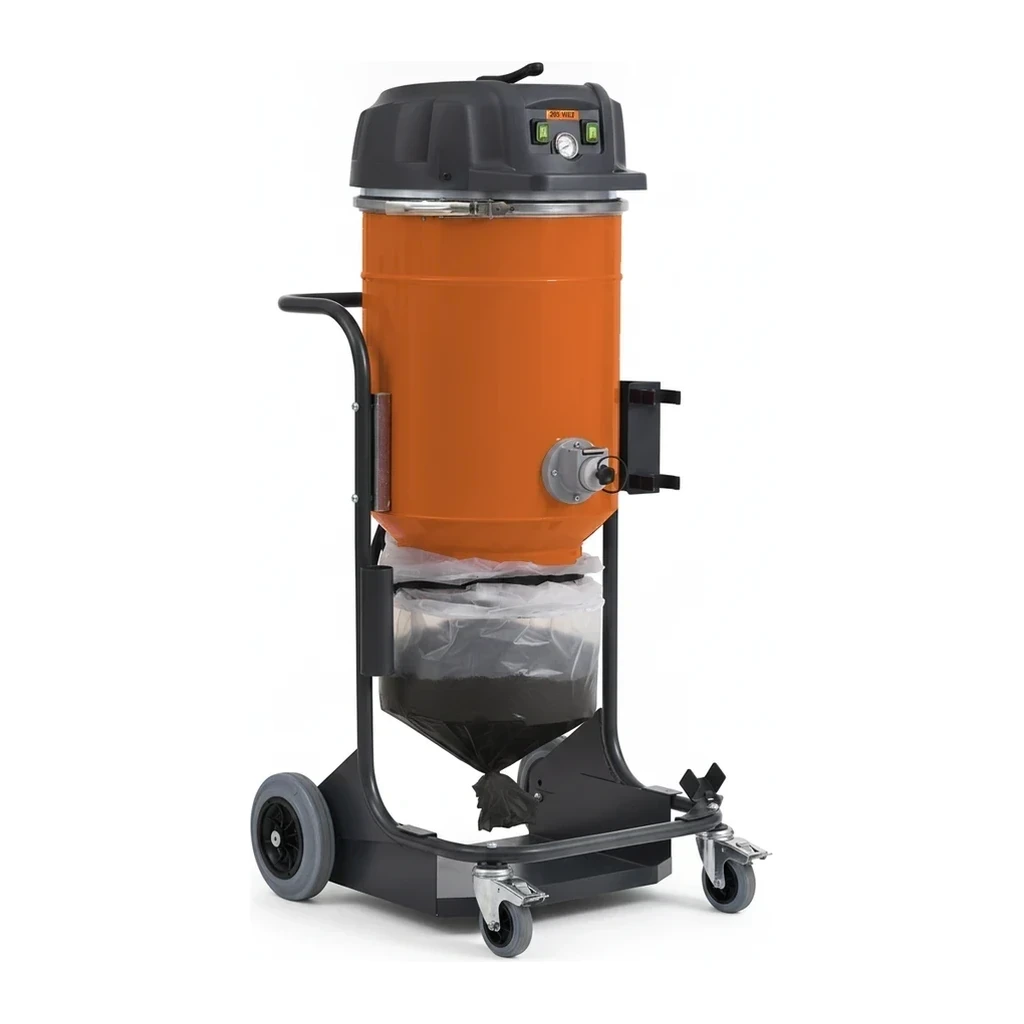
A dust extractor or HEPA vacuum is a high-filtration industrial vacuum system designed to capture respirable crystalline silica and other hazardous dusts generated during concrete grinding, cutting, and surface preparation. These machines use HEPA filtration to meet regulatory exposure limits and connect directly to grinding equipment, saws, and scarifiers to collect dust at the point of generation. The rental industry classifies them by airflow capacity (CFM) and motor horsepower to match tool requirements and jobsite compliance standards.
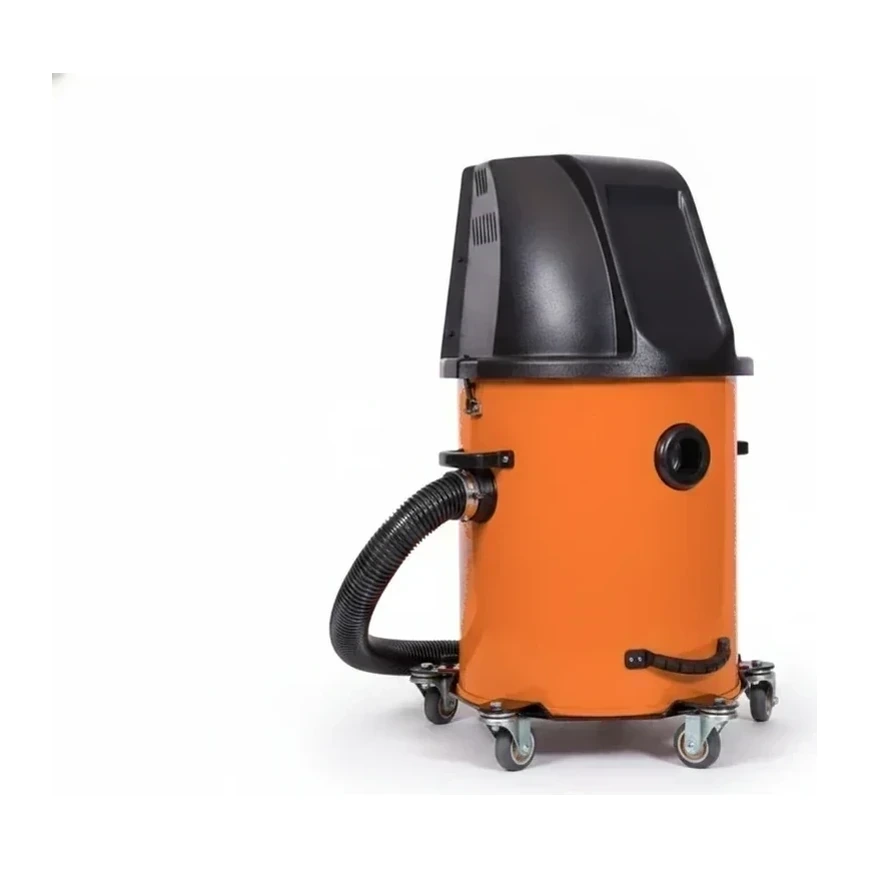
Cat classes
Choisissez une classe de taille — la capacité et la portée varient selon la gamme.
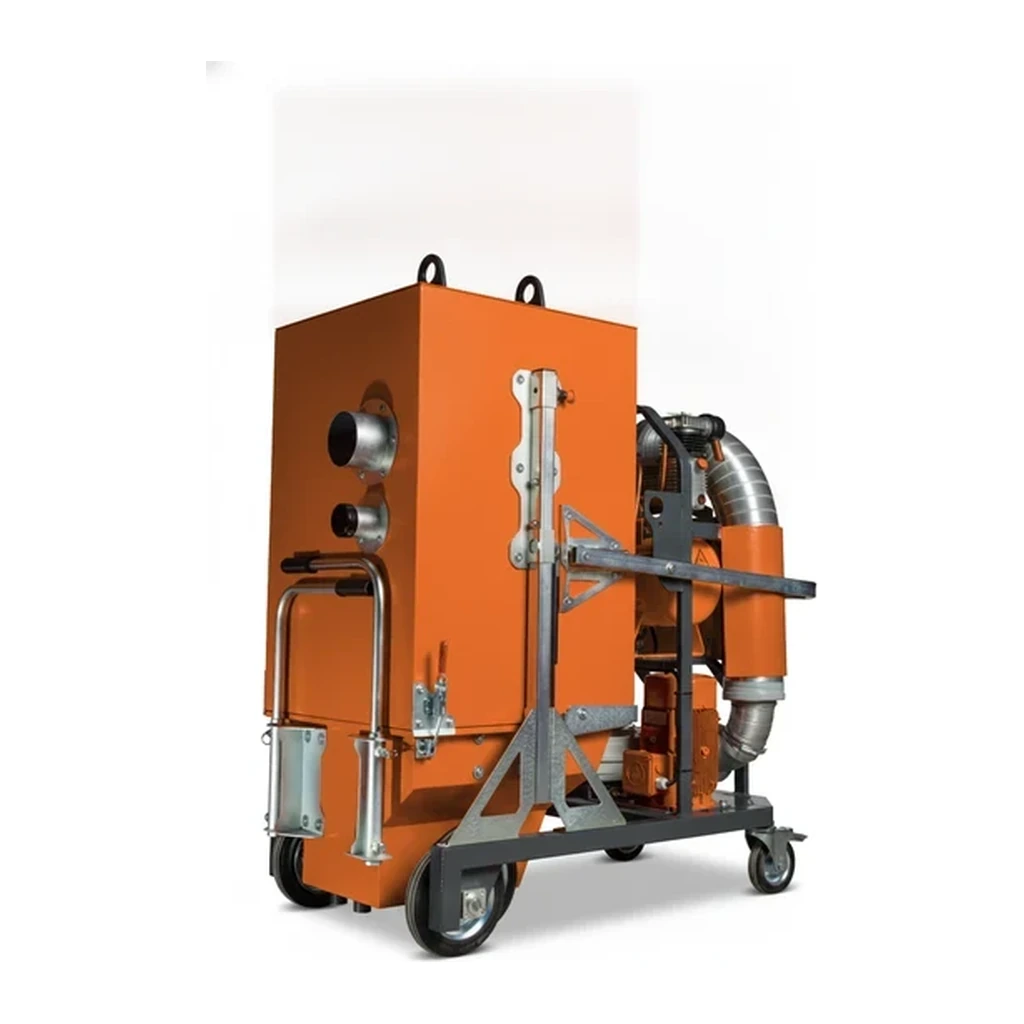
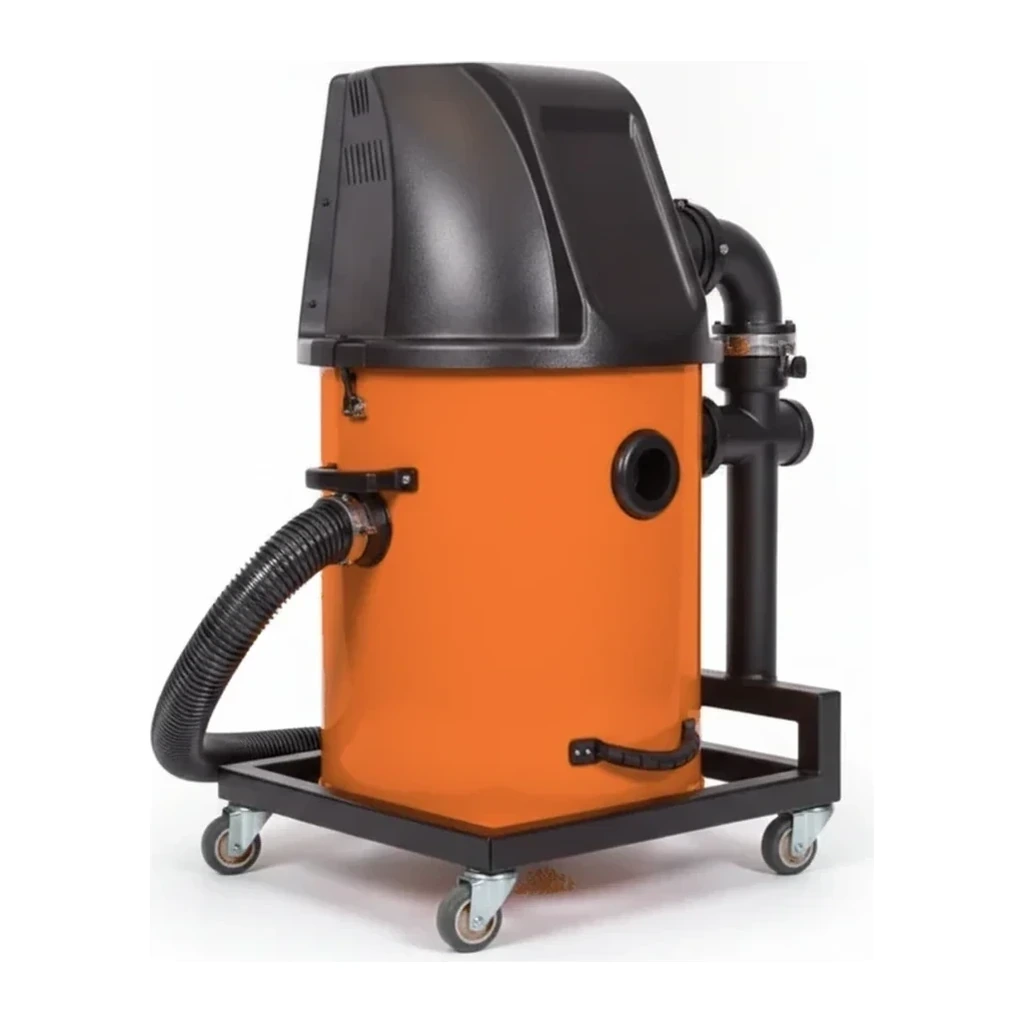
Fonctionnement
The dust extractor generates negative pressure through a high-efficiency motor and fan assembly, drawing dust-laden air through a hose connected to the power tool or surface equipment. Particulate matter is captured in a multi-stage filtration system—typically a primary cyclonic separator or pre-filter, followed by a certified HEPA filter rated to trap 99.97% of particles 0.3 microns and larger. Many units include automated filter-cleaning mechanisms (pulse-jet or mechanical shakers) to maintain suction during operation. Airflow is regulated by adjustable dampers or variable-speed controls to balance suction power with tool requirements. Collected material accumulates in disposable bags or bins for compliant disposal. Units designed for silica dust extraction meet OSHA Table 1 specifications and incorporate sealed housings, static-dissipative hoses, and continuous-duty motors for extended grinding or cutting operations.
Types et variantes
- Portable Tool Extractors
- Compact units under 150 CFM designed to connect to handheld angle grinders, cut-off saws, and small rotary hammers for single-operator silica compliance.
- Single-Disc Grinder Vacuums
- Mid-capacity extractors (150–350 CFM) that pair with walk-behind concrete grinders and masonry saws, the most common configuration on concrete finishing and surface prep jobsites.
- Planetary Grinder Extractors
- High-volume systems exceeding 350 CFM that supply multiple grinding heads or large planetary machines, typically requiring 240 V single-phase or three-phase power.
- Wet/Dry Dust Collectors
- Dual-mode extractors capable of handling both dry silica dust and water slurry from wet-cutting operations, with sealed pump-out systems.
- Explosion-Proof Models
- Extractors rated for combustible dust environments, featuring sealed motors, grounded components, and spark-resistant construction for metal grinding or pharmaceutical facilities.
Spécifications clés
| Spécification | Plage typique | Signification |
|---|---|---|
| Airflow (CFM) | 27–3,188 CFM (as flow rate in GPM × 7.48) | Volumetric capacity to maintain suction across tool shrouds and hoses; must match or exceed connected equipment requirements. |
| Motor Power | 1–18 hp | Determines sustained suction performance and duty cycle; larger motors support multiple tools or high-resistance filtration systems. |
| Filtration Efficiency | HEPA 99.97% @ 0.3 µm | Certified particle capture rate required for silica compliance; HEPA is the regulatory minimum for respirable crystalline silica exposure control. |
| Dust Capacity | 5–55 gallons | Volume of collected material before disposal is required; larger capacities reduce downtime on high-production grinding operations. |
| Power Requirements | 120 V, 240 V, or 3-phase | Electrical supply needed; higher CFM and multi-head units typically require 240 V single-phase or three-phase power. |
Comment l'industrie le dimensionne
The rental industry sizes dust extractors and HEPA vacuums by airflow capacity measured in cubic feet per minute (CFM). Units under 150 CFM pair with handheld grinders and cut-off saws for single-tool silica compliance. Mid-range extractors from 150 to 350 CFM serve walk-behind single-disc grinders and masonry saws, representing the most common jobsite configuration. High-capacity systems above 350 CFM supply large planetary grinders, shot blasters, or multiple simultaneous tools, and typically require 240-volt or three-phase power. Manufacturers also designate models by motor horsepower (1–3 hp, 3–5 hp, 5–18 hp), which correlates with sustained suction performance and filter-cleaning capacity during extended surface preparation work.
Applications
- Concrete grinding and polishing operations requiring OSHA silica exposure compliance
- Masonry cutting and tuckpointing in occupied buildings where dust containment is mandatory
- Epoxy coating removal and surface scarification on bridge decks and industrial floors
- Tile and mortar demolition in healthcare, food processing, and cleanroom environments
- Drywall sanding and joint compound finishing in commercial tenant improvement projects
- Asbestos abatement and lead paint removal under negative-pressure containment protocols
Sécurité et opération
- Verify HEPA filter certification and replace filters according to manufacturer intervals to maintain silica capture efficiency and regulatory compliance
- Ground equipment and use static-dissipative hoses when collecting combustible dusts to prevent ignition from electrostatic discharge
- Inspect hose connections and shroud seals before operation to ensure dust is captured at the source and does not escape into the work environment
- Follow lockout/tagout procedures during filter changes and bin disposal to prevent accidental startup and exposure to collected material
- Monitor filter pressure gauges or automatic cleaning cycles; clogged filters reduce suction and may allow dust bypass, compromising exposure control
Normes et certifications
- OSHA · 29 CFR 1926.1153 Table 1
- Specifies minimum dust control requirements for common concrete and masonry tasks, including required extractor performance for silica compliance.
- ANSI · ANSI/ASME B7.1
- Safety requirements for portable abrasive wheels and tools, including provisions for dust collection attachment points and operator exposure.
- EPA · RRP Rule (40 CFR 745)
- Mandates HEPA vacuums for lead paint renovation work in pre-1978 structures; establishes cleaning verification and disposal protocols.
- IEST · IEST-RP-CC001
- Defines HEPA filter testing and performance standards, including minimum 99.97% efficiency at 0.3-micron most-penetrating particle size.
Questions fréquentes
What differentiates a dust extractor from a standard shop vacuum?
How is CFM capacity matched to grinding equipment?
What is the difference between OSHA Table 1 and Table 2 compliance?
When is three-phase power required for dust extraction?
Parcourir par fabricant
Sources
Chaque spécification est vérifiée par rapport aux données publiées par le fabricant, avec la source liée pour référence.
Tous les modèles
50 modèles · Page 2 sur 2 · Chaque spécification citée à la source