

0.5-0.75 in Electric Drill
The 0.5–0.75 in electric drill—universally recognized by its 1/2 in chuck—is the standard corded drill for jobsite work. This size class handles hole saws, self-feed bits, and paddle mixing applications where sustained torque and continuous runtime are required. It represents the only size band currently standardized within the electric drill ladder.
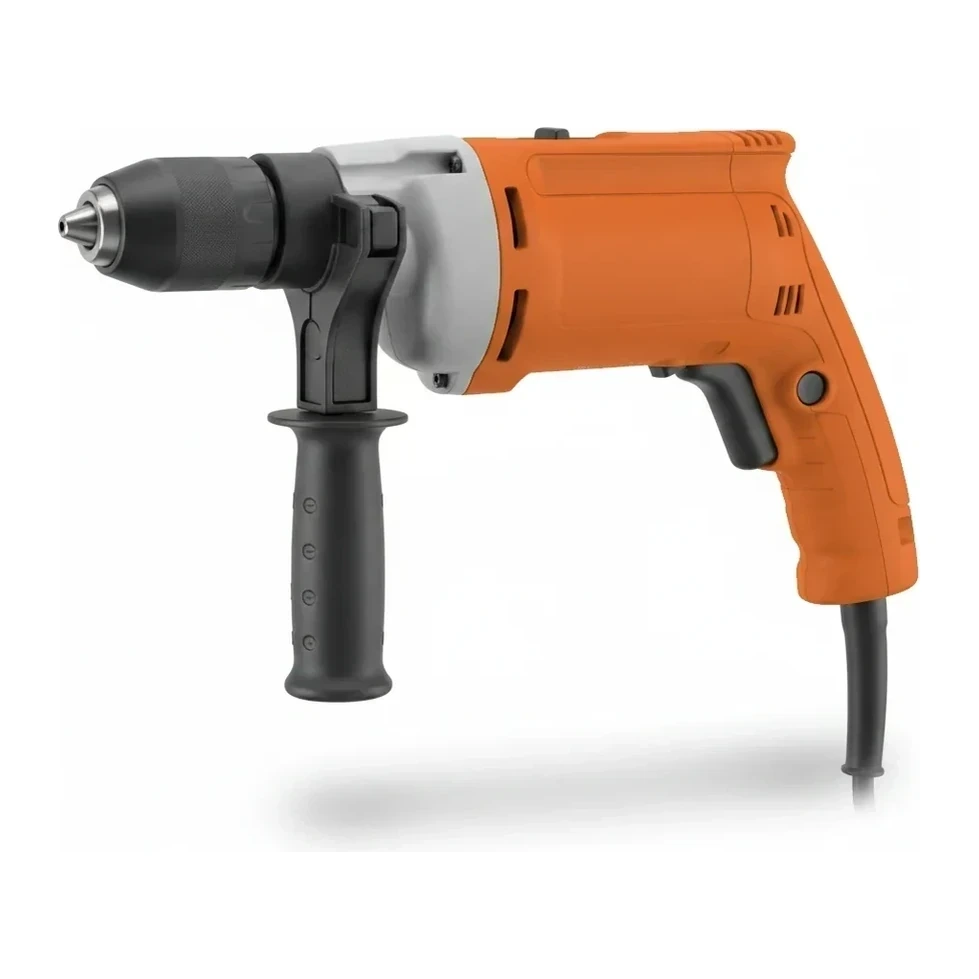
Spécifications clés
| Spécification | Plage typique | Signification |
|---|---|---|
| Chuck Size | 0.5 in (1/2 in) | The maximum bit shank diameter the chuck accepts; 1/2 in is the industry standard for heavy-duty drilling and mixing. |
| Motor Type | Corded electric | AC-powered for continuous operation without battery changes or recharging. |
| Trigger Control | Variable speed | Throttle control allows adjustment from low-speed mixing to high-speed drilling. |
Comment choisir
This size class is appropriate when the work requires a 1/2 in chuck capacity for hole saws up to 6 in diameter, self-feed bits, or paddle mixers for thinset, grout, and drywall compound. The corded design suits tasks where continuous power is available and extended runtime without battery swaps is advantageous. No smaller or larger electric drill size classes are currently standardized in the industry, making this the single reference point for corded drill specifications.
Ce que cette taille peut gérer
- Drilling 2–6 in holes through framing lumber or subflooring with hole saws
- Boring large-diameter holes in dimensional lumber using self-feed bits
- Mixing 5-gallon pails of thinset mortar or tile adhesive with paddle attachments
- Drilling anchor holes in masonry or concrete with masonry bits up to 1/2 in
- Mixing drywall compound or grout batches for wall finishing work
- Boring conduit entry holes in wood or metal studs during electrical rough-in
Sécurité et opération
- Side-handle auxiliary grip standard on this size to counter high-torque binding events
- Trigger lock mechanisms prevent unintended starts during bit changes or transport
- Cord and plug inspection for damage before each shift; damaged cords removed from service
- Eye protection and dust control for masonry or overhead drilling applications
Transport et logistique
- Hand-carried individually or in toolboxes; typical unit weight under 10 lb
- Transported in service vans or pickup beds alongside other power tools
- Cord management and bit storage in tool bags or gang boxes for multi-trade jobsites
Alimentation
- 120V AC standard electrical outlet; 15-amp circuits typical for continuous operation
- Extension cords rated for tool amperage and job length; 12 AWG wire for runs over 50 ft
- GFCI protection required on construction sites and wet locations per NEC standards
Questions fréquentes
What distinguishes a 1/2 in electric drill from a cordless drill-driver?
What is the maximum hole saw diameter this chuck size supports?
When is a corded drill preferred over a battery-powered model?
Parcourir par fabricant
Sources
Chaque spécification est vérifiée par rapport aux données publiées par le fabricant, avec la source liée pour référence.
0.5-0.75 in Electric Drill
7 modèles · Chaque spécification citée à la source