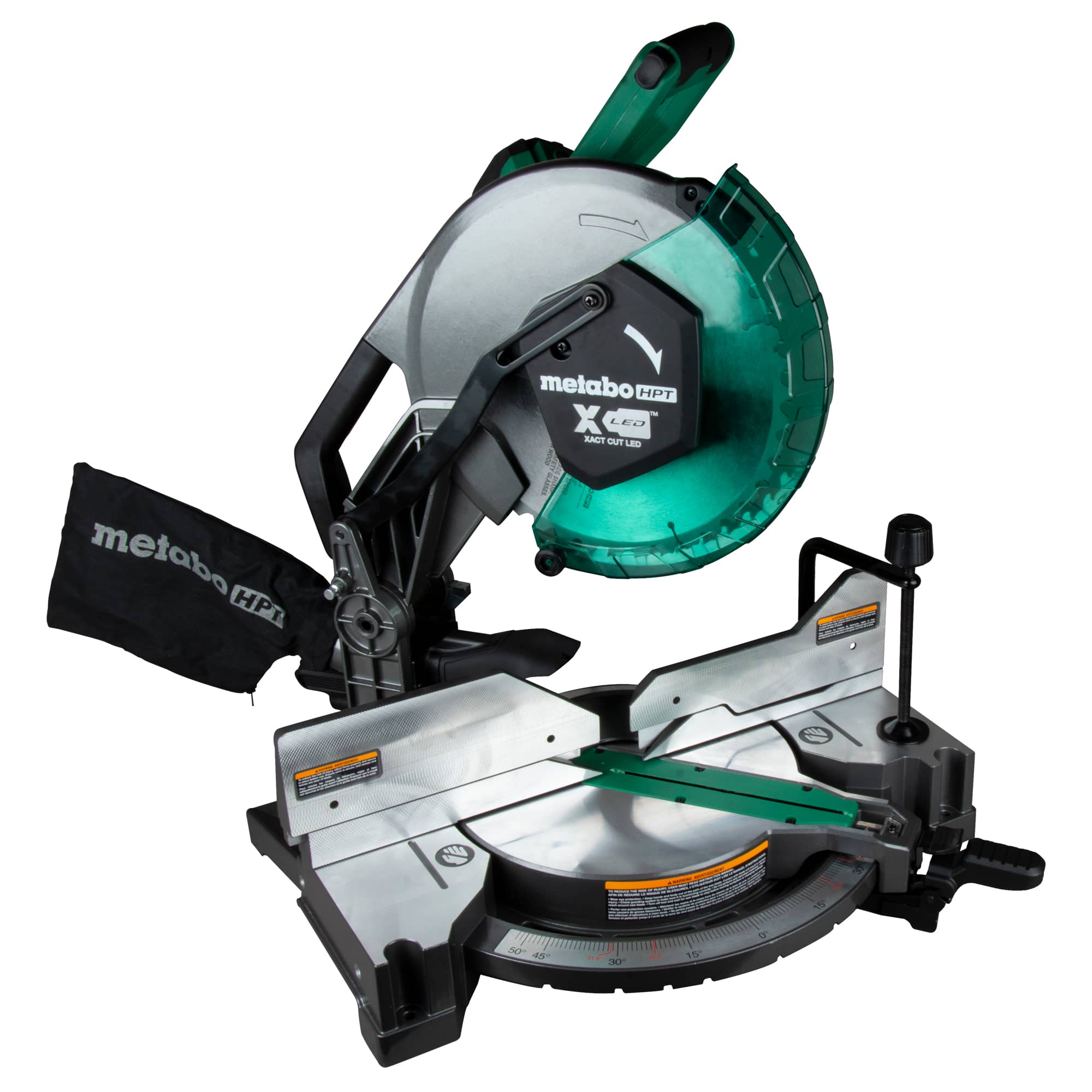
11+ in Miter Saw
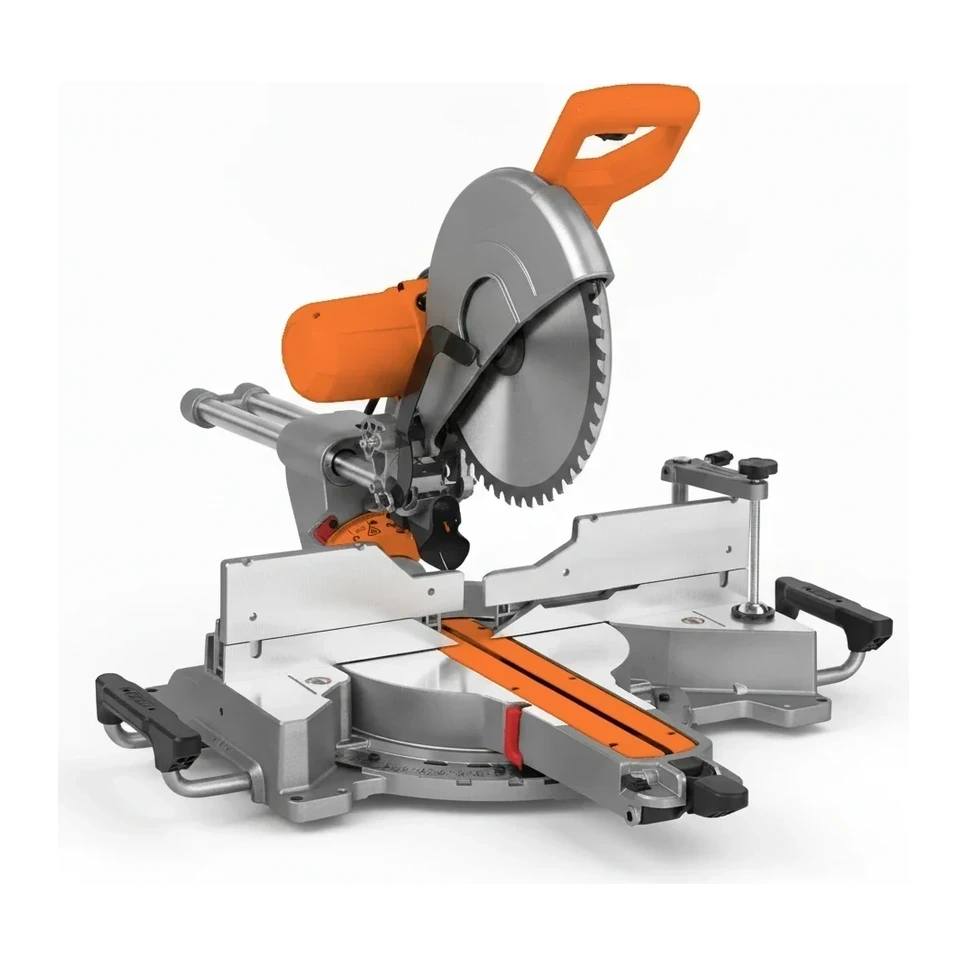
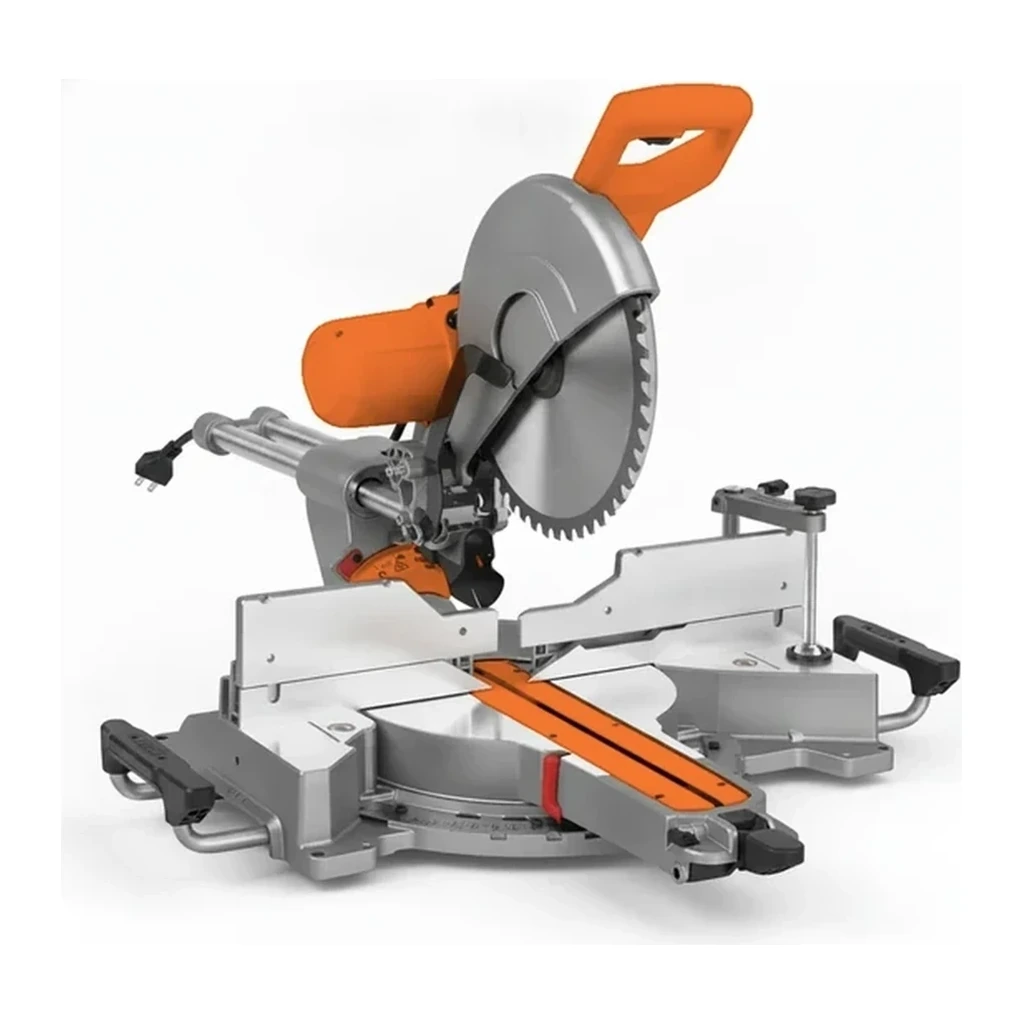
The 11+ inch miter saw class encompasses 12-inch and 14-inch blade models, nearly all equipped with sliding carriages to maximize crosscut capacity. These saws crosscut a 2×12 or a 12-inch wide board in a single pull, making them the industry standard for framing, deck construction, and trim work involving wide stock. This is the largest size class on the miter saw ladder, above the Up to 11 in Miter Saw band.
Cat classes
Choisissez une classe de taille : la capacité et la portée varient selon la gamme.
Spécifications clés
| Spécification | Plage typique | Signification |
|---|---|---|
| Blade diameter | 12–14 in (30.5–35.6 cm) | Determines depth of cut and maximum workpiece width; 12-inch is the jobsite standard, 14-inch less common. |
| Crosscut capacity | 12+ in at 90° | Sliding mechanism enables single-pass cuts through full-width dimensional lumber and wide trim. |
| Bevel range | 0-48° left/right | Dual-bevel models tilt both directions without flipping the workpiece; single-bevel versions tilt one side only. |
| Motor power | 15 amp / 1,800+ W | Sufficient torque for hardwoods and compound cuts at full depth without bogging. |
Comment choisir
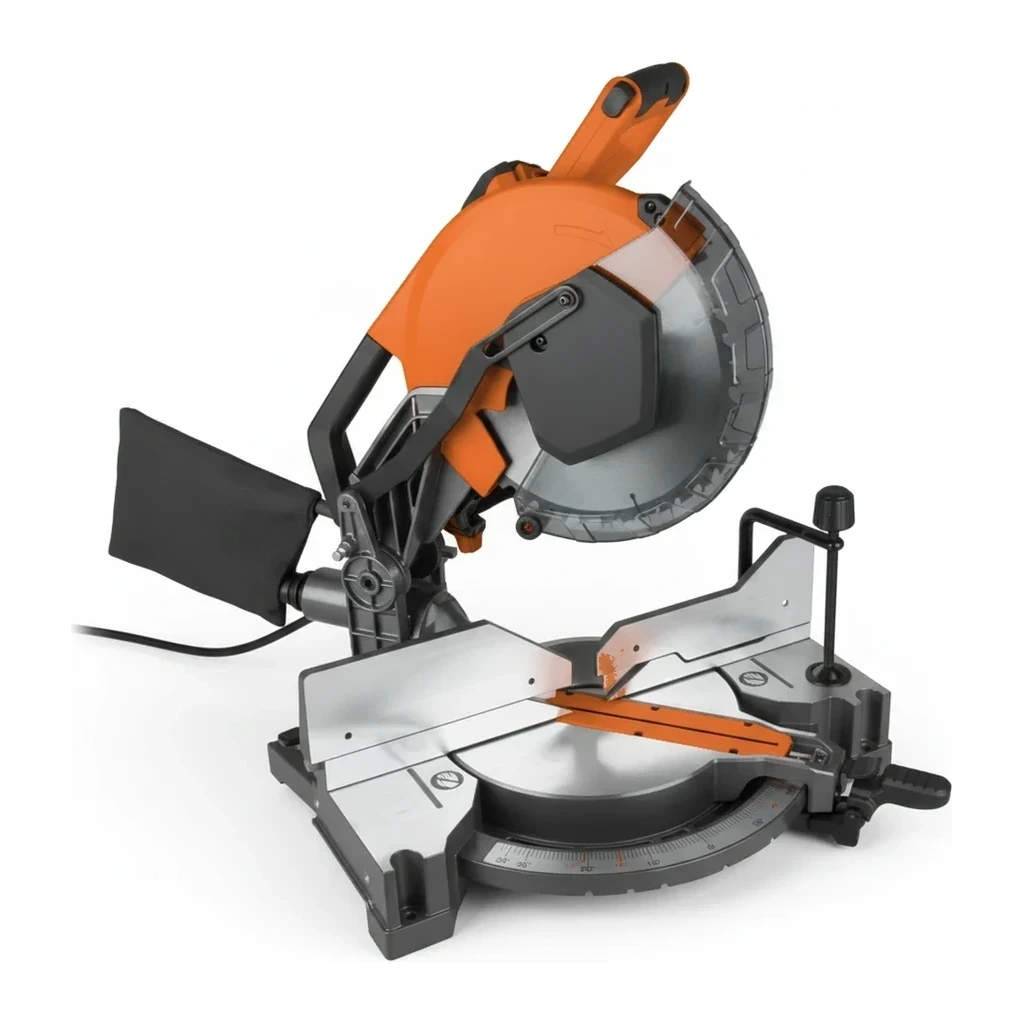
The 11+ inch miter saw class is suited to framing with dimensional lumber up to 2×12, installing wide baseboard and crown moulding, and cutting engineered beams or decking planks that exceed 10 inches in width. When work centers on 2×6 and 2×8 stock, narrower trim, or portability is a priority, the Up to 11 in Miter Saw class offers a lighter, more compact alternative with adequate capacity. This size class is appropriate when job scope consistently involves wide material and the added weight and footprint of a sliding 12-inch saw are justified by reduced handling and repositioning.
Ce que cette taille peut gérer
- Framing walls and roofs with 2×10 and 2×12 joists, headers, and rafters
- Installing wide baseboard, door casings, and crown moulding in residential and commercial interiors
- Cutting composite or PVC deck boards and fascia up to 12 inches wide
- Crosscutting engineered lumber such as LVL beams and I-joists to length
- Trimming wide hardwood or plywood panels for cabinetry and finish carpentry
- Making repetitive bevel and compound cuts for complex roof framing or stair stringers
Sécurité et opération
- Blade guard must retract smoothly and return fully after each cut; check spring tension and pivot points
- Secure workpiece against fence with clamp or hold-down; sliding carriage generates lateral forces during cut
- Maintain clear zone behind saw; sliding mechanism extends rearward, requiring adequate clearance from walls or equipment
- Wear eye and hearing protection; carbide-tipped blades generate fine dust and noise levels above 95 dB under load
Transport et logistique
- Typical weight 40-60 lb; one or two operators carry the saw by integrated handles or base
- Fits in the bed of a pickup truck, cargo van, or on a wheeled miter saw stand with collapse-and-roll capability
- Sliding mechanism and extended rails increase overall footprint; secure to prevent shift during transit
Alimentation
- Standard 120 V AC, 15 amp circuit; corded operation typical for sustained cutting
- Some models offer 36-60 V battery platforms for cordless field use; expect reduced runtime under continuous load
- Verify circuit capacity when operating alongside other high-draw tools on the same branch
Questions fréquentes
What distinguishes a 12-inch sliding miter saw from a 10-inch model?
Are dual-bevel models necessary for this size class?
How much clearance does a sliding 12-inch miter saw require?
Équipements connexes
Parcourir par fabricant
Sources
Chaque spécification est vérifiée par rapport aux données publiées par le fabricant, avec la source liée pour référence.
11+ in Miter Saw
14 modèles · Chaque spécification citée à la source