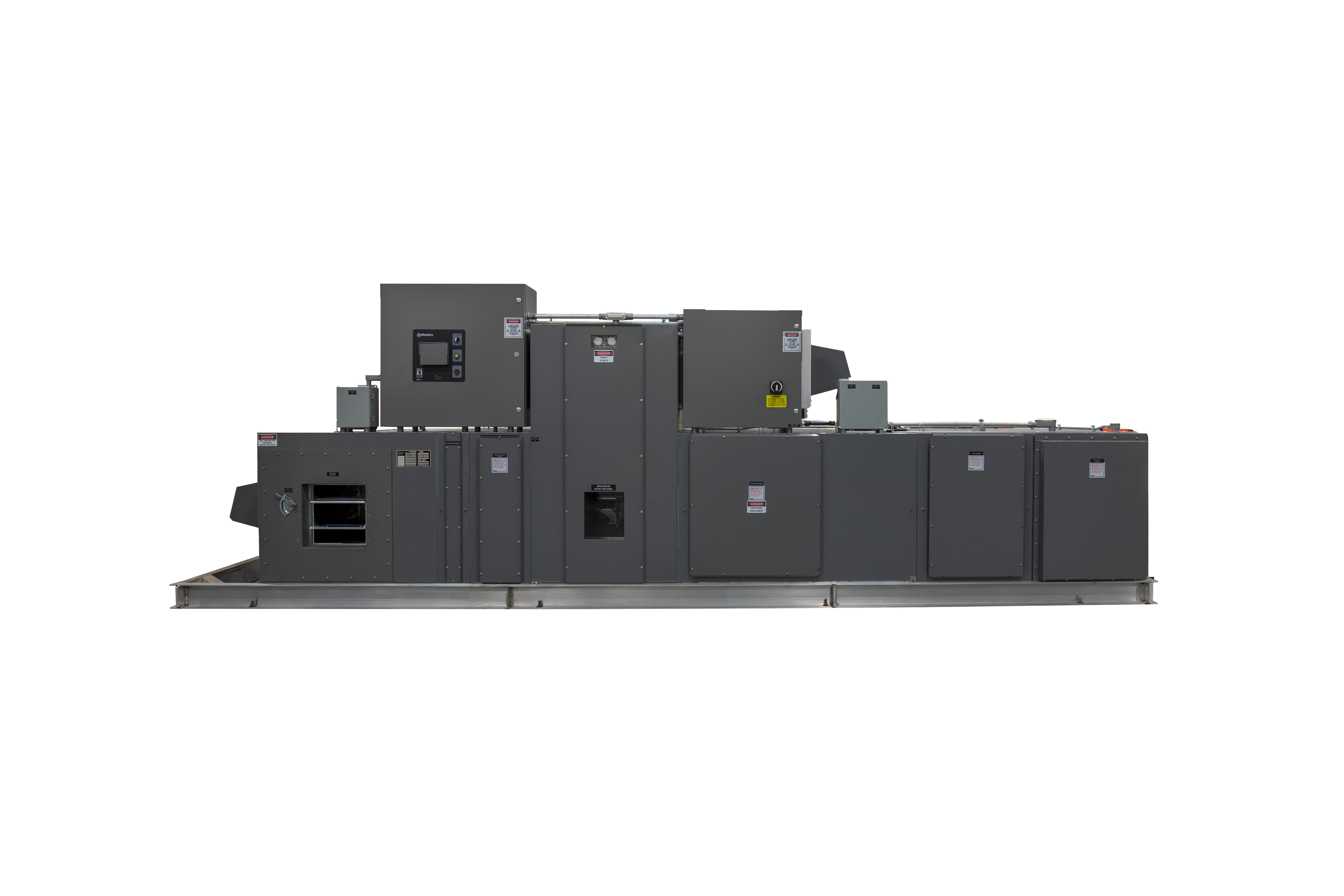
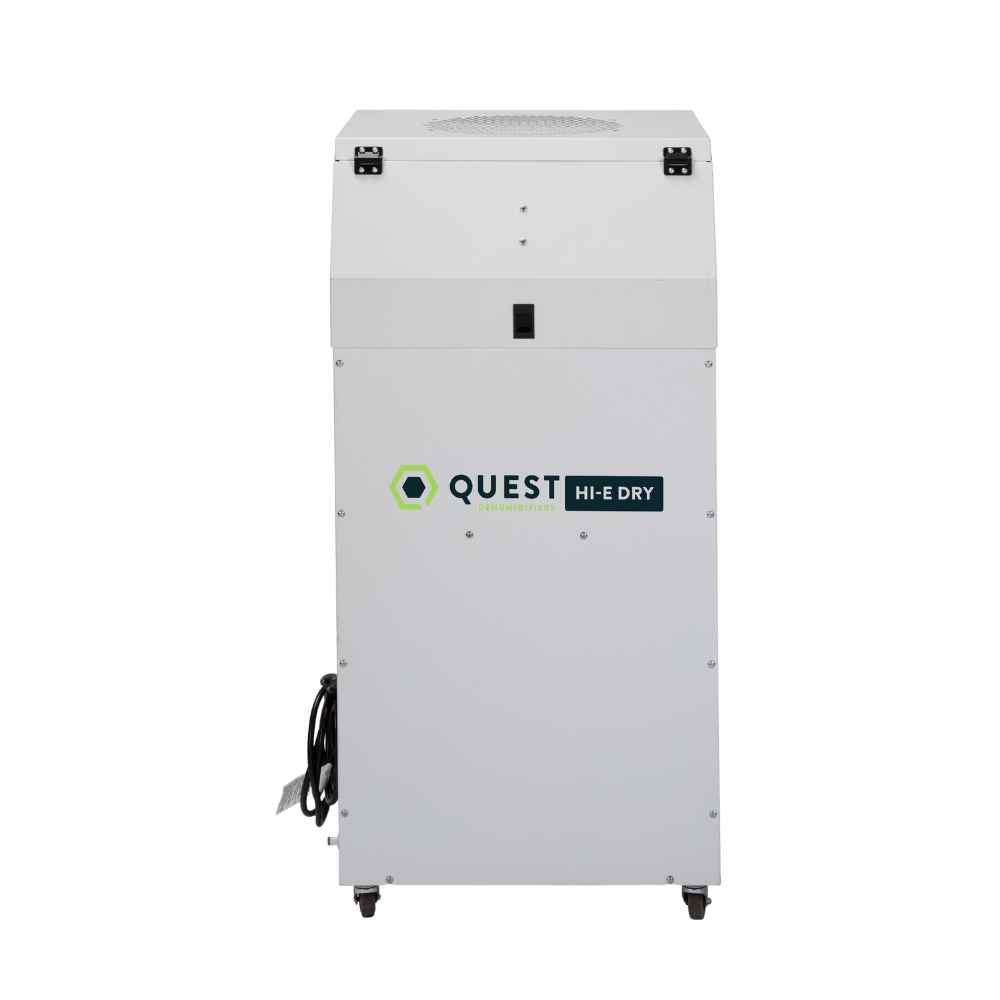
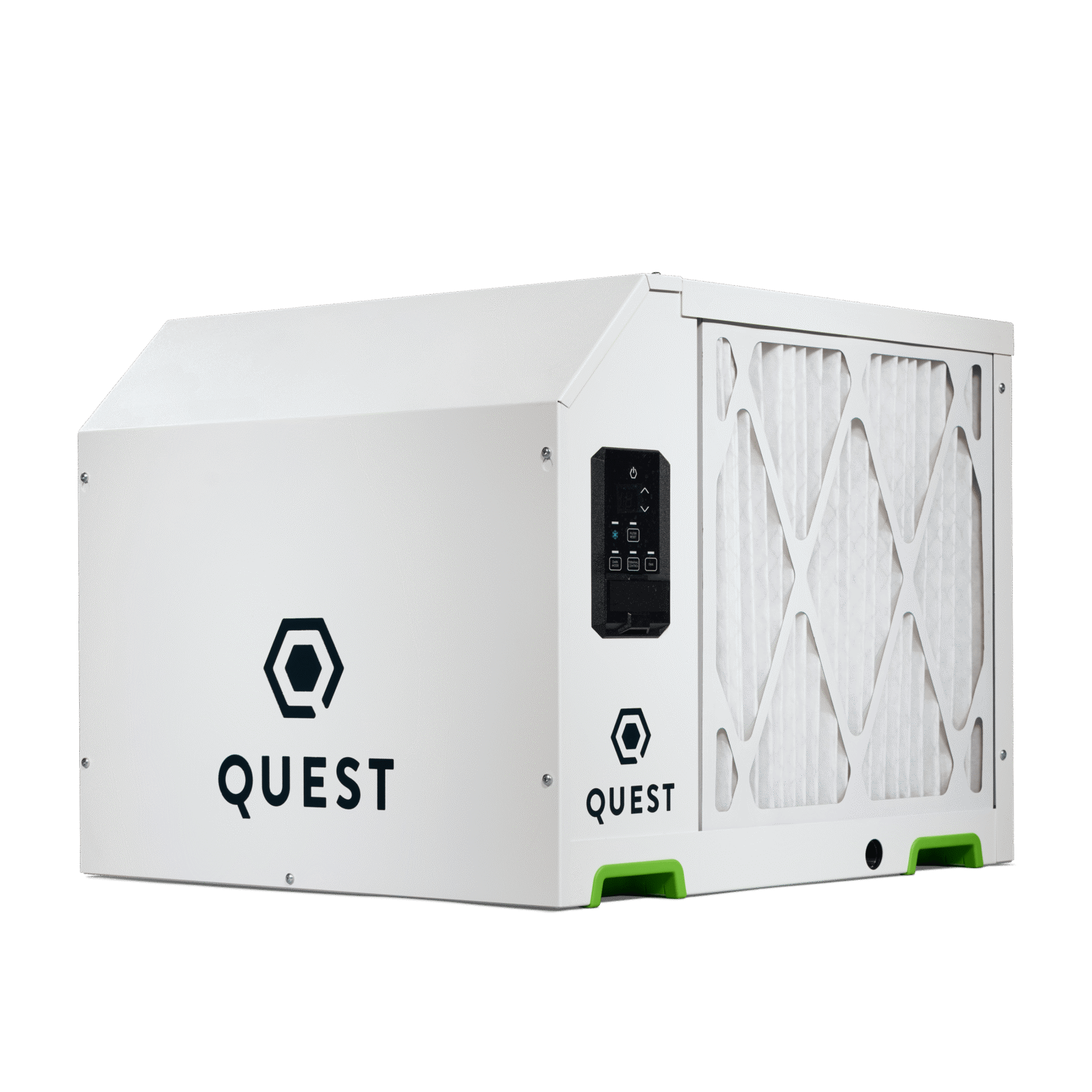
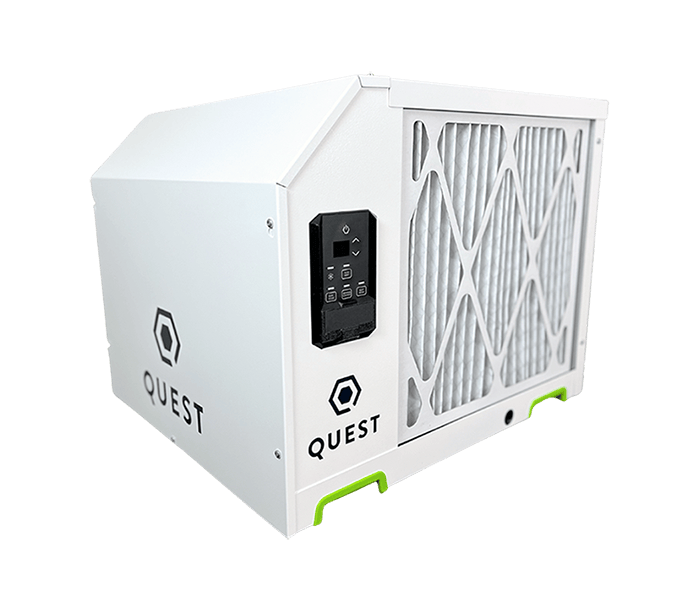
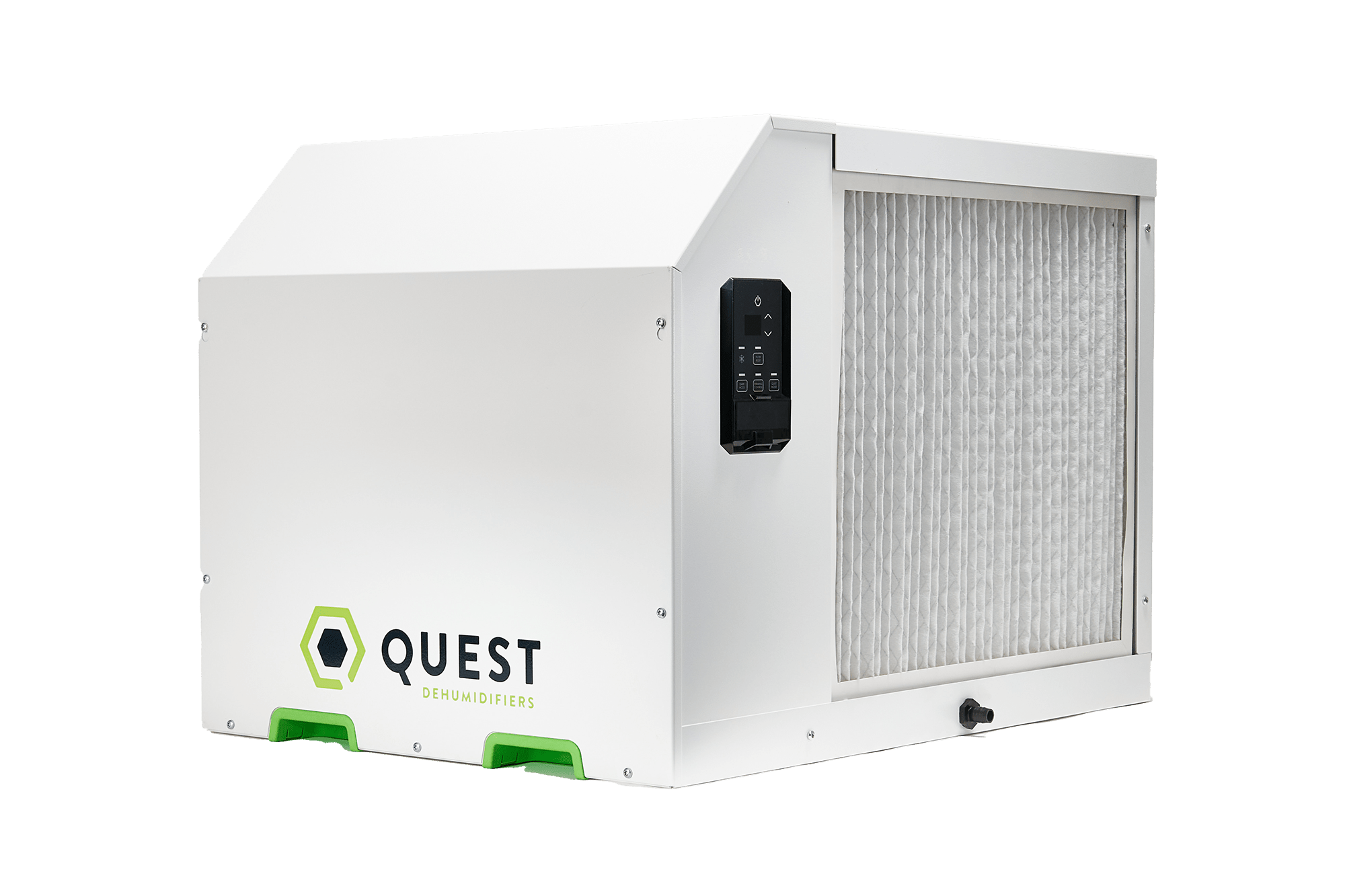
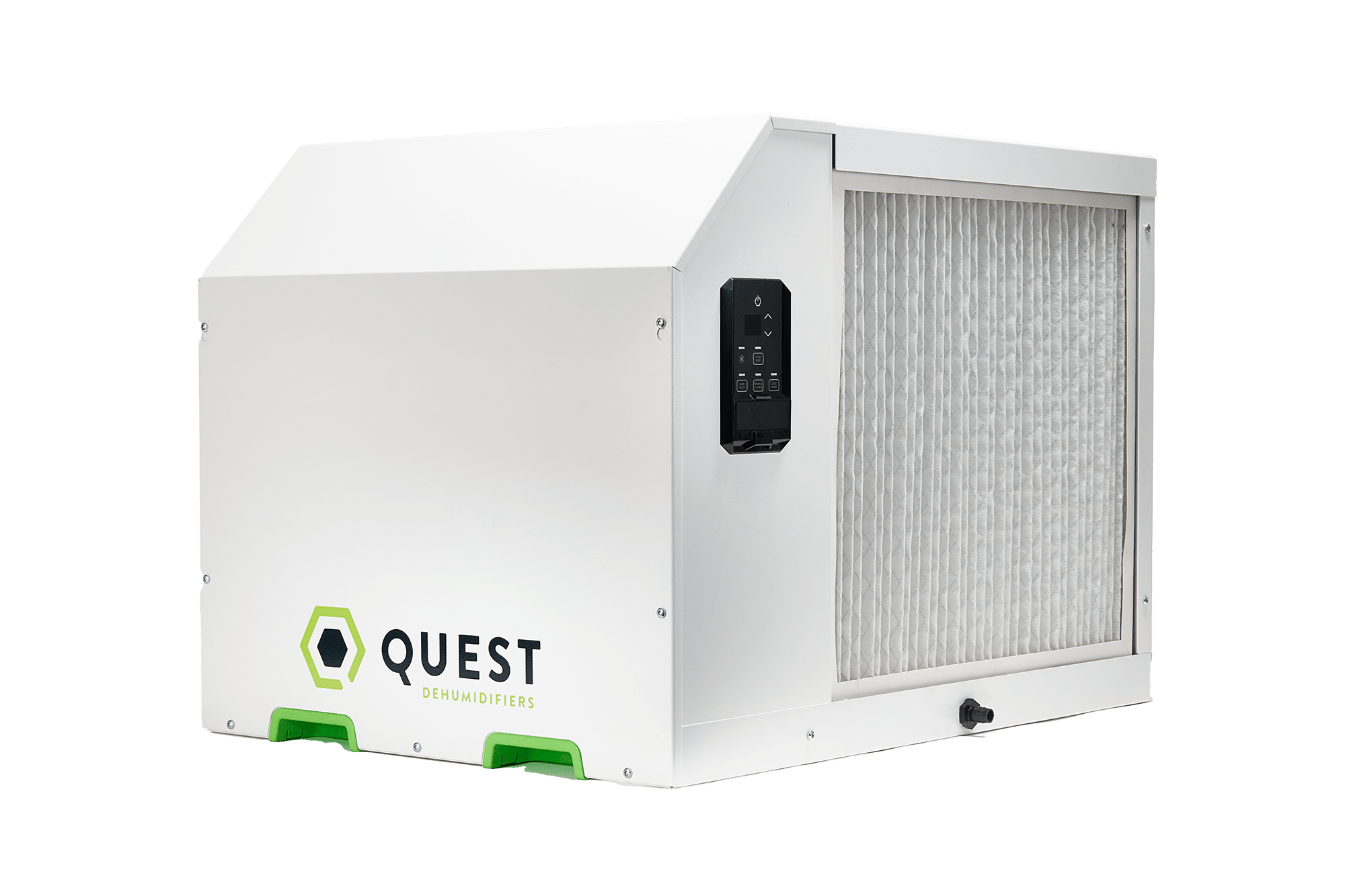
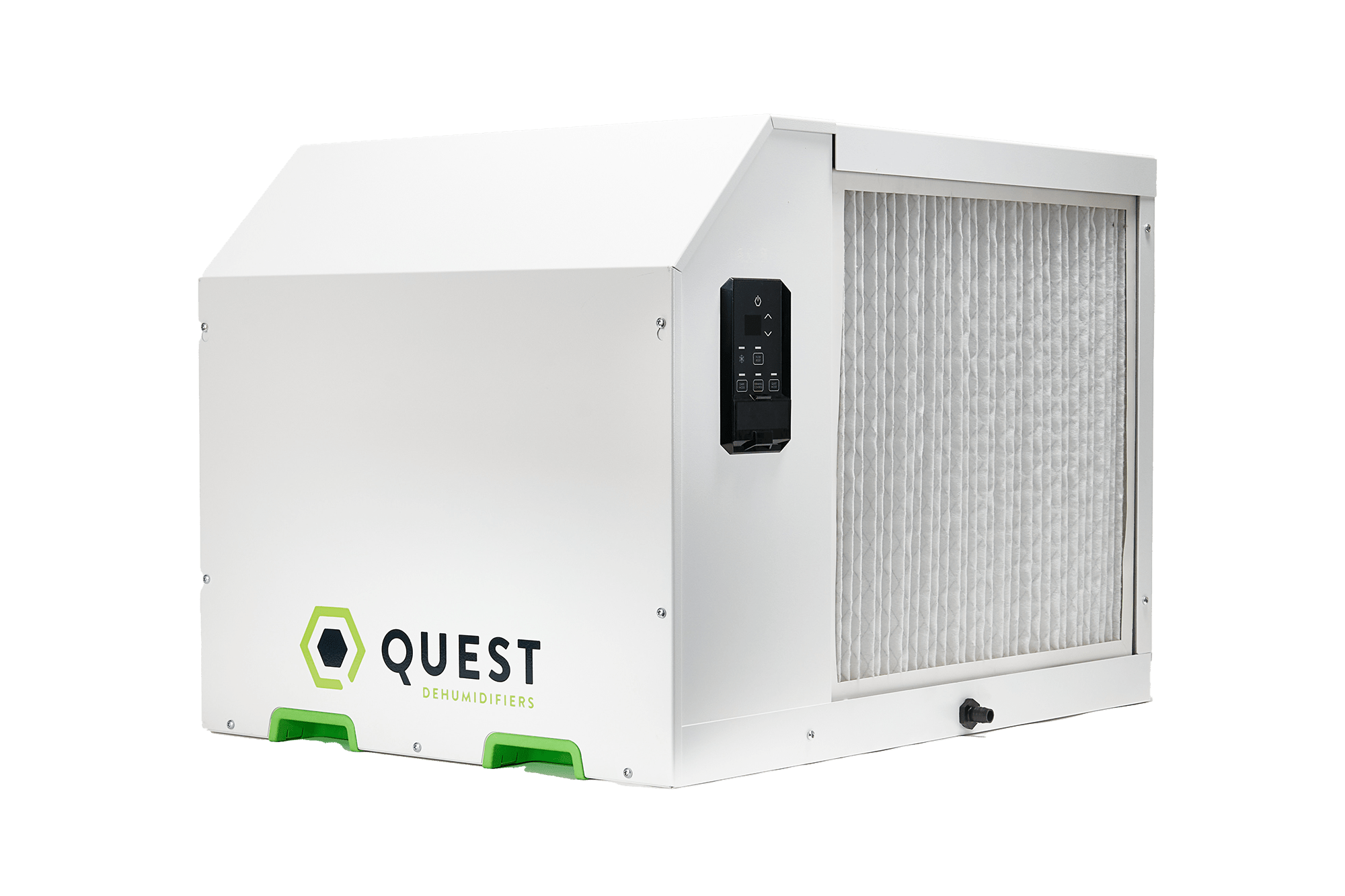
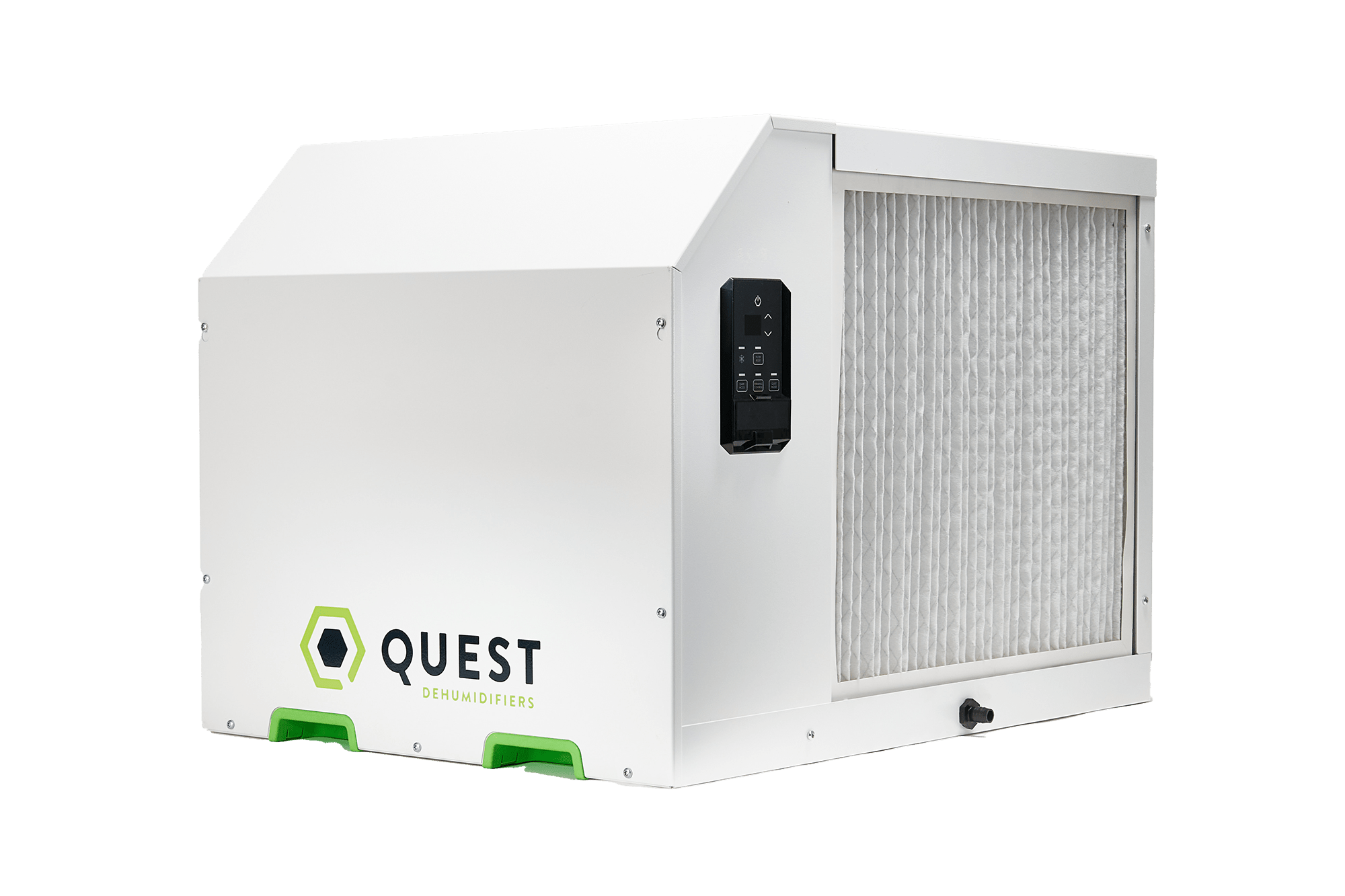
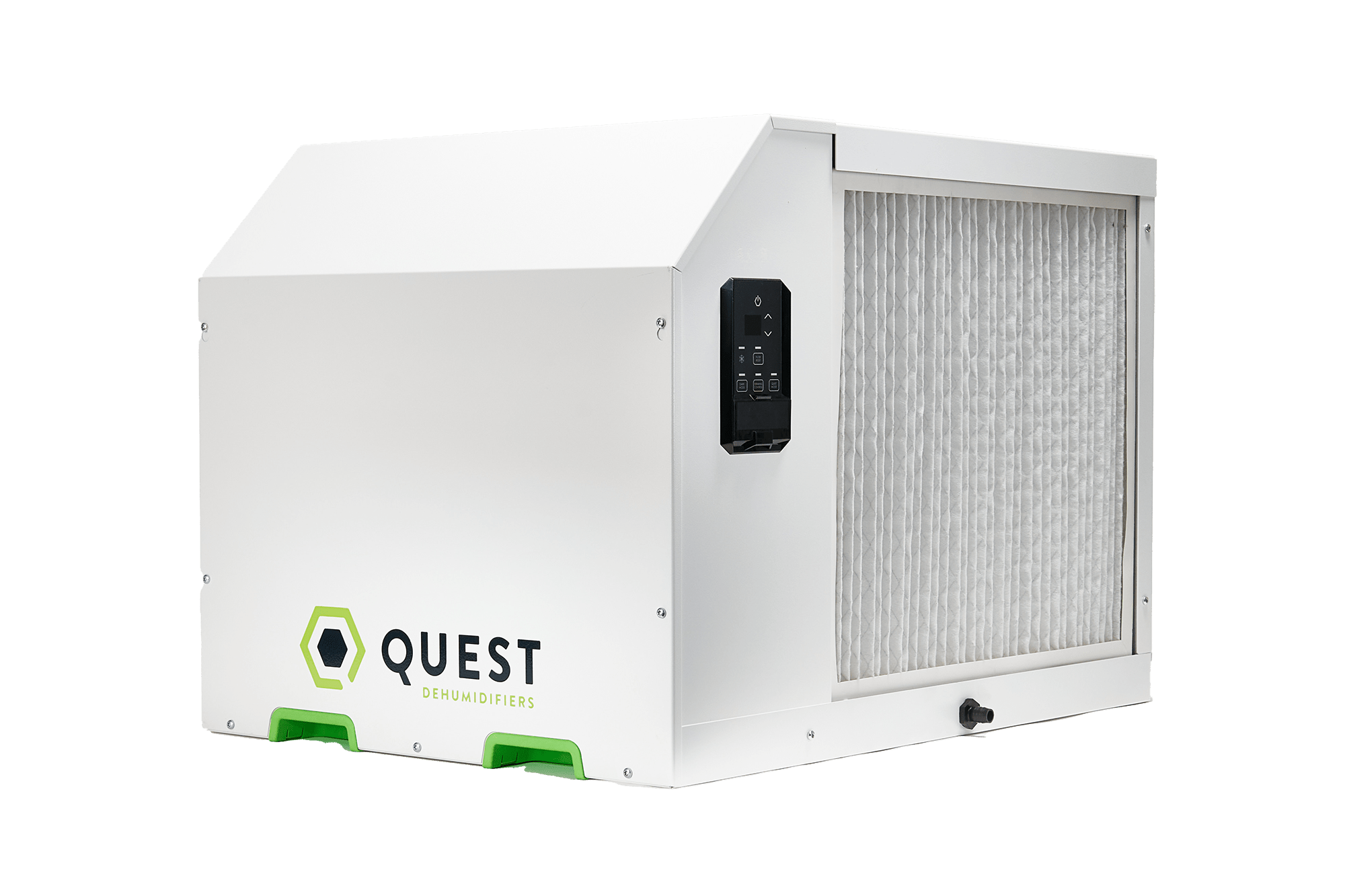
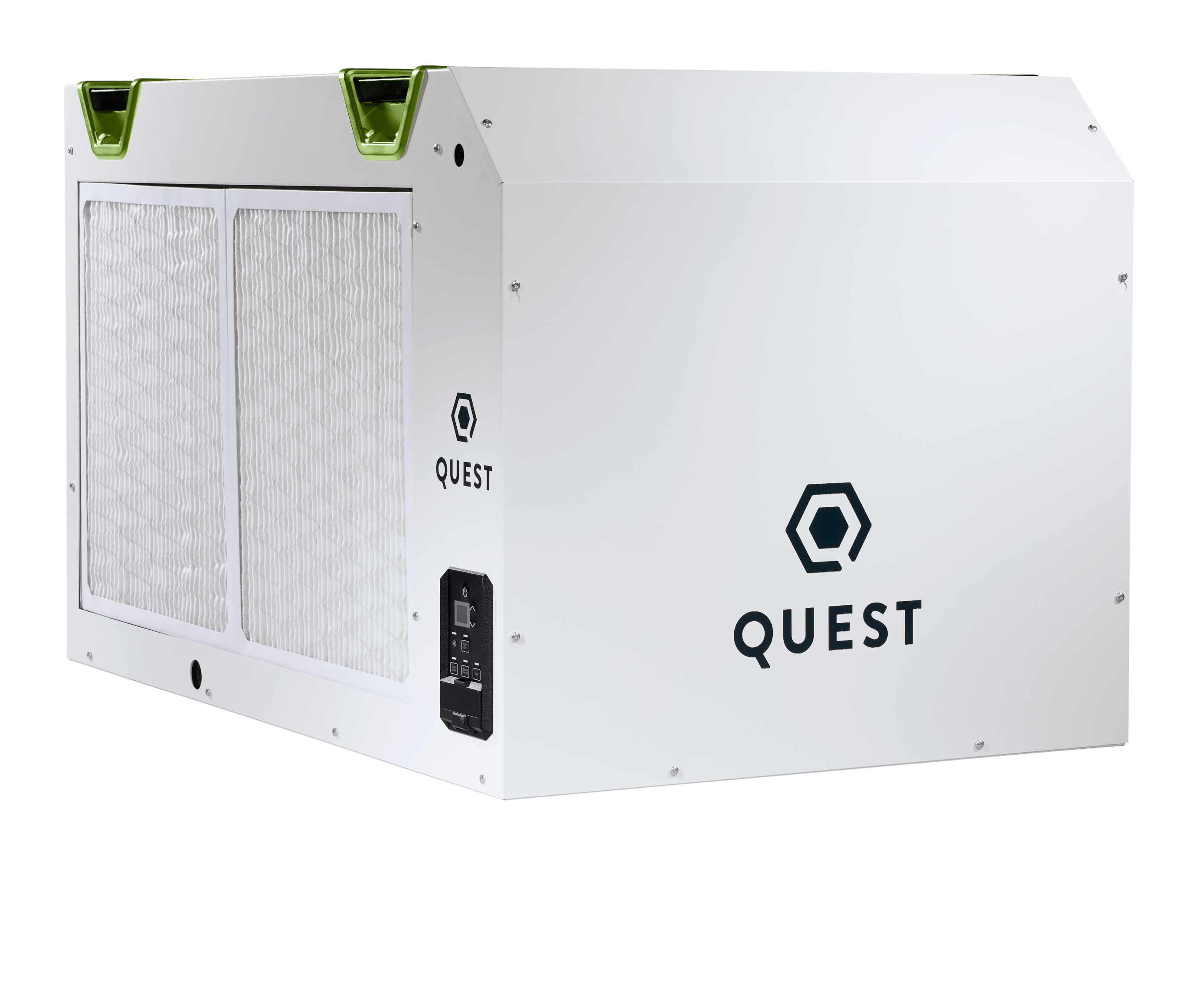
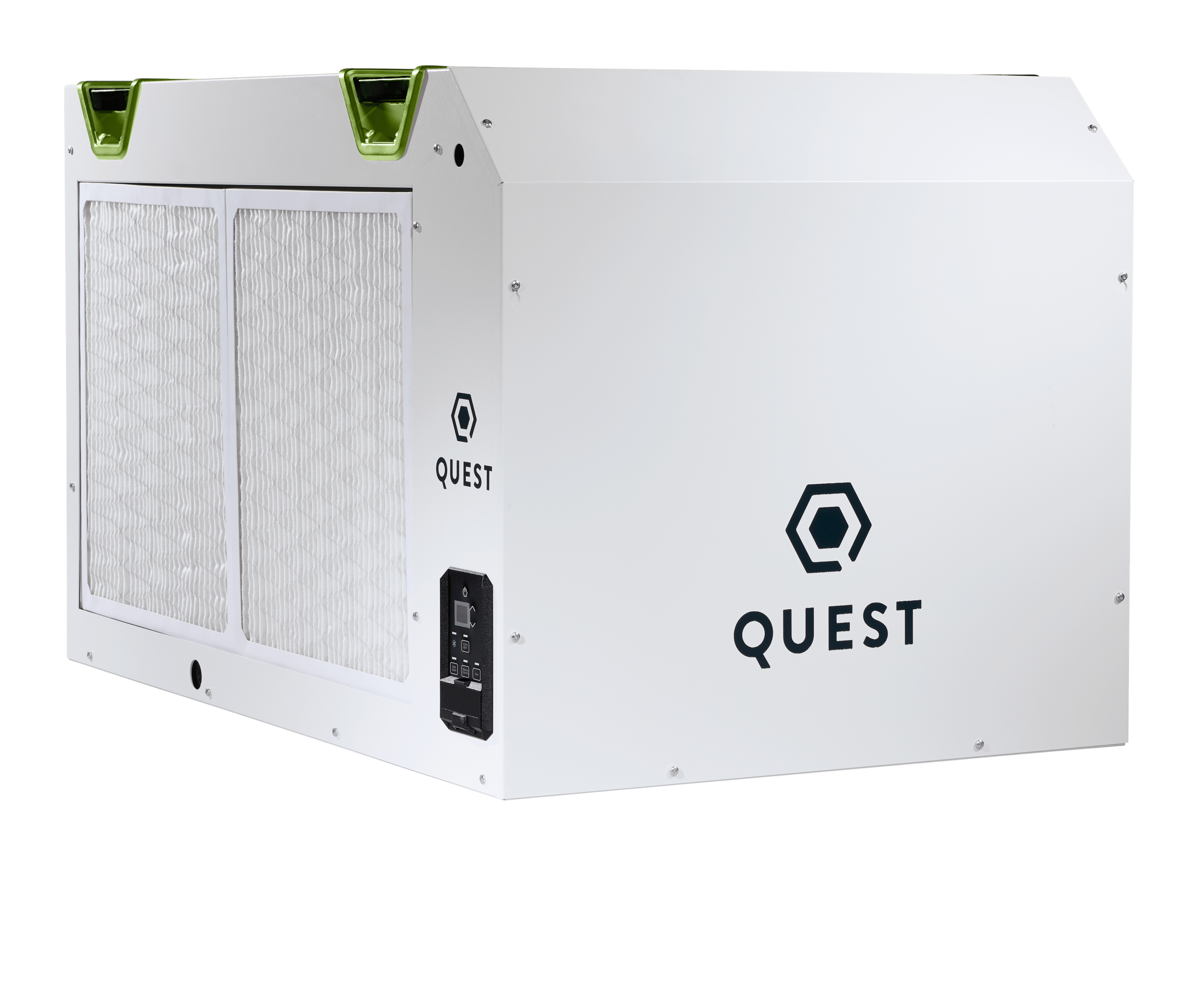
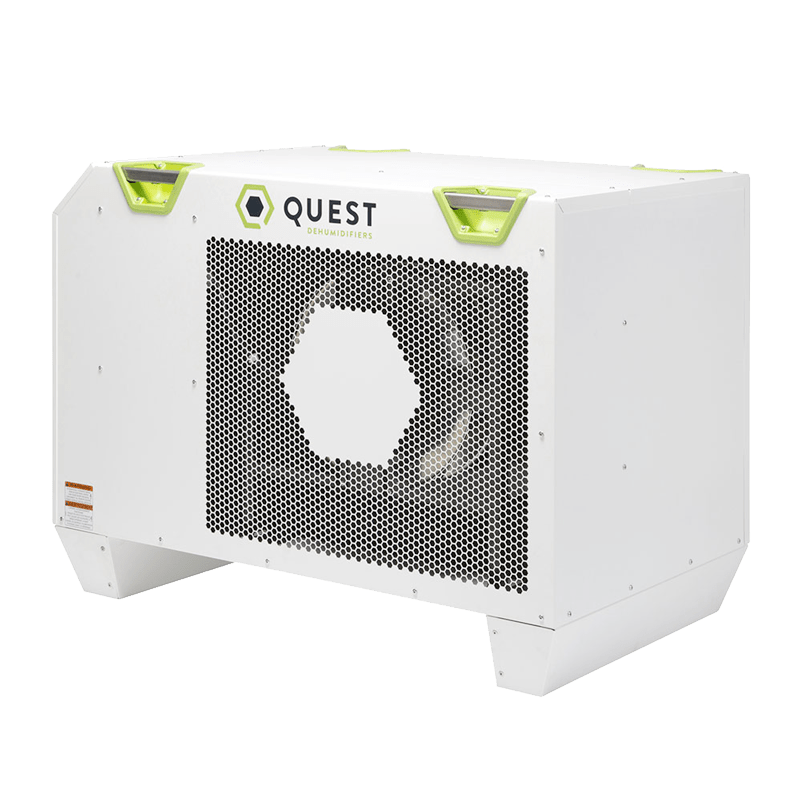
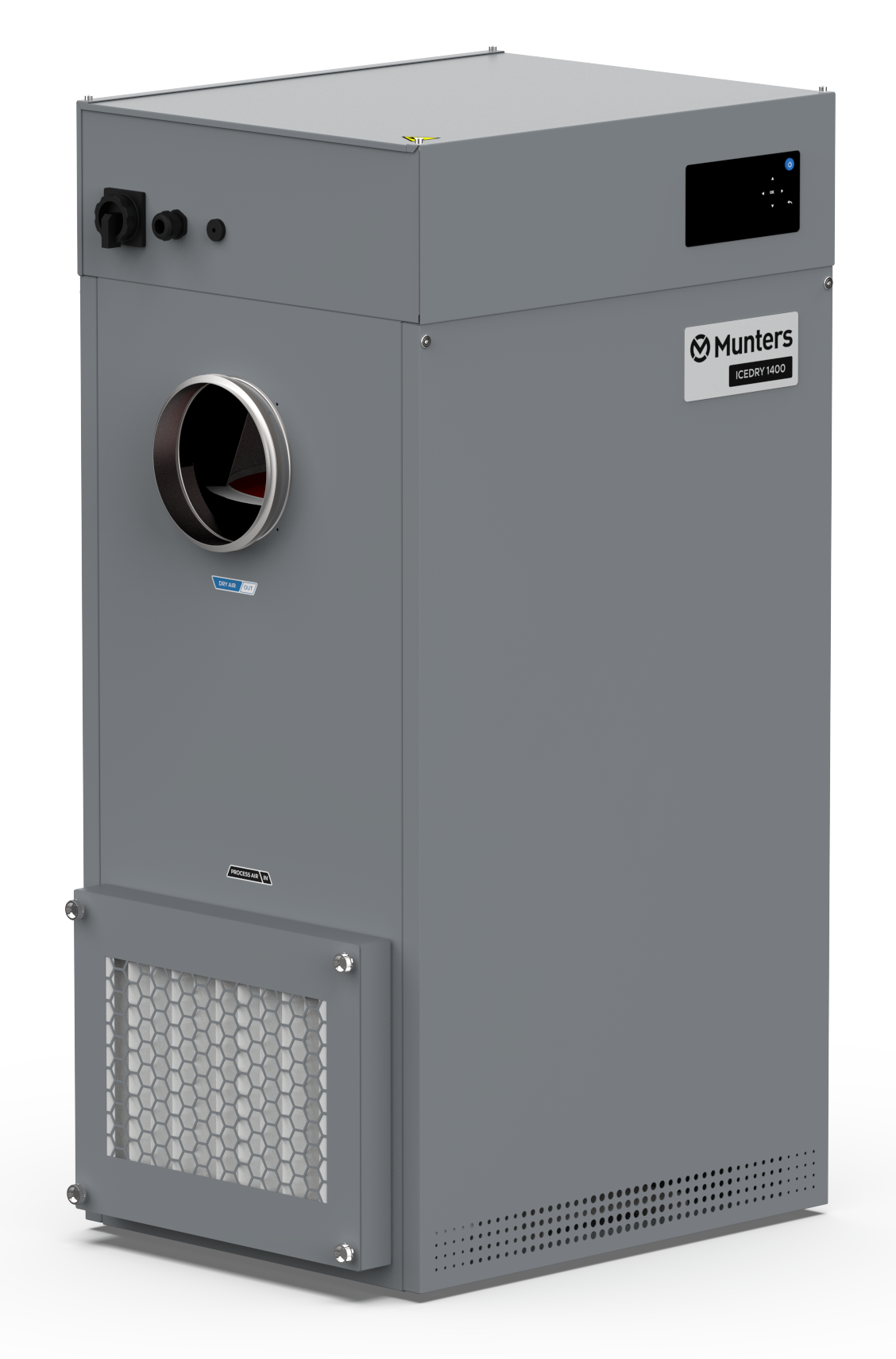
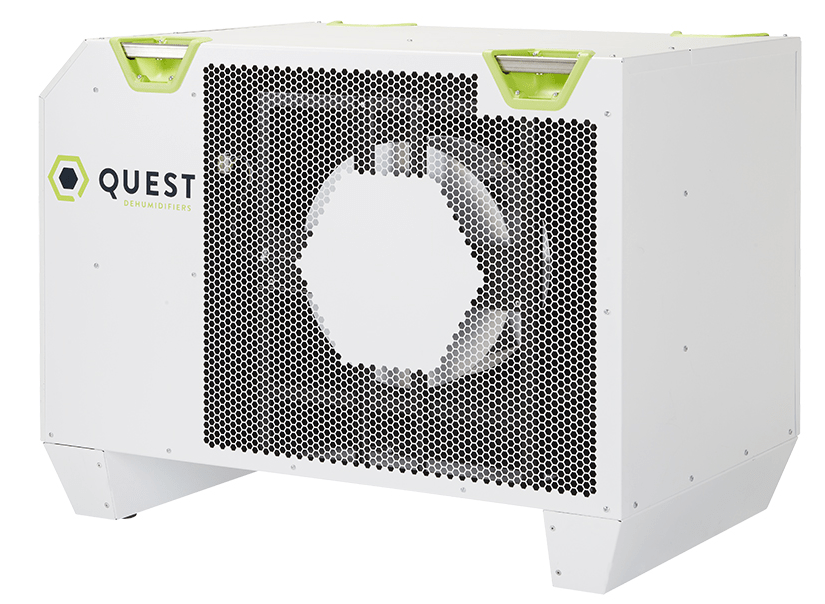
600-1,500 cfm Desiccant Dehumidifier
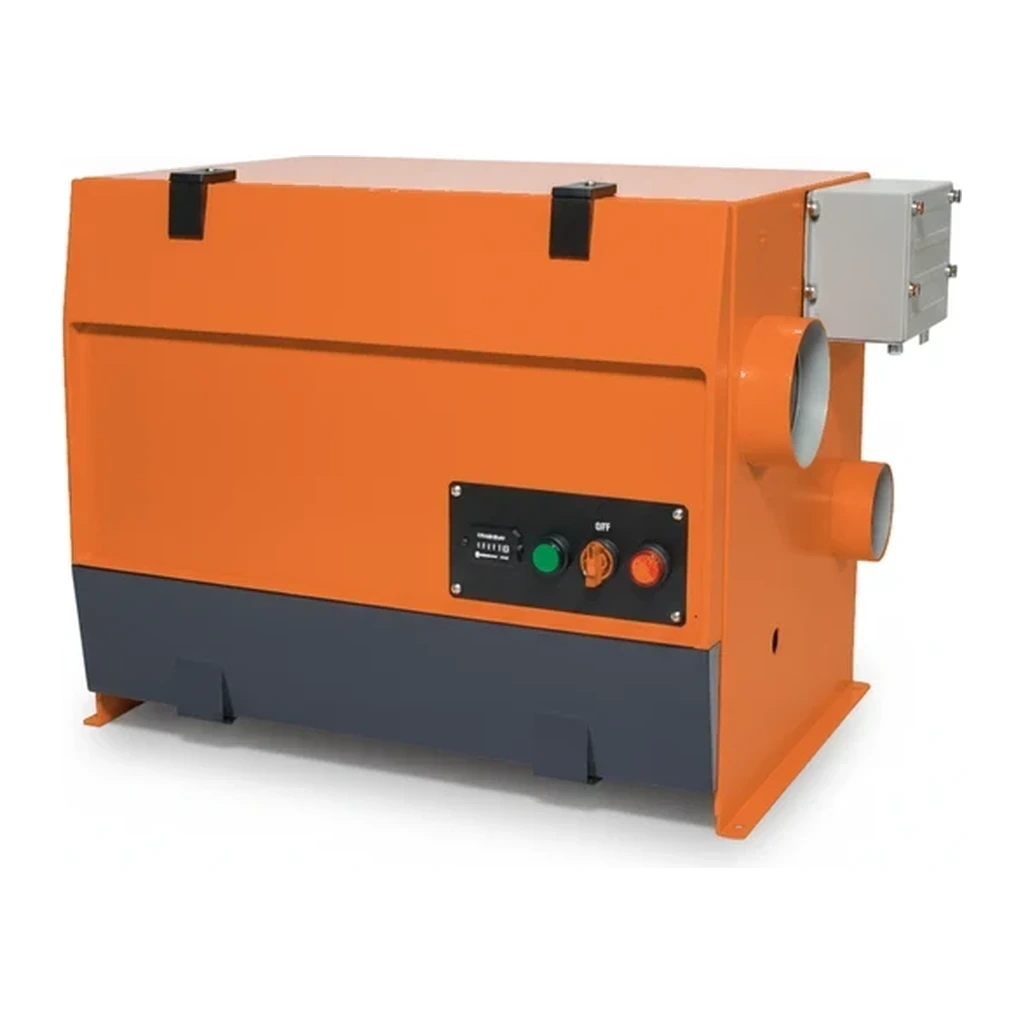
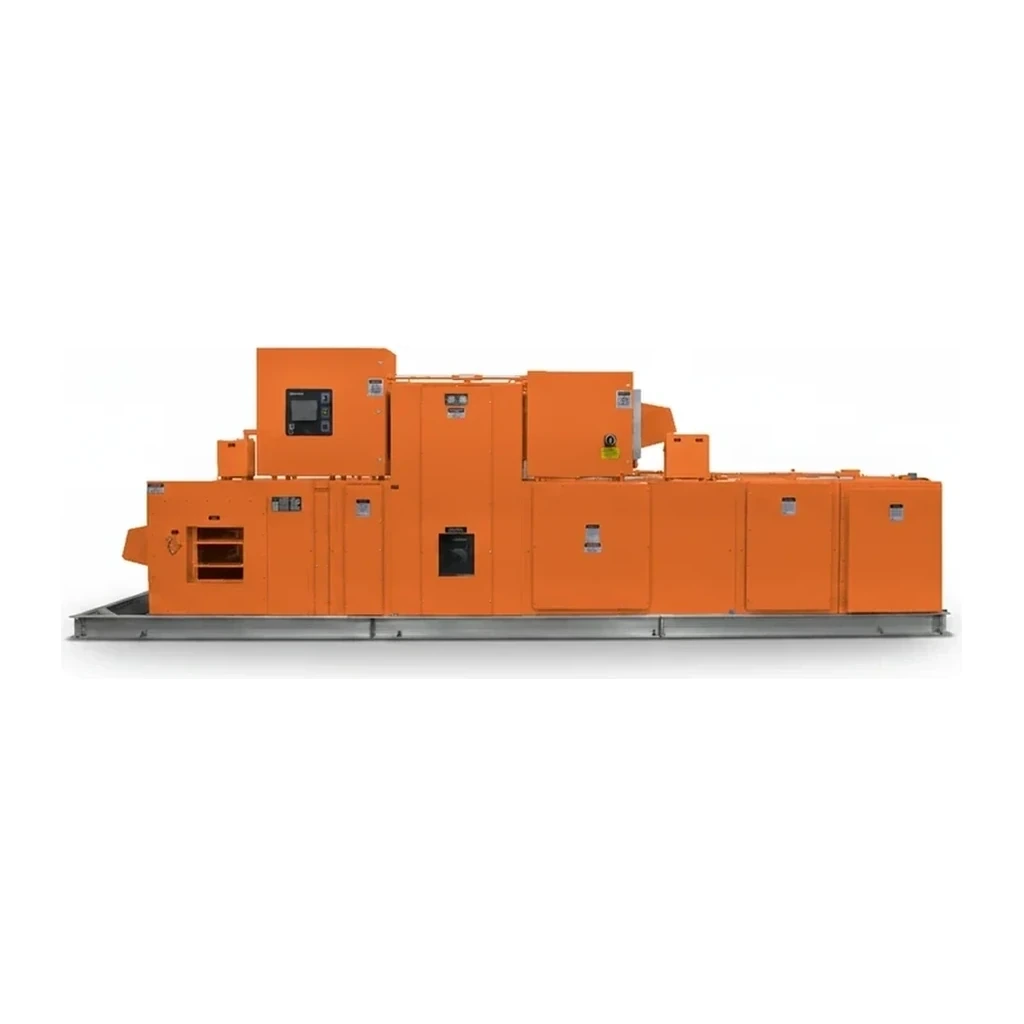
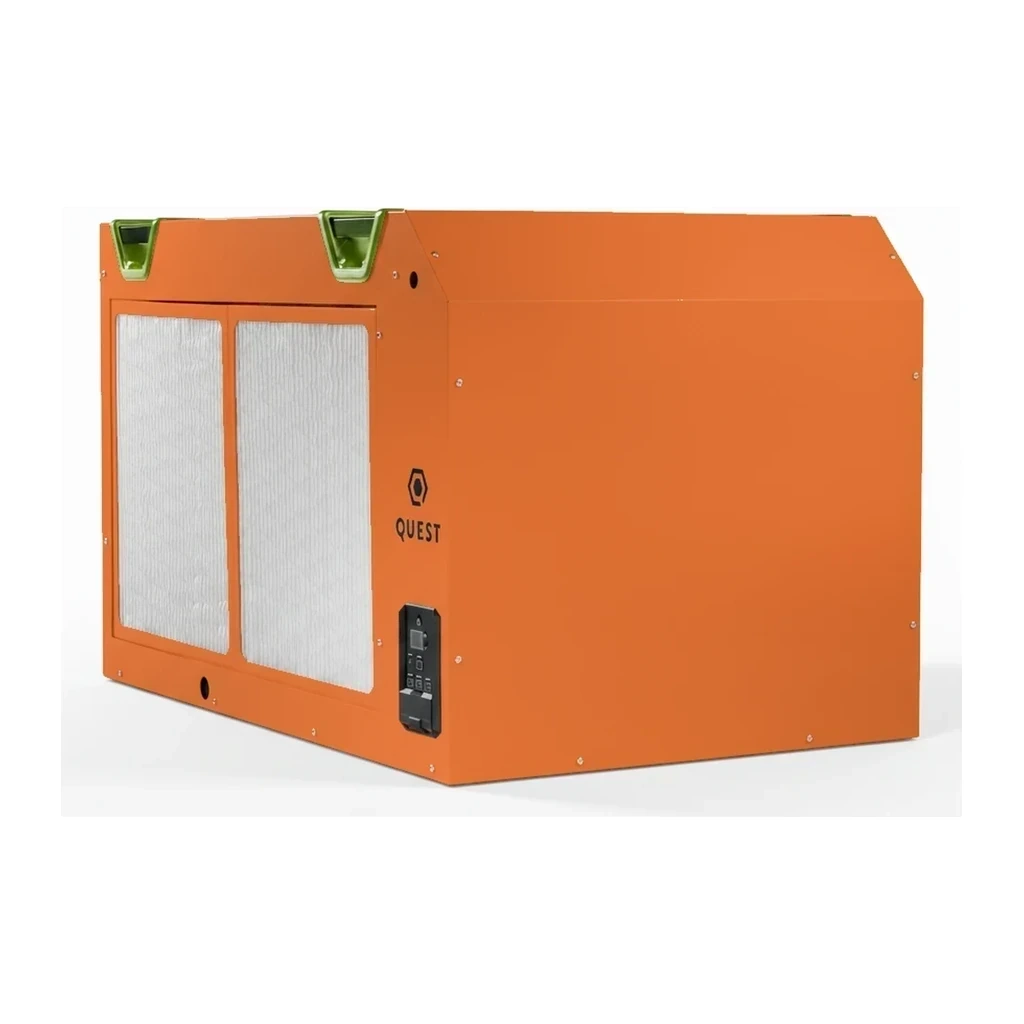
The 600-1,500 cfm desiccant dehumidifier represents the mid-range segment of the desiccant dehumidifier ladder, delivering 600-1400 cfm of conditioned airflow. This size class handles a floor, tank interiors, or structures where refrigerant-based dehumidification fails due to cold ambient temperatures. Quest, Munters, Ebac, and Abatement Technologies manufacture the 21 models tracked in this band.
Cat classes
Choisissez une classe de taille : la capacité et la portée varient selon la gamme.
Spécifications clés
| Spécification | Plage typique | Signification |
|---|---|---|
| Airflow | 600-1400 cfm | Defines drying capacity and the area a single unit can condition in one deployment |
| Desiccant type | Silica gel or molecular sieve rotor | Hygroscopic material rotates through process and regeneration streams to continuously adsorb moisture |
| Operating temperature range | -20°F to 100°F | Desiccant systems function in sub-freezing conditions where refrigerant coils ice over and fail |
Comment choisir
This band suits single-floor drying jobs, confined spaces like tank interiors, or restoration work in unheated buildings where temperatures fall below refrigerant dehumidifier operating limits. For smaller areas or enclosed volumes, the Up to 600 cfm Desiccant Dehumidifier delivers sufficient airflow with lower power consumption. For multi-floor buildings, industrial facilities, or large-scale restoration exceeding the capacity of a single unit in this band, the 1,500-5,000 cfm Desiccant Dehumidifier provides the necessary throughput without staging multiple machines.
Ce que cette taille peut gérer
- Water-damaged commercial floor restoration in winter with no heat
- Tank interior conditioning before coating application in cold climates
- Crawl space moisture control in below-grade spaces with minimal ventilation
- Gymnasium or warehouse flood recovery where refrigerant units freeze
- Historic building envelope drying during cold-weather remediation
- Construction site humidity control for concrete curing in unheated structures
Sécurité et opération
- Regeneration air streams reach temperatures exceeding 300°F; exhaust ducting must route outside occupied zones and remain clear of combustibles
- Process air and reactivation air streams must not cross-contaminate; duct connections must match manufacturer port labeling
- High airflow rates require secure duct connections; unsecured flex-duct can detach under static pressure
- Desiccant dust or particulate may discharge during initial startup; pre-filtration and staged commissioning minimize contamination
Transport et logistique
- Most units in this band arrive on carts or skid-mounted frames with forklift pockets for loading
- Typical weights and cabinet dimensions allow transport in pickup beds, enclosed trailers, or box trucks without specialized rigging
Alimentation
- Electric input typically ranges from 208-480V three-phase for heater elements and blower motors
- Some models offer dual-voltage configurations; regeneration heating draws the majority of electrical load
Questions fréquentes
When does desiccant dehumidification outperform refrigerant systems?
How is airflow in cfm related to moisture removal capacity?
Can a unit in this band replace two smaller desiccant dehumidifiers?
Équipements connexes
Parcourir par fabricant
Sources
Chaque spécification est vérifiée par rapport aux données publiées par le fabricant, avec la source liée pour référence.
600-1,500 cfm Desiccant Dehumidifier
19 modèles · Chaque spécification citée à la source