

Snow
Fonctionnement
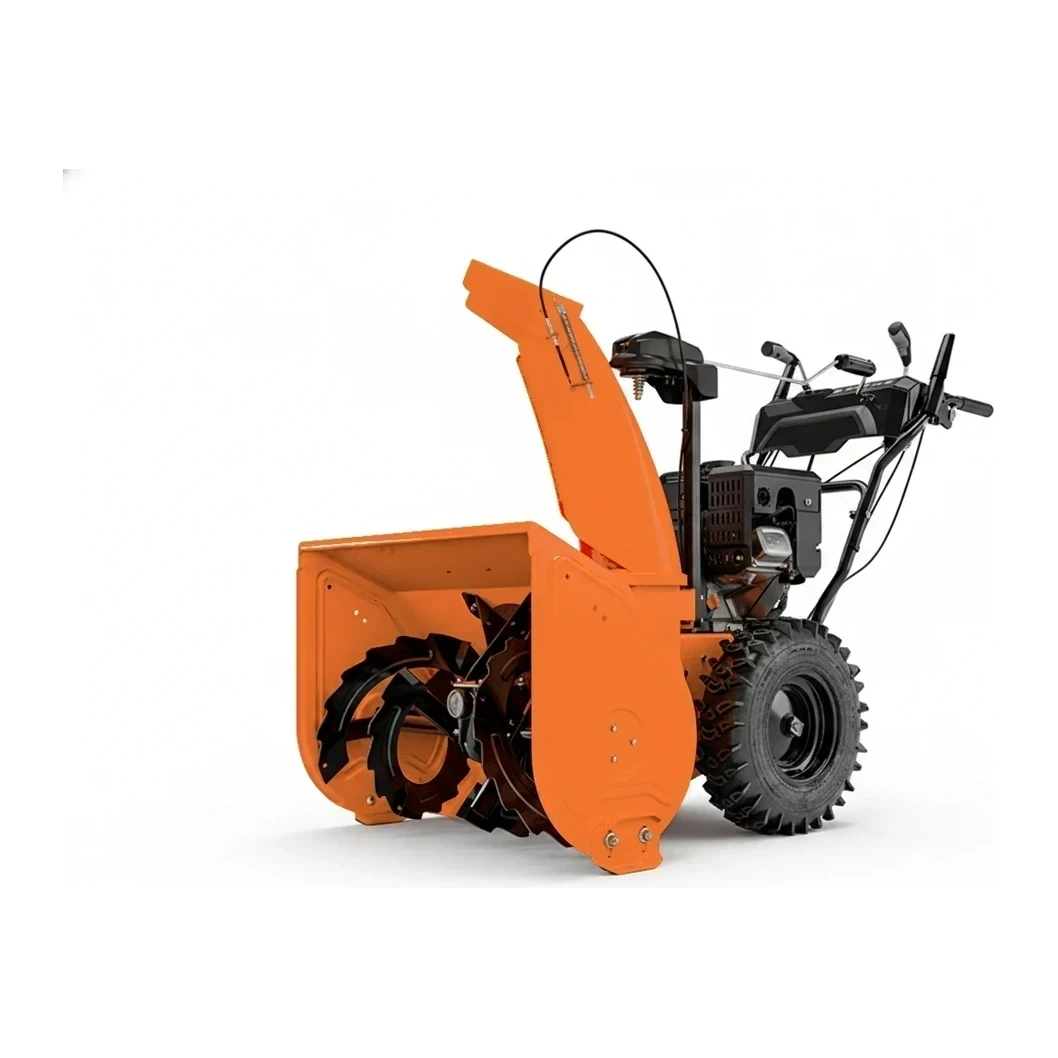
Snow removal equipment operates by mechanically gathering, breaking up, and displacing snow through powered auger and impeller systems. Walk-behind units feature rotating augers that collect snow from the ground surface and feed it into a high-speed impeller, which then discharges the snow through an adjustable chute. Machines are typically self-propelled with variable speed controls, allowing operators to walk behind while steering and controlling discharge direction. Power sources include gasoline engines, electric motors, and battery systems, with clearing widths ranging from compact residential models to heavy-duty commercial units capable of handling substantial snowfall depths.
Types et variantes
- Walk-Behind Snow Blower
- Self-propelled or push-operated machines with auger and impeller systems for clearing snow from surfaces, available in single-stage, two-stage, and three-stage configurations with varying clearing widths and engine power ratings
Normes et certifications
- ANSI/OPEI · B71.3
- Safety specifications for commercial turf care equipment including snow throwers
- CSA · B352
- Canadian standard for snowblower safety covering construction and performance requirements
Questions fréquentes
What is the difference between single-stage and two-stage snow blowers?
Single-stage snow blowers use one auger that both gathers and throws snow, with the auger contacting the ground surface, making them suitable for light to moderate snowfall on paved surfaces. Two-stage models use a separate auger to gather snow and an impeller to discharge it, with adjustable skid shoes that prevent ground contact, allowing them to handle deeper snow, heavier accumulations, and gravel surfaces more effectively.
How are snow blowers sized and classified in the industry?
Snow blowers are classified by clearing width, engine power (measured in horsepower or cubic centimeters for gas models, or voltage and amperage for electric), intake height (the maximum snow depth the machine can handle), and number of stages. Commercial-grade units are distinguished from residential models by construction quality, duty cycle ratings, and available features such as heated handles, power steering, and differential axles.
What maintenance considerations apply to snow removal equipment?
Snow blowers require seasonal preparation including oil changes, spark plug inspection, fuel system stabilization for storage, and auger and impeller bearing lubrication. Shear pins or shear bolts serve as sacrificial safety components that must be inspected and replaced when broken. Skid shoes and scraper bars require periodic adjustment and replacement as they wear. Electric-start models need battery maintenance, and all machines benefit from post-season cleaning to prevent corrosion from salt and moisture exposure.
What factors determine appropriate snow blower selection for different applications?
Selection depends on typical snowfall depth and frequency, surface area to be cleared, surface type (paved versus gravel), storage constraints, and operator physical capability. Light-duty residential applications with occasional snowfall typically use single-stage models, while regions with frequent heavy snowfall or commercial applications require two-stage or three-stage units with larger engines and clearing widths. Gravel surfaces necessitate two-stage models with adjustable skid shoes to prevent surface damage.