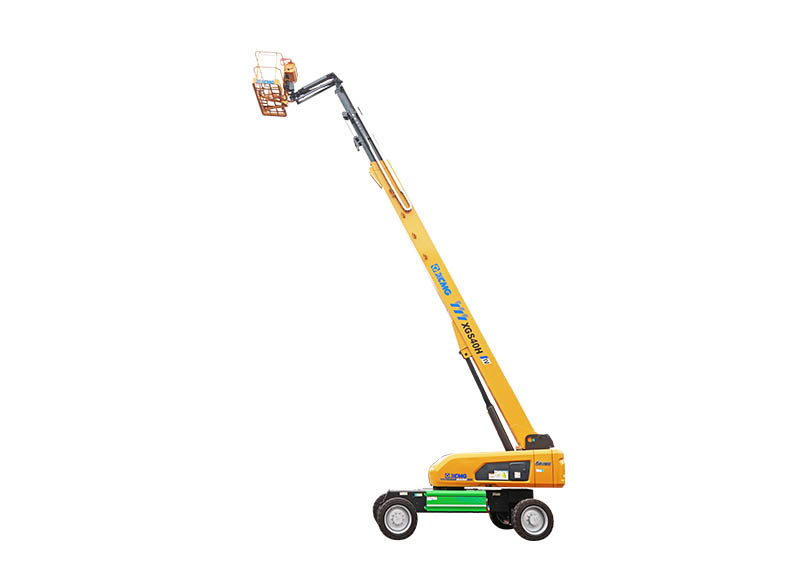
100-135 ft Articulating Boom Lift
The 100-135 ft articulating boom lift class represents the tallest commonly available self-propelled aerial platforms, designed for industrial plant maintenance, high steel erection, and utility work where crane access is impractical. These machines weigh 18,600-21,000 kg and deliver working heights from 31.8 to 131.9 ft, placing them above the 80-100 ft Articulating Boom Lift and below the ultra-high-reach 135+ ft Articulating Boom Lift specialty equipment. Operating at this scale demands heavy transport, robust ground conditions, and careful jobsite planning.
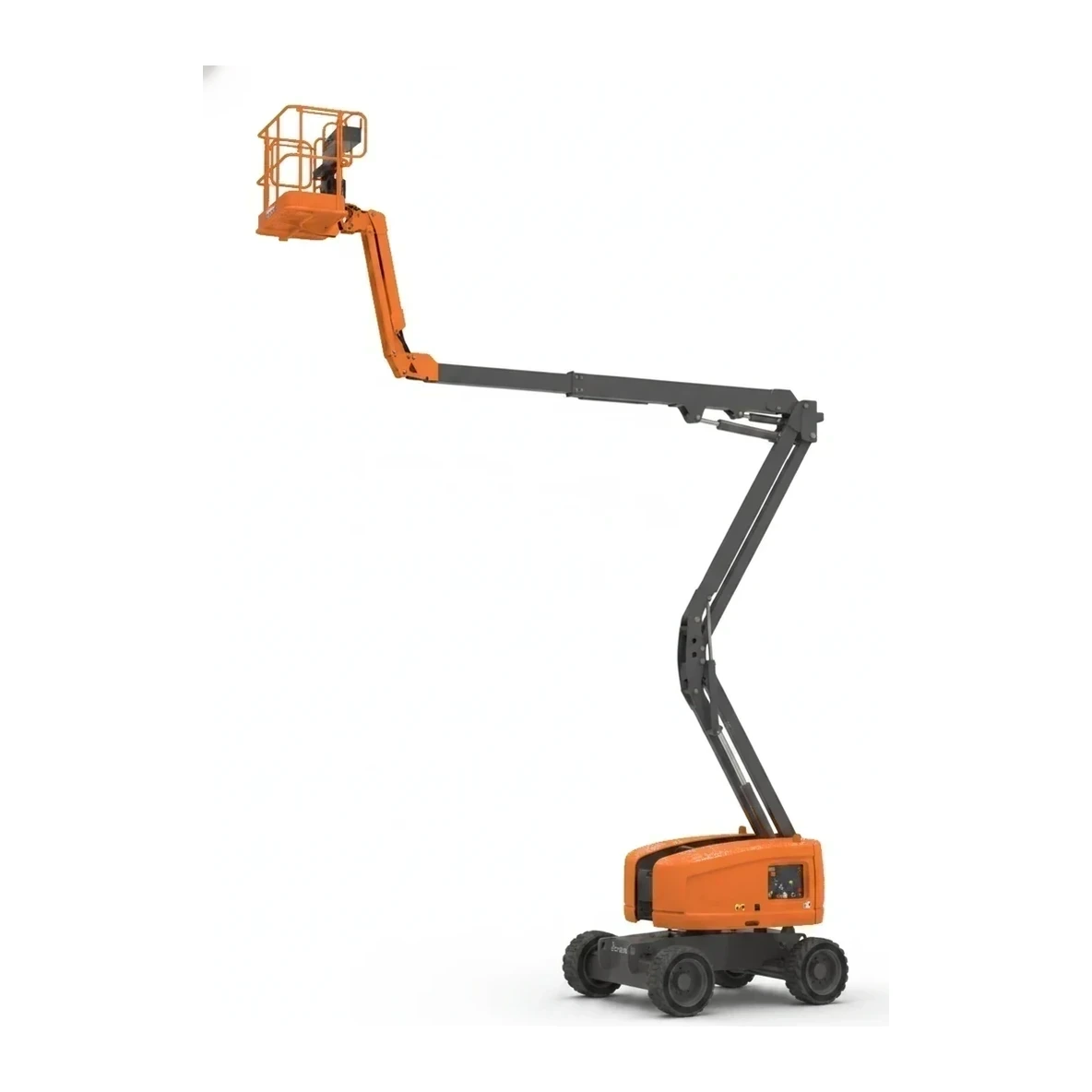
Cat classes
Choisissez une classe de taille : la capacité et la portée varient selon la gamme.
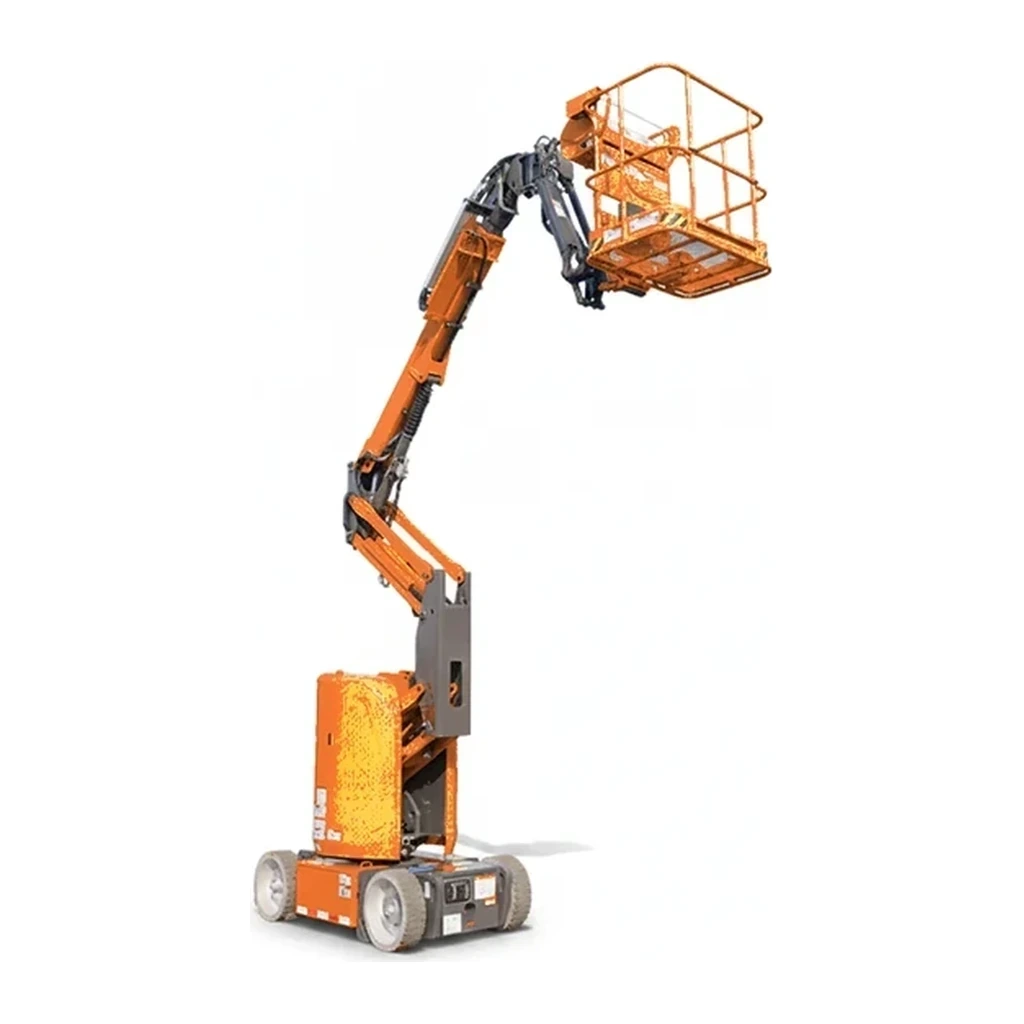
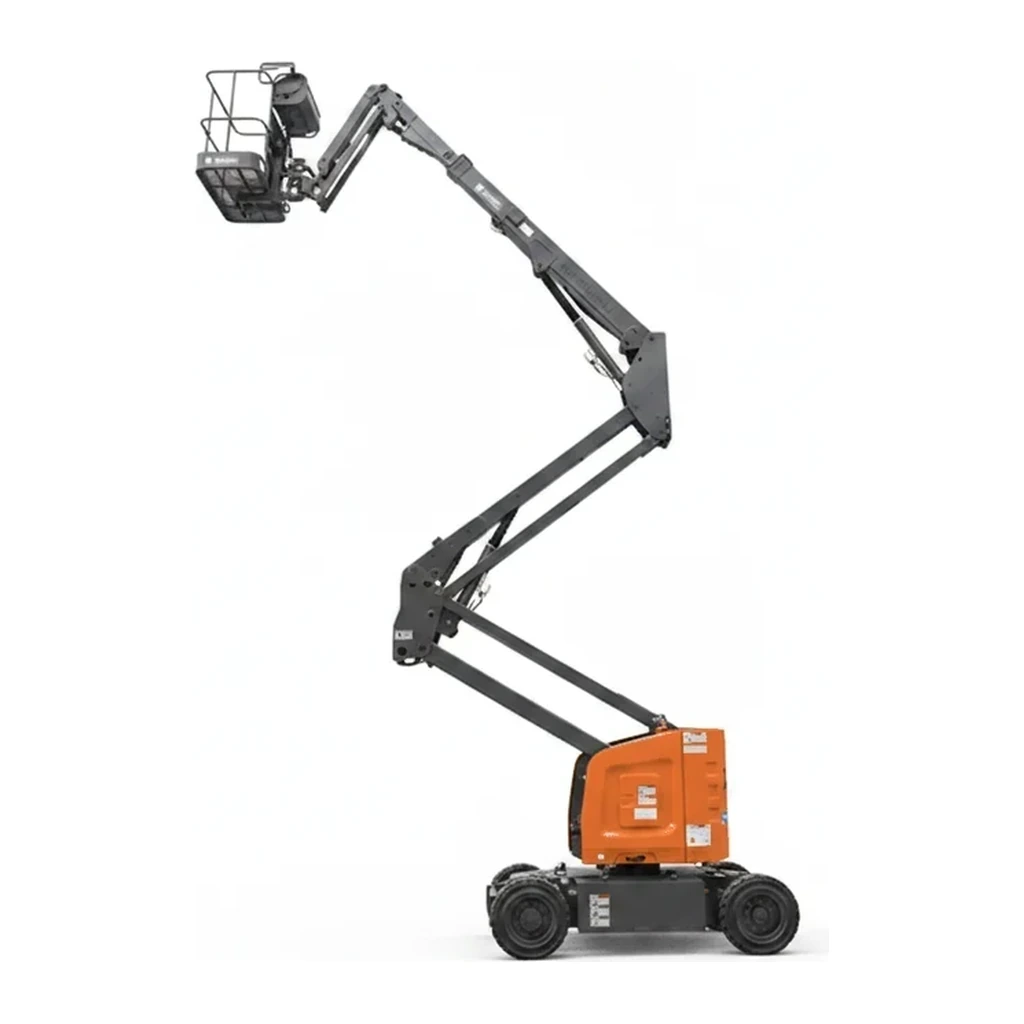
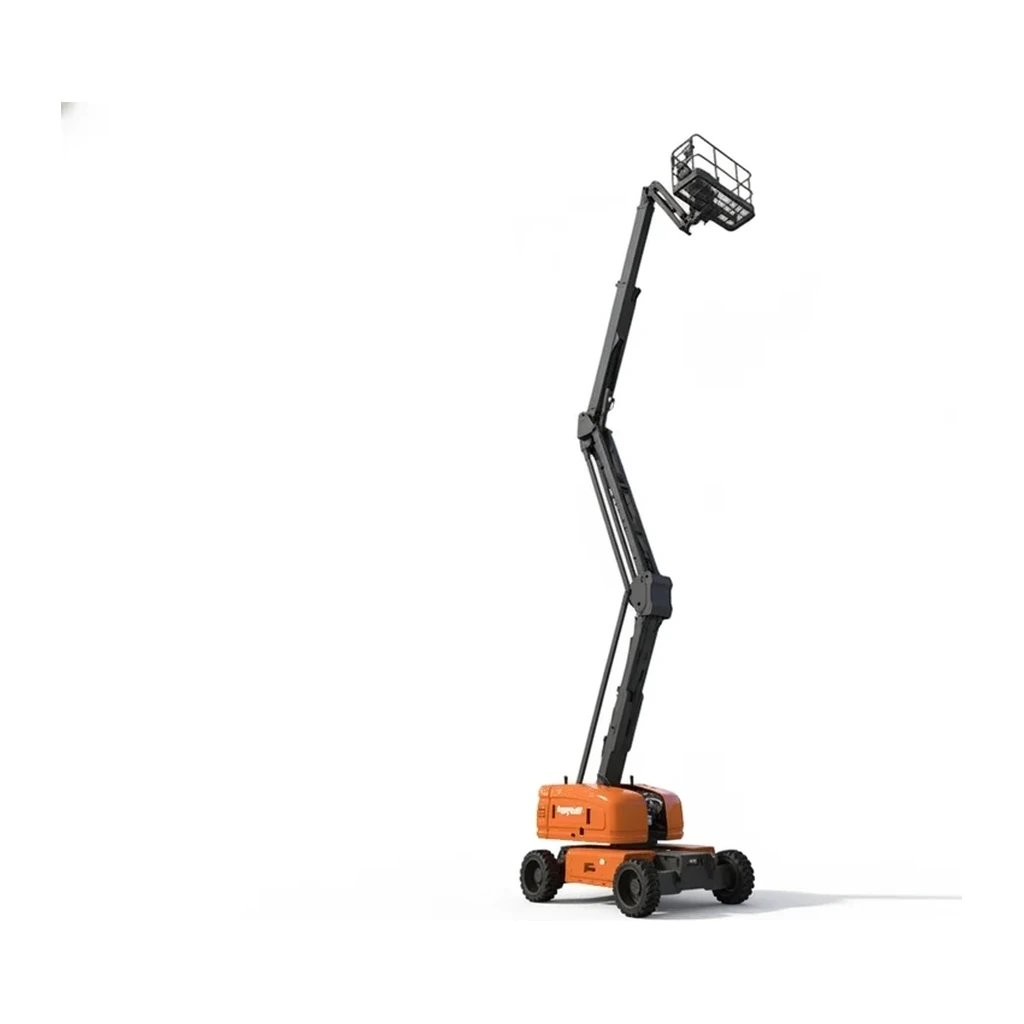
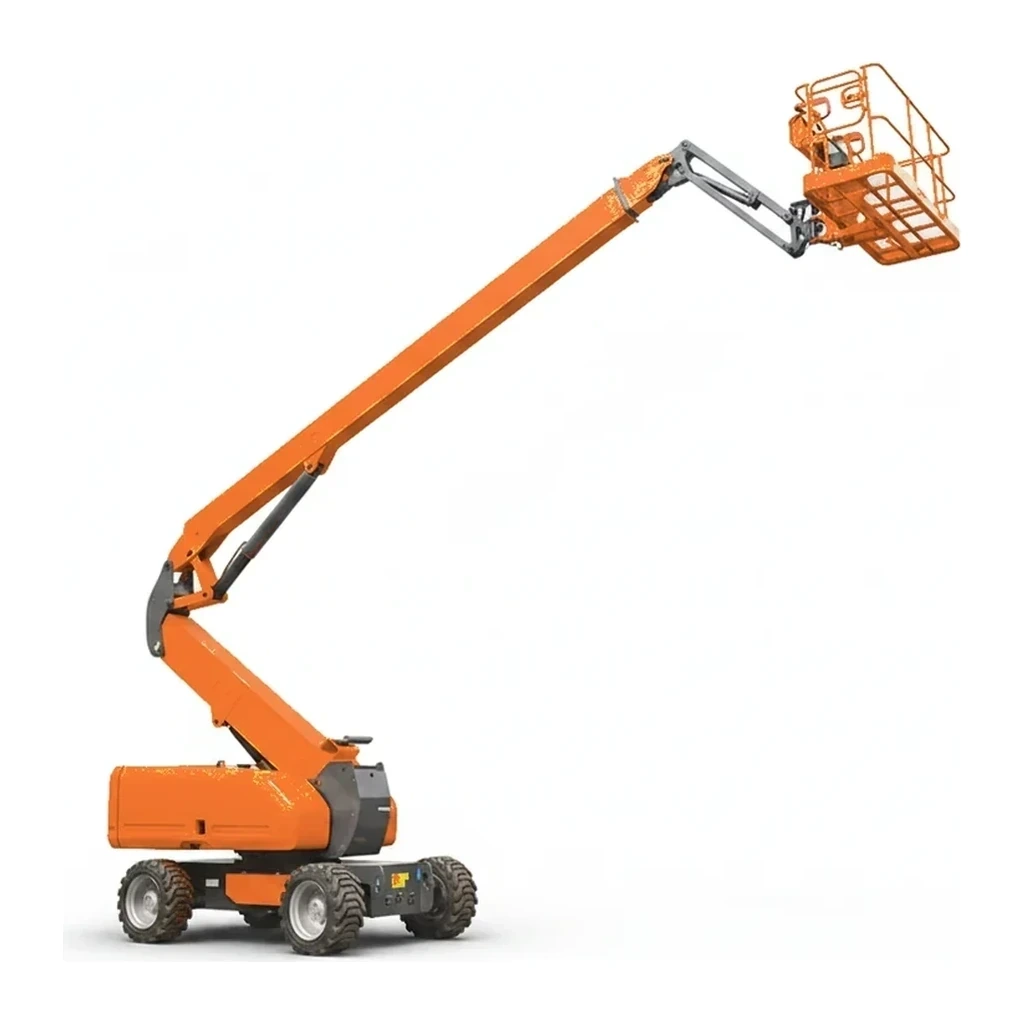
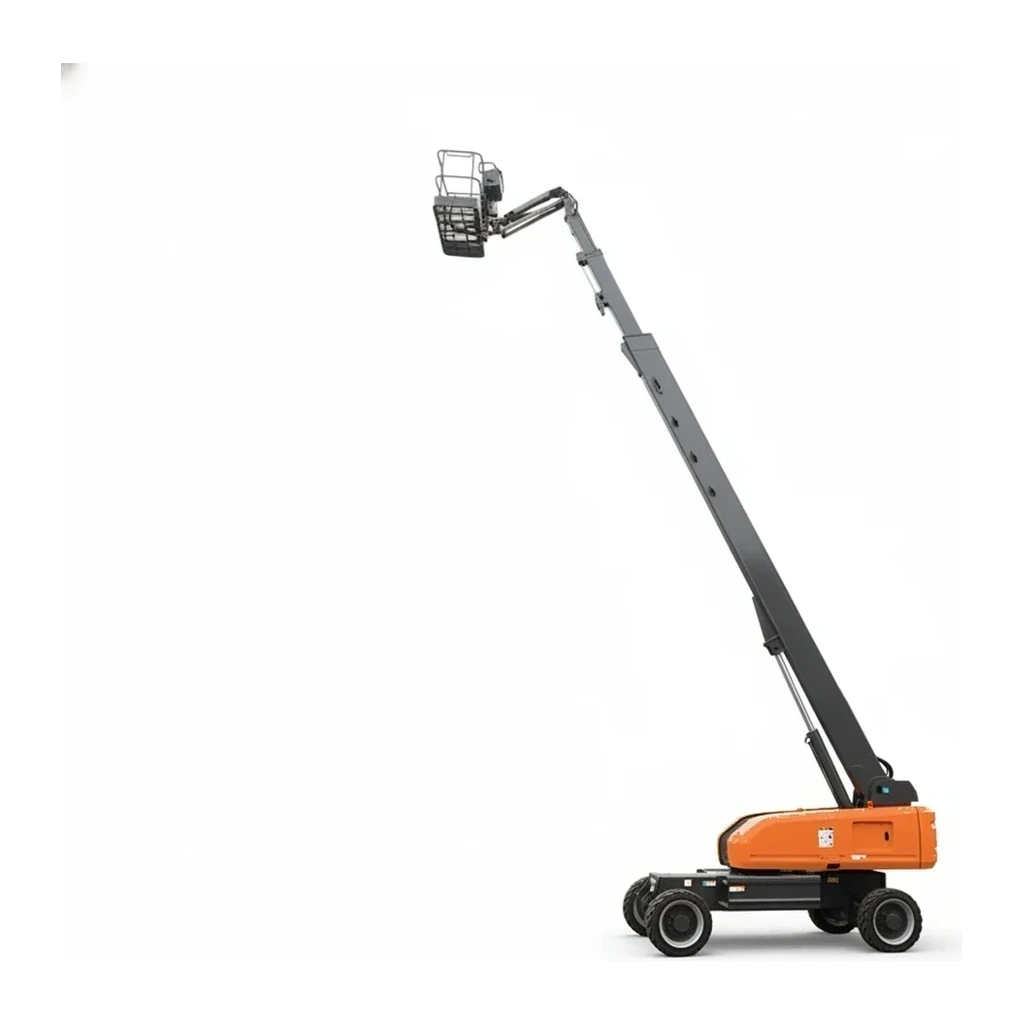
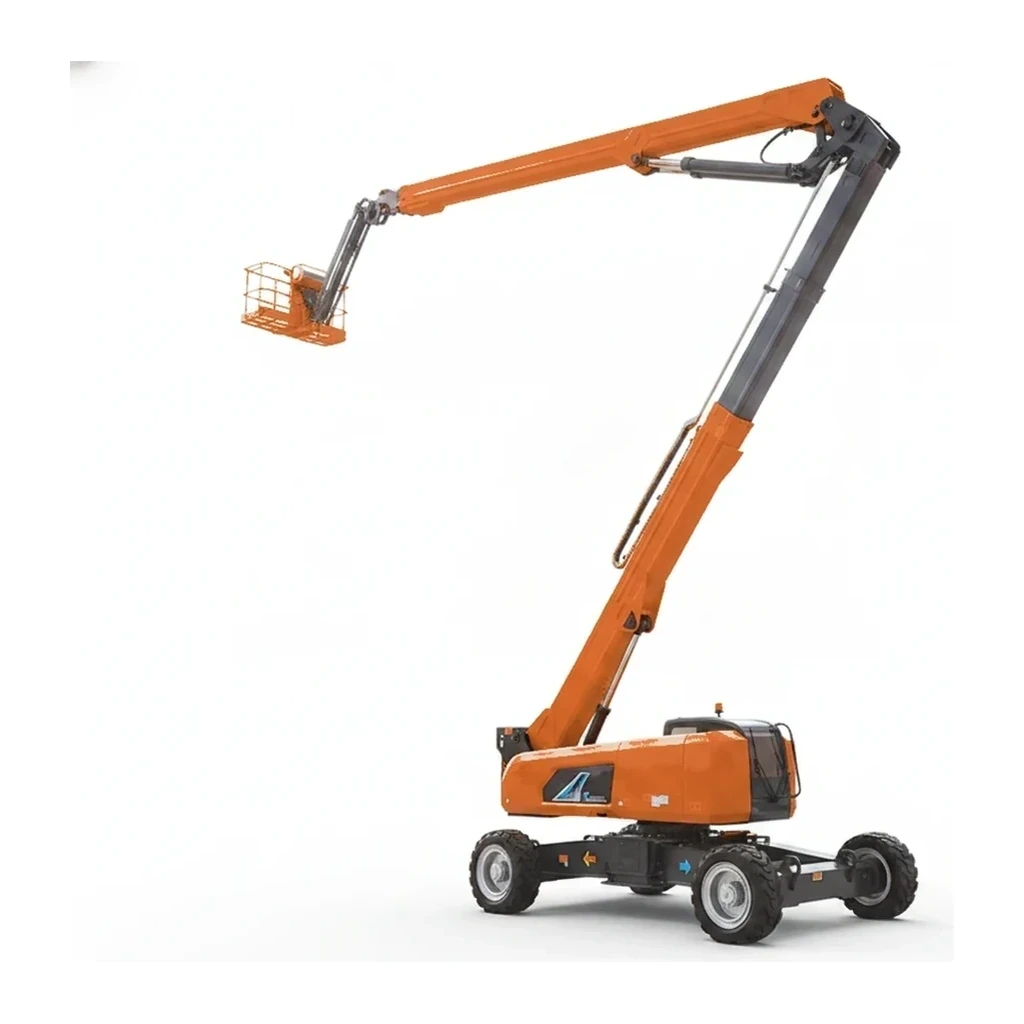
Spécifications clés
| Spécification | Plage typique | Signification |
|---|---|---|
| Working height | 31.8–132 ft (9.7–40.2 m) | Defines maximum platform elevation; determines clearance for steel, bridge, and stack work. |
| Platform capacity | 551–1,001 lb (250–454 kg) | Sets the combined weight limit for operators, tools, and materials on the platform. |
| Operating weight | 41,006–46,297 lb (18,600–21,000 kg) | Governs trailer requirements, ground-bearing capacity, and transport permits. |
| Max reach | 22.3–24.4 ft (6.8–7.4 m) | Horizontal extension from the turret center to the platform at maximum height. |
| Fuel tank capacity | 117-240 L | Diesel capacity for multi-shift operation; larger tanks reduce refueling interruptions. |
Comment choisir
The 100-135 ft band suits high steel fabrication, petrochemical plant maintenance, and utility infrastructure work where working heights exceed those of the 80-100 ft Articulating Boom Lift and crane positioning is constrained by obstructions or site layout. Projects requiring platform heights within the 80-100 ft range are more efficiently served by that class, which offers similar reach with lower transport and mobilization costs. For specialized applications demanding heights beyond 135 ft, such as cooling tower access or tall bridge work, the 135+ ft Articulating Boom Lift class provides the necessary vertical reach, though availability is limited and logistical complexity increases substantially.
Ce que cette taille peut gérer
- Steel erection and welding on multi-story industrial frames above 90 ft
- Petrochemical plant pipe rack maintenance and instrumentation access at elevation
- Bridge inspection and repair where cranes cannot position due to traffic or clearance
- Façade work on tall commercial structures in congested urban sites
- High-mast lighting installation and service on highways and large facilities
- Stack and flare maintenance in refineries and power generation plants
Sécurité et opération
- Ground-bearing pressure and stability calculations mandatory; outriggers or stabilizers often required on uneven terrain
- Wind speed monitoring critical above 80 ft; many sites impose operational limits at 20-25 mph sustained wind
- Fall protection, harnesses, and lanyards required for platform occupants per ANSI A92.20 and CSA B354.6 standards
- Two-person communication protocols and spotter coordination essential due to limited sightlines at extreme height
Transport et logistique
- Requires heavy-duty lowboy or multi-axle trailer rated for 21,000+ kg; most units exceed 40 ft transport length
- Oversize permits and escort vehicles typically required; route surveys necessary for overhead clearances and bridge ratings
- Loading and unloading demand stable ground and experienced rigging or drive-on/drive-off capability
Alimentation
- Diesel engines in the 55-56 hp range provide hydraulic power for boom articulation, drive, and turret rotation
- Fuel tanks hold 117-240 L, supporting 8-16 hours of operation depending on duty cycle and terrain
- Tier 4 Final or Stage V emissions compliance standard on newer models; older units may face site access restrictions
Questions fréquentes
What working height distinguishes the 100-135 ft class from the 80-100 ft Articulating Boom Lift?
What transport considerations apply to machines in this weight range?
How does platform capacity affect work planning at extreme heights?
Comparer les modèles populaires
Chercher par spécification →Normalisé aux mêmes unités. Un tiret signifie que la valeur n'a pas été publiée.
| Modèle | Hauteur de travail | Capacité de plateforme |
|---|---|---|
| JLG 1250AJP | 126 ft (38.3 m) | - |
| Haulotte HA32 RTJ PRO | - | 551 lb (250 kg) |
| Genie 105 | 111 ft (33.8 m) | - |
| Genie 125 | 132 ft (40.1 m) | - |
| Genie S-120HD | 127 ft (38.6 m) | - |
| Genie S120 | 127 ft (38.6 m) | - |
Équipements connexes
Parcourir par fabricant
Sources
Chaque spécification est vérifiée par rapport aux données publiées par le fabricant, avec la source liée pour référence.
100-135 ft Articulating Boom Lift
10 modèles · Chaque spécification citée à la source