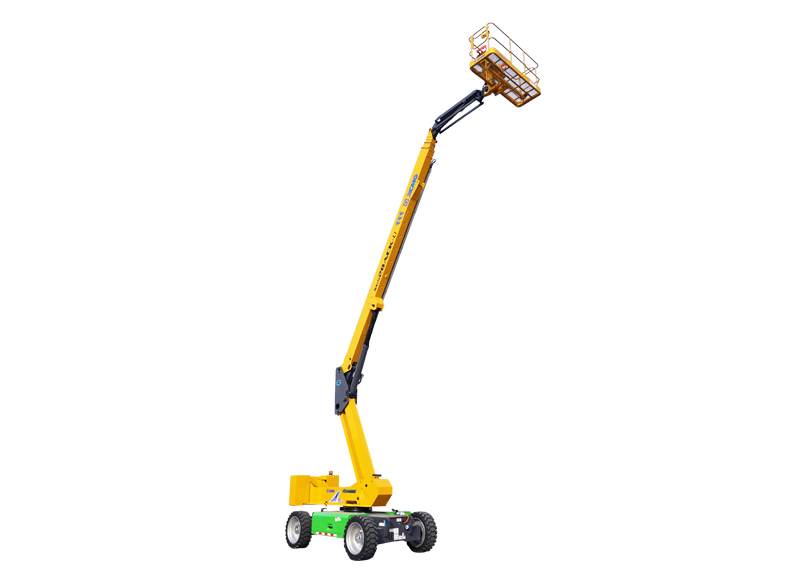
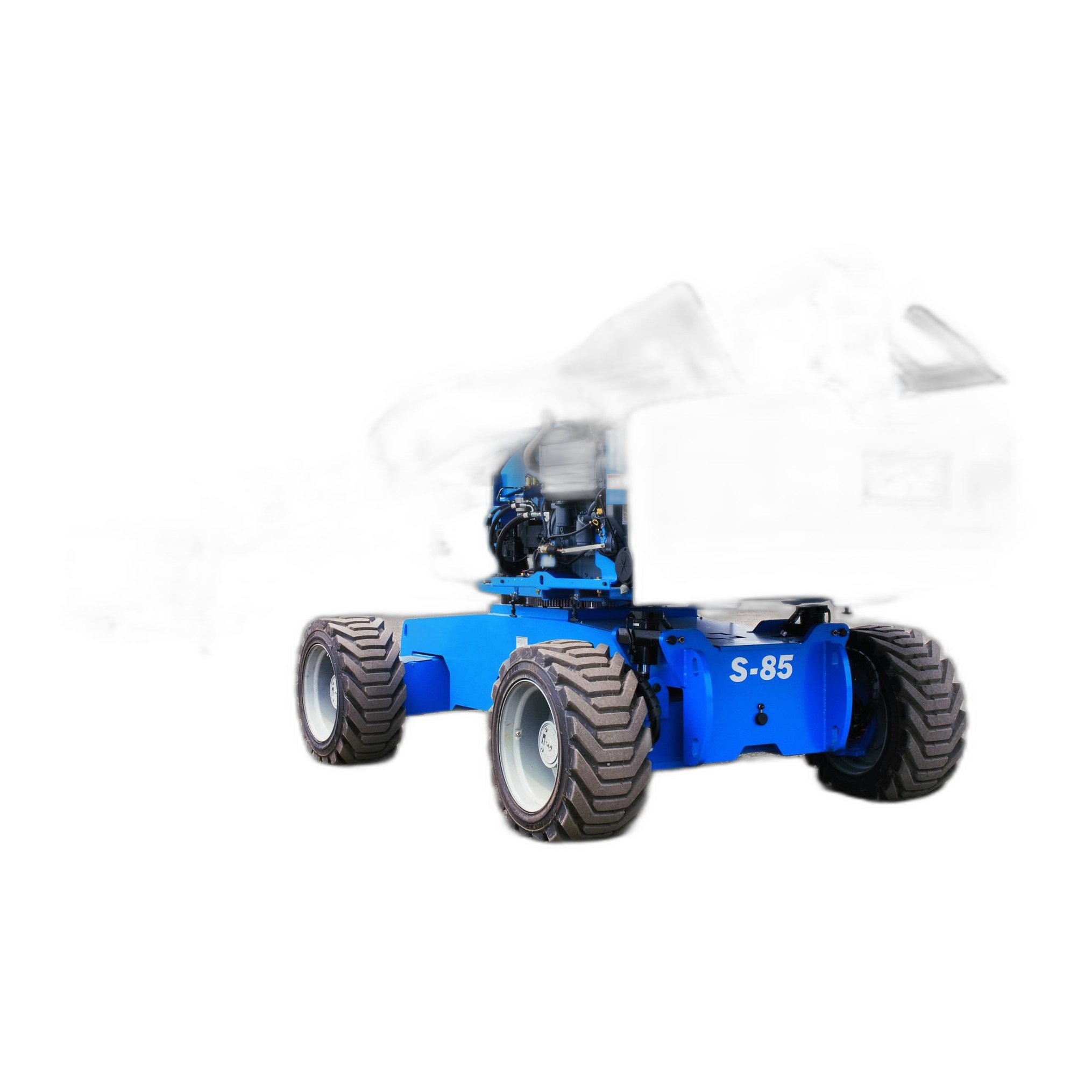
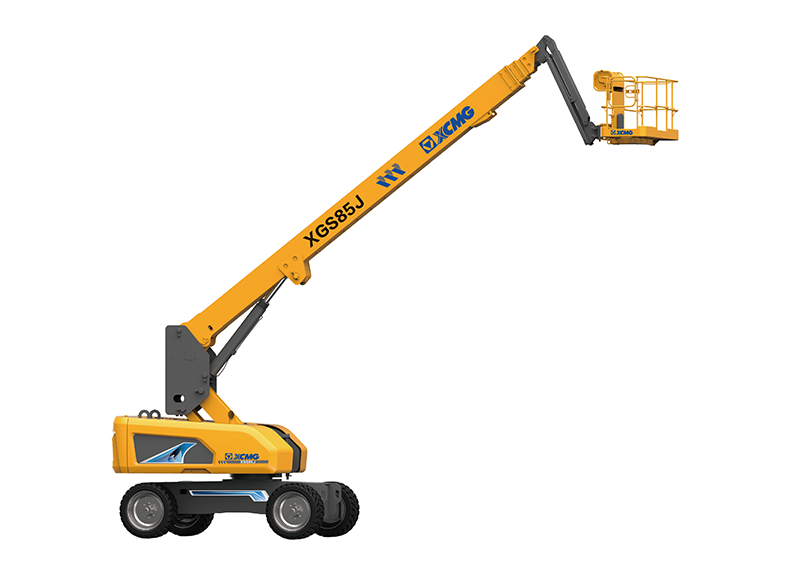
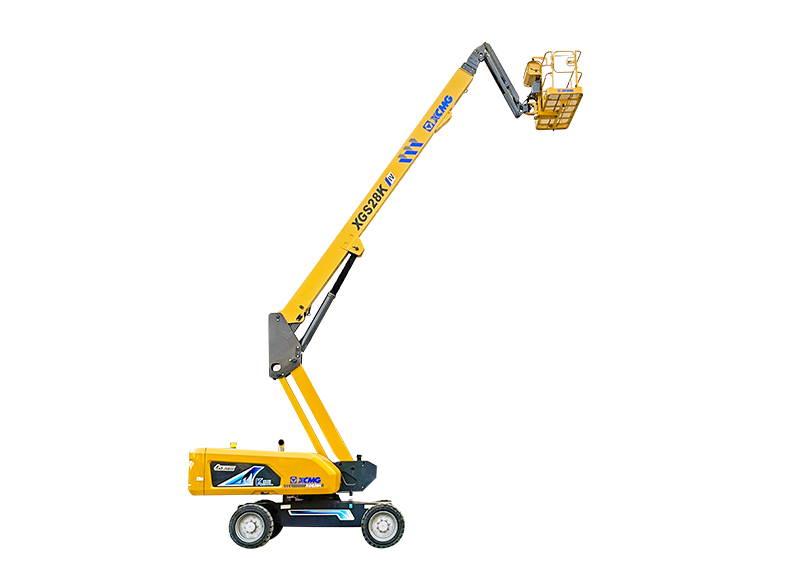
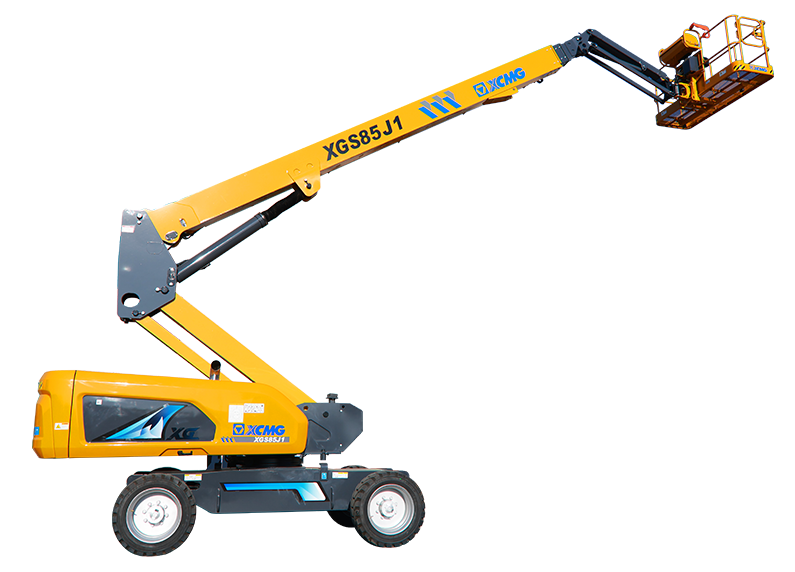
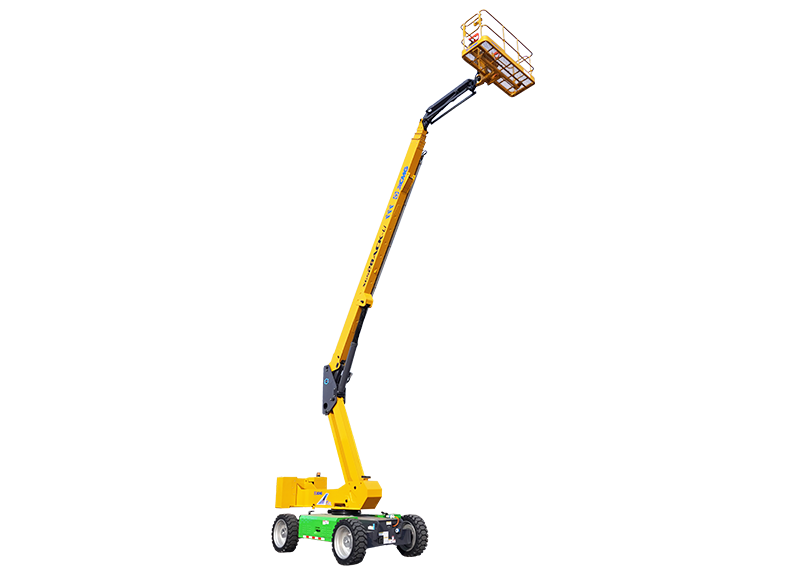
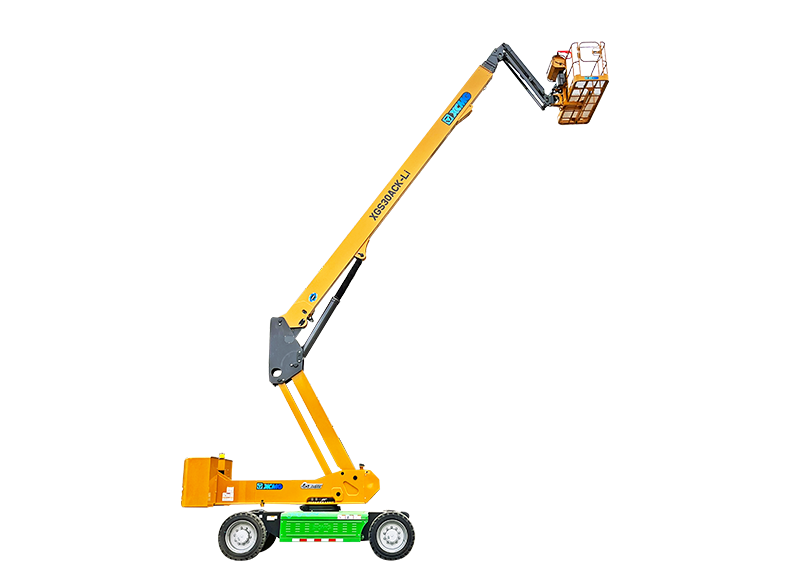
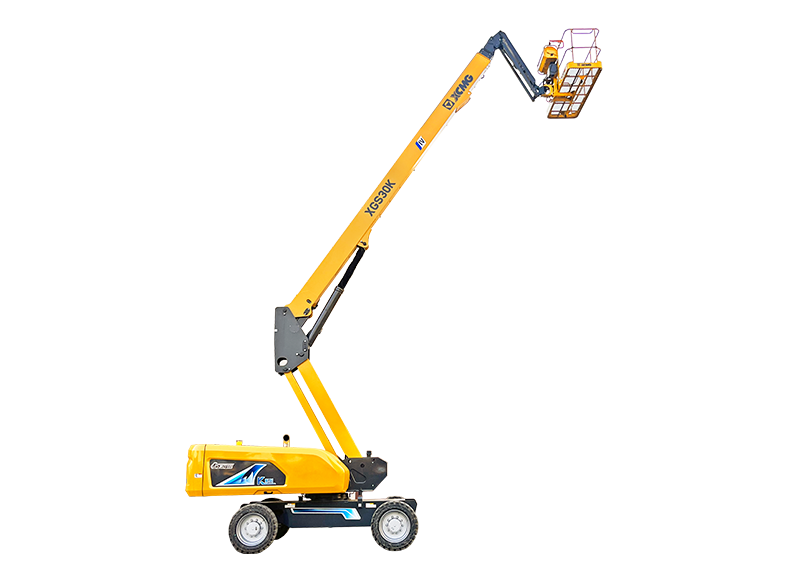
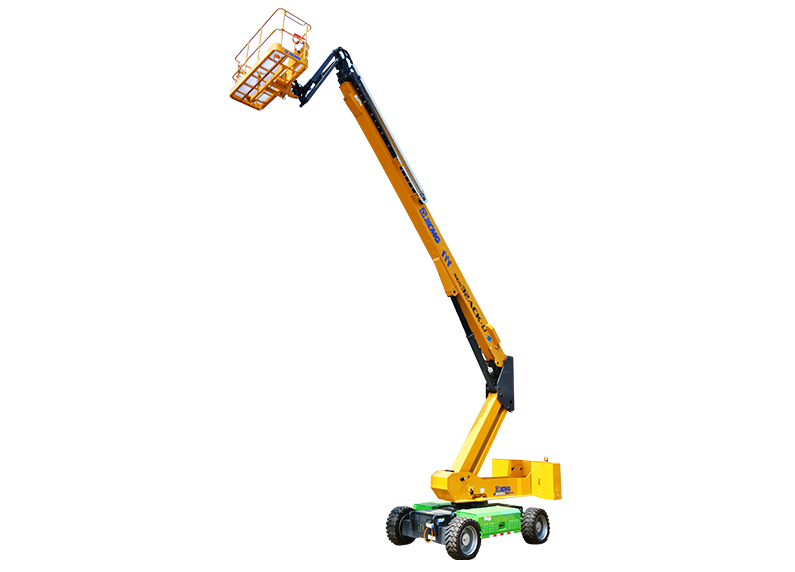
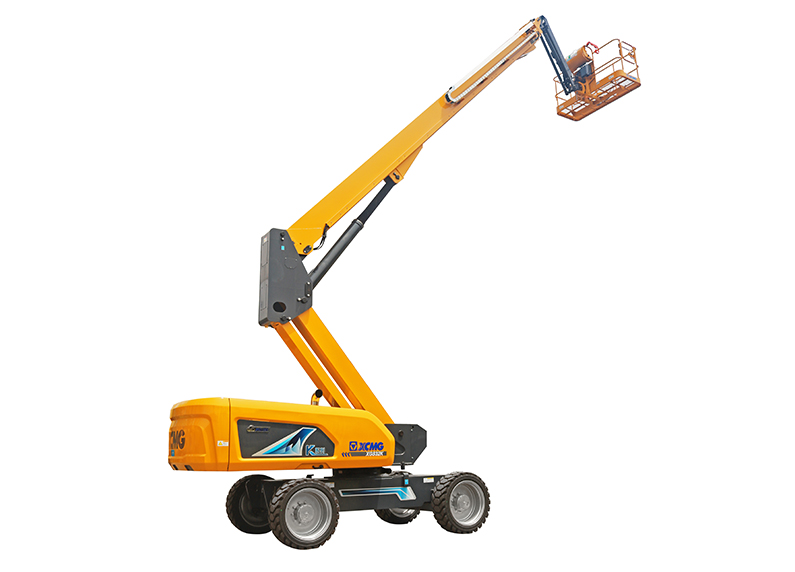
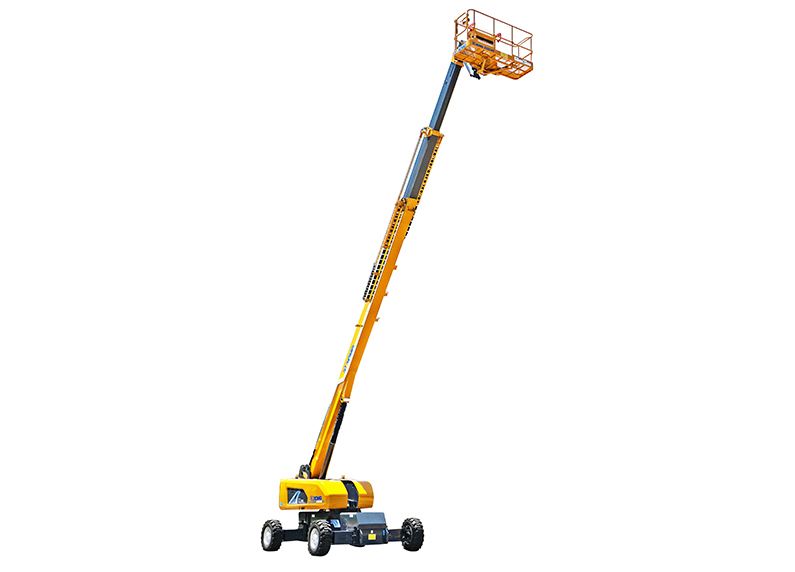
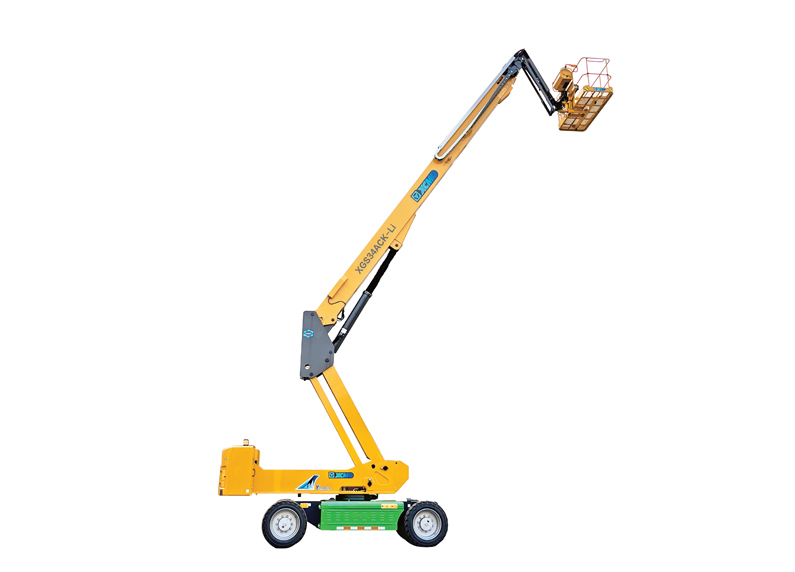
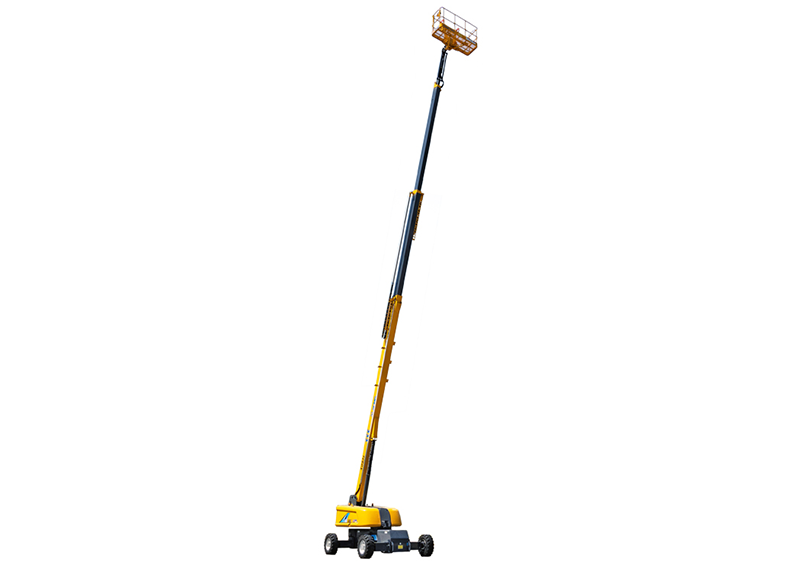
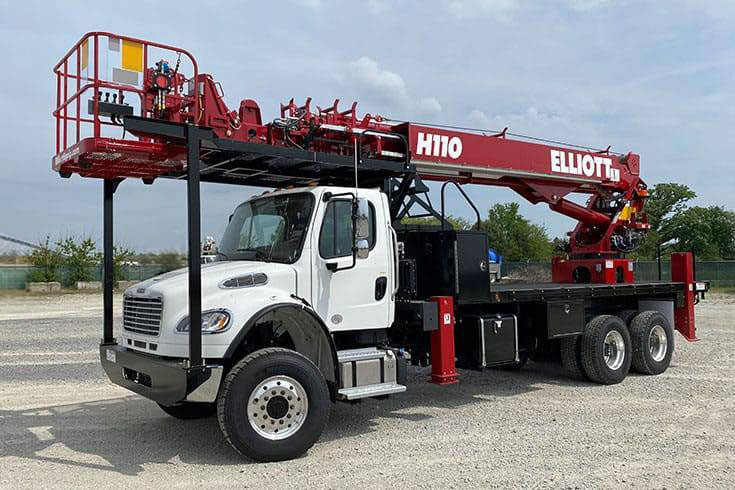
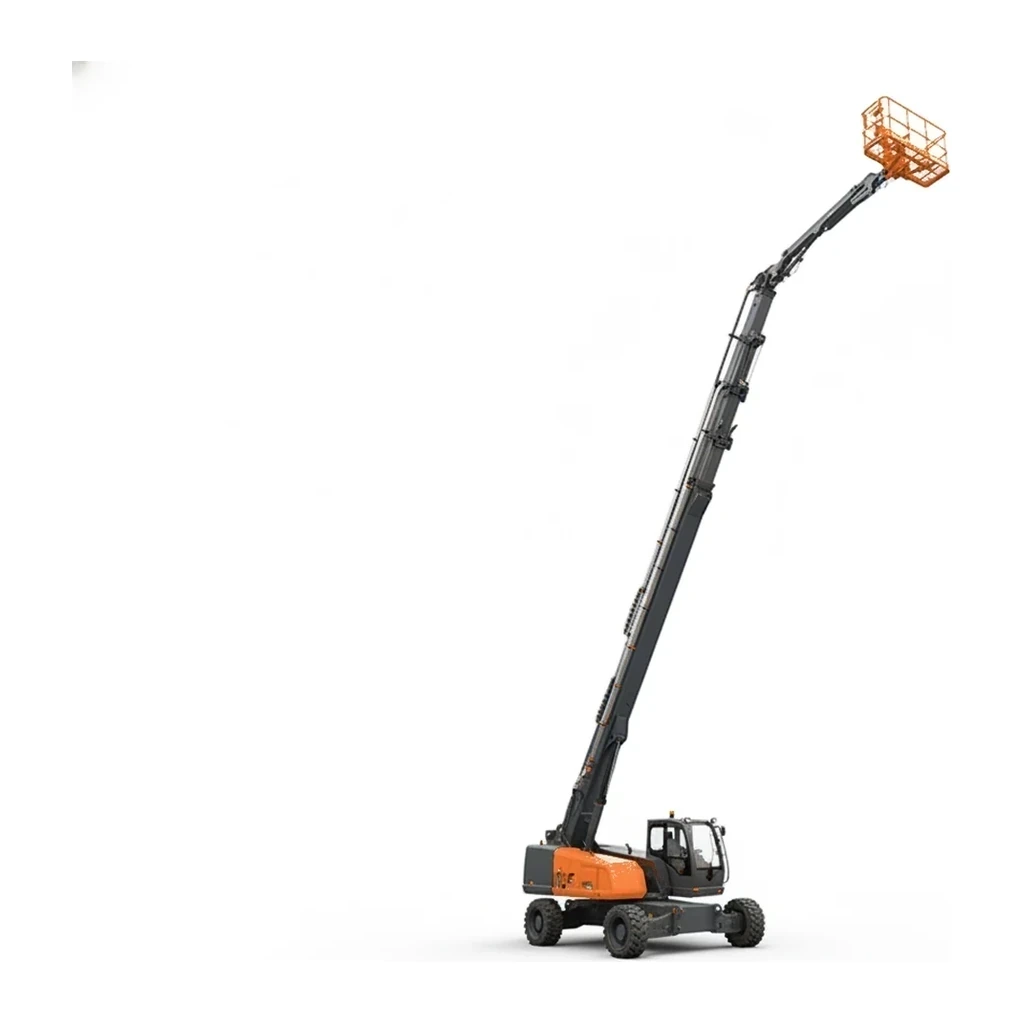
90-130 ft Telescopic Boom Lift
The 90-130 ft telescopic boom lift class provides working heights from 27.9 to 126 ft, with horizontal reach extending 22.1 to 62 ft. These machines are engineered for high steel erection, bridge construction, and tall industrial structures where work occurs 100-120 ft above grade. This size class sits above the 70-90 ft Telescopic Boom Lift and below the 130-160 ft Telescopic Boom Lift in the telescopic boom range.
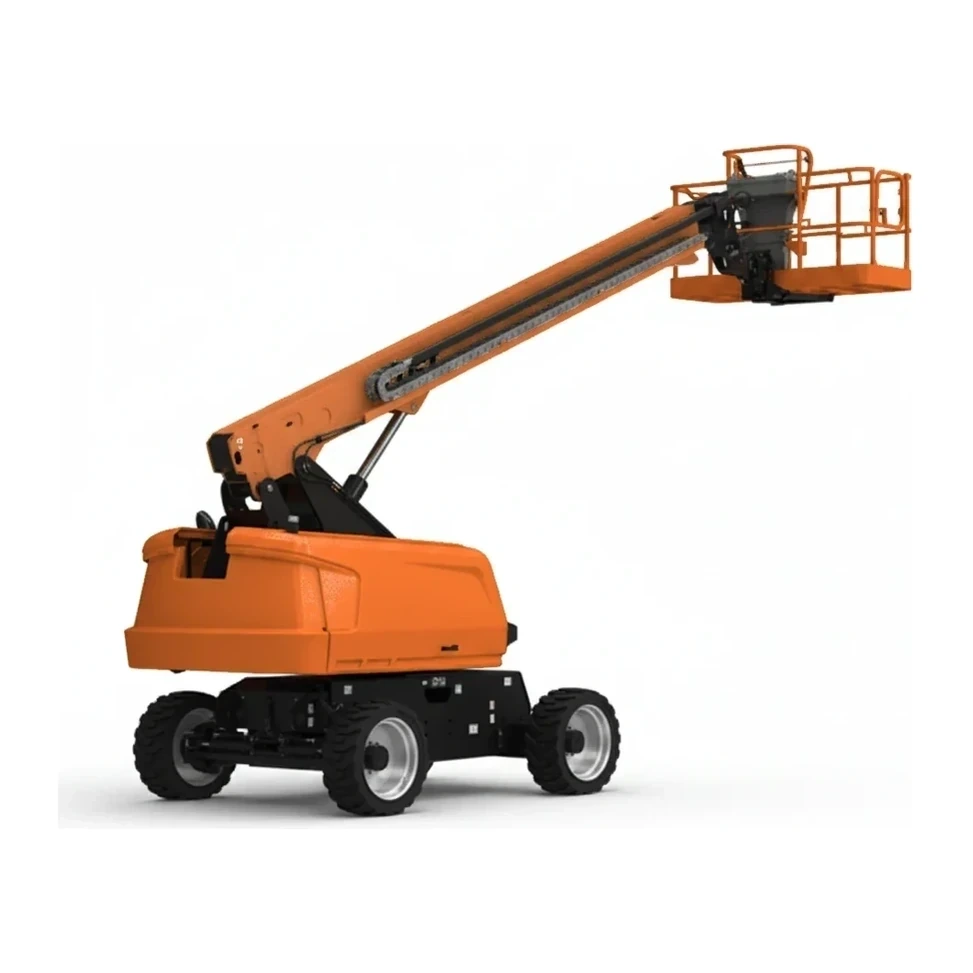
Cat classes
Choisissez une classe de taille : la capacité et la portée varient selon la gamme.
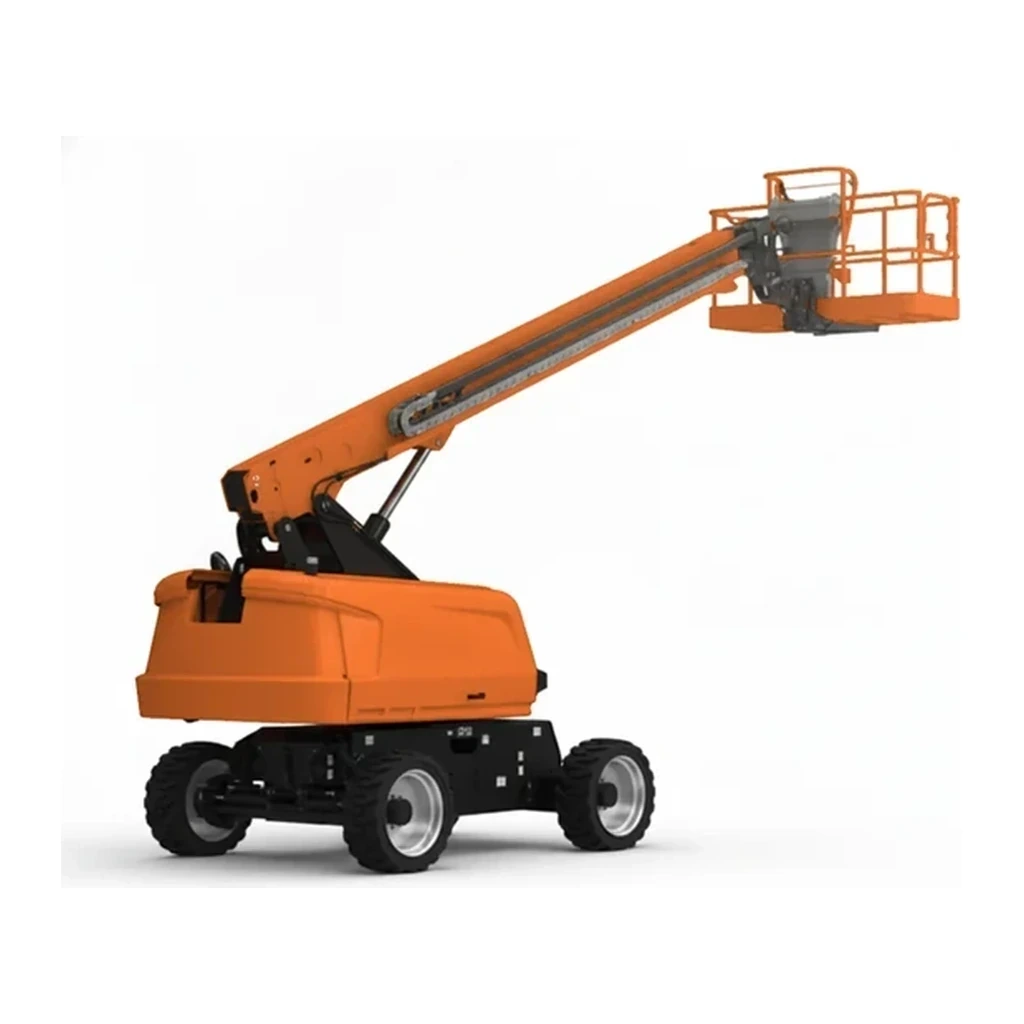
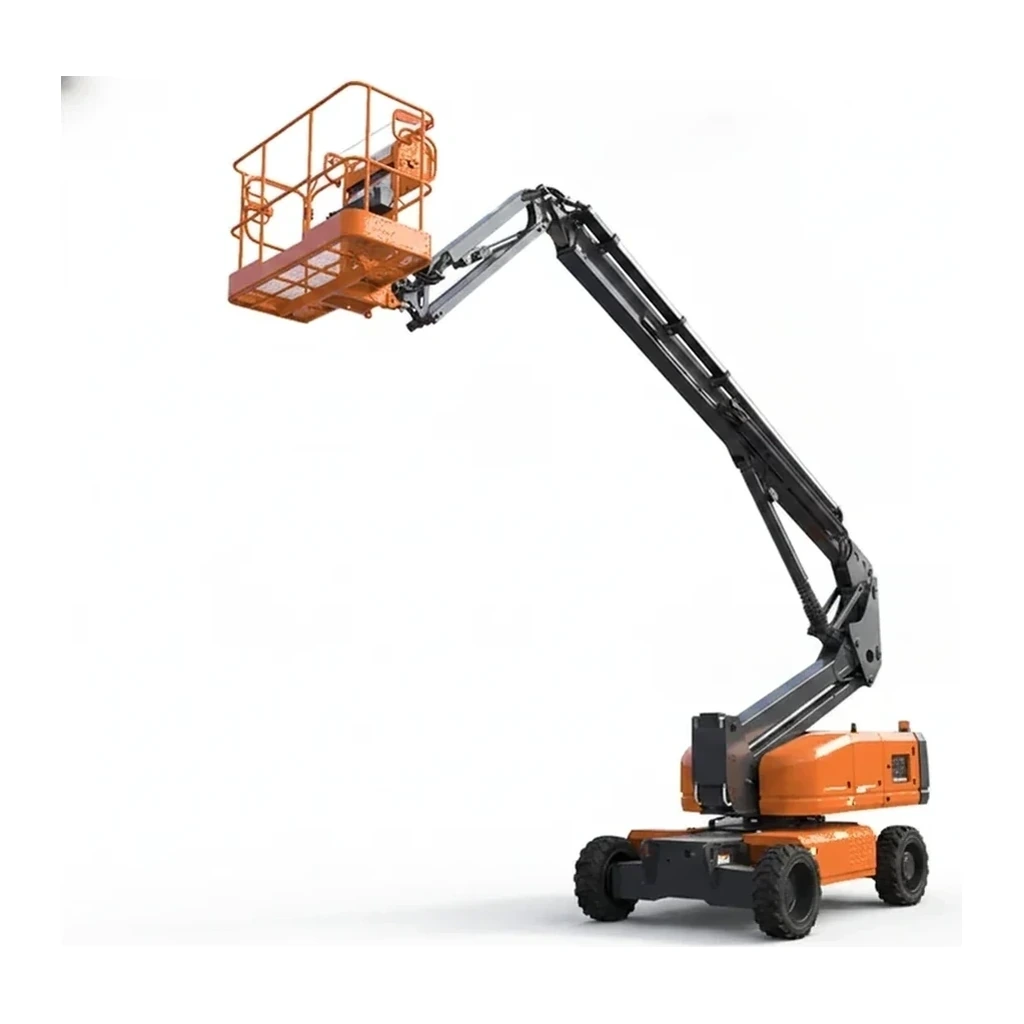
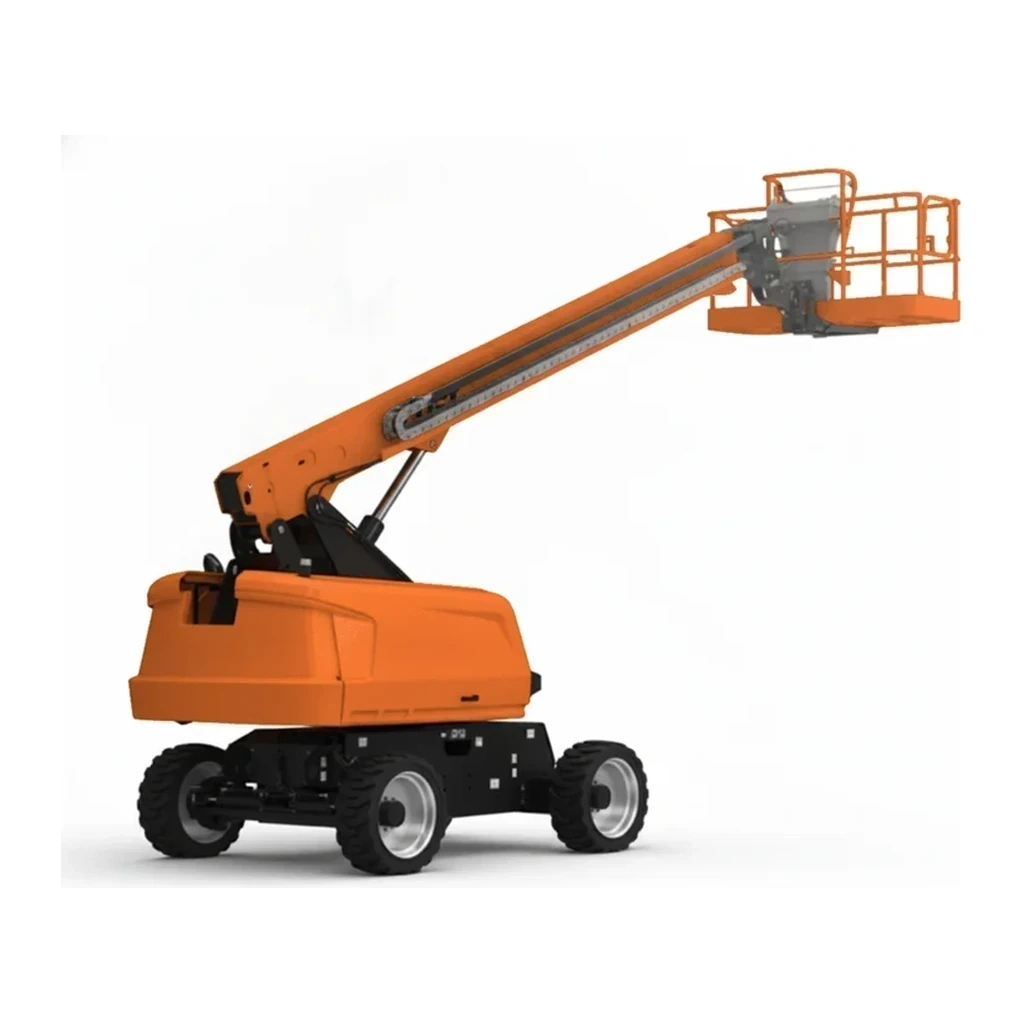
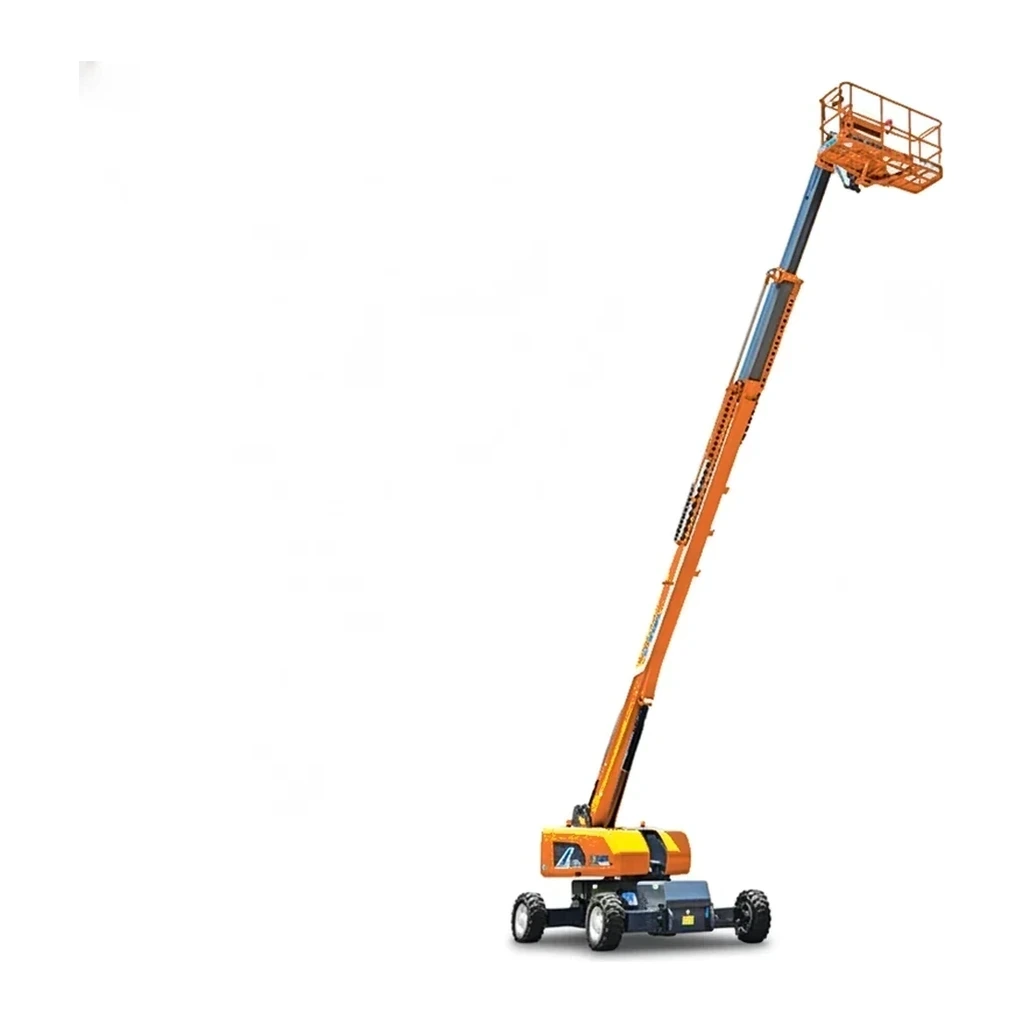
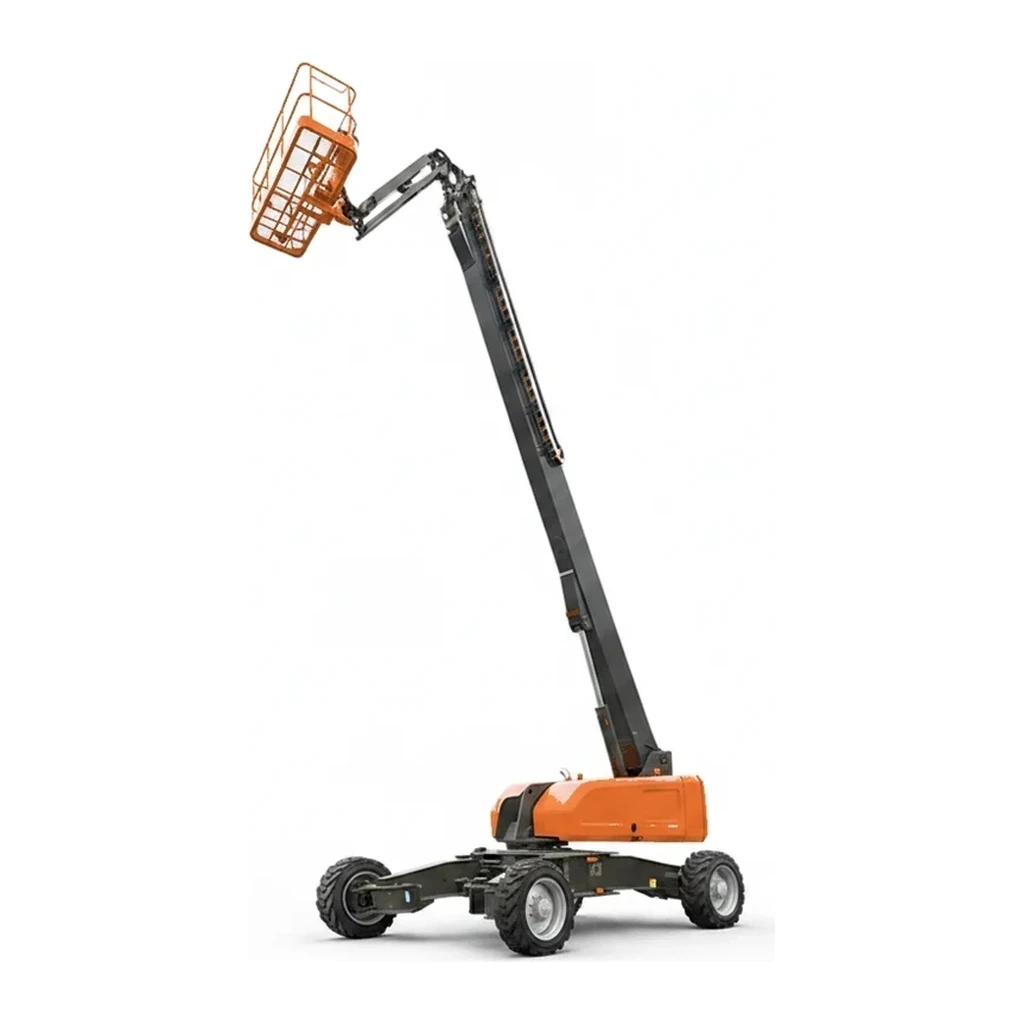
Spécifications clés
| Spécification | Plage typique | Signification |
|---|---|---|
| Working height | 27.9–126 ft (8.5–38.4 m) | Platform height plus guardrail reach; defines maximum vertical access for this class. |
| Horizontal reach | 22.1–62 ft (6.7–18.9 m) | Maximum outreach from base; critical for clearing structural obstacles or working over edges. |
| Platform capacity | 500–2,205 lb (227–1,000 kg) | Load rating for personnel, tools, and materials on the platform. |
| Operating weight | 38,001–88,031 lb (17,237–39,930 kg) | Machine weight affects ground bearing pressure, transport requirements, and site access. |
| Engine power | 55-65 hp | Diesel power for propulsion, boom operation, and hydraulic systems. |
Comment choisir
The 90-130 ft class is specified when vertical work occurs in the 100-120 ft range and horizontal reach beyond 20 ft is required to clear structural elements or building faces. For work below 90 ft, the 70-90 ft Telescopic Boom Lift class offers easier transport and lower ground pressure. When working heights exceed 130 ft or specialized ultra-high access is needed, the 130-160 ft Telescopic Boom Lift class becomes necessary. This band balances extreme reach with manageable operating weight and site mobility for large-scale industrial and infrastructure projects.
Ce que cette taille peut gérer
- Structural steel installation and bolting on high-rise construction above 100 ft
- Bridge deck and girder inspection, repair, and maintenance on elevated spans
- Industrial facility work on distillation towers, silos, and processing equipment
- Telecommunications tower servicing and antenna installation at height
- Exterior cladding installation on tall commercial and institutional buildings
- Power plant and refinery maintenance on elevated piping, valves, and instrumentation
Sécurité et opération
- Wind speed monitoring critical; manufacturer load charts specify maximum operating wind speeds, often 28-30 mph, below which platform loading must be reduced
- Ground conditions must support bearing pressures from outriggers or stabilizers; soil analysis and load-spreading mats often required
- Fall protection and tie-off protocols mandatory for platform occupants; emergency descent systems standard on most models in this class
- Proximity to overhead power lines requires minimum clearance distances per OSHA 1926.1408; dedicated spotters and electrical isolation protocols necessary
Transport et logistique
- Heavy-duty lowboy or drop-deck trailers required; operating weights of 17-40 metric tons exceed standard equipment trailer capacity
- Oversize and overweight permits typically necessary for highway transport; route planning essential for bridge clearances and weight restrictions
- Site delivery requires tractor units rated for 40+ ton loads; some models may require disassembly or specialized transport rigging
Alimentation
- Diesel engines with fuel tank capacities of 117-240 liters; typical consumption supports 8-12 hours of operation under load
- On-site refueling infrastructure or scheduled fuel delivery necessary for multi-day operations at remote or elevated work sites
- Cold-weather operation may require diesel fuel additives or engine block heaters in sub-freezing conditions
Questions fréquentes
What horizontal reach is typical for a 100 ft telescopic boom lift?
How does operating weight affect site access for 90-130 ft boom lifts?
What drive speed can be expected when operating at height?
Comparer les modèles populaires
Chercher par spécification →Normalisé aux mêmes unités. Un tiret signifie que la valeur n'a pas été publiée.
| Modèle | Hauteur de travail | Capacité de plateforme |
|---|---|---|
| Haulotte HT28 RTJ O | - | 507 lb (230 kg) |
| Haulotte HT28 RTJ PRO | - | 507 lb (230 kg) |
| JLG 1200SJP | 120 ft (36.7 m) | - |
| Niftylift SP85 4x4 | 85.5 ft (26.1 m) | 619 lb (281 kg) |
| Snorkel TB86J | - | 1,001 lb (454 kg) |
| Snorkel TB120 | - | 500 lb (227 kg) |
Équipements connexes
Parcourir par fabricant
Sources
Chaque spécification est vérifiée par rapport aux données publiées par le fabricant, avec la source liée pour référence.
90-130 ft Telescopic Boom Lift
35 modèles · Chaque spécification citée à la source