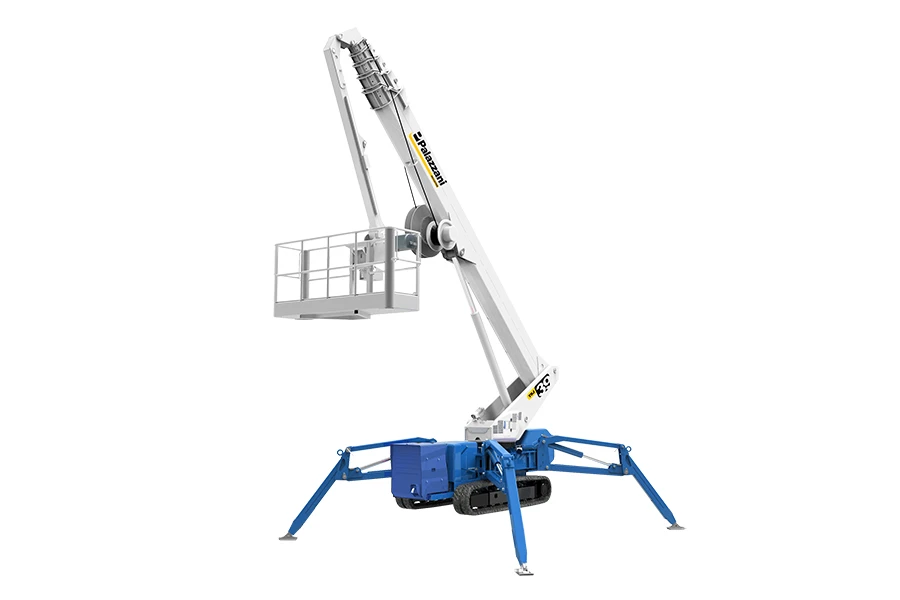

Atrium / Spider Lift
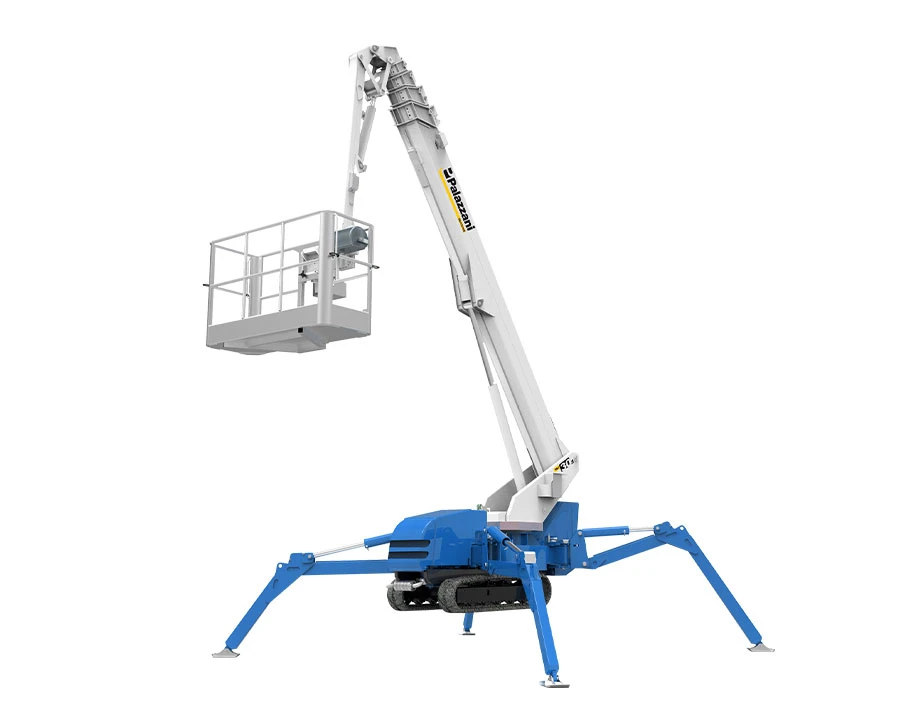
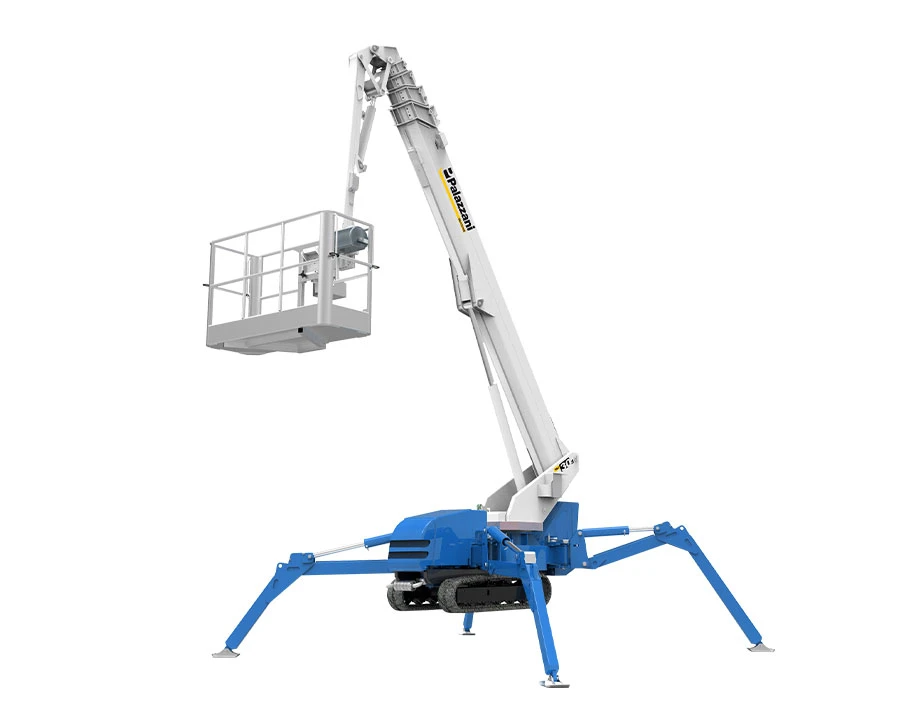
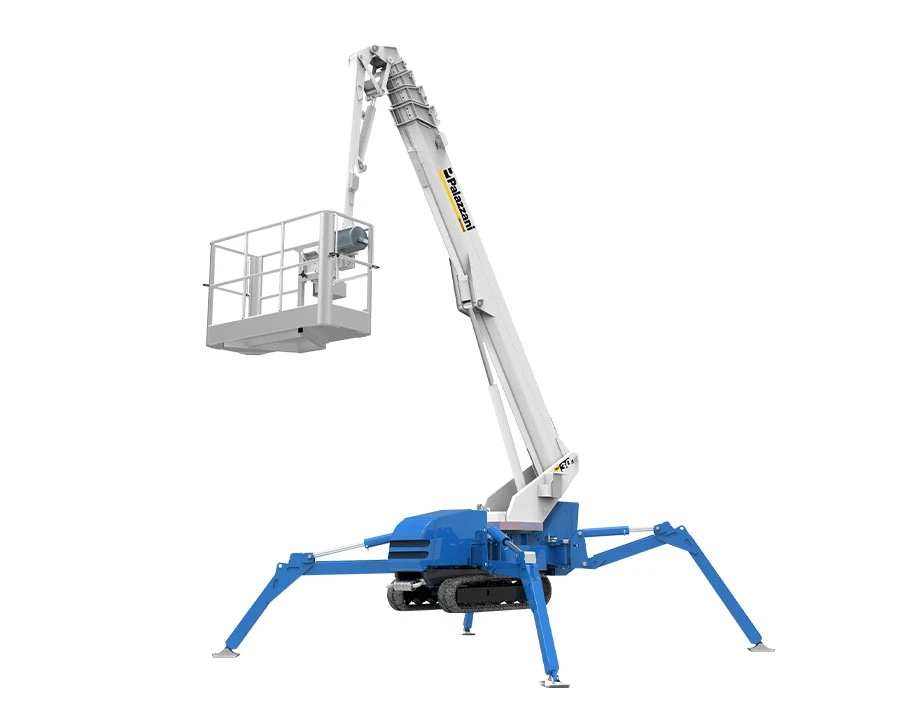
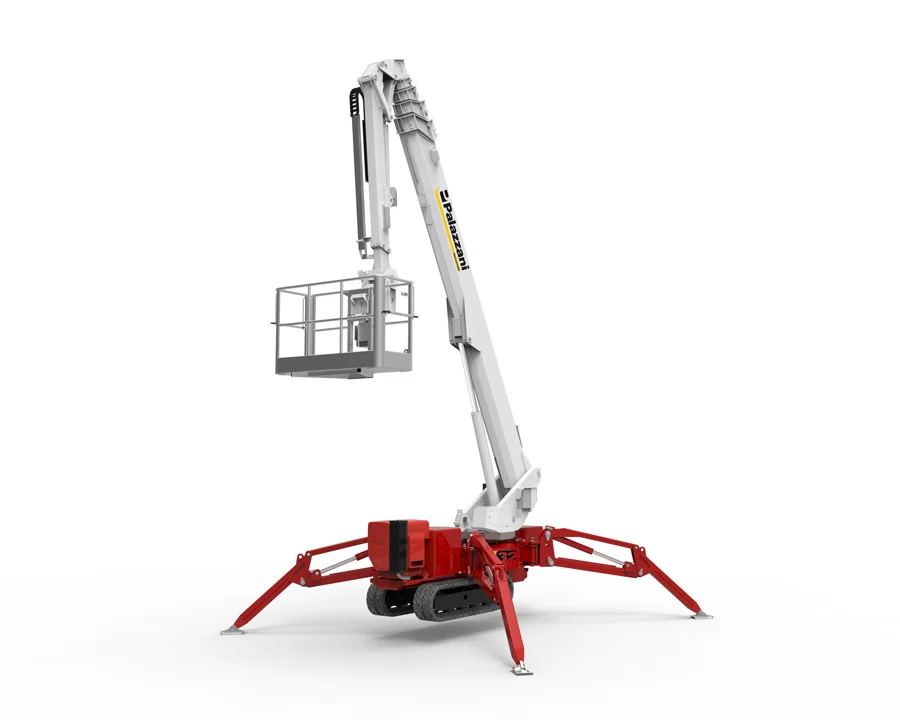
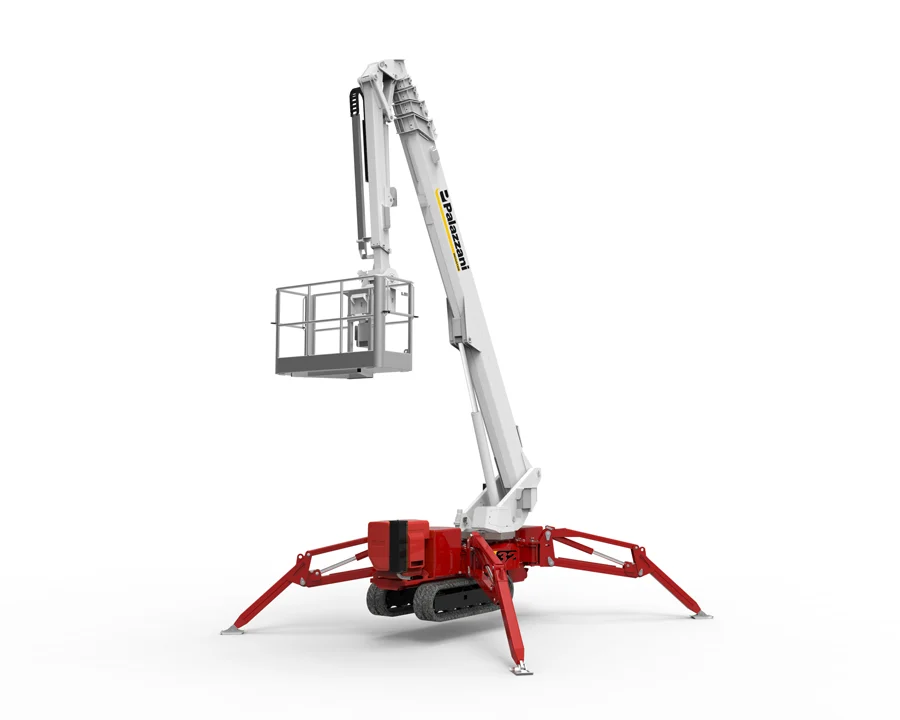
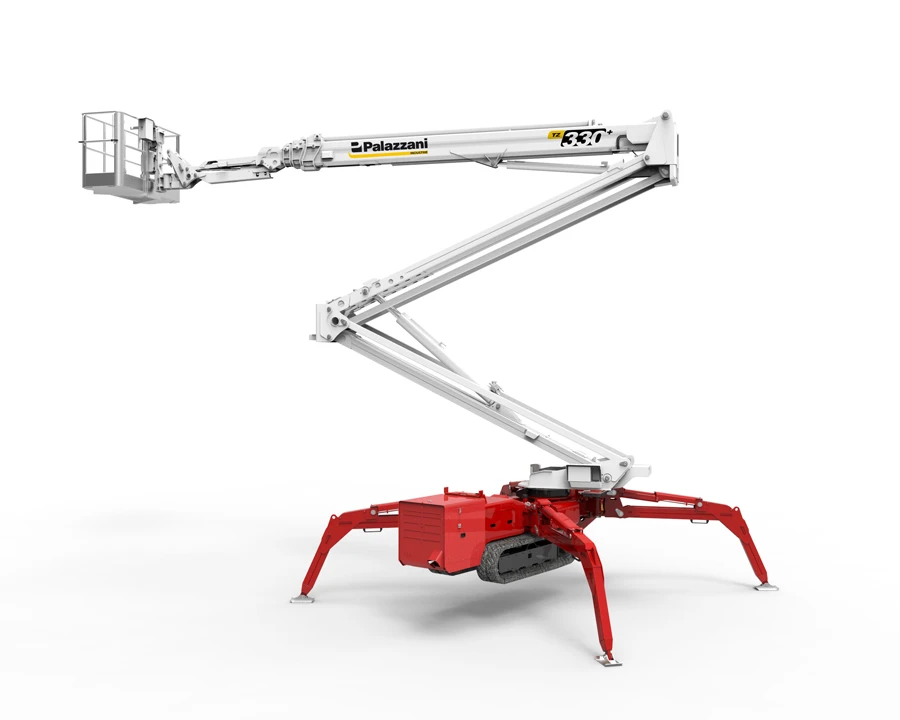
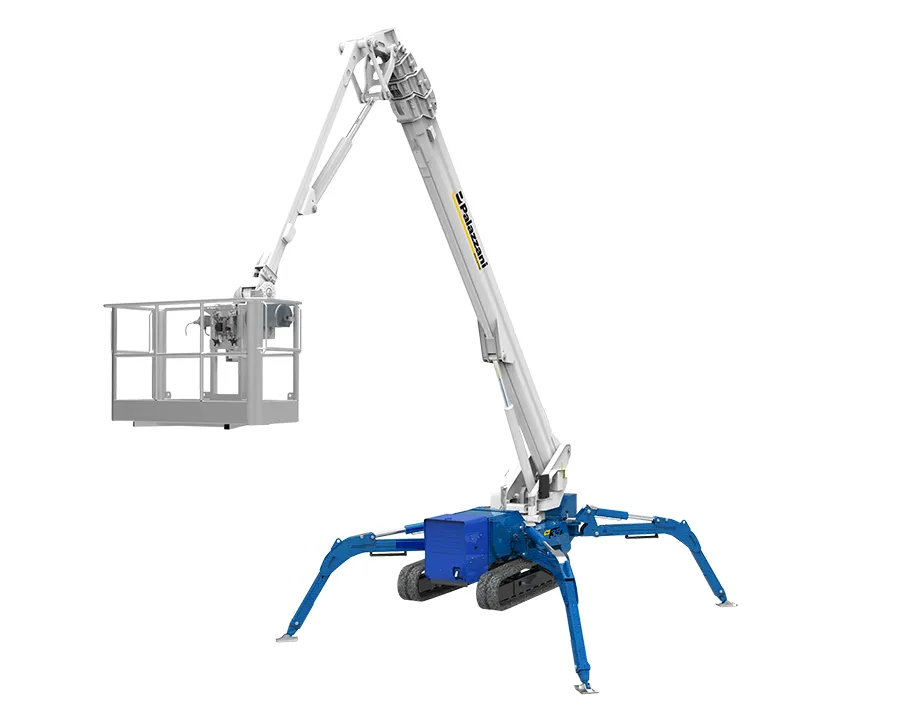
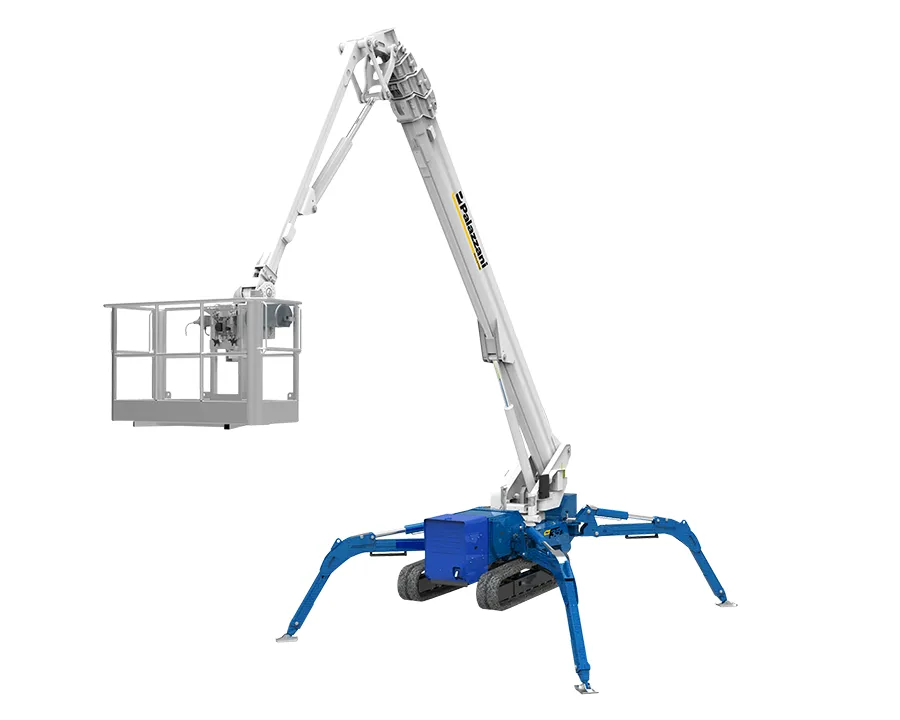
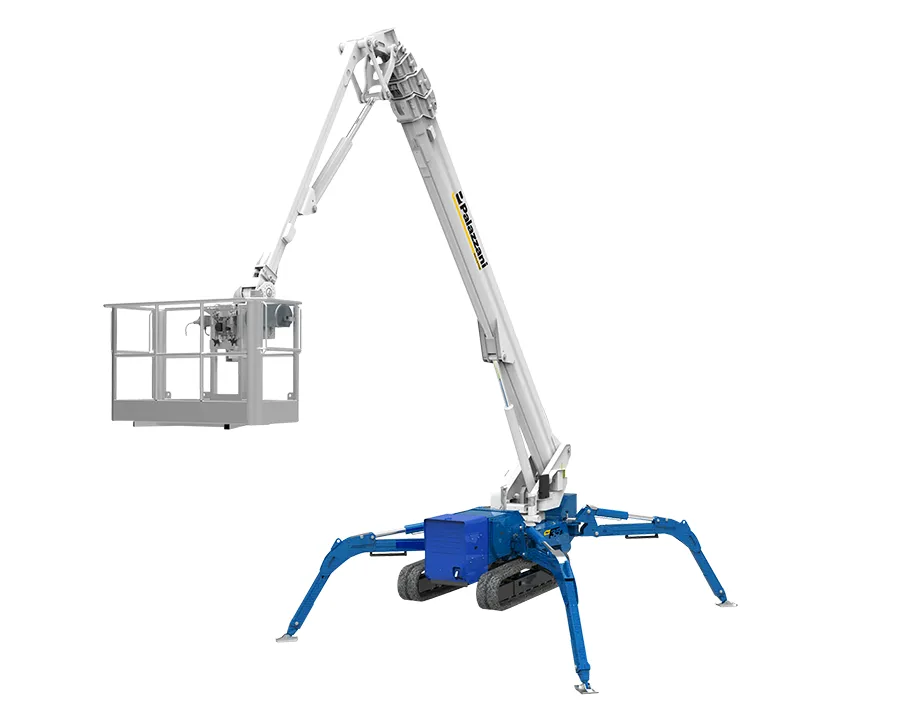
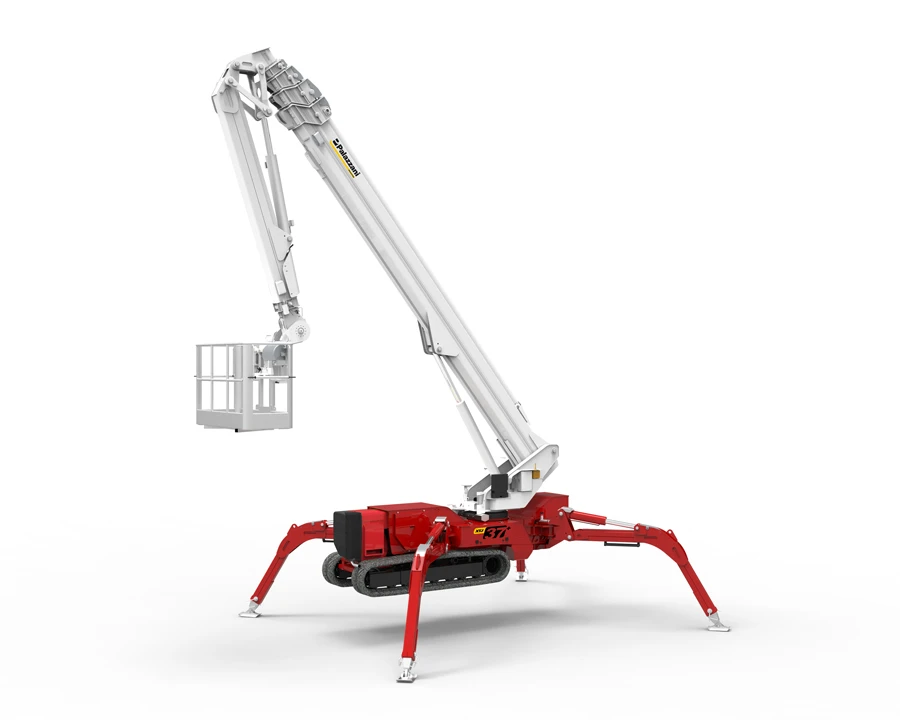
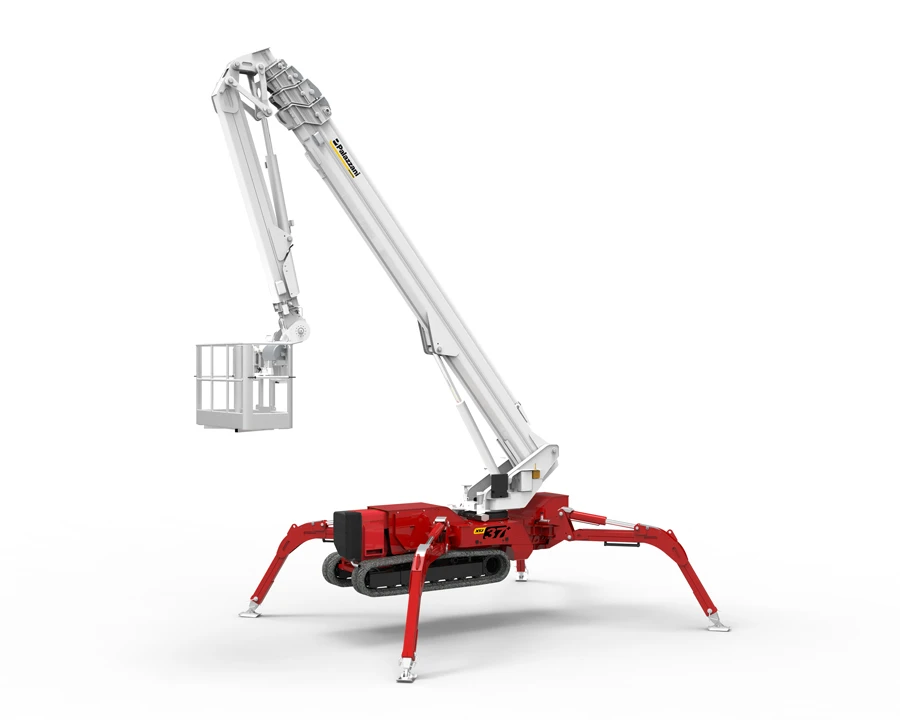
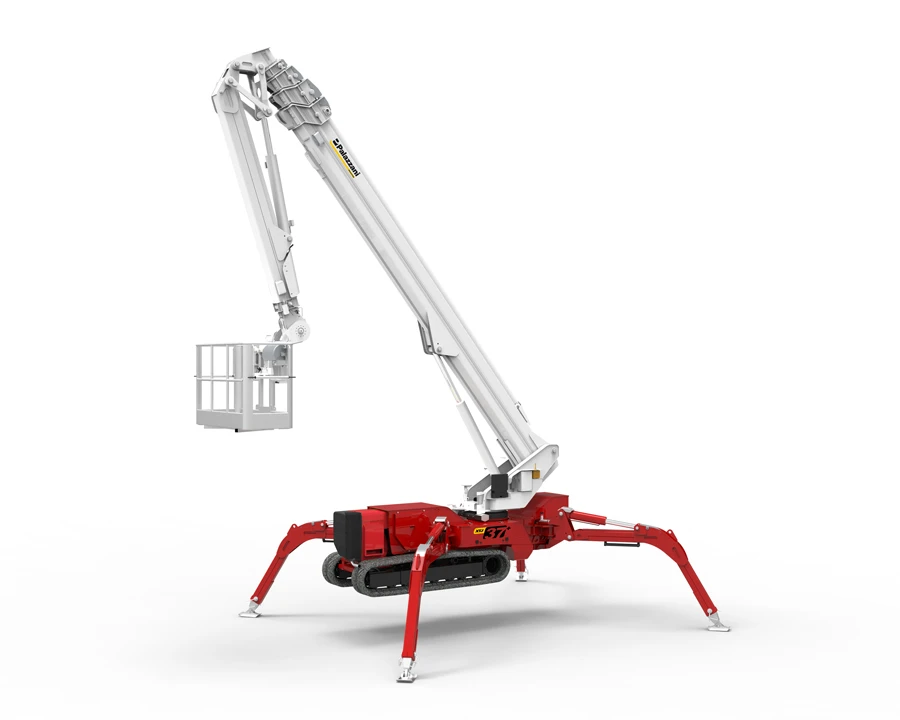
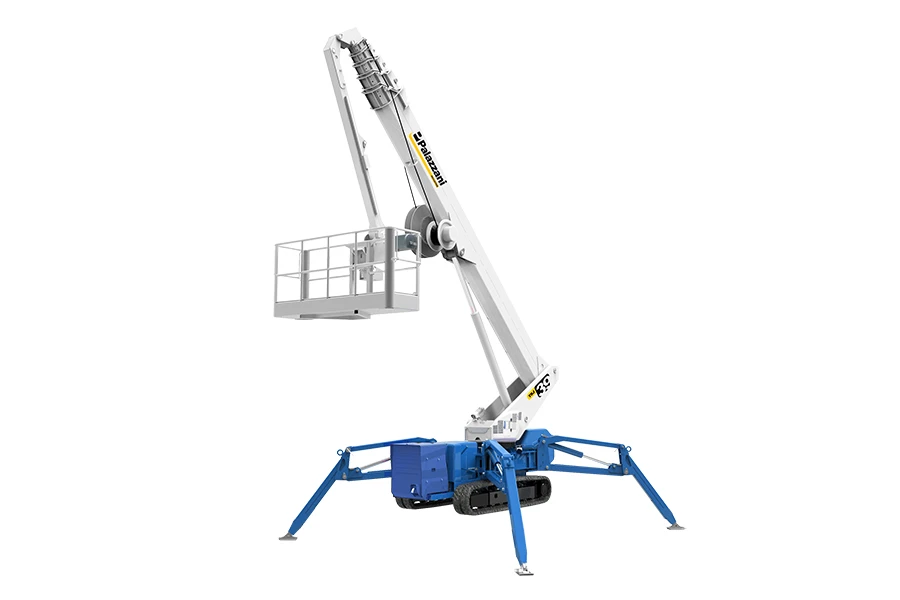
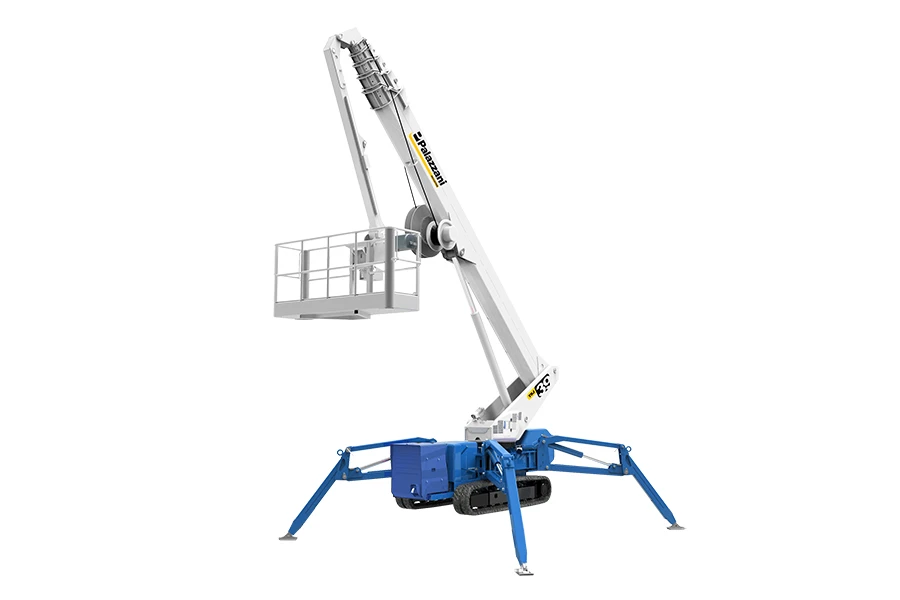
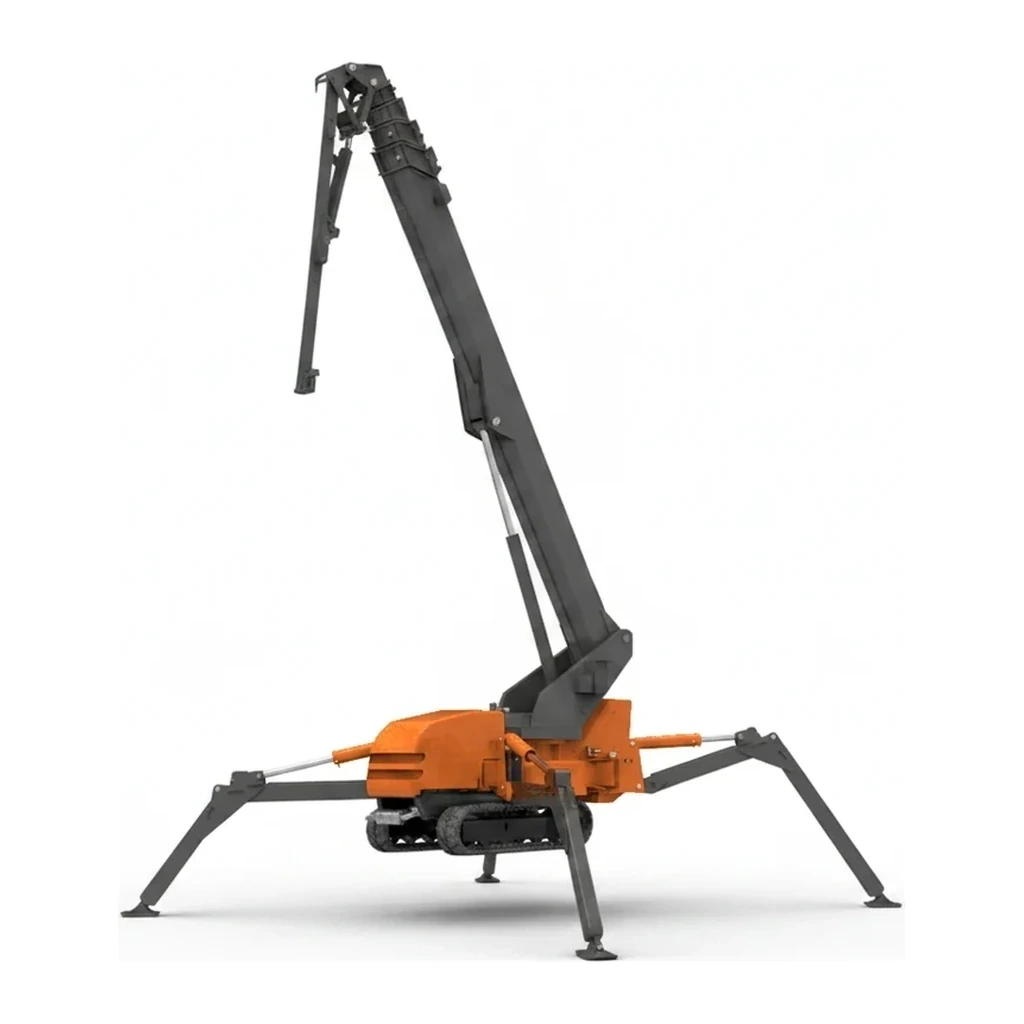
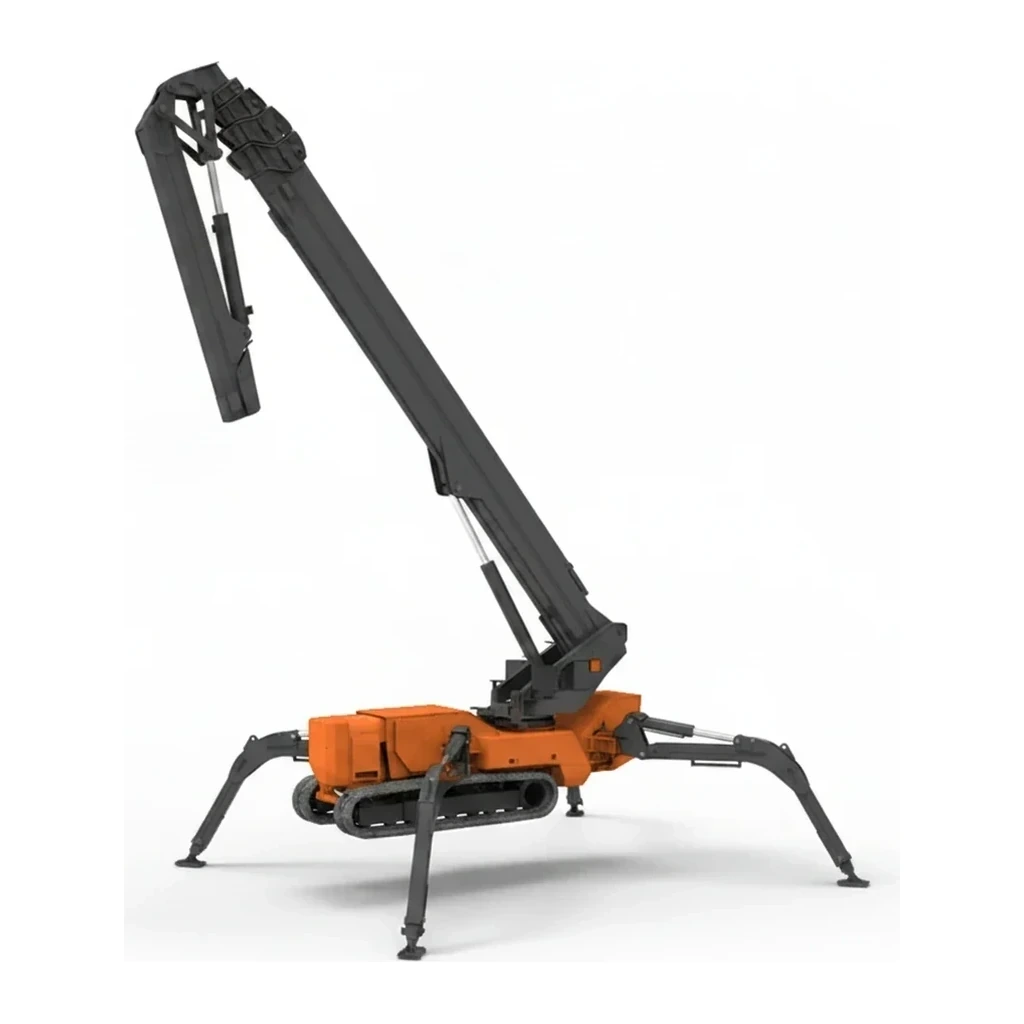
An atrium lift or spider lift is a compact, tracked mobile elevated work platform with hydraulic outriggers, designed to access height in confined spaces and sensitive interior environments. The tracked base allows the unit to pass through standard doorways and navigate finished floors, while deployable outriggers provide stable leveling on uneven surfaces. This equipment class serves applications where traditional boom lifts cannot fit or where floor protection and minimal footprint are required.
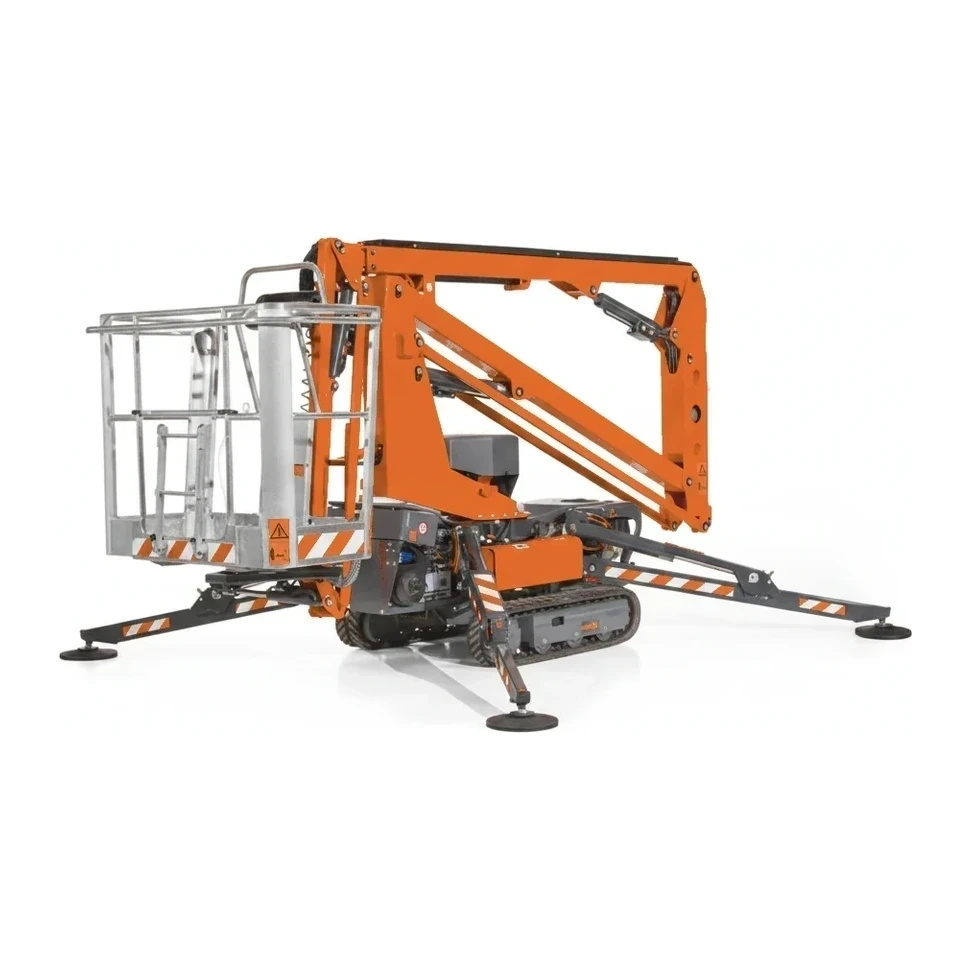
Cat classes
Choisissez une classe de taille — la capacité et la portée varient selon la gamme.
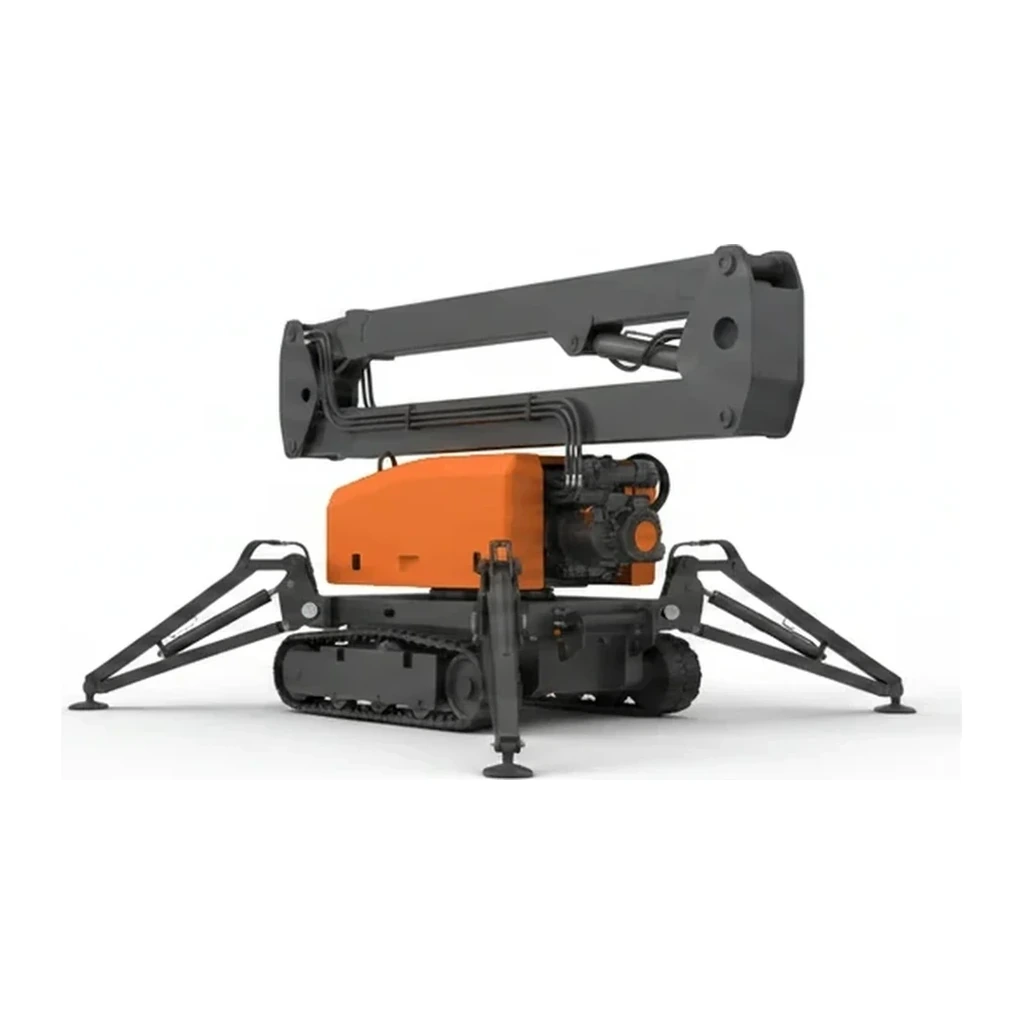
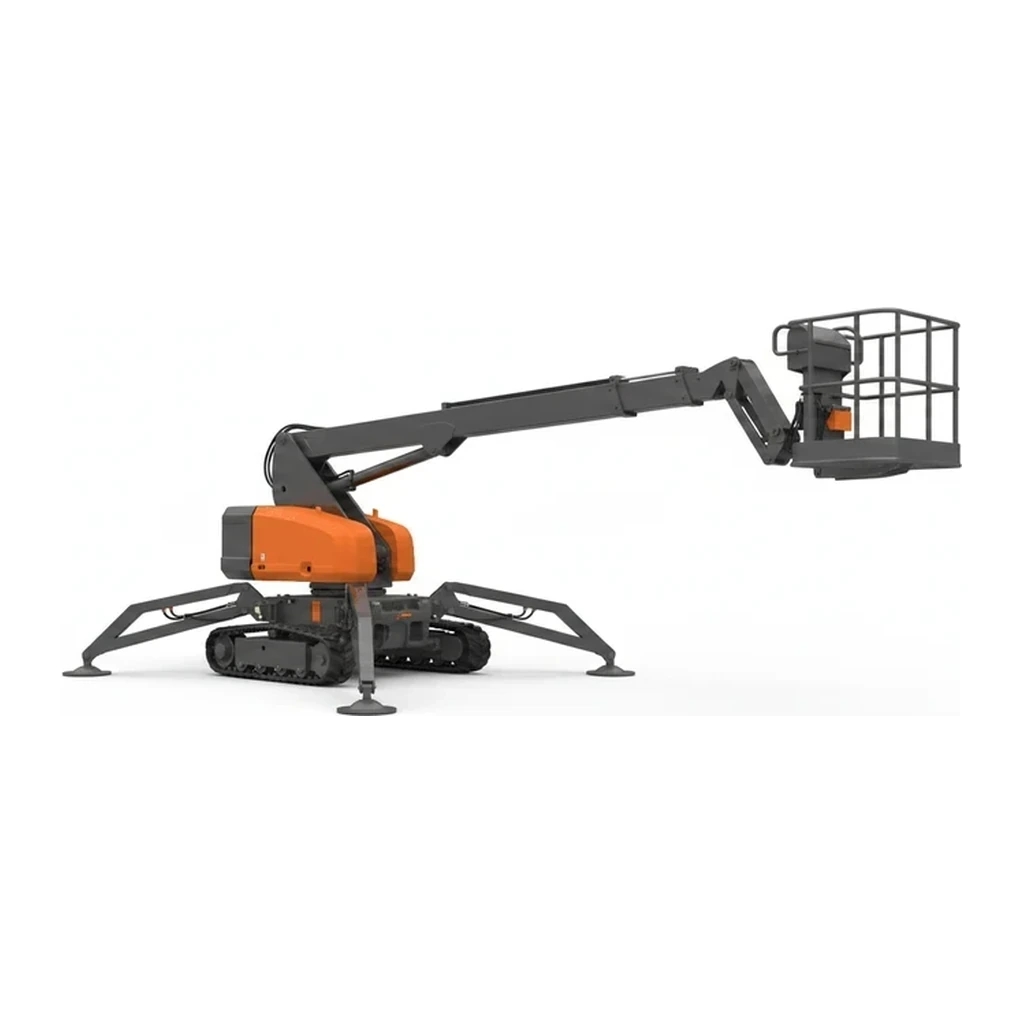
Fonctionnement
The machine is driven on rubber or steel tracks to the work location, then hydraulic outriggers are deployed to stabilize and level the platform. The articulating or telescoping boom extends upward and outward, positioning the platform basket at the desired working height and reach. Controls at both the platform and ground level allow precise positioning. Most models feature proportional controls, automatic leveling systems, and interlock safety mechanisms that prevent boom operation until outriggers are fully deployed. The compact footprint and low ground pressure enable operation on sensitive surfaces including polished concrete, tile, and landscaping.
Types et variantes
- Compact Indoor Spider
- Up to 55 ft working height, designed to fit through 30 in doorways for atrium and interior work on finished floors.
- Mid-Range Tracked Boom
- 55–85 ft working height, balances indoor maneuverability with outdoor capability for facade and tree care applications.
- Heavy-Duty Spider Lift
- 85–120 ft class with increased platform capacity and reach for industrial, cathedral, and courtyard projects.
- Specialty High-Reach Spider
- 120+ ft working height for tower, stack inspection, and specialty facade work requiring extreme height in confined footprints.
- Glass Handler / Glazing Spider
- Models with extended platform width and increased capacity for material handling and glass installation.
Spécifications clés
| Spécification | Plage typique | Signification |
|---|---|---|
| Working Height | 5.2–141.1 ft across model range; industry sizes in bands: up to 55 ft, 55–85 ft, 85–120 ft, 120+ ft | Primary size classification; determines application suitability and transport/storage requirements. |
| Platform Capacity | 180–340 kg (397–750 lb) | Defines personnel and tools/materials the basket can support; models with higher lift capacity support material handling. |
| Max Reach | 6.1–18.0 m (20.0–59.1 ft) horizontal outreach | Horizontal distance from base center to platform; critical for facade work and obstruction clearance. |
| Operating Weight | 34–14,315 kg (75–31,560 lb) | Total machine weight; determines transport trailer requirements and floor loading considerations. |
| Ground Bearing Pressure | 33–61 psi with outriggers deployed | Weight distribution on surface; lower values permit operation on sensitive finished floors and turf. |
| Gradeability | 40–60% slope capability | Maximum incline the tracked base can traverse while stowed; enables outdoor terrain navigation. |
Comment l'industrie le dimensionne
The industry sizes atrium and spider lifts by maximum working height, measured in feet. Standard bands include up to 55 ft for interior access through doorways and atrium glass work, 55–85 ft for tree care and facade applications, 85–120 ft for cathedral and industrial height requirements, and 120+ ft for specialty tower and stack work. Within each height class, platform capacity and horizontal reach differentiate models for specific tasks such as glazing, inspection, or general maintenance.
Applications
- Atrium glass installation and maintenance in hotels, malls, and office buildings
- Church and cathedral interior work including chandeliers, murals, and structural inspection
- Tree trimming and arborist services in confined yards and over structures
- Building facade repair and window cleaning where ground access is restricted
- Industrial facility maintenance in areas inaccessible to truck-mounted or scissor lifts
- Film and event production lighting in venues with floor protection requirements
Sécurité et opération
- Outriggers must be fully deployed and leveled on stable surfaces before boom operation; interlocks prevent movement otherwise.
- Load charts specific to each model must be consulted, as capacity varies with boom extension and angle.
- Track damage to finished floors can occur if the unit is driven while elevated or on inappropriate surfaces; protective mats may be required.
- Overhead clearance assessment is critical during boom extension, particularly in interior environments with HVAC, lighting, and structural elements.
- Fall protection and harness anchoring requirements apply at the platform; guardrails and toeboards must be in place and functional.
Normes et certifications
- ANSI · A92.20
- Design, testing, and safety requirements for self-propelled boom-supported elevating work platforms.
- CSA · B354.6
- Canadian standard for self-propelled elevating work platforms; comparable requirements for spider lift design and operation.
Questions fréquentes
What distinguishes a spider lift from a standard boom lift?
How does working height relate to platform height on these machines?
What transport considerations apply to spider lifts in the 55–85 ft and 85–120 ft ranges?
Can spider lifts operate on slopes and rough terrain?
Comparer les modèles populaires
Chercher par spécification →Normalisé aux mêmes unités. Un tiret signifie que la valeur n'a pas été publiée.
| Modèle | Hauteur de travail | Capacité de plateforme |
|---|---|---|
| JLG X600AJ | 59 ft (18.0 m) | 507 lb (230 kg) |
| Niftylift TD120T | 40 ft (12.2 m) | 441 lb (200 kg) |
| Bluelift B53 | 53 ft (16.2 m) | - |
| Bluelift B72 | 72 ft (21.9 m) | - |
| Niftylift TD120TN | 40 ft (12.2 m) | 441 lb (200 kg) |
| Niftylift TD150T | 48.2 ft (14.7 m) | - |
Parcourir par fabricant
Sources
Chaque spécification est vérifiée par rapport aux données publiées par le fabricant, avec la source liée pour référence.
Tous les modèles
132 modèles · Page 3 sur 3 · Chaque spécification citée à la source