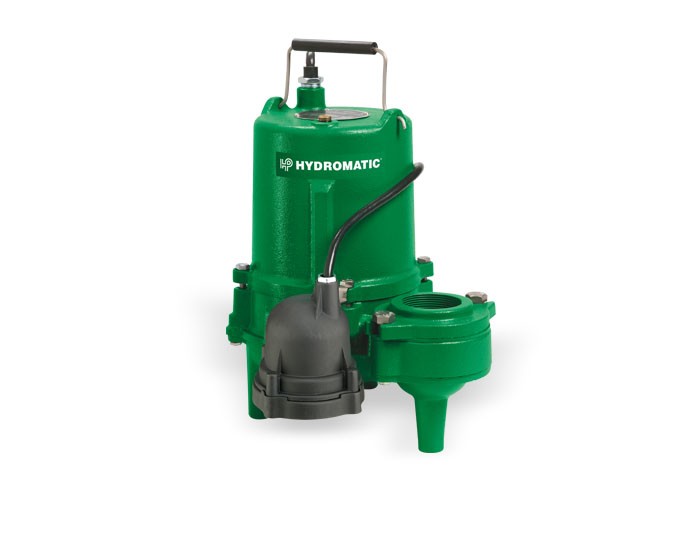

Up to 200 ft High-Head Pump
Up to 200 ft high-head pumps lift water from deep excavations, trenches, or sumps and push it vertically up to approximately 200 feet. This is the entry rung on the high-head pump ladder, suited to moderate-depth dewatering where standard trash or submersible pumps lack the head pressure required. For taller lifts or multi-storey discharge, the 200-400 ft band provides greater vertical capacity.
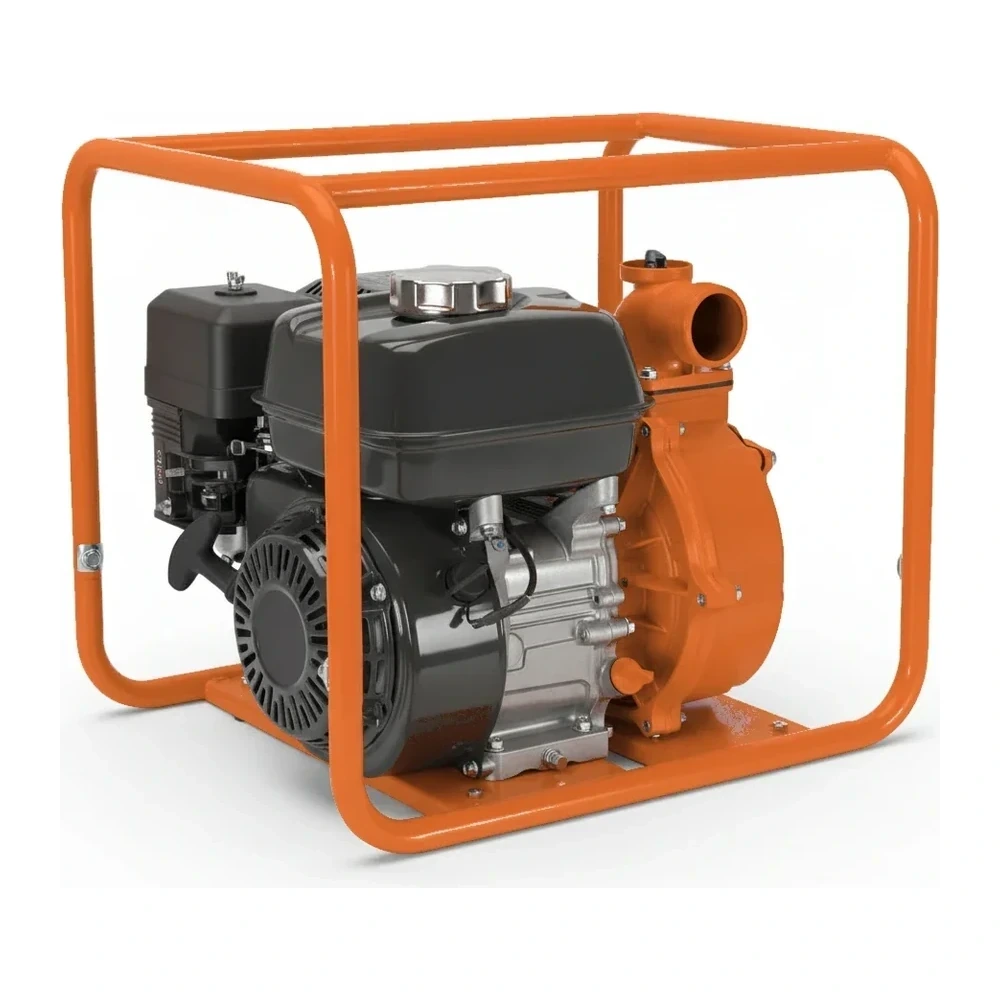
Cat classes
Choisissez une classe de taille : la capacité et la portée varient selon la gamme.
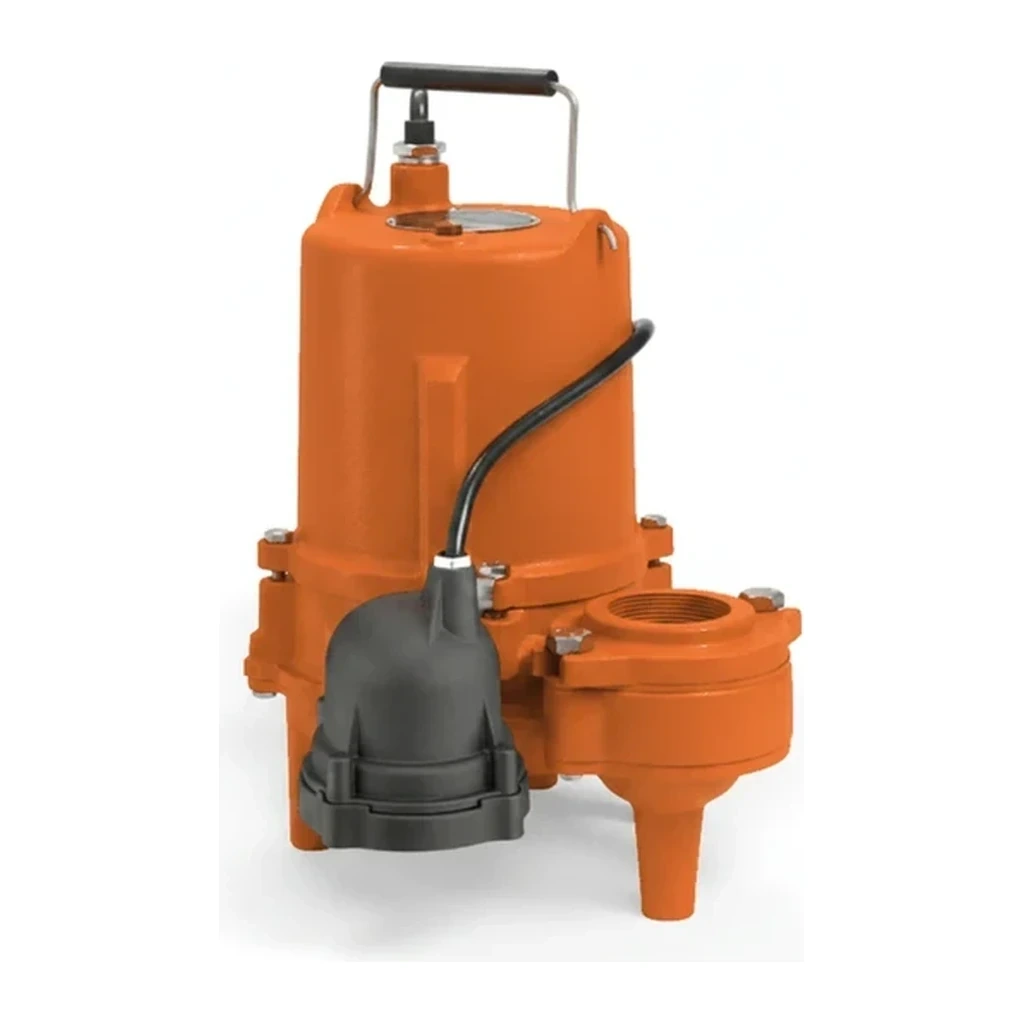
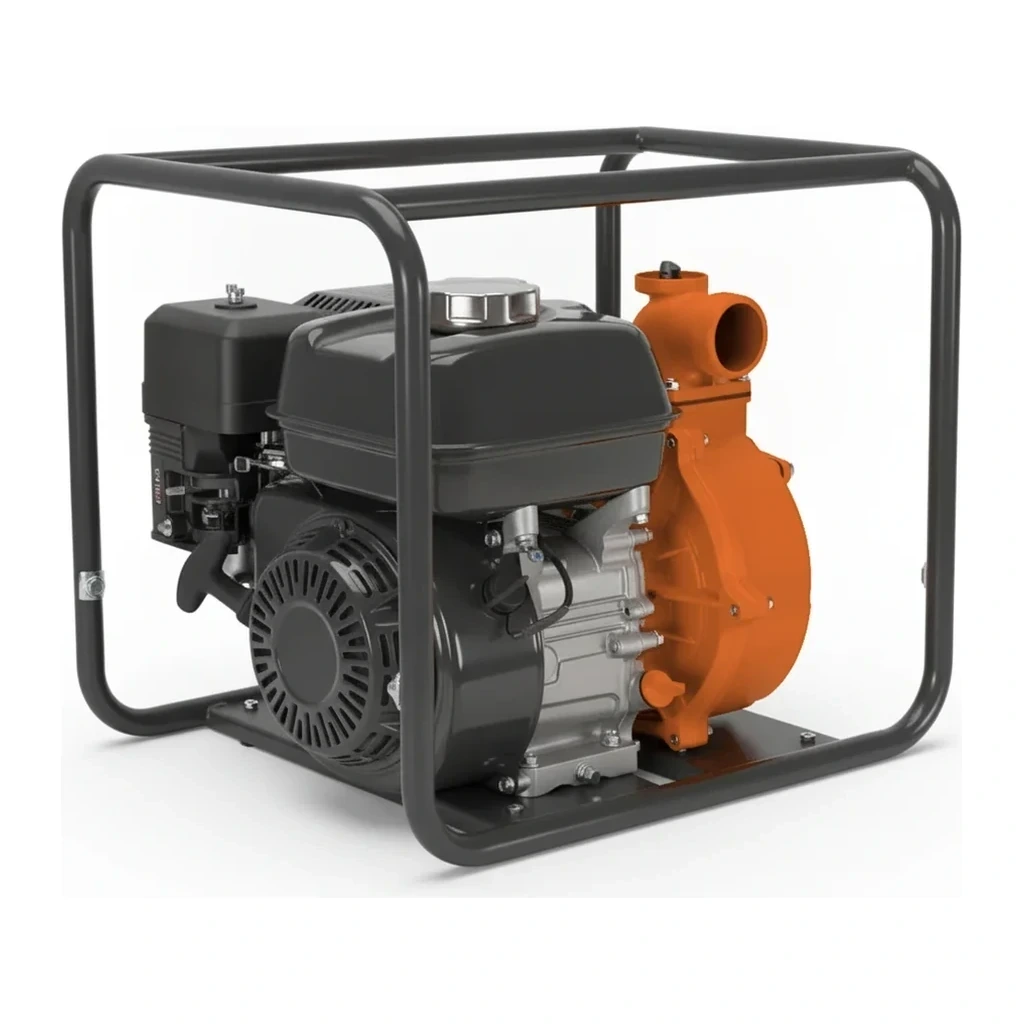
Spécifications clés
| Spécification | Plage typique | Signification |
|---|---|---|
| Maximum Head | Up to 200 ft | Vertical distance the pump can lift water before losing flow. |
| Power Source | Electric (single or three-phase) | Most models in this class run on grid or generator power. |
| Application | Deep excavation, sump discharge | Designed for situations where vertical lift exceeds standard centrifugal pump capability. |
Comment choisir
This size class is appropriate when the vertical discharge height ranges from approximately 50 to 200 feet: typical for deep foundation work, utility trenches, or moving water up two to six storeys. Jobs requiring less than 50 feet of head are often better served by standard submersible or trash pumps, which offer higher flow rates at lower pressures. When the lift exceeds 200 feet, such as deep shaft work, high-rise construction dewatering, or hillside discharge, the 200-400 ft High-Head Pump band delivers the necessary pressure without staging multiple pumps in series.
Ce que cette taille peut gérer
- Dewatering a 60-foot-deep utility trench with surface discharge
- Pumping groundwater from a basement excavation up to street level
- Lifting water from a deep sump pit in a parking garage foundation
- Discharging seepage water from a caisson shaft to grade
- Moving water from a below-grade mechanical room to an upper-floor drain
- Transferring collected water from a deep storm drain manhole to a municipal line
Sécurité et opération
- Verify that actual lift height, hose friction loss, and flow rate align with pump curve to avoid dead-heading
- Secure discharge hose against whip if the pump loses prime or shuts off under pressure
- Ensure electrical connections are protected from moisture and comply with NEC wet-location requirements
- Never operate dry; high-head pumps rely on water for motor cooling and seal lubrication
Transport et logistique
- Compact enough to move by hand truck or small utility trailer in most cases
- Electric models typically weigh under 200 lb and fit in a pickup bed or van
- Hose and power cord add bulk; plan for separate transport of accessories
Alimentation
- Requires 115V or 230V single-phase power, or 208-230V three-phase depending on model
- Generator must supply clean, stable voltage to protect motor windings
- Cord length and gauge must account for voltage drop over distance to the sump
Questions fréquentes
Can this pump handle solids or just clear water?
How is head capacity different from flow rate?
When should multiple pumps be staged in series versus moving to the next size class?
Équipements connexes
Parcourir par fabricant
Sources
Chaque spécification est vérifiée par rapport aux données publiées par le fabricant, avec la source liée pour référence.
Up to 200 ft High-Head Pump
7 modèles · Chaque spécification citée à la source