

2-3 in Trash Pump
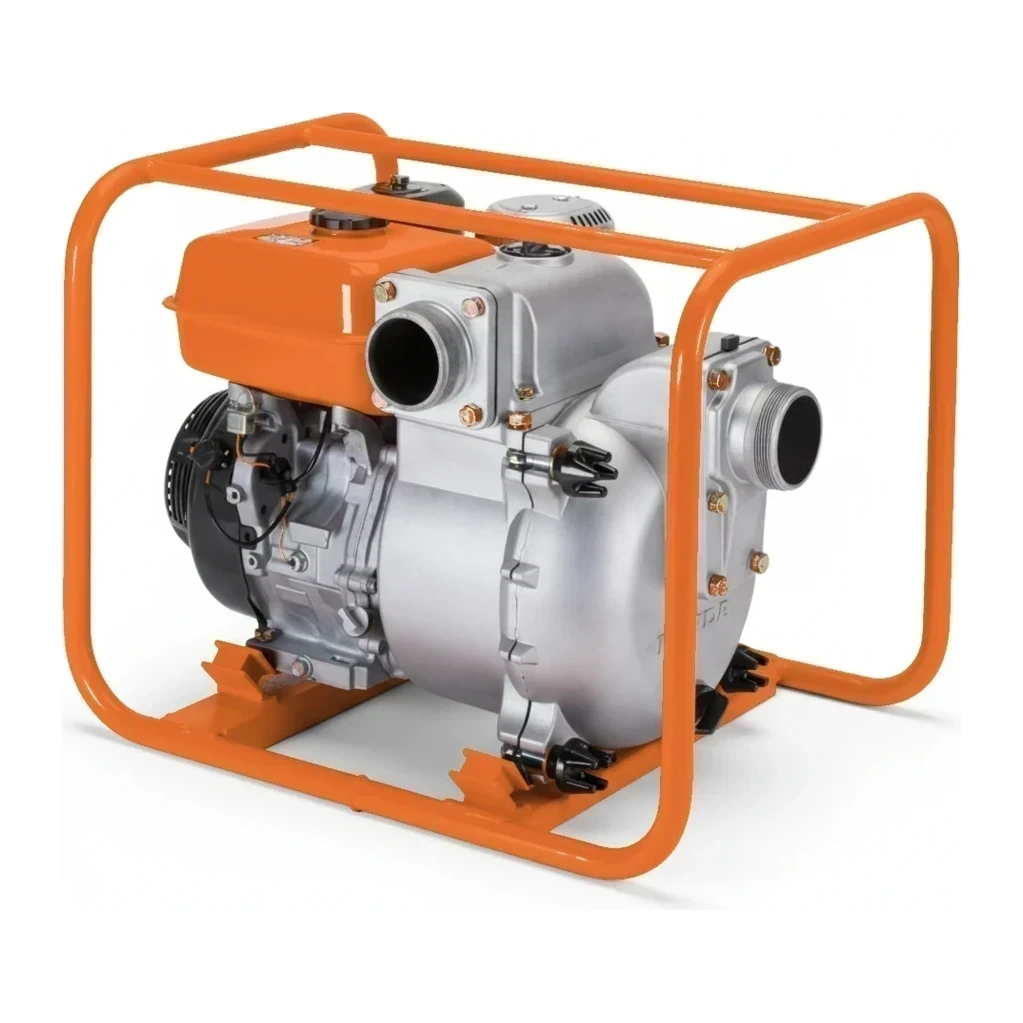
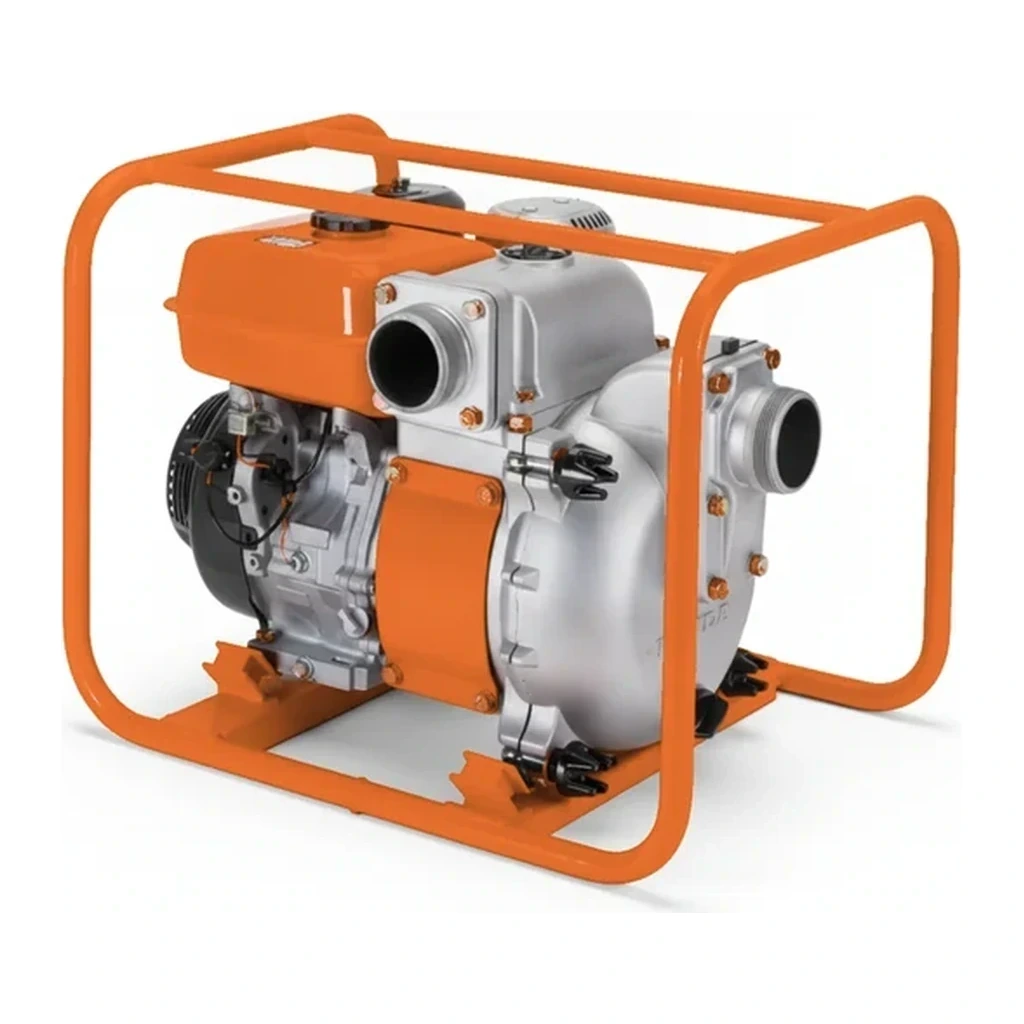
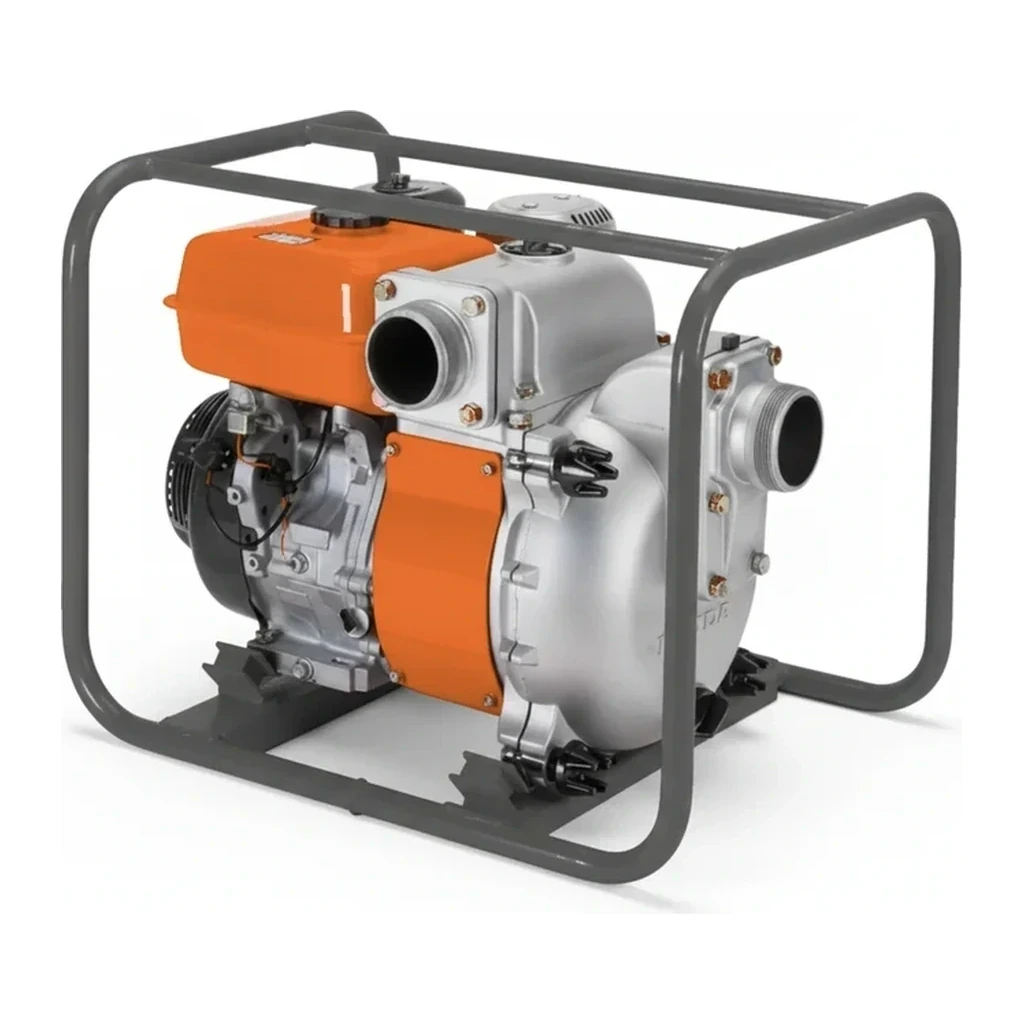
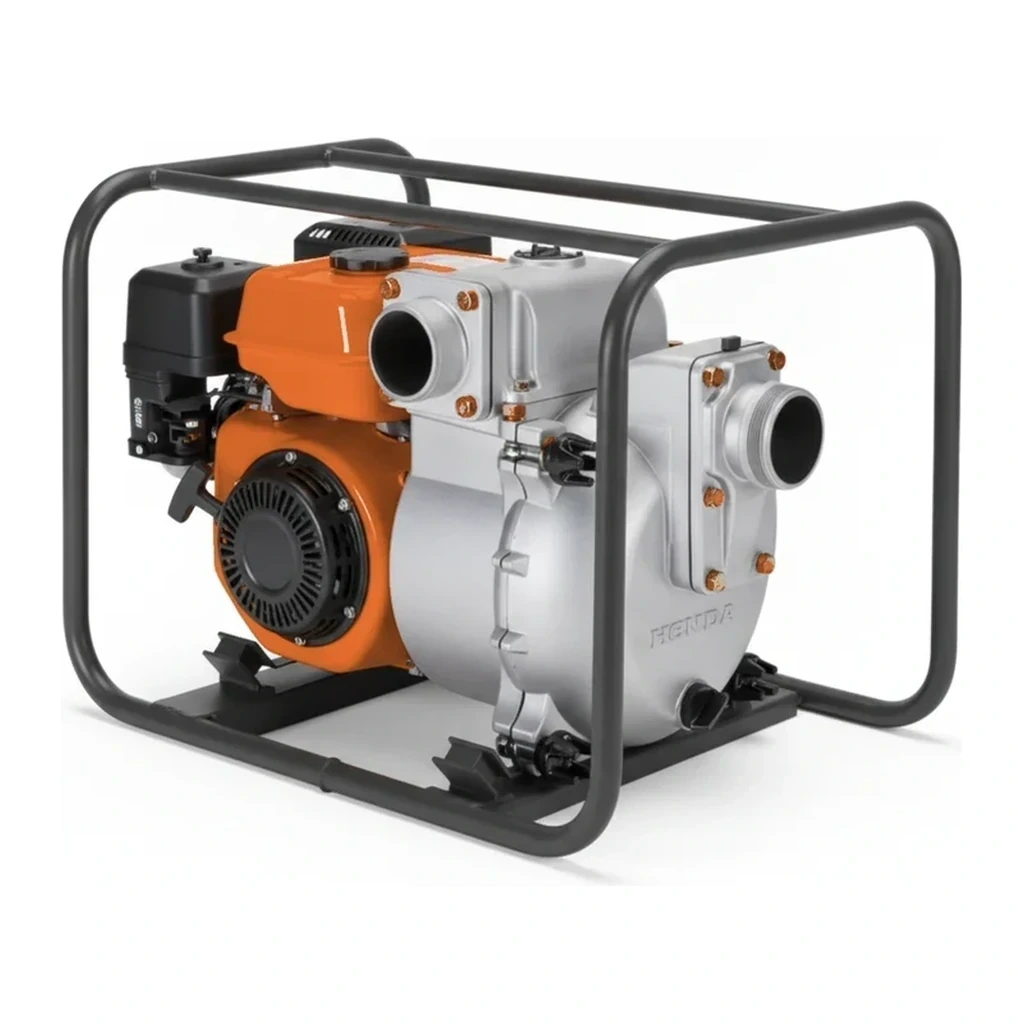
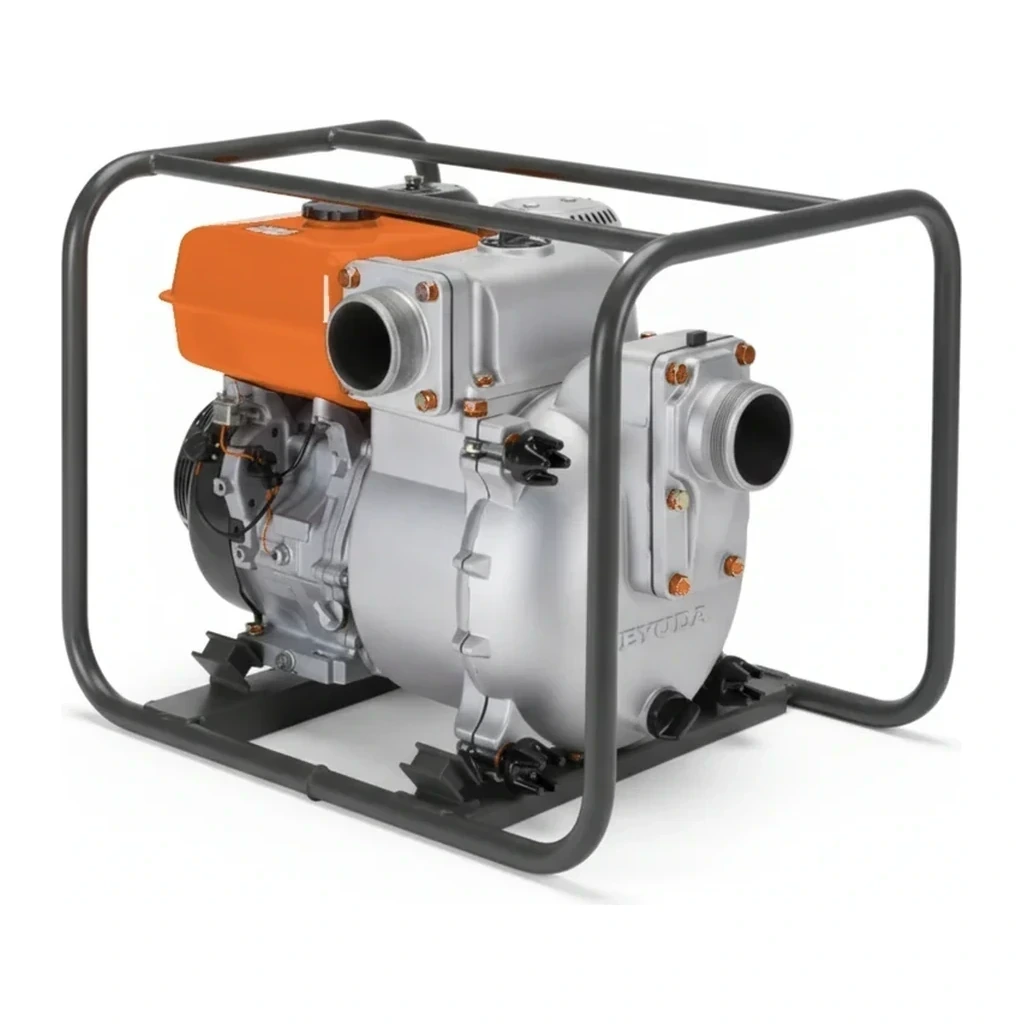
The 2-3 in trash pump band represents the industry's workhorse size for dewatering small excavations, footings, and trenches at flows around 150 gallons per minute. Equipped with a 2 in discharge port, these pumps handle solids-laden water in confined jobsite conditions. This size sits above the Up to 2 in Trash Pump band and below the 3-4 in Trash Pump range on the dewatering ladder.
Cat classes
Choisissez une classe de taille : la capacité et la portée varient selon la gamme.
Spécifications clés
| Spécification | Plage typique | Signification |
|---|---|---|
| Discharge Port Diameter | 2 in (50.8 mm) | Standard NPT connection determines maximum flow and the largest solid particle the pump can pass. |
| Flow Rate | ~150 gpm | Typical pumping capacity for dewatering small to medium excavations and trenches. |
| Solids Handling | Varies by model | Trash pumps in this class pass debris and sediment that would clog centrifugal dewatering pumps. |
Comment choisir
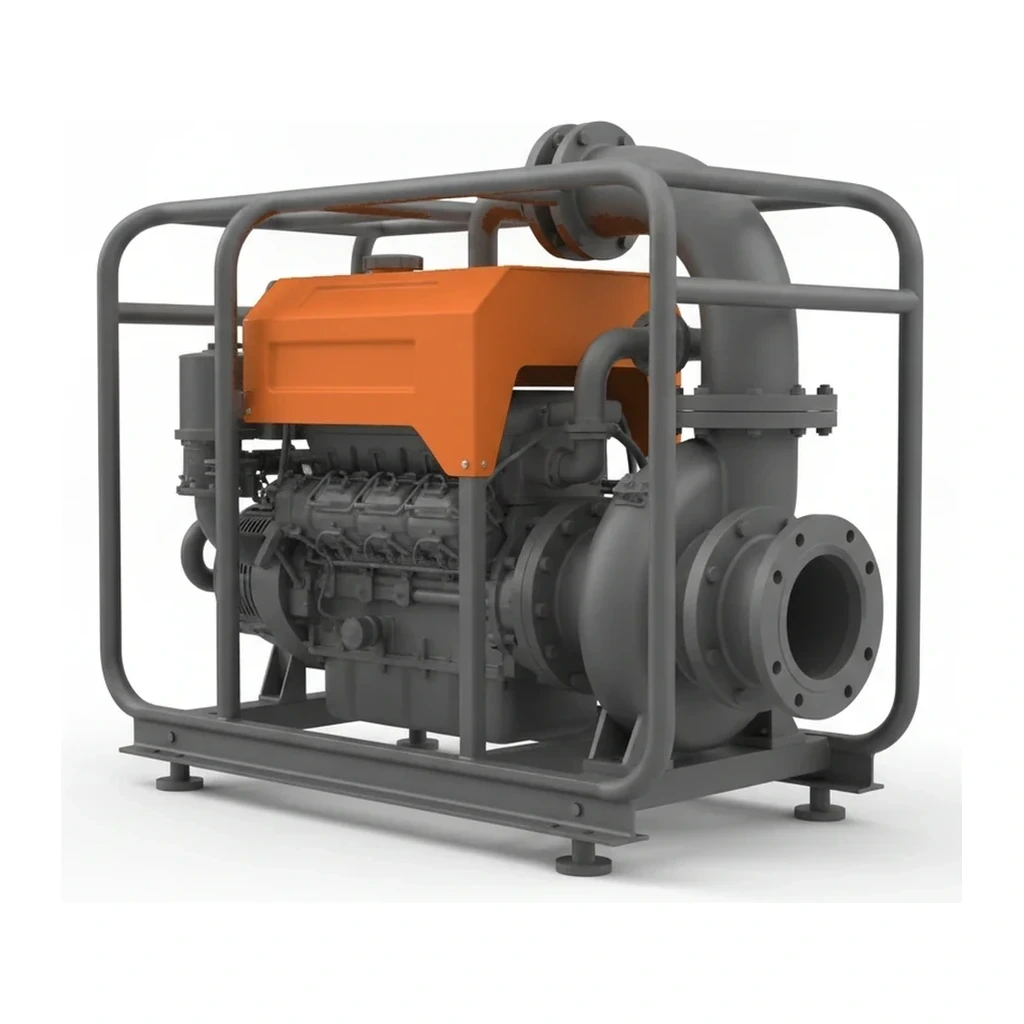
The 2-3 in trash pump is the correct choice for routine dewatering tasks in footings, utility trenches, and small excavations where flows approximate 150 gpm and water contains mud, sand, or small debris. For lower-volume applications such as sump drainage or minor groundwater seepage, the Up to 2 in Trash Pump band offers simpler handling and lower fuel consumption. When excavation depth increases, flow requirements exceed 150 gpm, or larger solids are present, the 3-4 in Trash Pump becomes the appropriate step up.
Ce que cette taille peut gérer
- Dewatering footing excavations during foundation placement
- Pumping out utility trenches with sediment-laden runoff
- Removing water from small building pad excavations
- Clearing storm water from shallow retention areas
- Managing seepage in pipe-laying operations
- Pumping flood water mixed with mud and light debris
Sécurité et opération
- Position the pump intake away from slopes and trench walls to avoid undermining excavation stability
- Inspect suction hoses and strainers regularly to prevent clogging and loss of prime during operation
- Maintain adequate ventilation when operating gasoline or diesel engines in confined or enclosed spaces
- Verify discharge hose routing directs water away from work areas and does not create slip or erosion hazards
Transport et logistique
- Typical units in this class are portable enough for manual loading into pickup beds or small utility trailers
- Most 2 in models feature integrated lifting handles or roll cages for two-person handling
- Standard light-duty trailers accommodate multiple units without special towing equipment
Alimentation
- Gasoline-powered models dominate this size class, running on regular unleaded fuel
- Diesel variants are available from select manufacturers for longer runtime and reduced refueling frequency
- Fuel consumption typically ranges 0.5-1.0 gallons per hour depending on load and engine size
Questions fréquentes
What is the difference between a 2 in trash pump and a 2 in centrifugal dewatering pump?
How is a 2-3 in trash pump sized compared to a 3-4 in model?
What size solids can a 2 in trash pump handle?
Équipements connexes
Parcourir par fabricant
Sources
Chaque spécification est vérifiée par rapport aux données publiées par le fabricant, avec la source liée pour référence.
2-3 in Trash Pump
32 modèles · Chaque spécification citée à la source