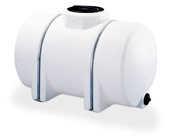

Fuel Tank
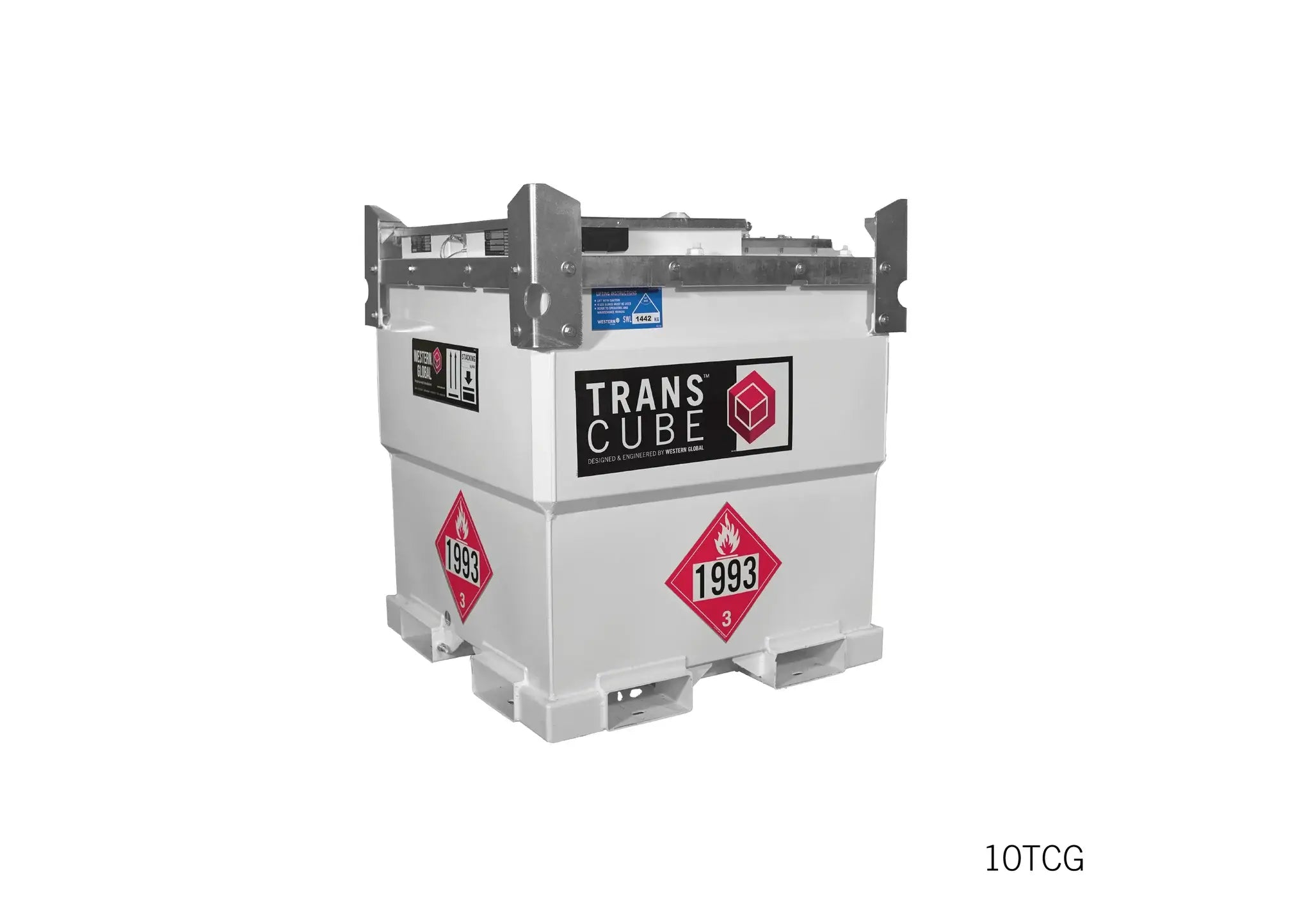
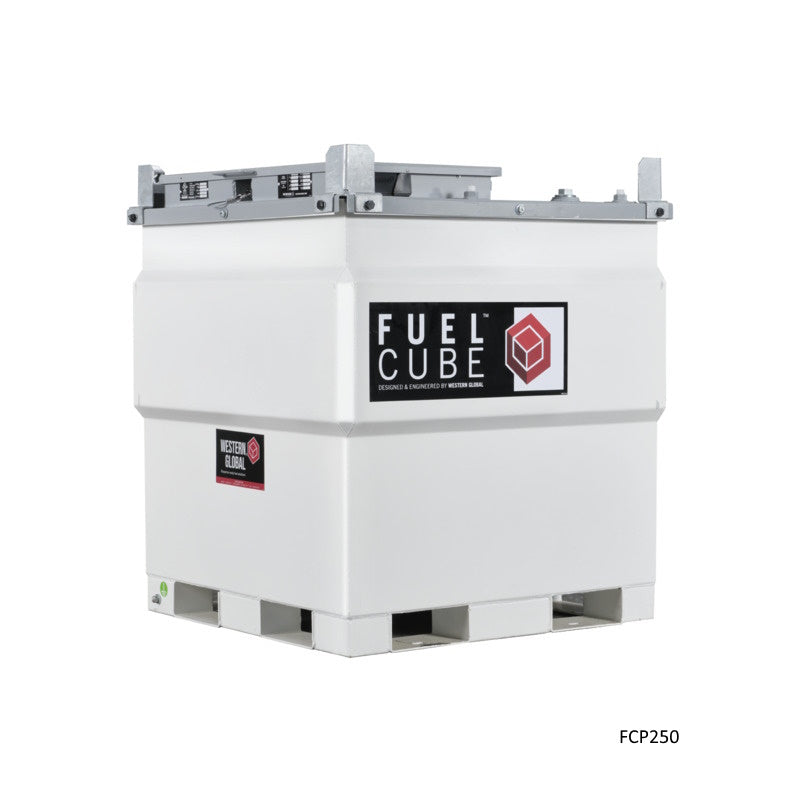
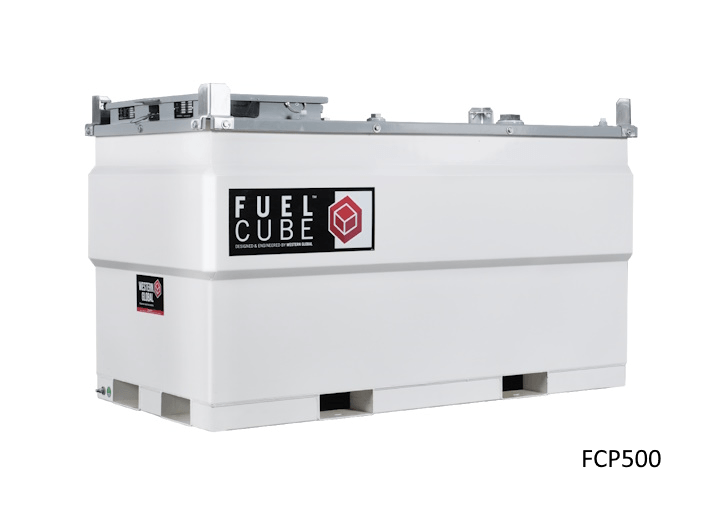
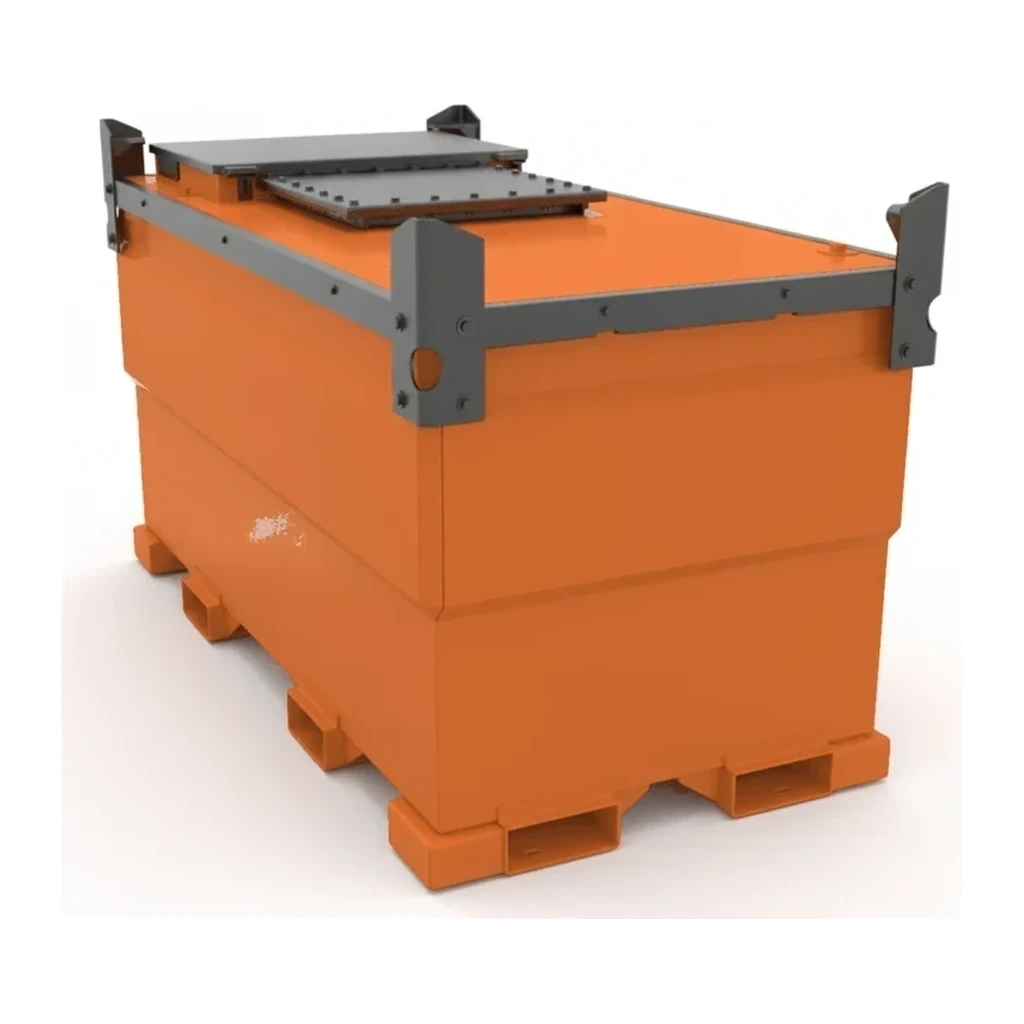
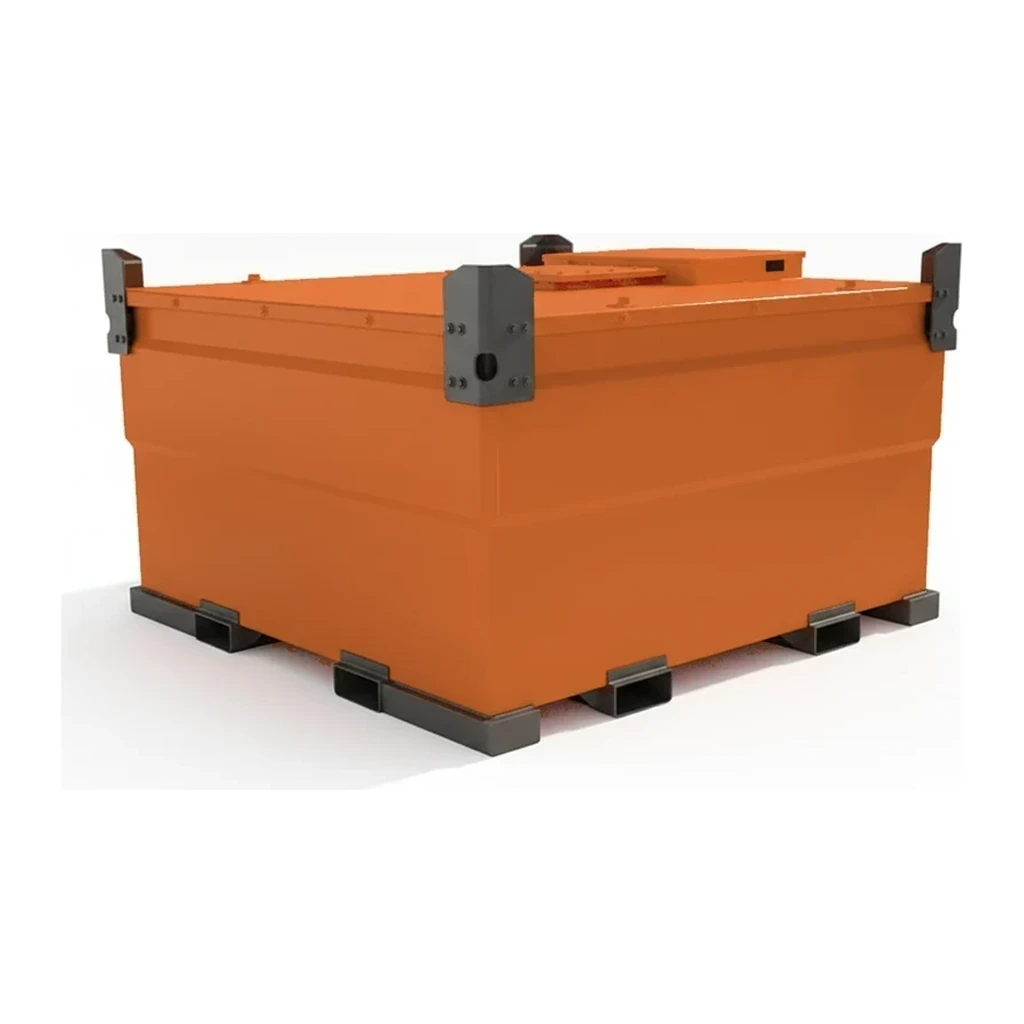
A fuel tank is a portable storage vessel designed to hold diesel, gasoline, or other petroleum fuels on construction sites, industrial facilities, and remote work locations. These tanks enable on-site refueling of equipment and generators without requiring frequent fuel delivery or off-site trips. Available in single-wall and double-wall configurations, fuel tanks serve as temporary fuel depots that maintain fleet operations between bulk deliveries.
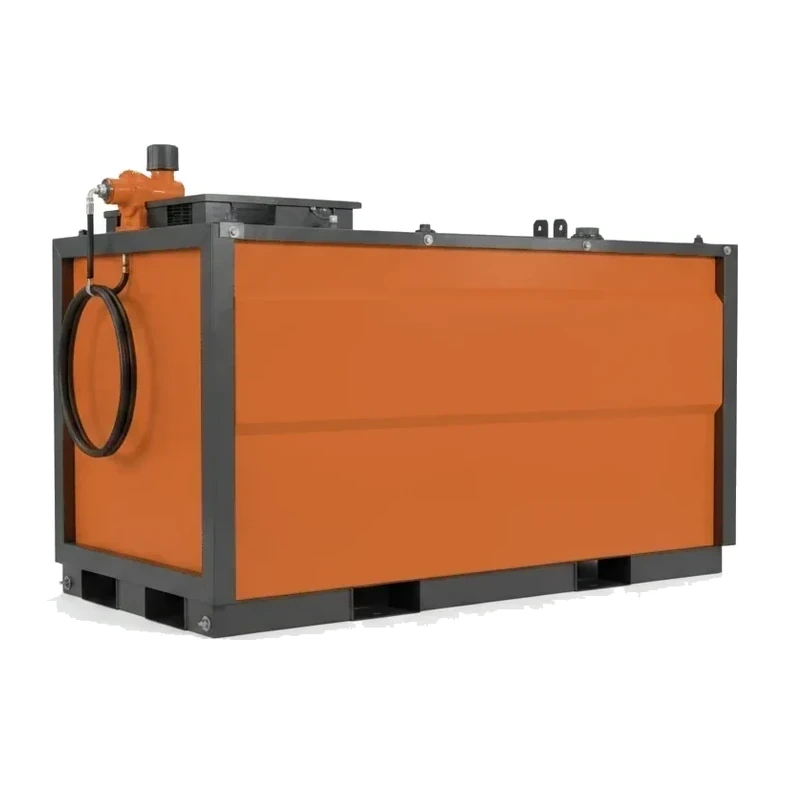
Cat classes
Choisissez une classe de taille — la capacité et la portée varient selon la gamme.
Fonctionnement
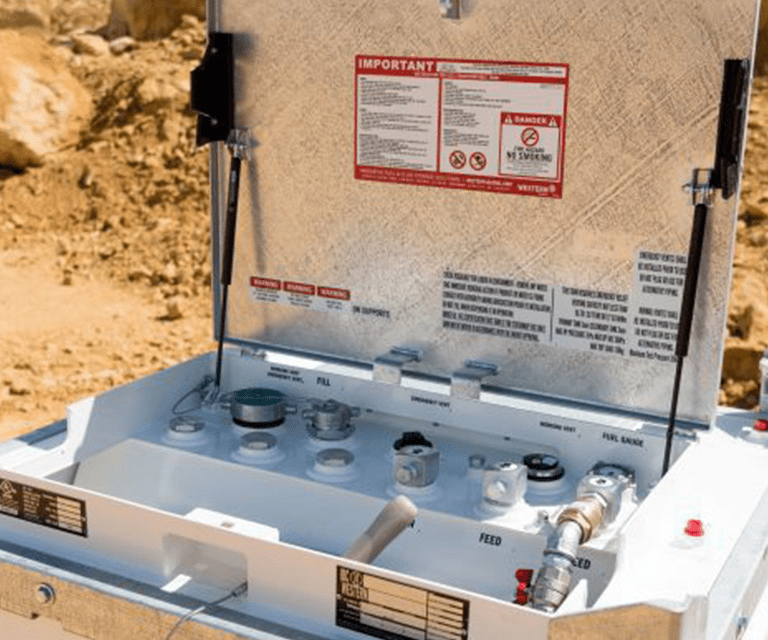
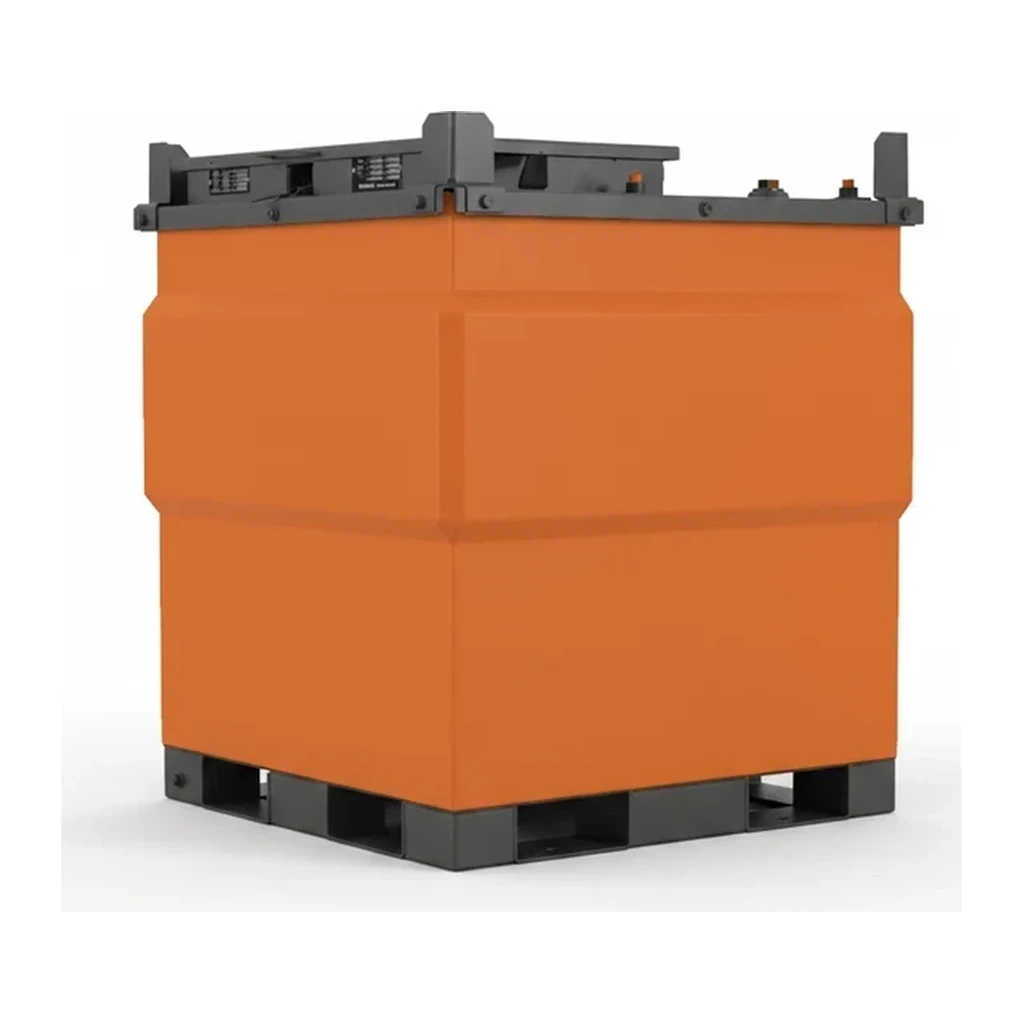
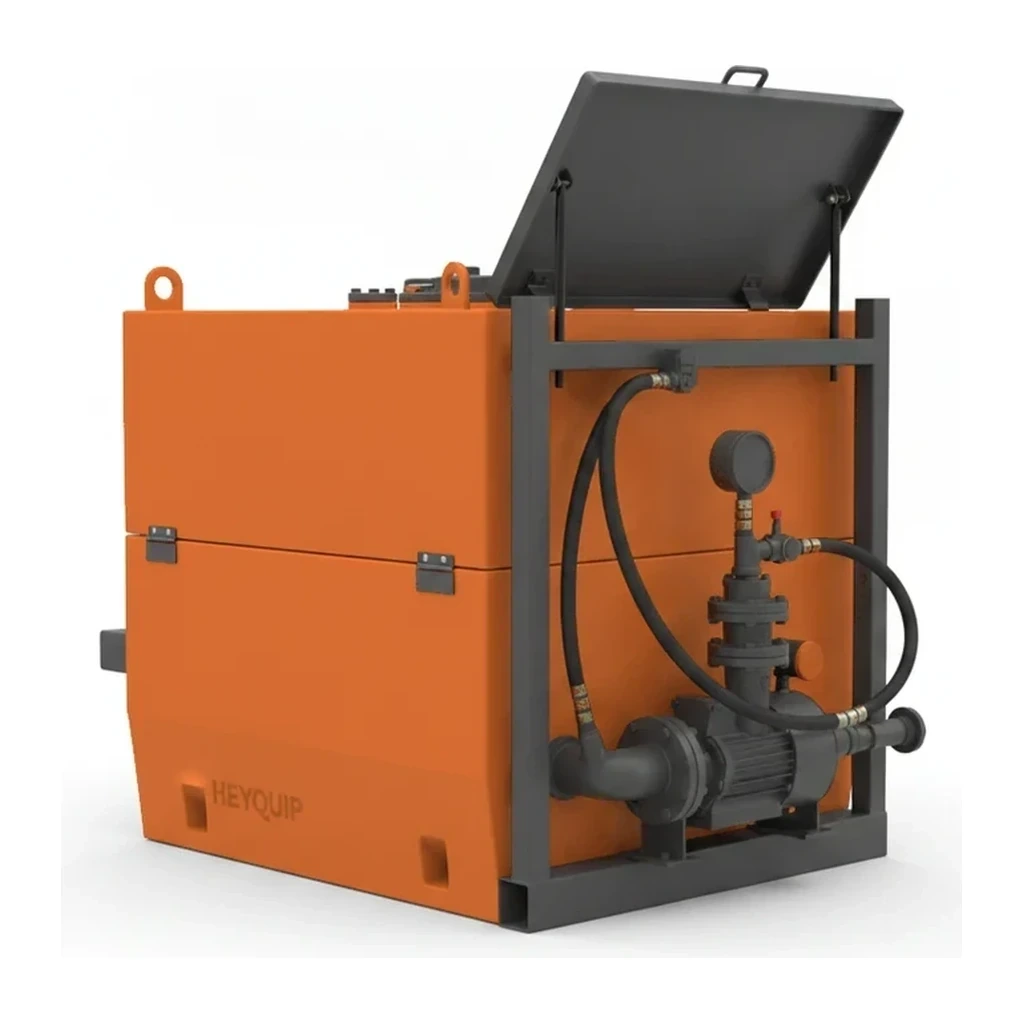
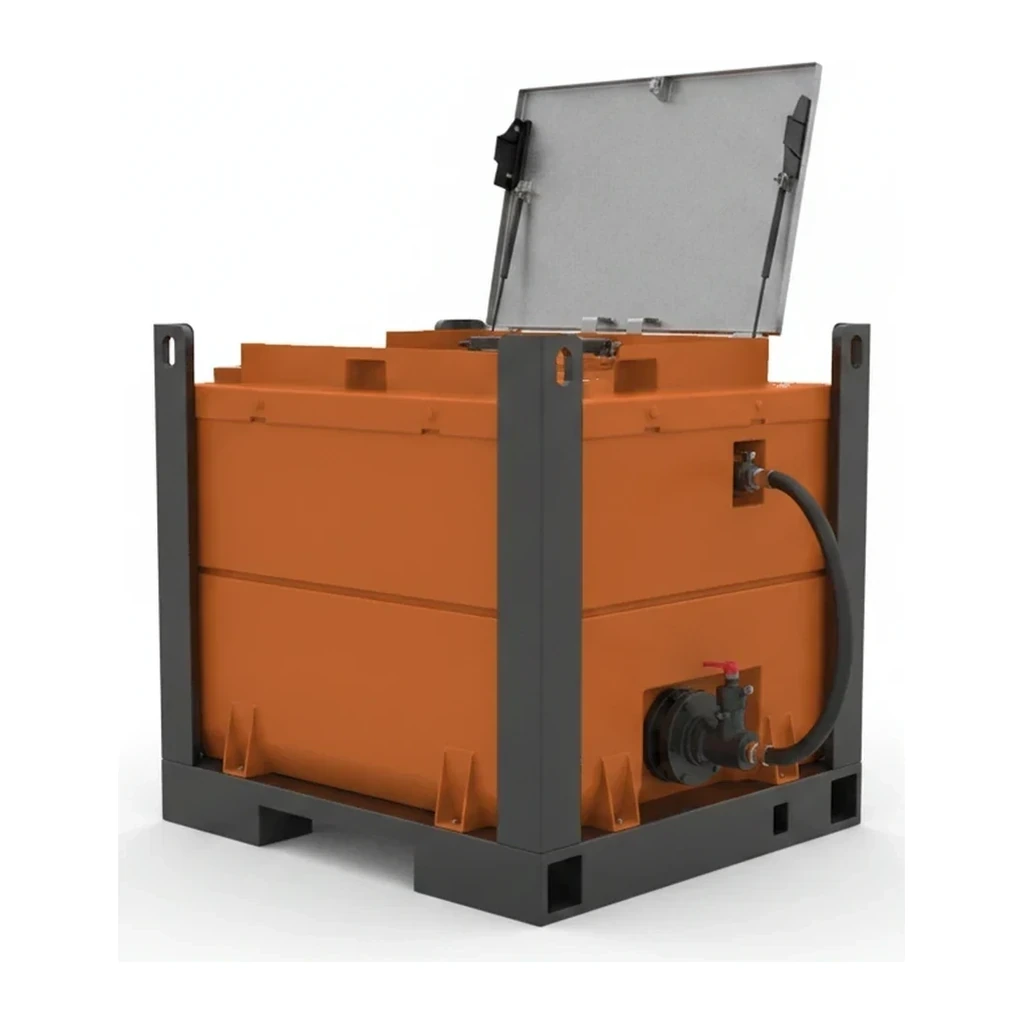
Fuel tanks store petroleum products in rigid containers constructed from steel, polyethylene, or composite materials. Double-wall designs feature an inner tank surrounded by an outer containment shell with interstitial monitoring to detect leaks. Most units include integrated pump systems, dispensing nozzles, and metering equipment for controlled fuel transfer. Many models incorporate secondary containment features such as spill basins, drip trays, and overfill prevention devices to meet environmental regulations. Larger tanks may include forklift pockets, lifting lugs, or skid bases for transport and positioning. Gravity-feed systems and 12V or AC-powered pumps enable fueling of equipment directly at the tank location or via extended hose reels.
Types et variantes
- Fuel Cube
- Compact, portable units typically up to 500 gallons with integrated containment, designed for forklift or crane placement at point-of-use locations.
- Double-Wall Tank
- Dual-layer construction with leak detection between walls, meeting EPA and state-level secondary containment requirements without external berms.
- Skid Tank
- Larger capacity tanks mounted on steel skids with forklift channels, often equipped with dispensing systems and fuel management electronics.
- Transfer Tank
- Mobile refueling units with pump systems, hose reels, and nozzles for vehicle-to-vehicle or vehicle-to-equipment fuel transfer applications.
- Above-Ground Fuel Pod
- Stationary or semi-permanent installations with bulk storage capacity, monitoring systems, and multiple dispensing points for fleet fueling operations.
Spécifications clés
| Spécification | Plage typique | Signification |
|---|---|---|
| Capacity | Up to 250–2,000+ gal | Storage volume determines refueling frequency and number of machines supported; the primary sizing criterion. |
| Load Capacity | 441–8,157 lb (200–3,700 kg) | Maximum weight of fuel and tank structure; critical for transport method selection and placement surface load limits. |
| Max Height | 3.6–104 ft (1.1–31.7 m) | Overall dimension affecting transport clearance, crane reach requirements, and overhead obstruction considerations. |
| Wall Construction | Single-wall or double-wall | Determines containment compliance; double-wall designs eliminate need for external secondary containment in many jurisdictions. |
| Dispensing System | 12V DC or 110V AC pump, manual or automatic nozzle | Fuel transfer method and flow rate; impacts refueling time and site power requirements. |
Comment l'industrie le dimensionne
Fuel tanks are sized and classified by gallon capacity, with the industry grouping them into five standard bands: up to 250 gallons for topping up small equipment with a cube a forklift or truck crane can set anywhere; 250–500 gallons for the standard site fuel cube providing about a week for a few machines; 500–1,000 gallons to keep a mid-size fleet running between deliveries; 1,000–2,000 gallons for full site fueling of generators and an equipment fleet without daily delivery; and 2,000+ gallons for bulk diesel on large sites, remote work, and long continuous generator runs. Selection depends on fuel consumption rate, delivery frequency economics, site access for tanker trucks, and available transport equipment for tank positioning.
Applications
- Construction site refueling of excavators, loaders, dozers, and support equipment without off-site trips or daily fuel deliveries
- Generator fueling for extended power generation during outages, special events, and locations without utility connections
- Remote work location fuel supply where distance from commercial fuel sources makes frequent travel impractical
- Forestry and agricultural operations requiring fuel distribution across large land areas or seasonal work sites
- Emergency response and disaster recovery operations establishing temporary refueling infrastructure in affected areas
- Mining and quarry operations supporting equipment fleets operating continuously in off-grid locations
Sécurité et opération
- Tanks must be placed on level, stable surfaces with appropriate load-bearing capacity; avoid placement near ignition sources, electrical equipment, or high-traffic areas
- Double-wall tanks or secondary containment systems (berms, spill pallets) are required in most jurisdictions to prevent soil and groundwater contamination from leaks
- Grounding and bonding connections between tank, dispensing equipment, and receiving vessel prevent static electricity buildup during fuel transfer
- Fuel storage areas require appropriate fire extinguishers (Class B), no-smoking signage, and clearance from combustible materials per fire code requirements
- Overfill prevention devices, automatic shut-off nozzles, and drip containment minimize spills during filling and dispensing operations
Normes et certifications
- EPA · 40 CFR 112 (SPCC)
- Spill Prevention, Control, and Countermeasure requirements for aboveground fuel storage; mandates secondary containment for many installations.
- UL · UL 142
- Standard for Steel Aboveground Tanks for Flammable and Combustible Liquids; covers tank construction, testing, and marking requirements.
- NFPA · NFPA 30
- Flammable and Combustible Liquids Code establishes clearances, venting, dispensing, and fire protection requirements for fuel storage.
- OSHA · 29 CFR 1926.152
- Construction industry standards for flammable liquid storage, including spacing, grounding, and container specifications for job sites.
Questions fréquentes
What is the difference between single-wall and double-wall fuel tanks?
How is fuel tank capacity matched to site requirements?
What placement and handling equipment is required for fuel tanks?
What fuel types can be stored in portable fuel tanks?
Comparer les modèles populaires
Chercher par spécification →Normalisé aux mêmes unités. Un tiret signifie que la valeur n'a pas été publiée.
| Modèle | Capacité de charge | Hauteur max |
|---|---|---|
| Norwesco Horizontal Leg Tank 525 gal (Premium) | 525 gal | 5.9 ft (1.8 m) |
| Norwesco Horizontal Leg Tank 1025 gal (Premium) | 1,025 gal | 11.6 ft (3.5 m) |
| Norwesco Containment Basin 500 gal | 500 gal | 7.7 ft (2.3 m) |
| Plastic-Mart Norwesco 1635 Gallon Horizontal Leg Tank (N-40400) | 1,635 gal | 11.8 ft (3.6 m) |
| Poly-Mart PM300CT | 300 gal | 7.2 ft (2.2 m) |
| Poly Processing Horizontal Tanks | 2,600 gal | 13 ft (4.0 m) |
Équipements connexes
Parcourir par fabricant
Sources
Chaque spécification est vérifiée par rapport aux données publiées par le fabricant, avec la source liée pour référence.
Tous les modèles
120 modèles · Page 2 sur 3 · Chaque spécification citée à la source