
Water Tank
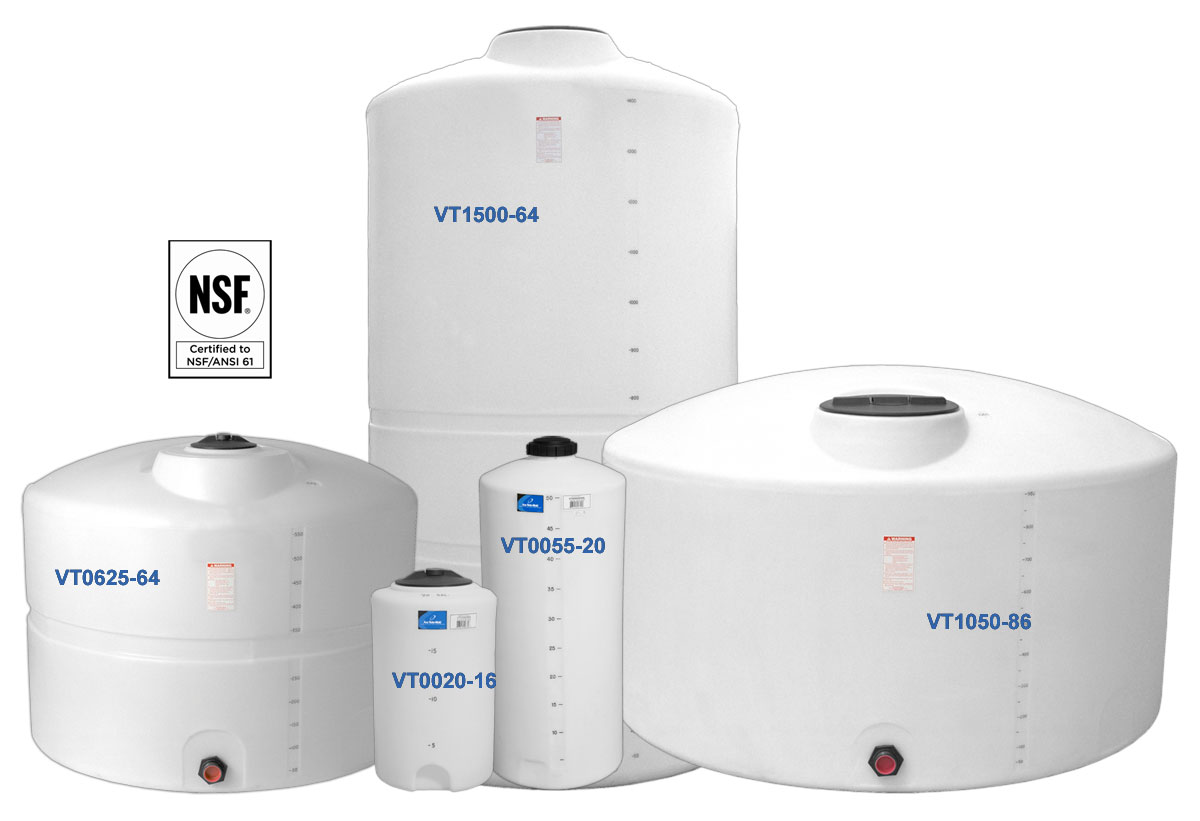
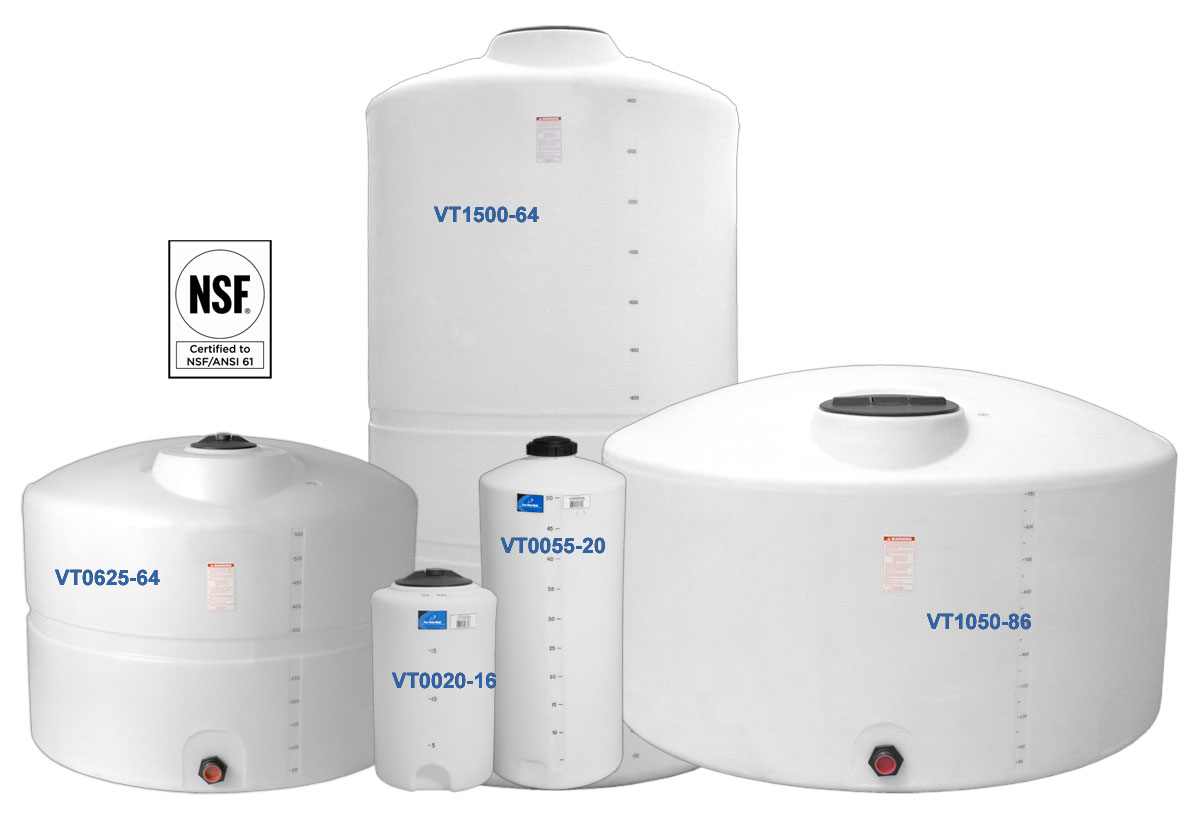
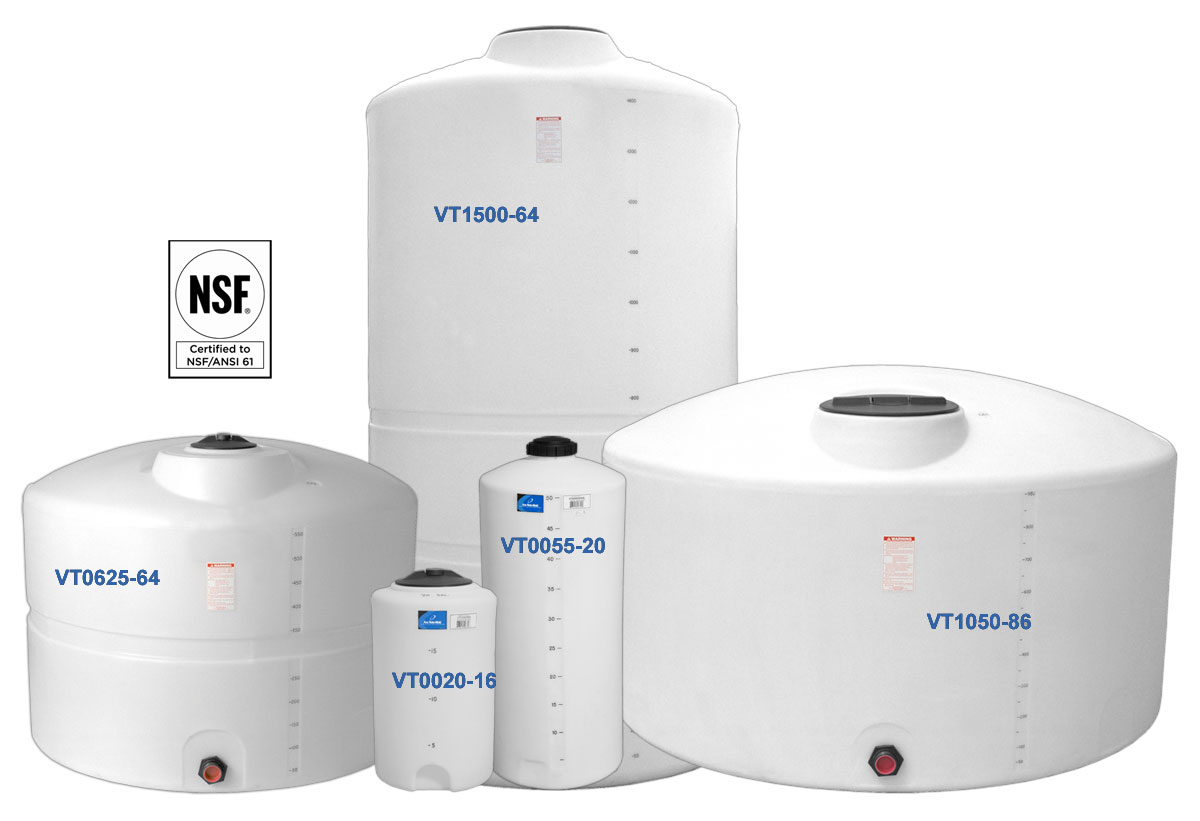
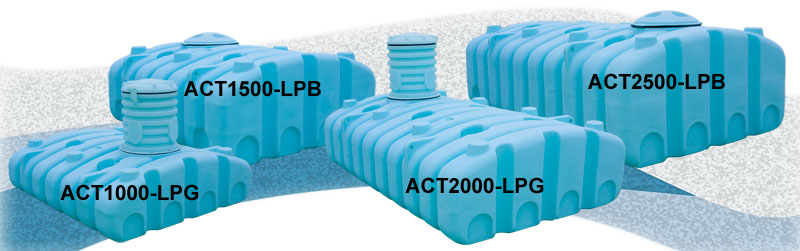
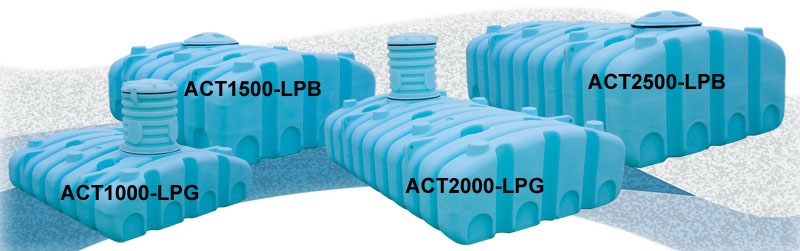
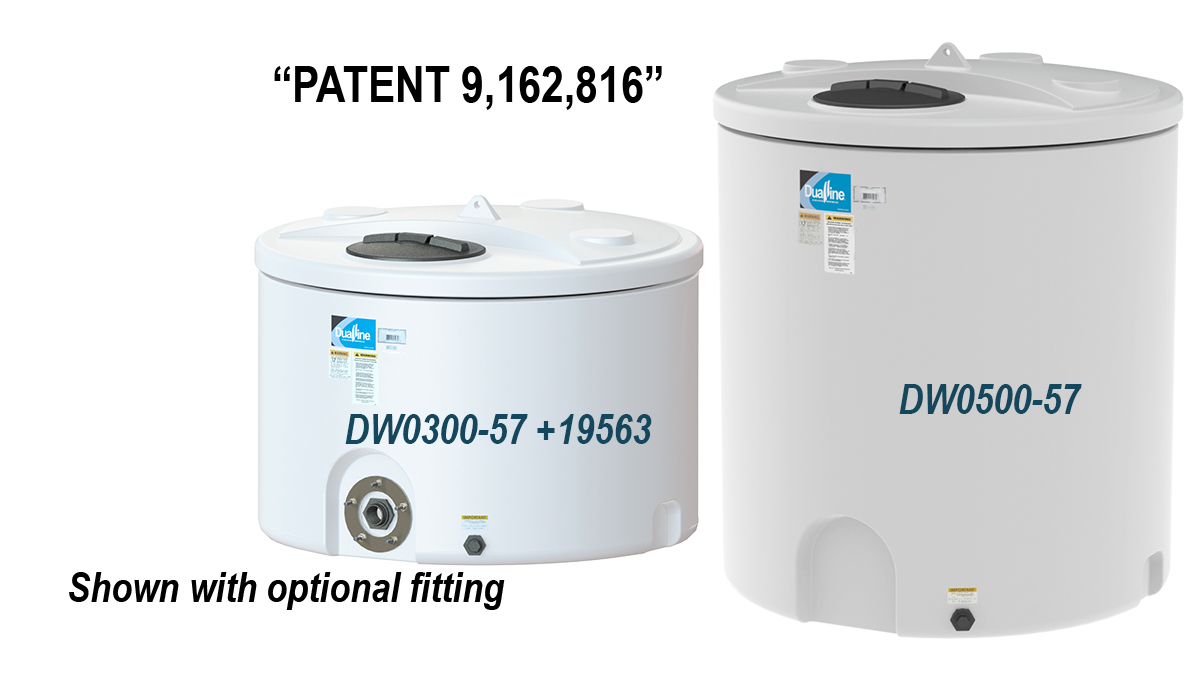
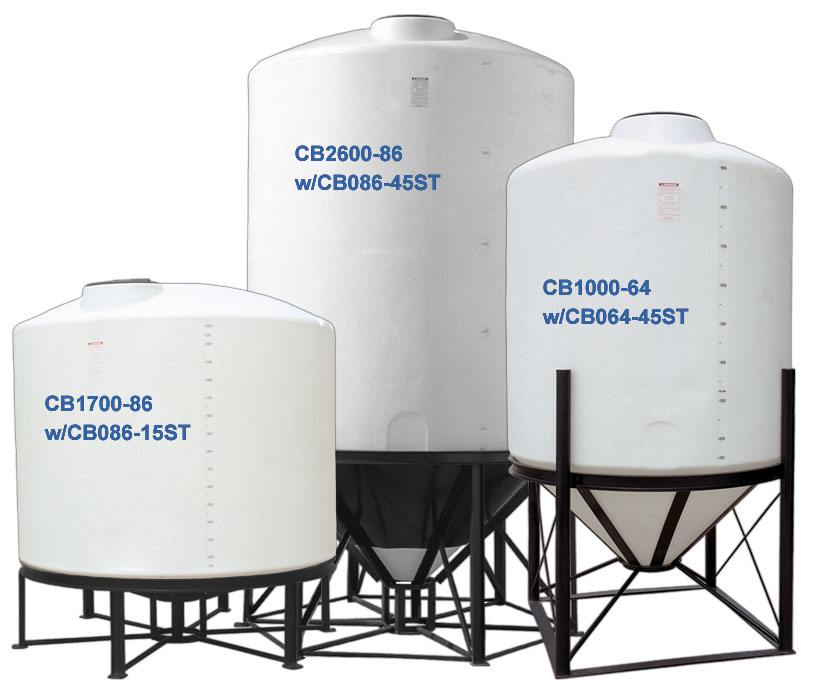
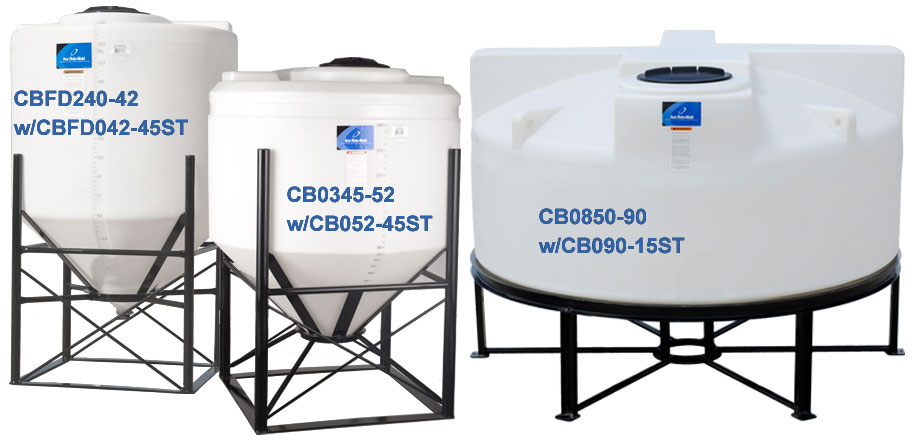
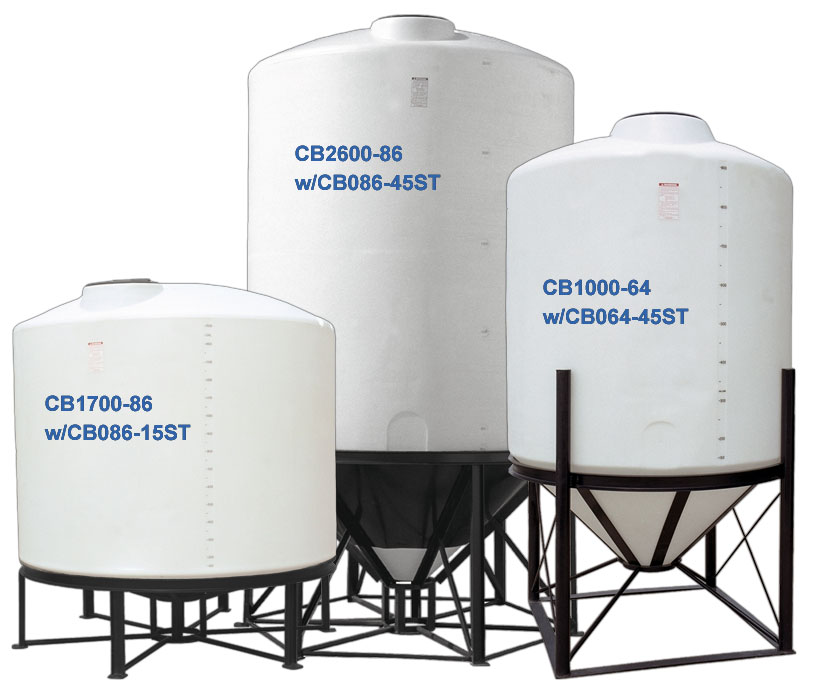
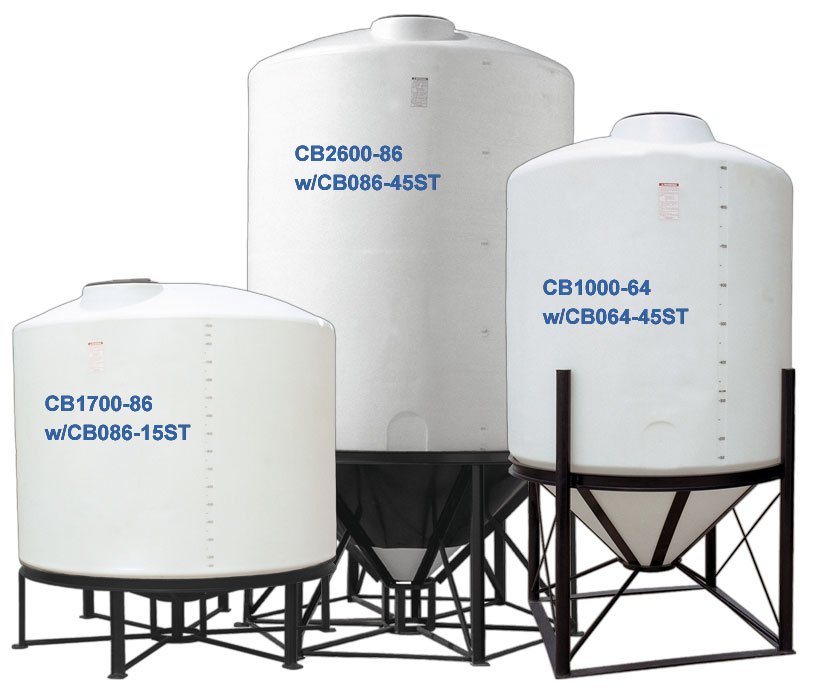
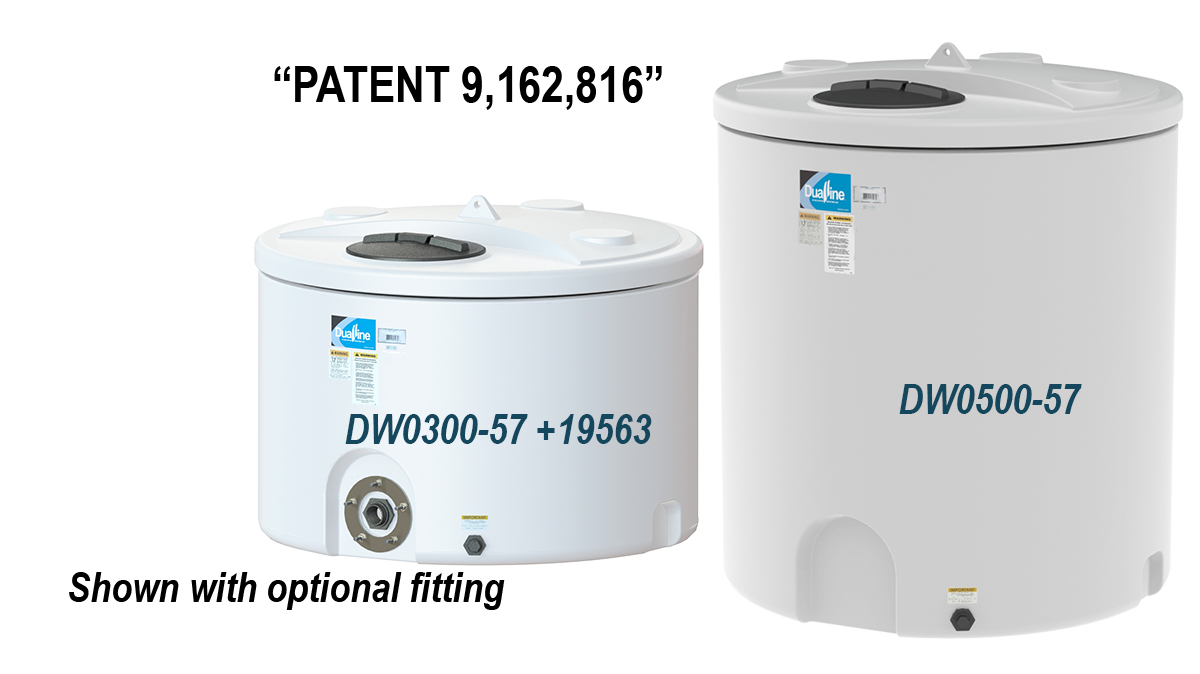
A water tank is a storage vessel designed to hold clean or potable water at jobsites, facilities, and temporary locations. These tanks provide on-site water supply for dust control, equipment washing, hydro-seeding, compaction operations, potable supply, and fire protection where permanent water infrastructure is unavailable or insufficient.
Cat classes
Choisissez une classe de taille — la capacité et la portée varient selon la gamme.
Fonctionnement
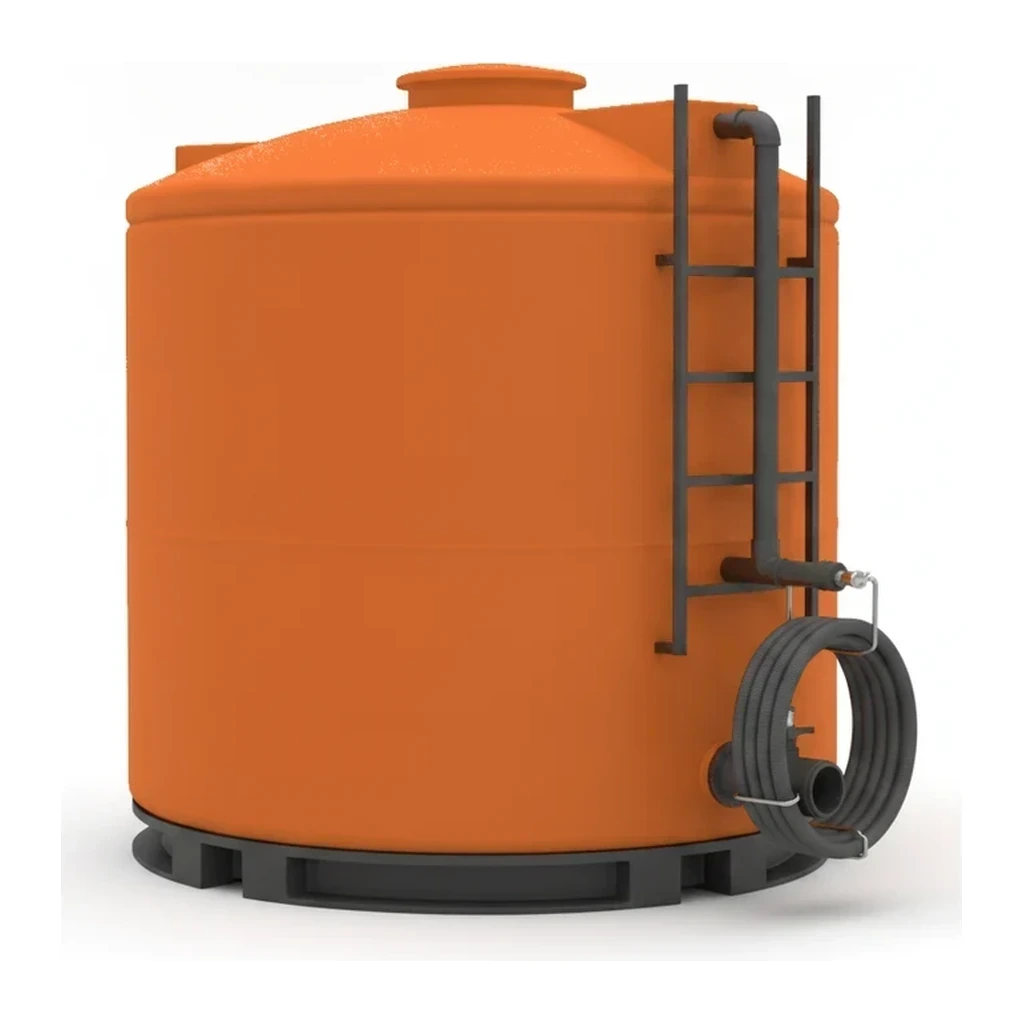
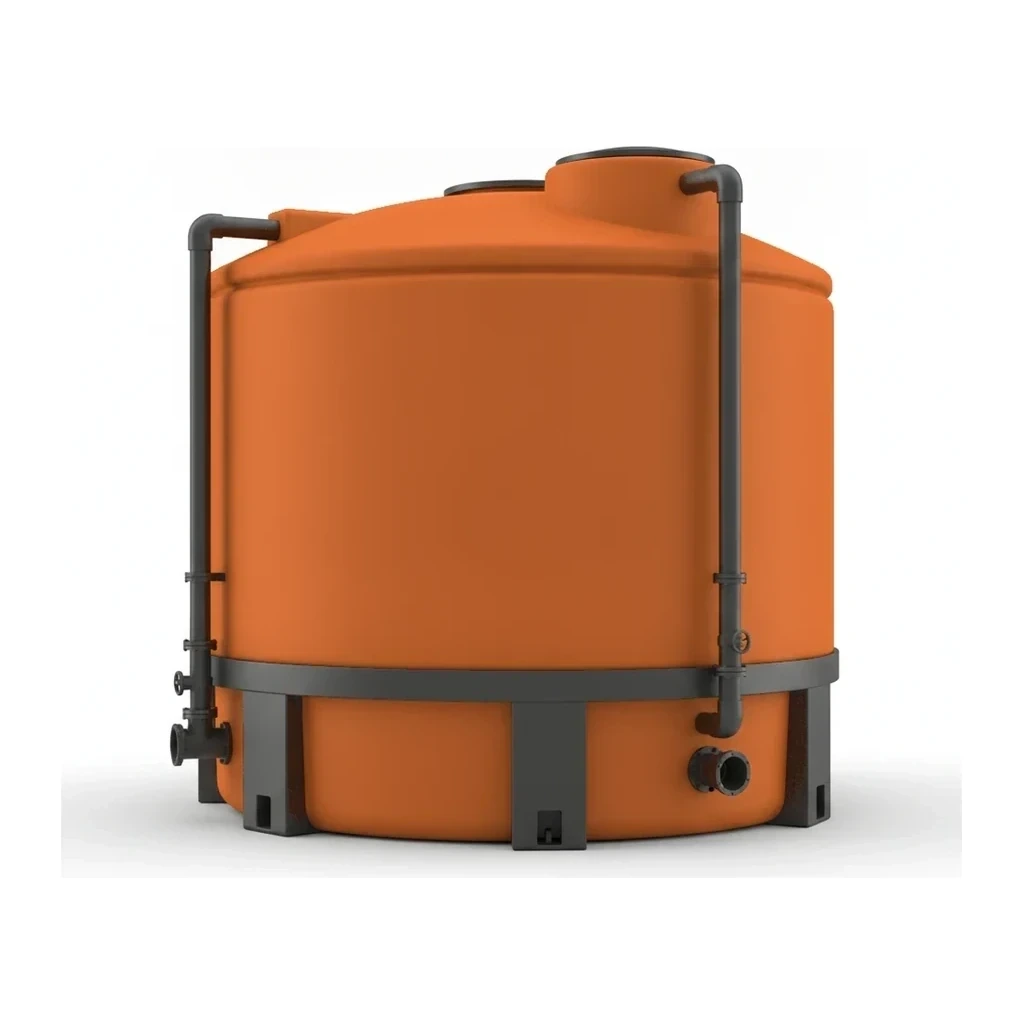
Water tanks receive water via truck delivery, municipal fill, or pumped transfer, storing the volume until withdrawn through gravity drains, manual valves, or integrated pumps. Most site tanks are polyethylene or steel construction with inlet fittings at the top and outlet valves or hose connections at the base. Portable models under approximately 500 gallons typically feature forklift pockets or skid frames for repositioning, while larger tanks are delivered by flatbed and remain stationary. Tanks may include level gauges, vented lids to prevent vacuum lock, and optional insulation or heating for freeze protection in cold climates.
Types et variantes
- Poly Tank
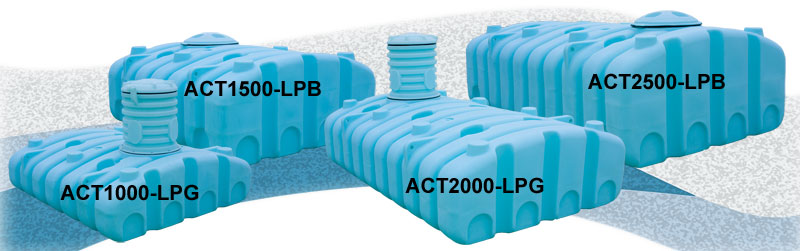
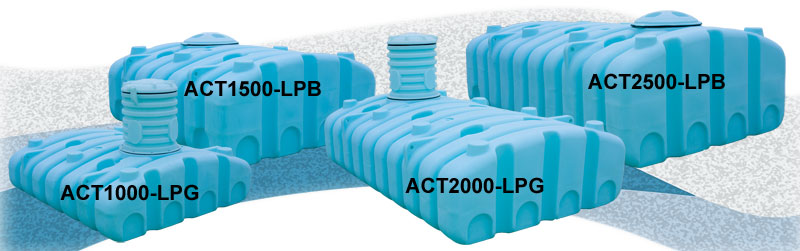
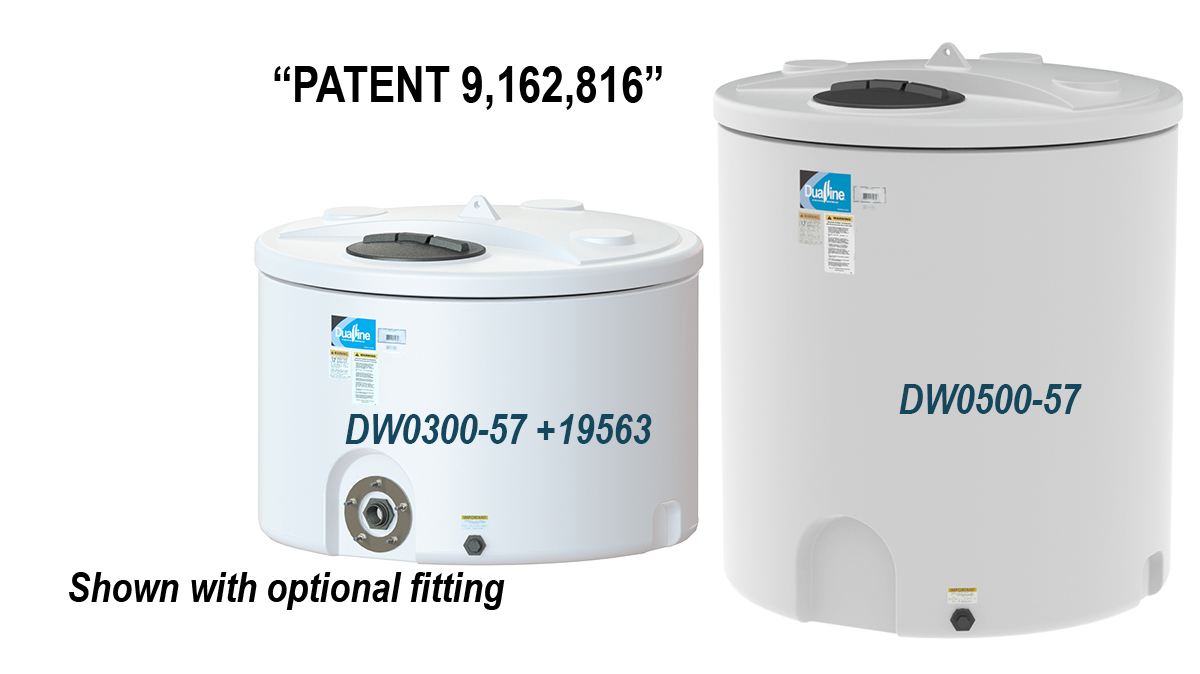
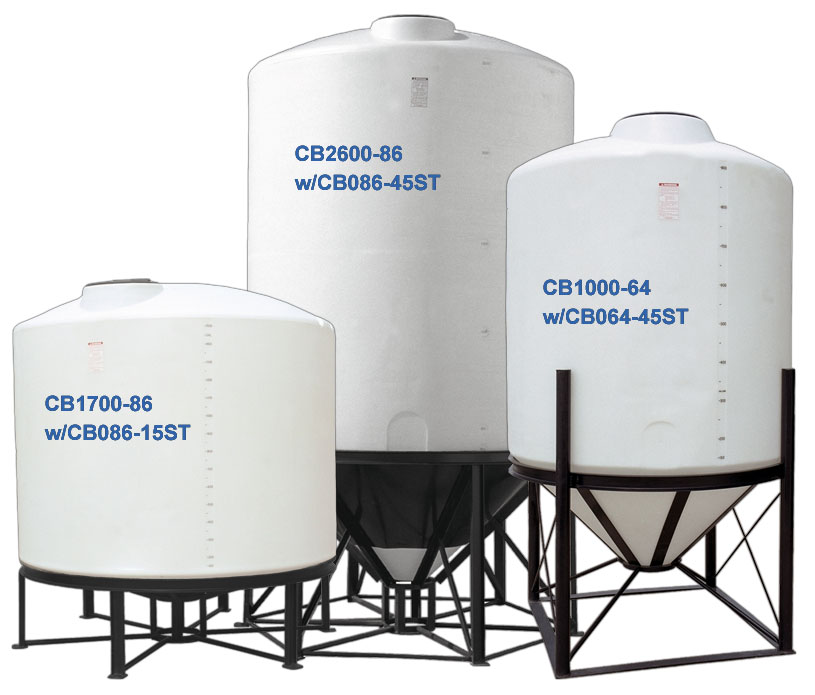
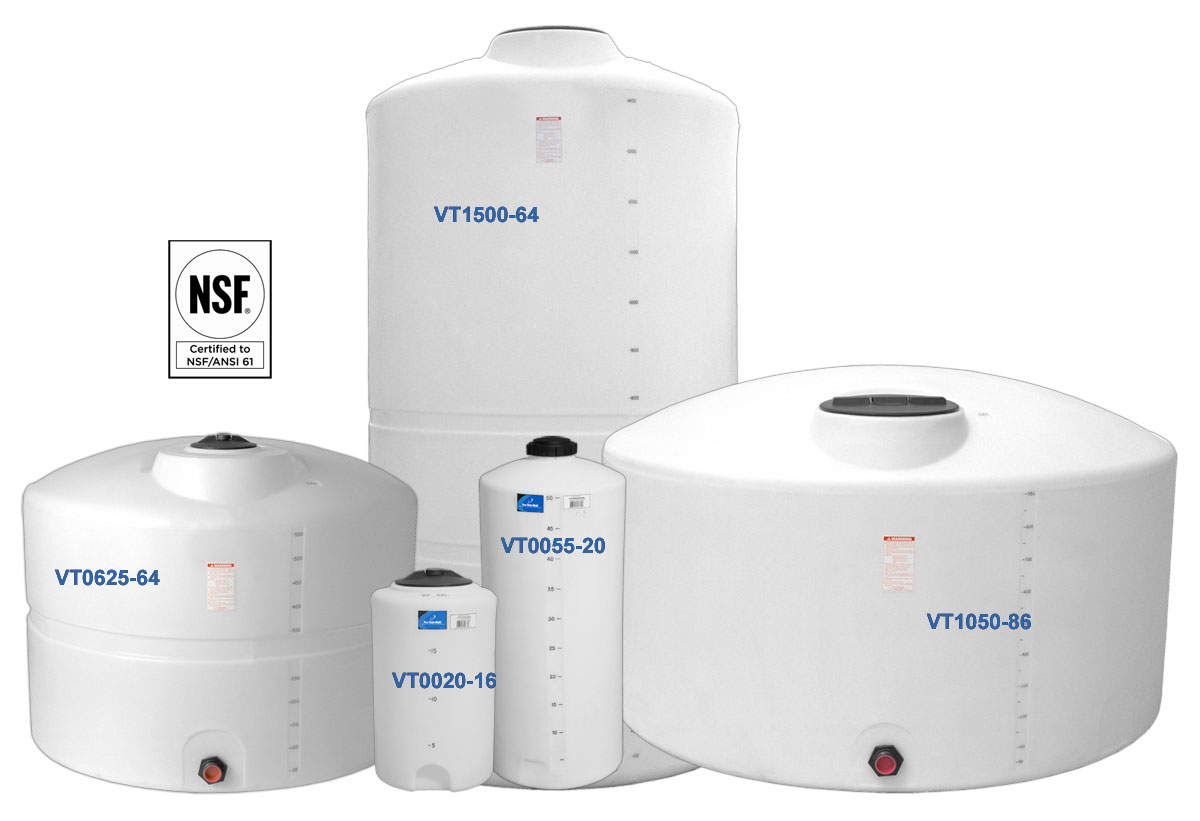
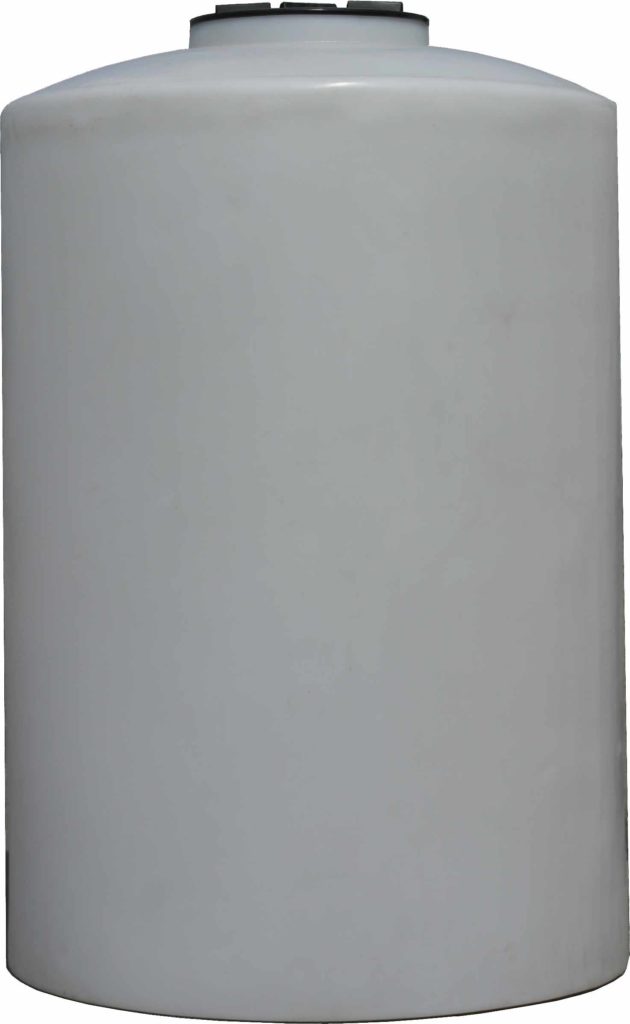
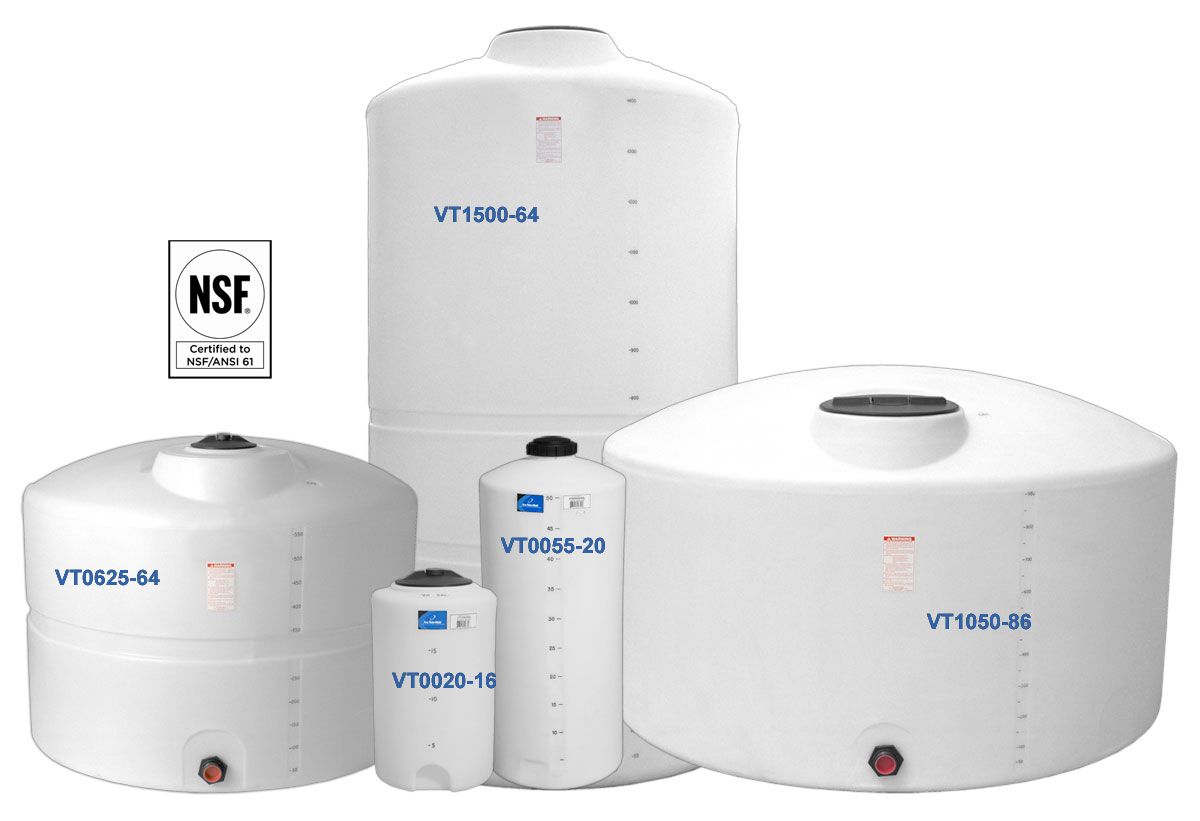
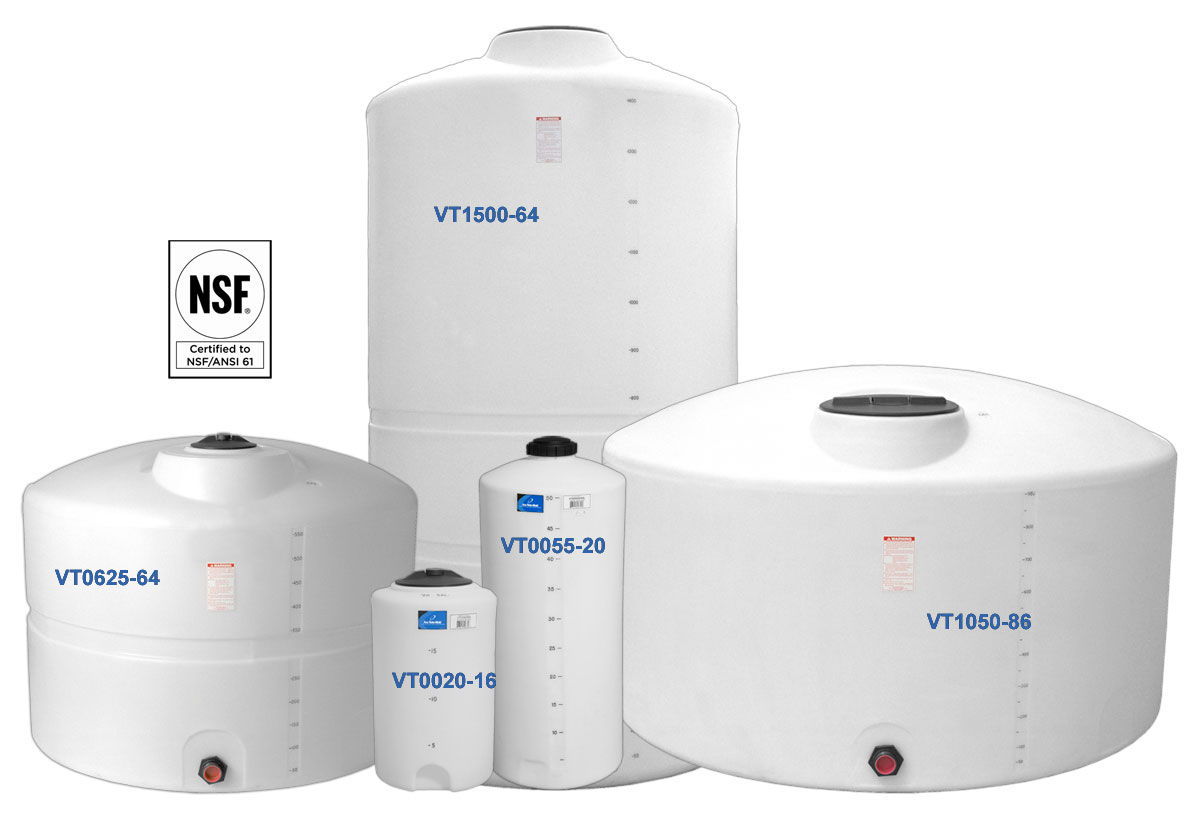
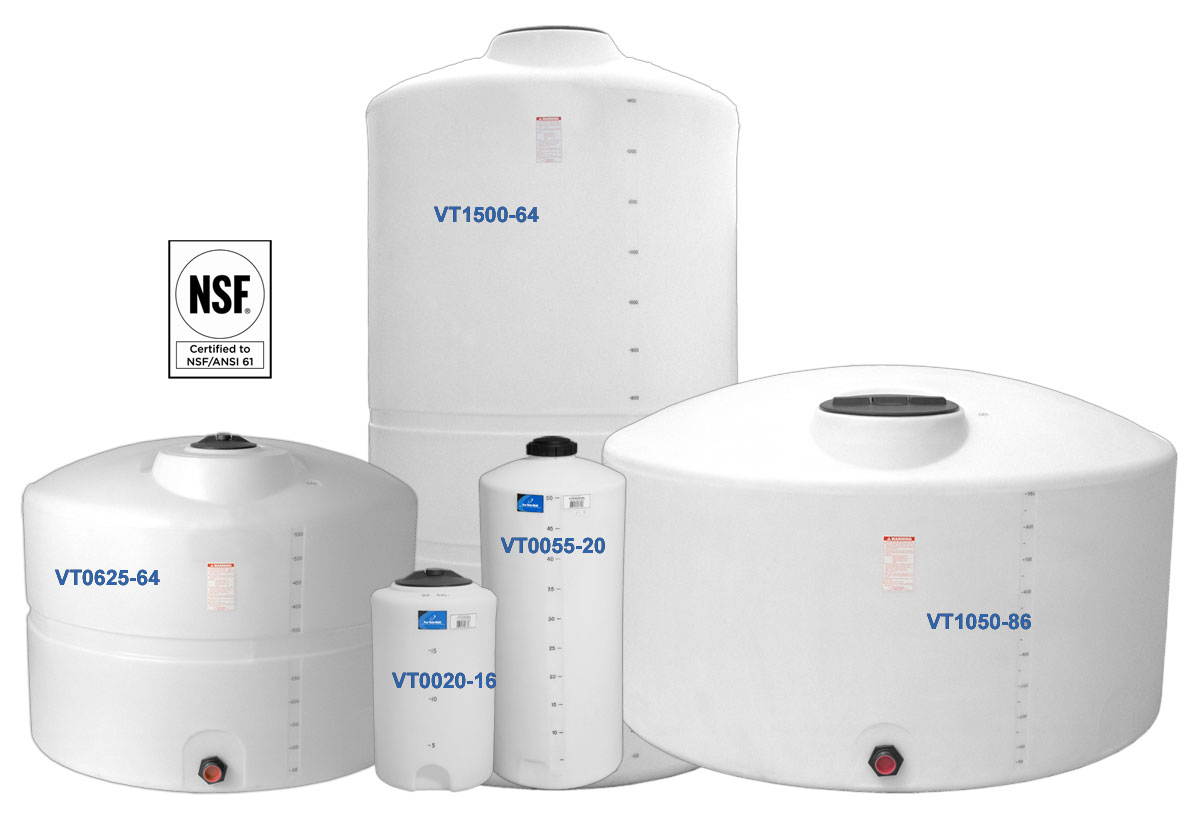
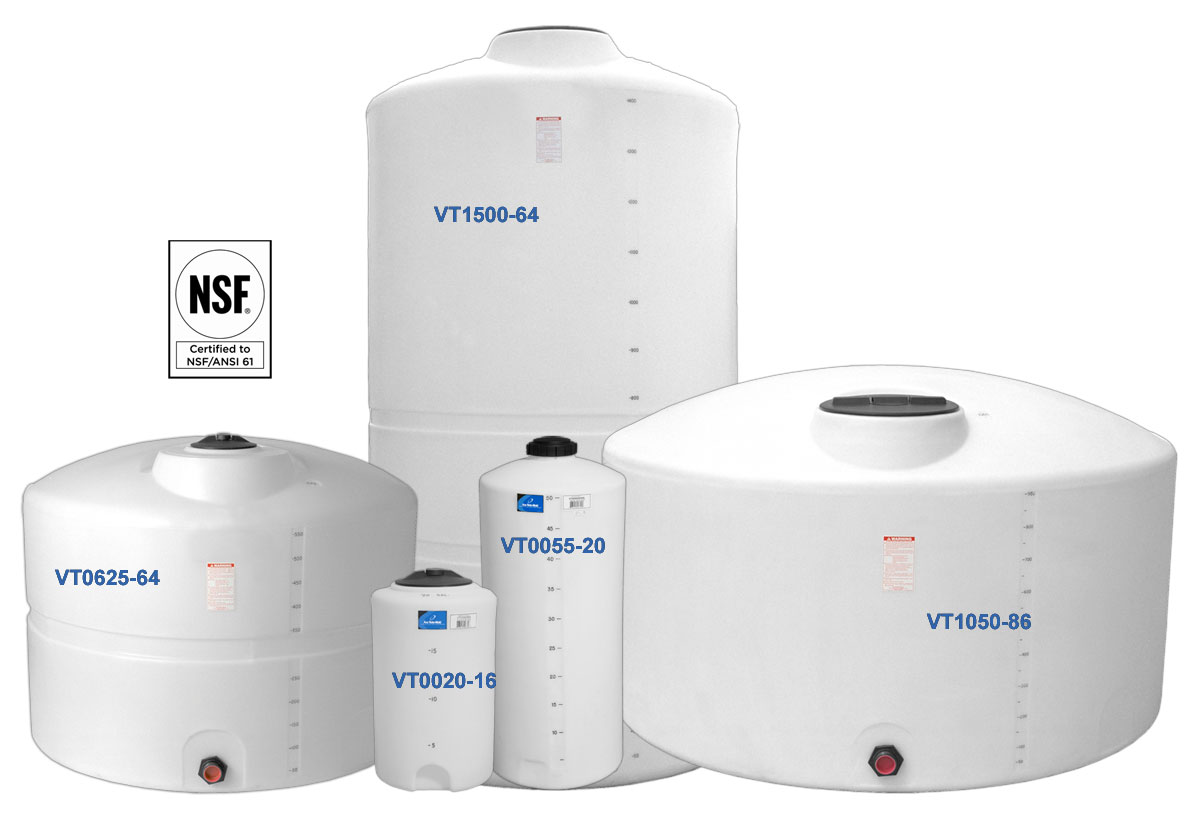
- Rotationally molded polyethylene tank; UV-resistant, corrosion-free, and lightweight for easy transport; most common for jobsite water storage from 60 to 2,000 gallons.
- Steel Tank
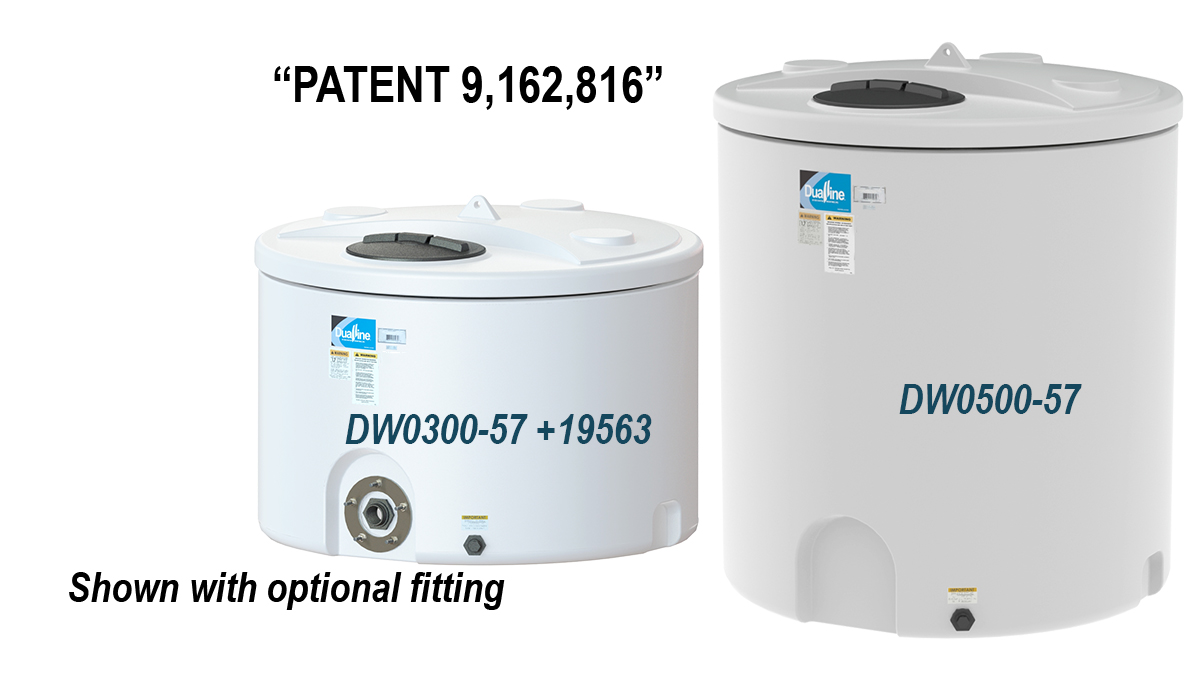
- Welded steel construction for large-volume permanent or semi-permanent installations; often used for potable water, fire protection, and process water in capacities above 2,000 gallons.
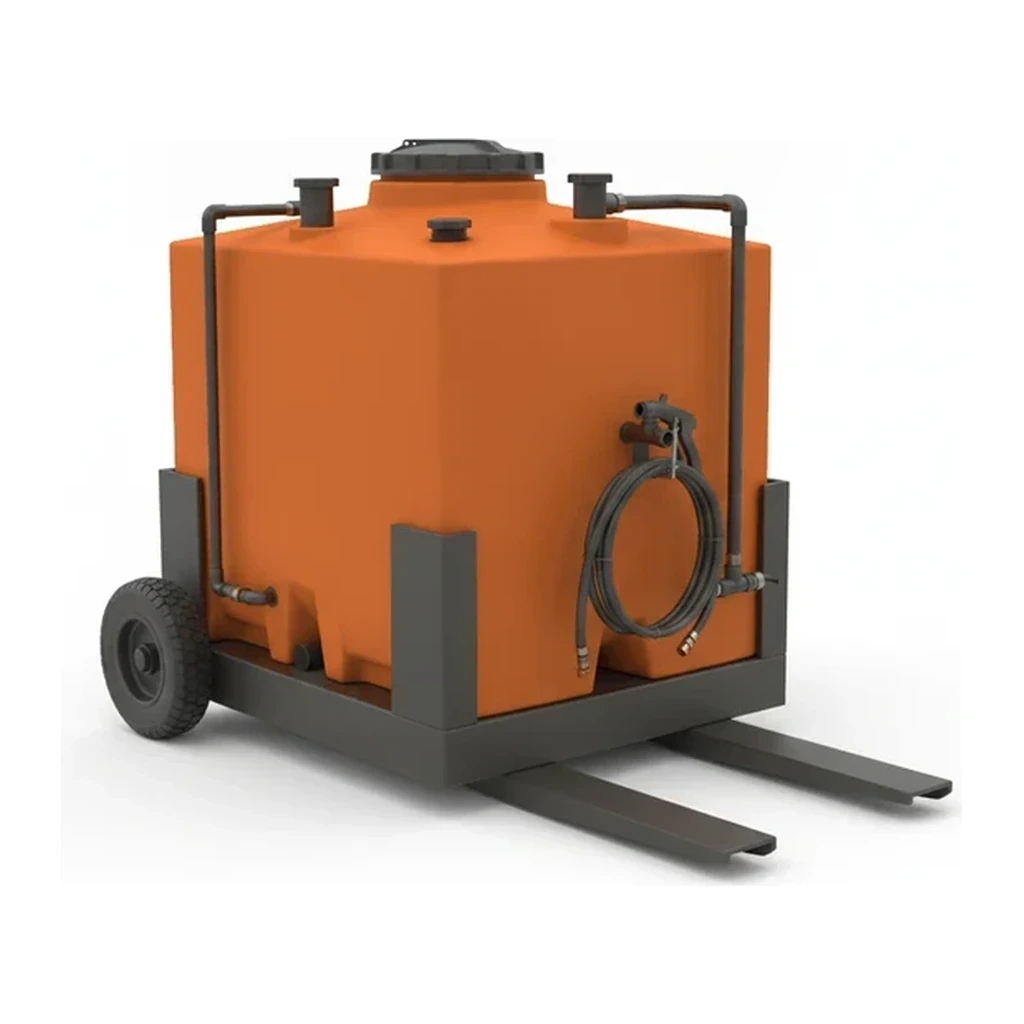
- Skid Tank
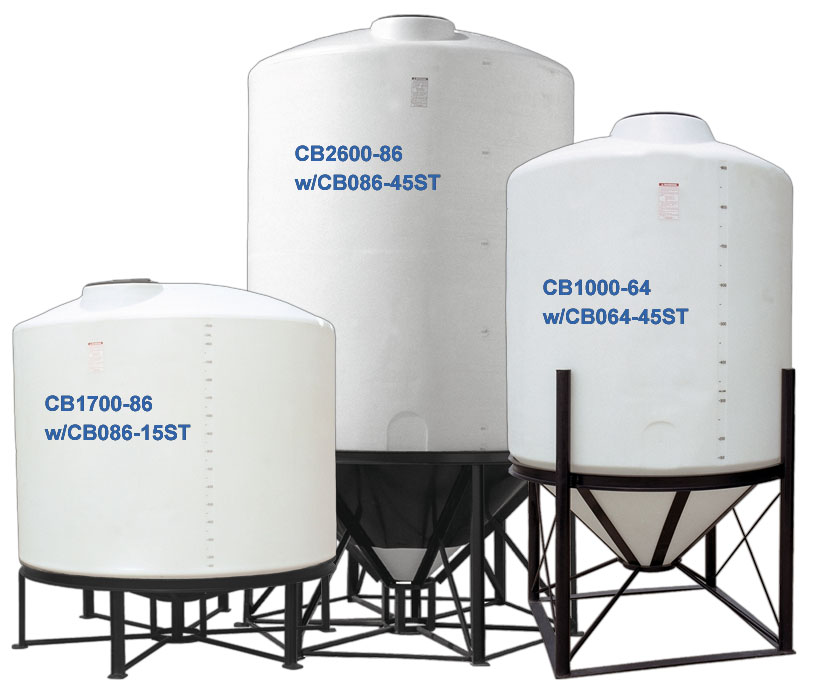
- Tank mounted to a skid or forklift-compatible base for easy repositioning; common in 200–500 gallon sizes for dust control crews and small-crew washdown.
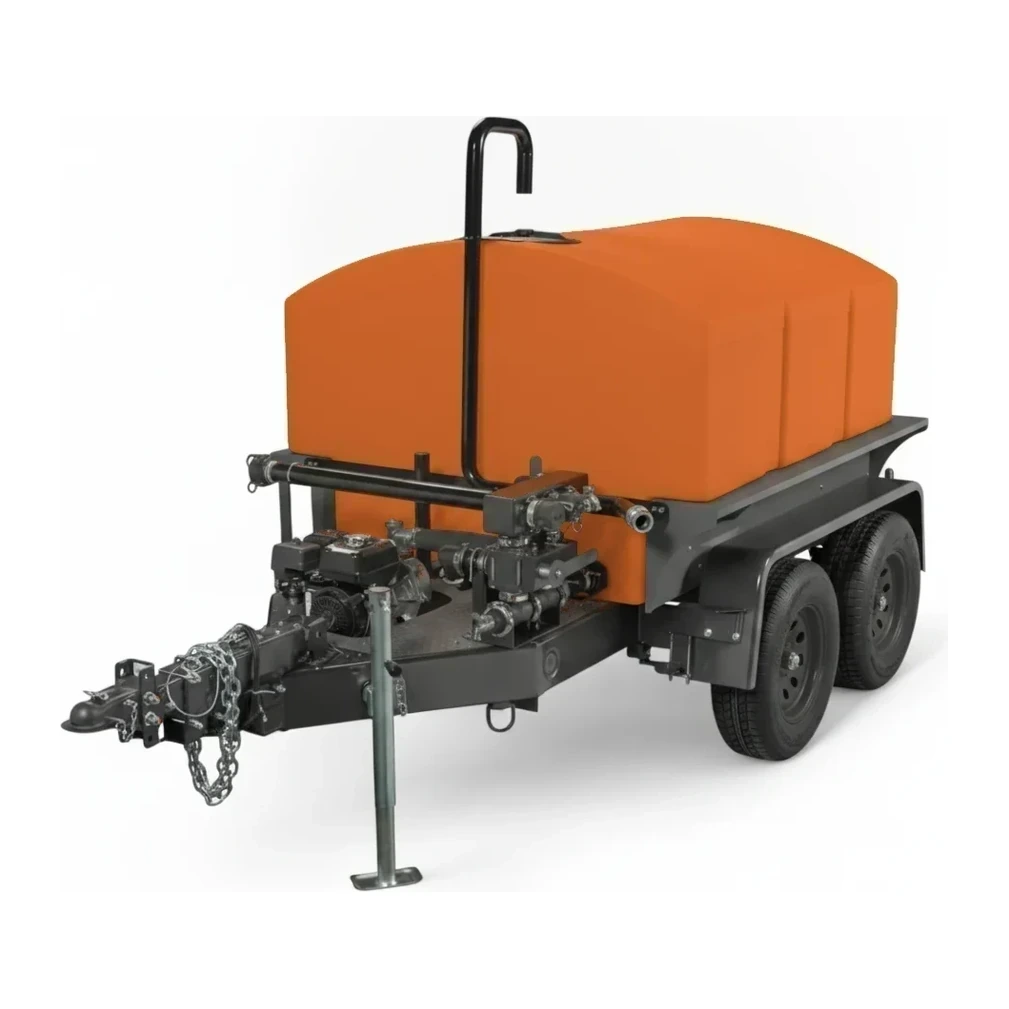
- Portable Water Trailer
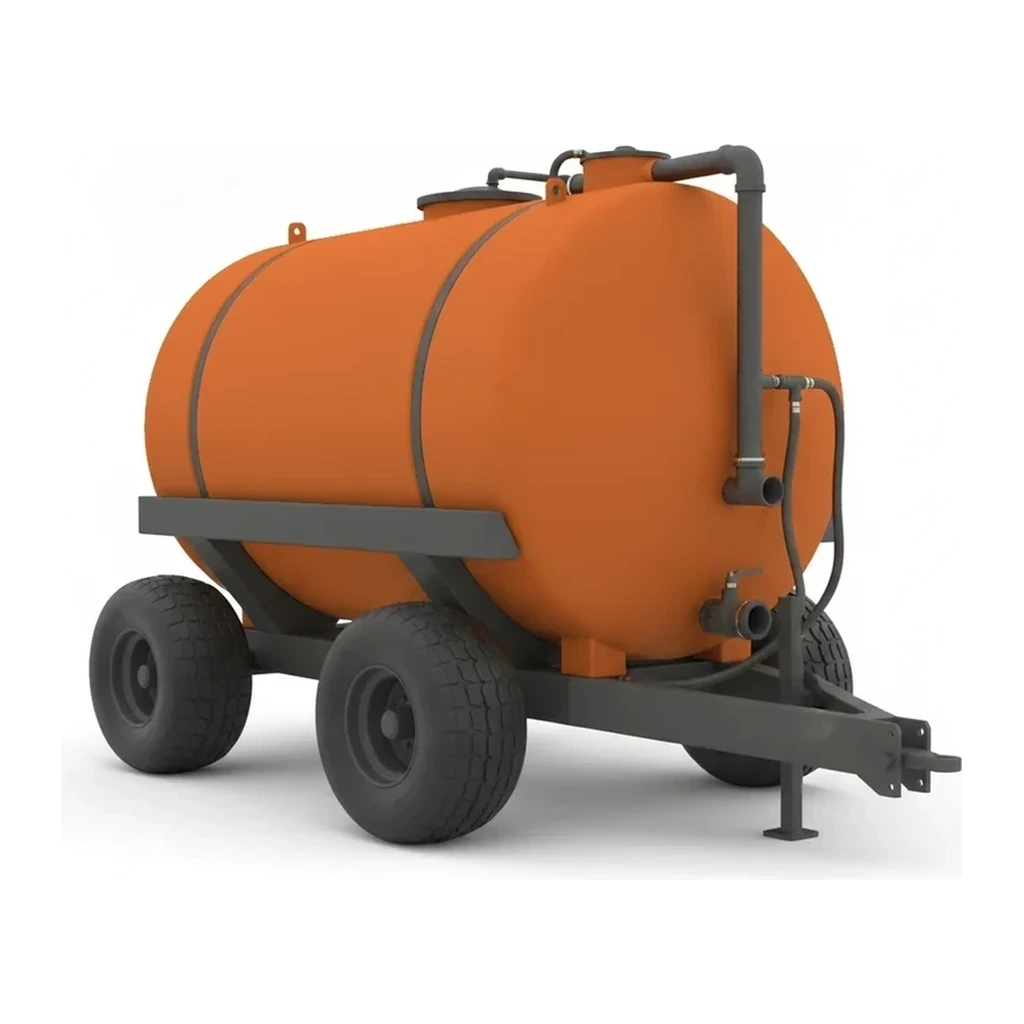
- Trailer-mounted tank with road-rated axle and hitch; allows towing to multiple locations and often includes integral pump and hose reel for mobile dust control.
- Water Bladder
- Collapsible fabric tank that lies flat when empty; useful for emergency water storage, temporary supply, and locations with constrained access.
- Potable Water Tank
- Tank constructed from food-grade, NSF/ANSI-61 certified materials for safe storage of drinking water; features sanitary fittings and often opaque walls to inhibit algae growth.
Spécifications clés
| Spécification | Plage typique | Signification |
|---|---|---|
| Capacity | 60–5,000 gal (common bins: 60–500, 500–1,000, 1,000–2,000 gal) | Volume of water the tank stores; the primary sizing dimension for matching supply duration and application demand. |
| Load Capacity | 441–11,023 lb (200–5,000 kg) | Maximum weight of water the tank structure and base can support; relevant for trailer-mounted and skid-mounted models. |
| Max Height | 3–47 ft (0.9–14.3 m) | Overall height of the tank when upright; influences transport clearance and gravity-fed outlet pressure. |
| Outlet Size | ¾"–2" NPT or camlock | Diameter of the drain valve or hose connection; determines flow rate and compatibility with pumps or hoses. |
| Material | Polyethylene, steel, or reinforced fabric | Construction material affecting weight, corrosion resistance, portability, and suitability for potable versus non-potable water. |
Comment l'industrie le dimensionne
Water tanks are sized by gallon capacity. Tanks from 60 to 500 gallons serve small crews for dust control and washdown, often repositioned by forklift. The 500–2,000 gallon range supports hydro-seeding, compaction water, and temporary site supply. Tanks from 2,000 to 6,000 gallons deliver bulk water to fill water trucks or supply full-site dust control programs. Capacities above 6,000 gallons—commonly 10,000 to 21,000 gallons—serve potable supply, fire protection, and process water; jobs requiring more than approximately 21,000 gallons typically transition to frac tanks.
Applications
- Dust control and suppression on construction sites, haul roads, and demolition areas
- Hydro-seeding and erosion control for vegetation establishment and slope stabilization
- Compaction water for soil stabilization, embankment construction, and roadway preparation
- Temporary potable water supply for remote camps, emergency response, and facilities without water infrastructure
- Equipment and vehicle washdown stations at jobsites and maintenance yards
- Fire protection reserve storage for wildland firefighting, industrial sites, and temporary fire systems
Sécurité et opération
- Ensure tanks are placed on level, compacted ground to prevent tipping and structural stress; verify the surface can support the combined weight of the tank and water.
- Secure vented lids and access ports to prevent contamination, debris entry, and unauthorized access, especially for potable water tanks.
- Monitor fill levels to avoid overfilling, which can damage the tank structure, create spills, and exceed the load capacity of skids or trailers.
- Protect tanks from freezing in cold climates using insulation, heat trace, or tank heaters; ice expansion can rupture tanks and fittings.
- Inspect outlet valves, hoses, and fittings regularly for leaks, corrosion, and secure connections to prevent water loss and slip hazards.
Normes et certifications
- NSF International · NSF/ANSI 61
- Certifies materials and components for potable water contact, ensuring tanks do not leach contaminants into drinking water supplies.
- U.S. EPA · Safe Drinking Water Act
- Regulates potable water storage and distribution; tanks for drinking water must meet material and sanitation standards.
- OSHA · 29 CFR 1926.51
- Requires potable water supply at construction sites; tanks used for drinking water must be clearly labeled and maintained sanitary.
- ASTM International · ASTM D1998
- Specification for polyethylene upright storage tanks; establishes design, material, and performance criteria for poly water tanks.
Questions fréquentes
What is the difference between a poly tank and a steel water tank?
How are water tanks sized for a jobsite?
Can any water tank be used for potable water?
How is a water tank filled on a jobsite?
Comparer les modèles populaires
Chercher par spécification →Normalisé aux mêmes unités. Un tiret signifie que la valeur n'a pas été publiée.
| Modèle | Capacité de charge | Hauteur max |
|---|---|---|
| Baker Tank Mix Tank System | 420 gal | 37 ft (11.3 m) |
| Baker Tank Double Wall Tank | 420 gal | 37 ft (11.3 m) |
| Baker Tank 21K F.A. Round Bottom Manifold Tank | 500 gal | 47 ft (14.3 m) |
| Chem-Tainer N-42405 – 1000 Gallon Norwesco Plastic Septic Tank (1 Compartment) | 1,000 gal | 10.6 ft (3.2 m) |
| Chem-Tainer N-43495 – 750 Gallon Norwesco Plastic Septic Tank (1 Compartment) | 750 gal | 7.7 ft (2.3 m) |
| Chem-Tainer N-43499 – 750 Gallon Norwesco Plastic Septic Tank (2 Compartment) | 750 gal | 7.7 ft (2.3 m) |
Équipements connexes
Parcourir par fabricant
Sources
Chaque spécification est vérifiée par rapport aux données publiées par le fabricant, avec la source liée pour référence.
Tous les modèles
521 modèles · Page 10 sur 11 · Chaque spécification citée à la source