

Fleet and Passenger Vehicles
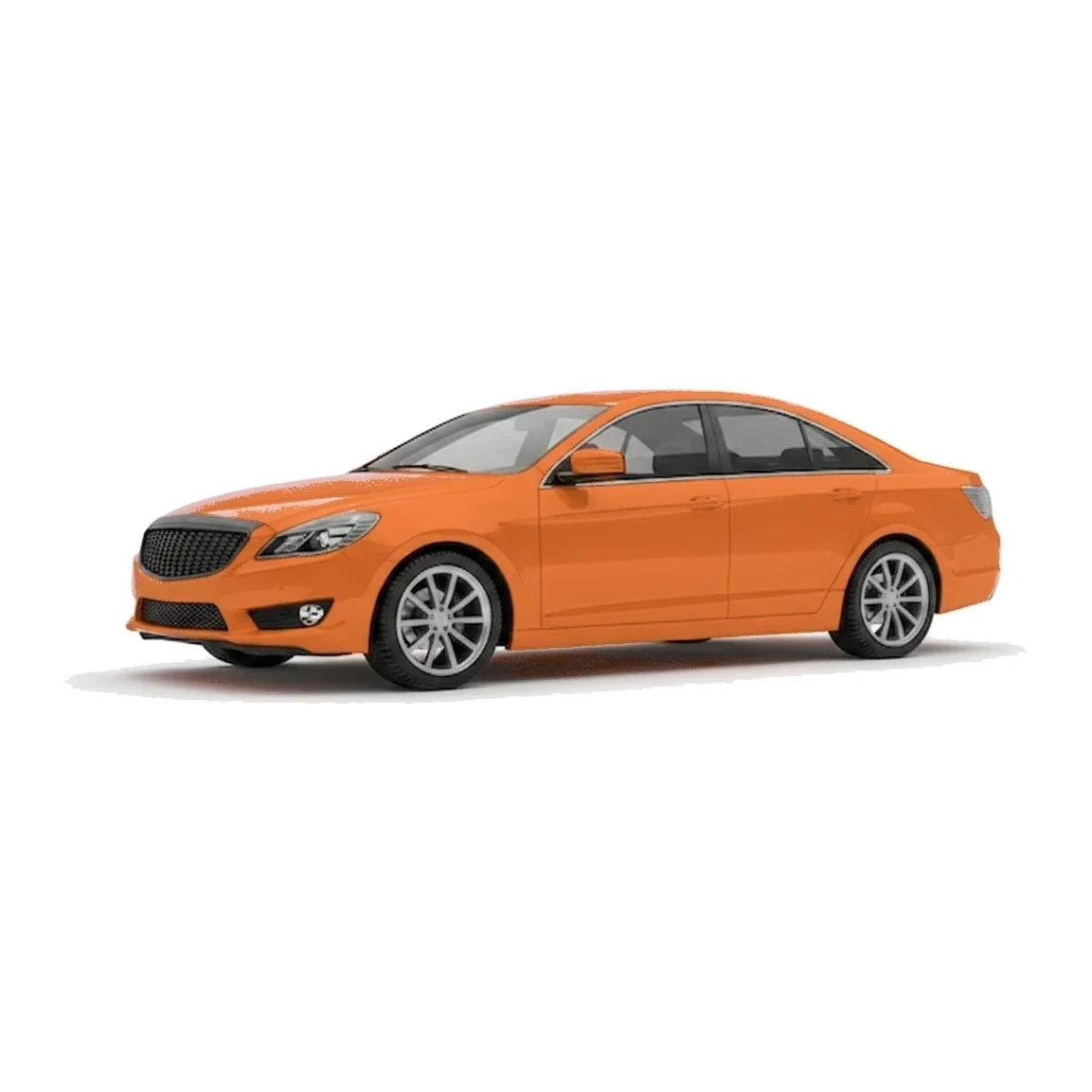
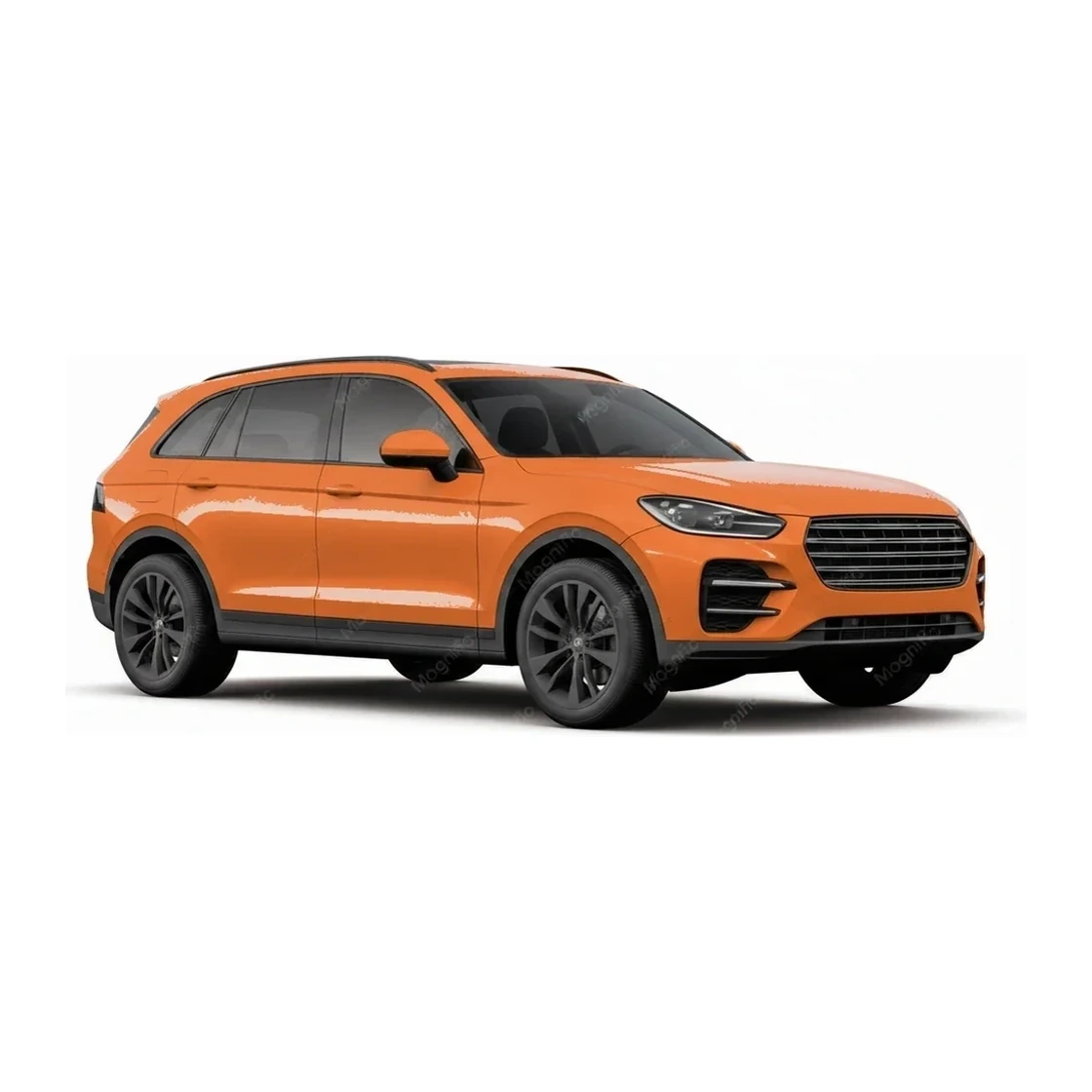
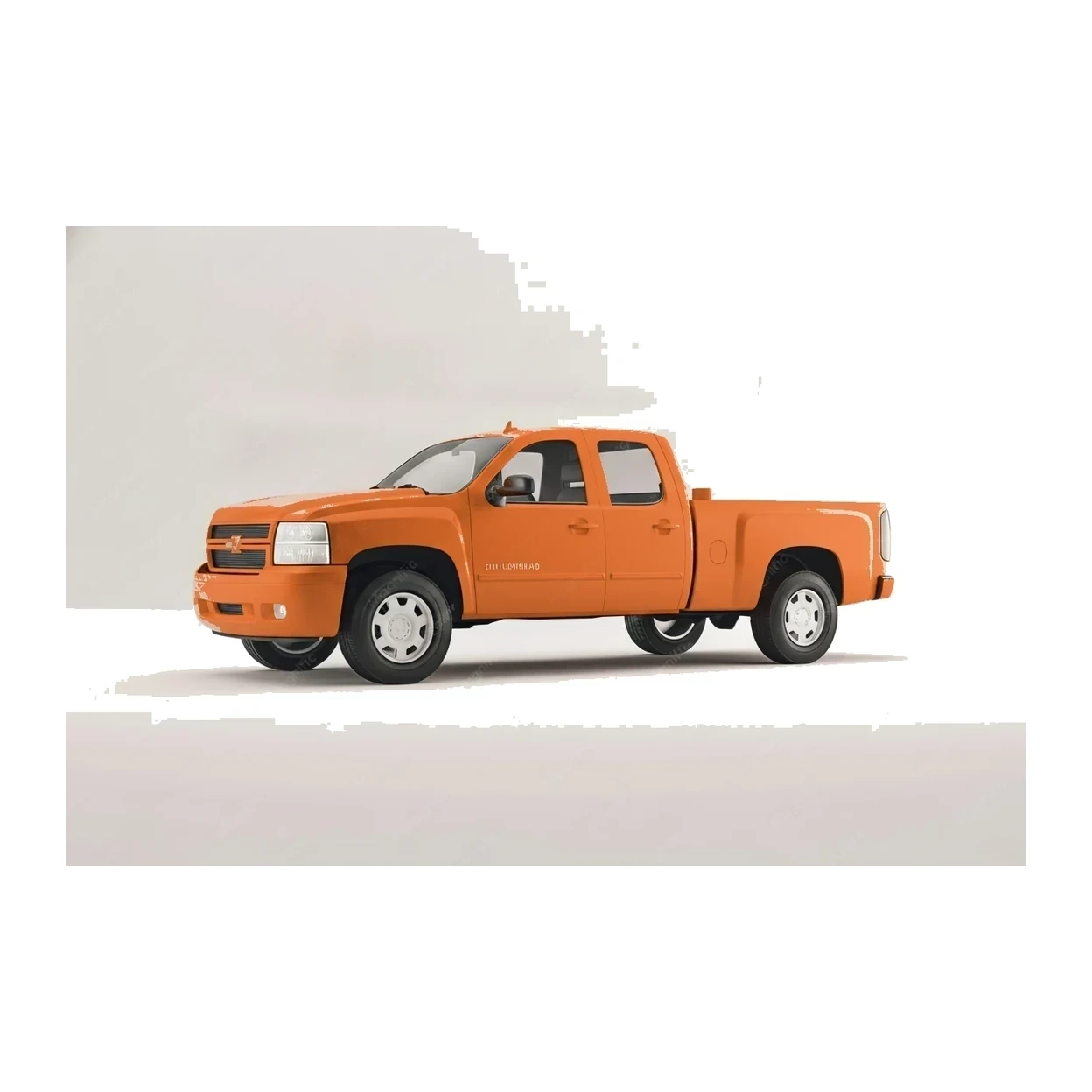
Passenger vehicles move crews and staff between sites and offices. The class covers SUVs, sedans, vans, and pickups in fleet service.
Fonctionnement
Fleet vehicles trade on seat count, cargo volume, drivetrain, and operating cost. Standard driver licensing covers the class — the practical distinctions are ground clearance for site access, seating configuration, and how much gear travels with the people.
Types et variantes
- SUV
- Sport-utility vehicle for crew and light equipment transport.
- Sedan
- Passenger car for personnel transport.
- Pickup Truck
- Light truck with an open bed for crew, tools, and towing.
- Van
- Enclosed vehicle for crew or cargo transport.
Comment choisir
Route and role decide the format: sedans minimize cost for individual travel, SUVs add clearance and weather capability for site visits, vans move whole crews or convert to secure tool transport, and pickups carry both people and material. Utilization and cost per mile drive fleet composition more than any single trip.
Normes et certifications
- NHTSA · FMVSS (49 CFR 571)
- Federal motor vehicle safety standards for on-road vehicles and trailers.
Questions fréquentes
SUV or pickup for site supervision?
The SUV where the cargo is people, plans, and instruments; the pickup where material, tools, and towing enter the picture — many fleets run crew-cab pickups as the compromise.
What suits a crew of six or more with gear?
A full-size passenger van, or a crew van configuration with secured cargo area — one vehicle, one driver, everyone and everything arriving together.
Do these vehicles require special licensing?
No — the class is defined by ordinary driver licensing. Obligations begin when weight, seating above thresholds, or commercial use rules apply.