

Plate Compactors and Rammers
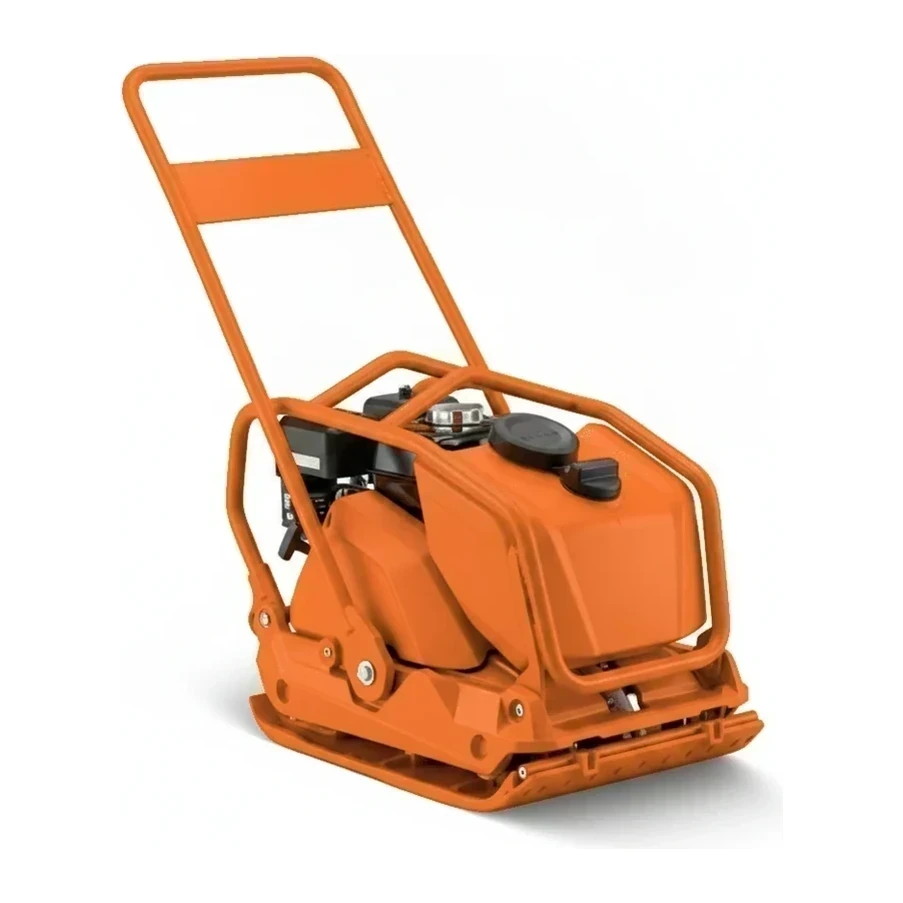
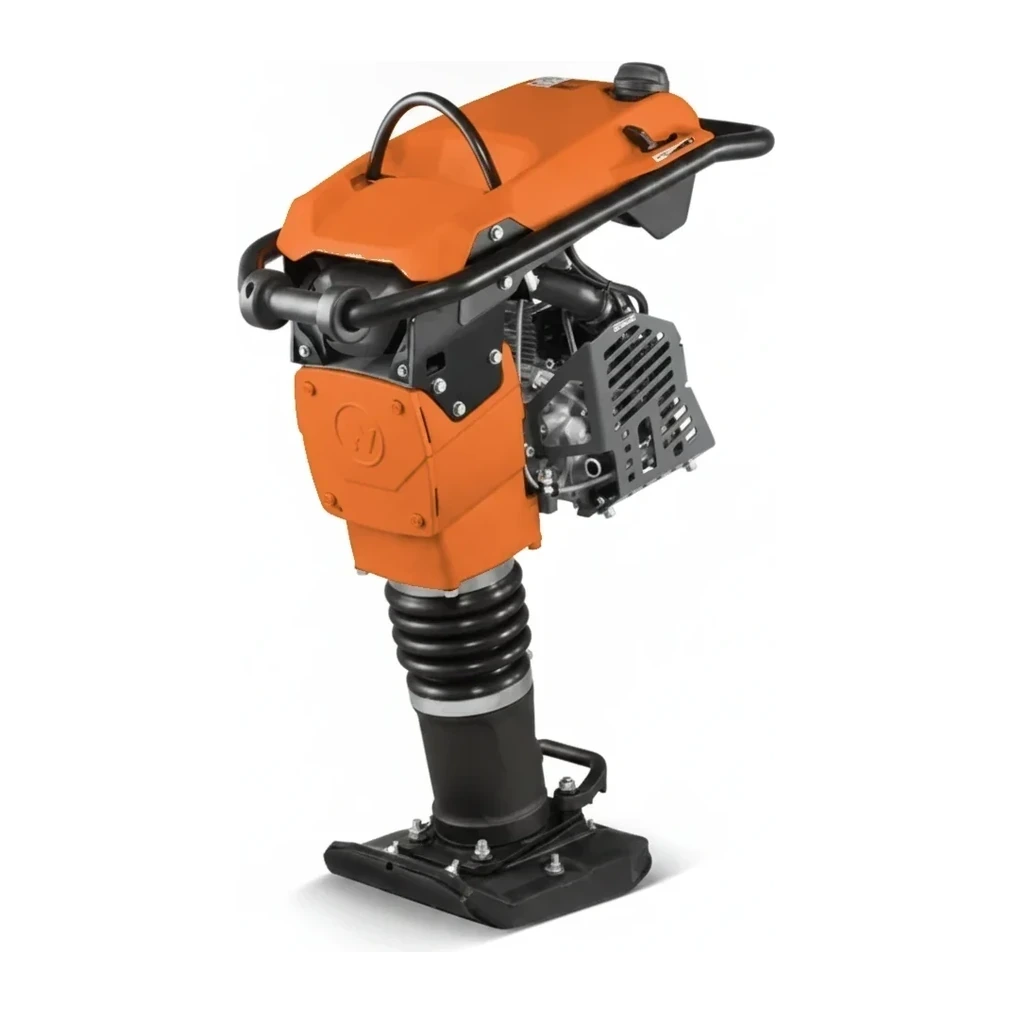
Compactors densify soil and asphalt in areas too small or confined for rollers. The family runs from vibratory plates and jumping jack rammers through remote-controlled trench rollers, with vibratory plates the most numerous class.
How it works
A vibrating baseplate or percussive foot repeatedly loads the ground, rearranging particles into a denser matrix and driving out air voids. Granular soils respond best to high-frequency vibration (plates), while cohesive clays need the deeper kneading impact of a rammer. Compaction happens in lifts — thin layers compacted one at a time.
Types & variants
- Vibratory Plate Compactor
- Walk-behind plate that compacts granular soil and asphalt with high-frequency vibration.
- Jumping Jack Rammer
- Upright rammer that compacts cohesive soils in trenches and confined areas with a percussive foot.
- Drum Roller
- Rolling drum machine that compacts soil or asphalt over larger areas.
- Trench Roller
- Remote-controlled articulated roller sized for trench bottoms and cohesive soil.
- Reversible Plate Compactor
- Heavy plate compactor that travels forward and reverse for deeper lifts and confined work.
- Finishing Float
- Surface tool used to finish and smooth compacted or placed material.
How to choose
Soil type decides the machine: vibratory plates for sand and gravel, jumping jack rammers for clay and mixed trench backfill, reversible plates for deeper lifts and confined maneuvering, and trench rollers for production compaction of cohesive soil in open trenches. Lift thickness and required density spec set the machine weight class.
Standards & certifications
- OSHA · 29 CFR 1926.300
- General guarding and condition requirements for hand and power tools in construction.
- OSHA · 29 CFR 1926.52
- Occupational noise exposure limits relevant to engine-driven equipment.