

Cranes
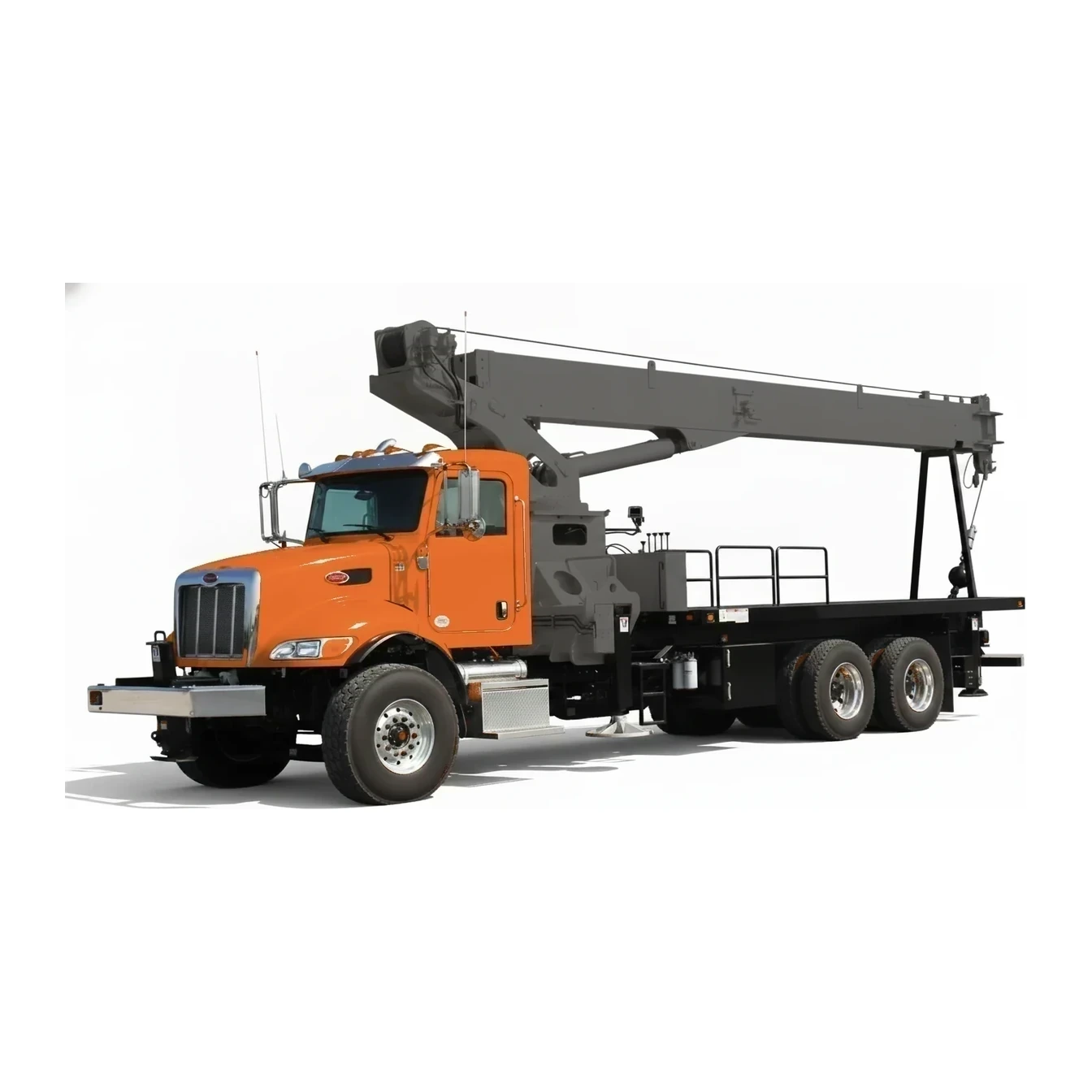
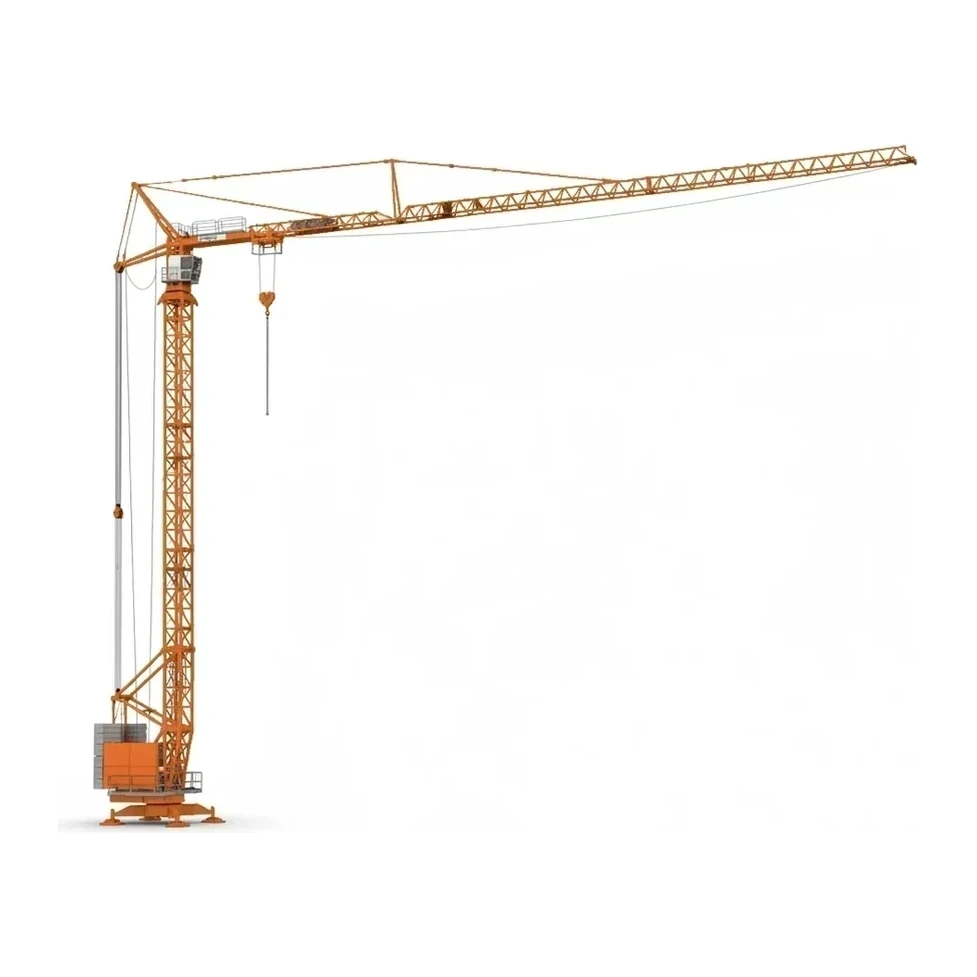
Cranes lift what nothing else on site can. The category spans truck-mounted loader cranes, rough terrain and all-terrain machines, compact track and spider cranes for confined work, carry decks for plants, and tower cranes for vertical construction.


How it works
Every crane balances a suspended load against tipping through counterweight, outriggers, or ballast, with capacity falling as radius and boom extension grow. Lifts are planned against the load chart, rigged per sling standards, and executed under the certification and inspection regime that crane work carries.
Types & variants
- Cranes
- Mobile, truck-mounted, compact, and tower cranes for lifting at every scale.
How to choose
Load weight, radius, and site conditions drive selection: mobility classes (truck, rough terrain, all-terrain) for open sites, compact and spider cranes for interiors and tight access, tower cranes for sustained vertical work. The governing figure is chart capacity at the actual radius — never the nameplate maximum.
Standards & certifications
- OSHA · 29 CFR 1926 Subpart CC
- Cranes and derricks in construction: operator certification, inspections, and assembly rules.
- ASME · B30.5
- Design, inspection, and operation requirements for mobile cranes.