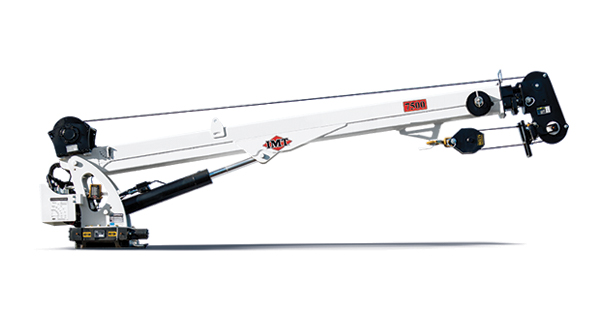
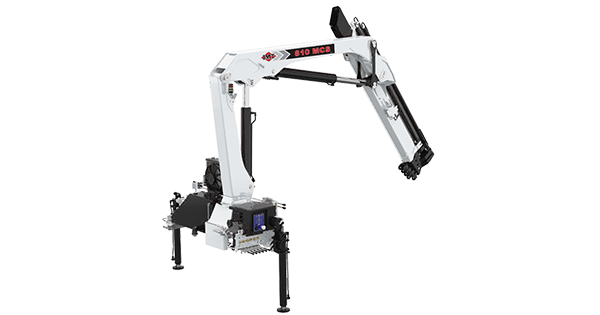
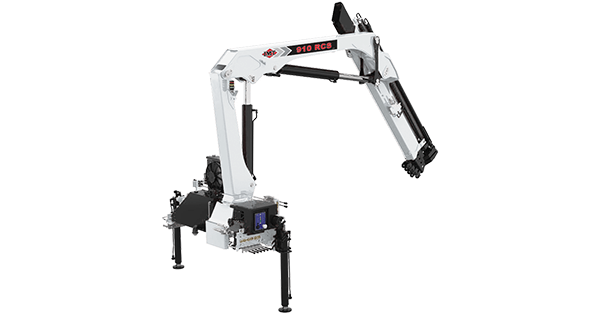
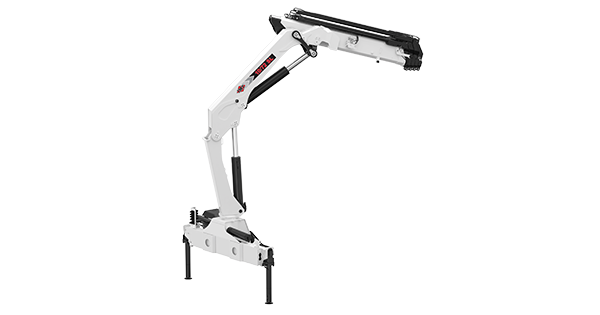
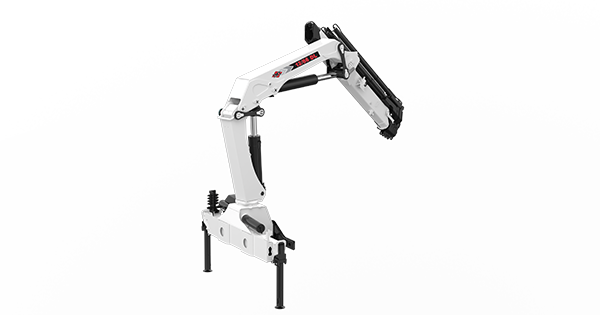
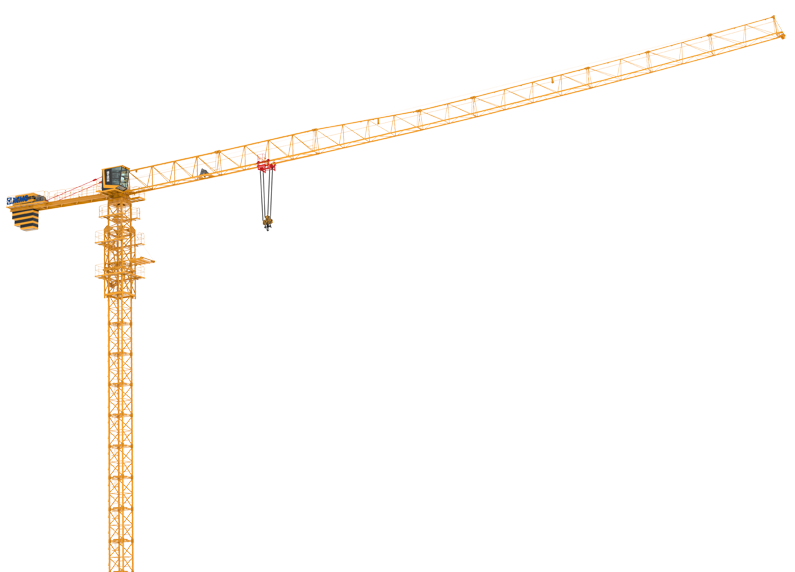
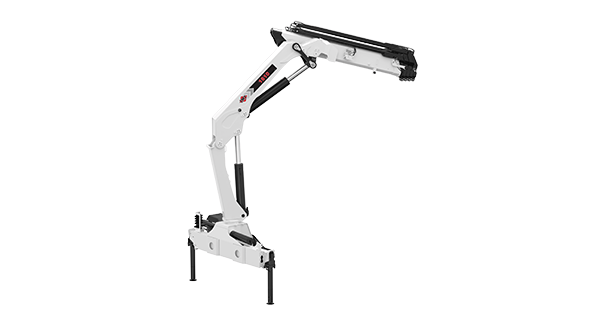
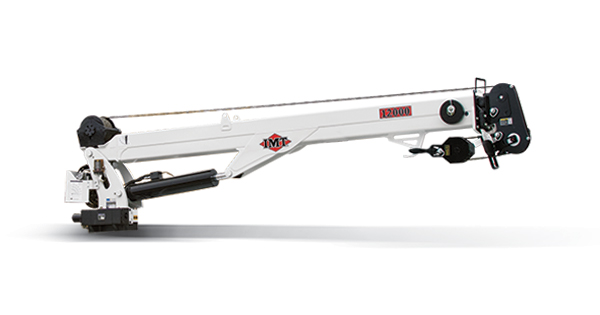
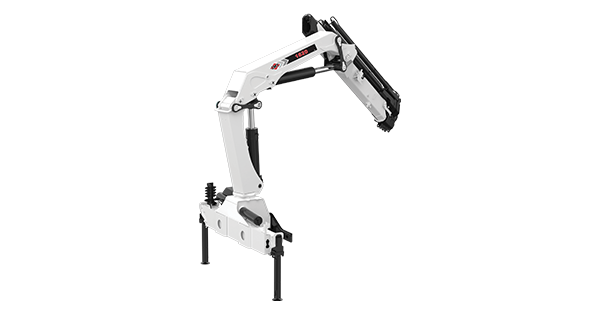
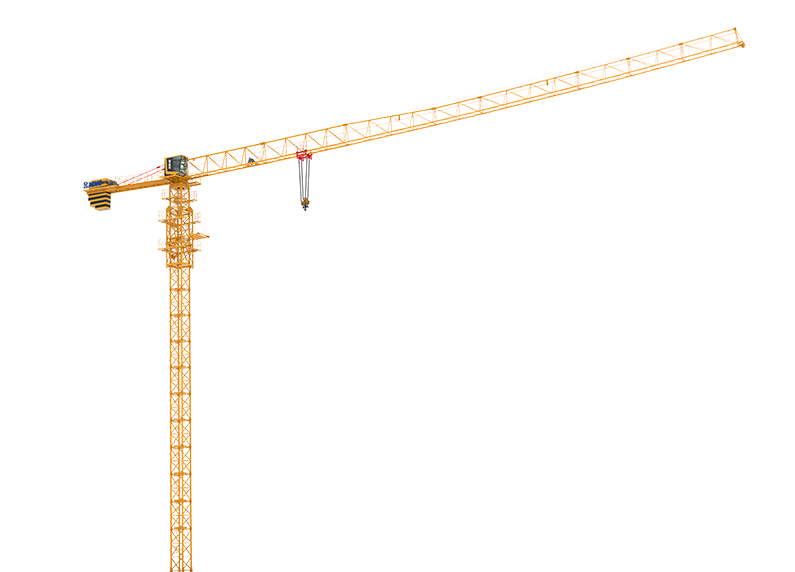
Up to 15 ton Boom Truck
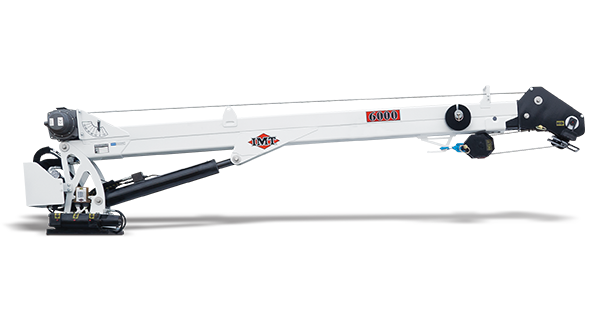
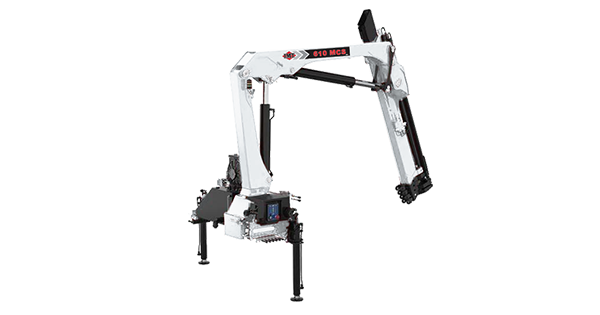
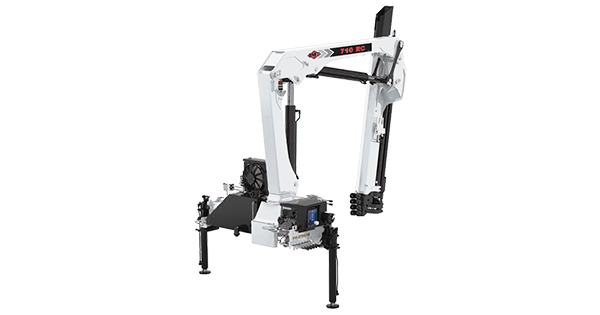
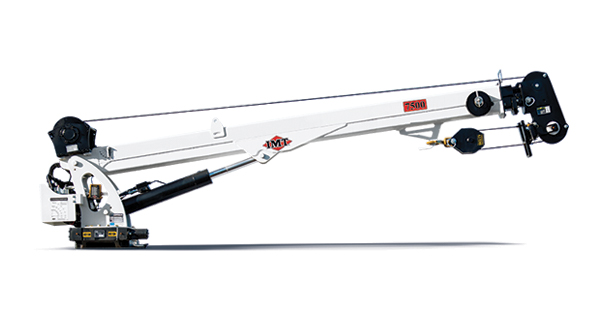
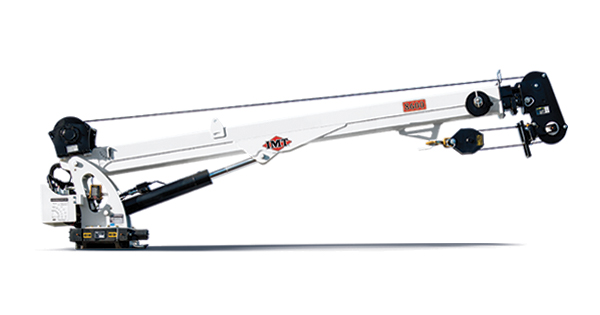
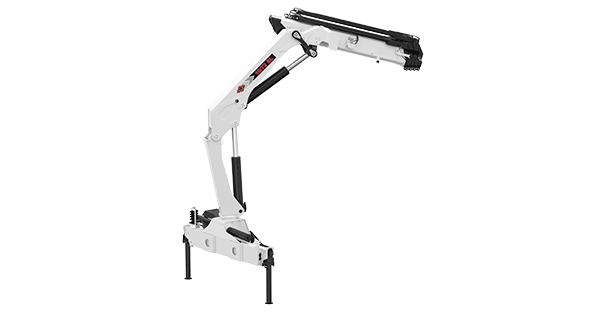
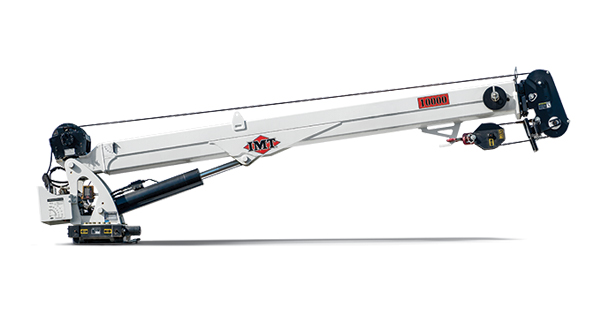
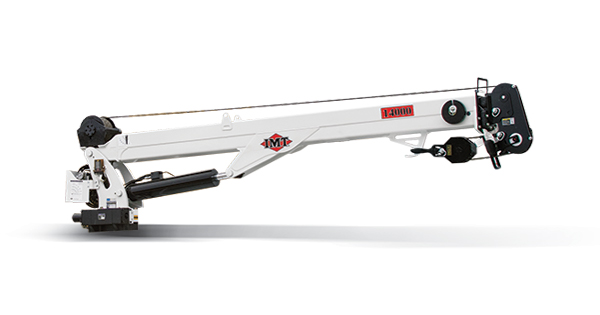
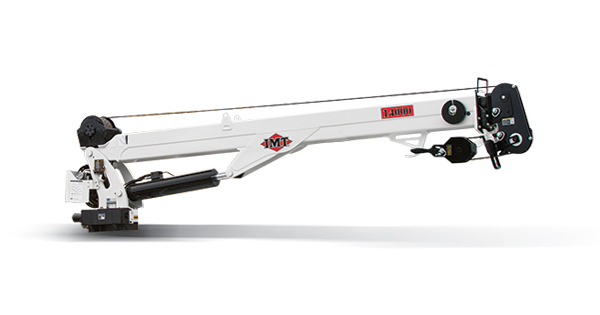
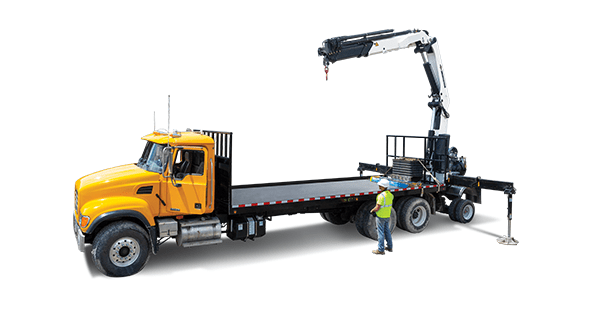
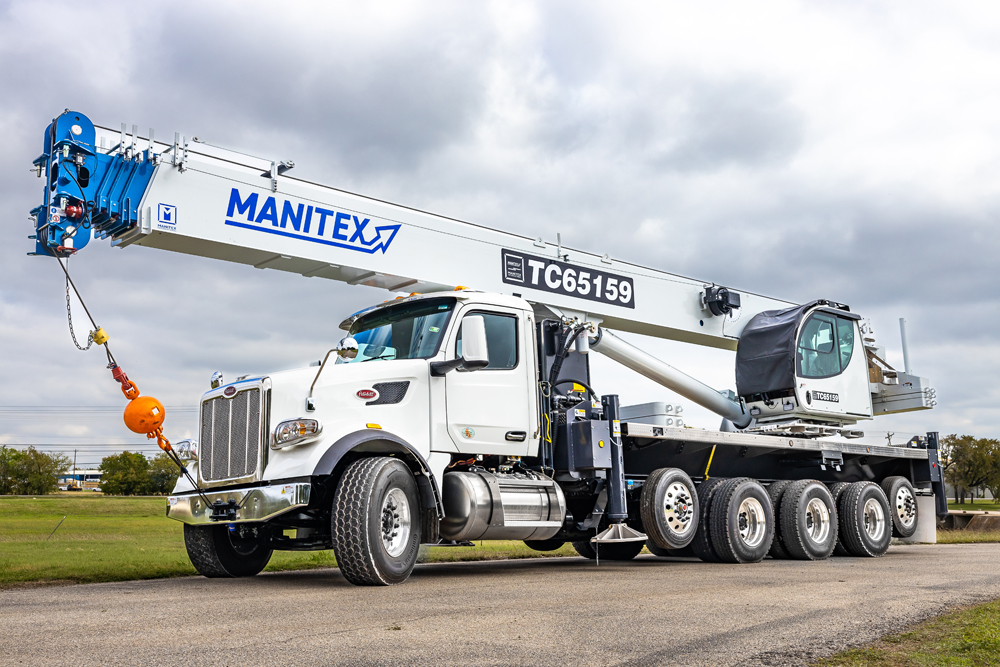
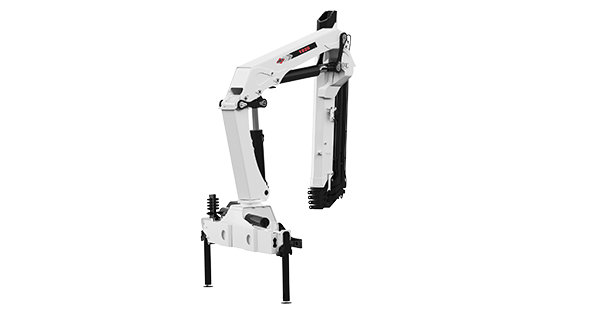
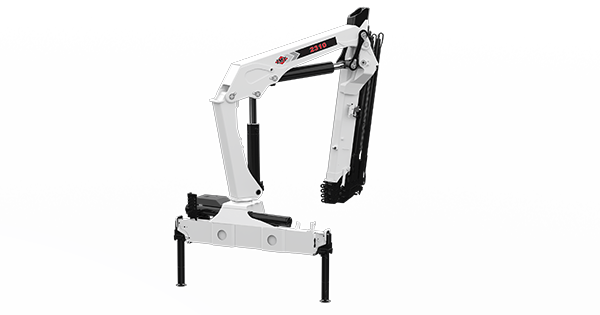
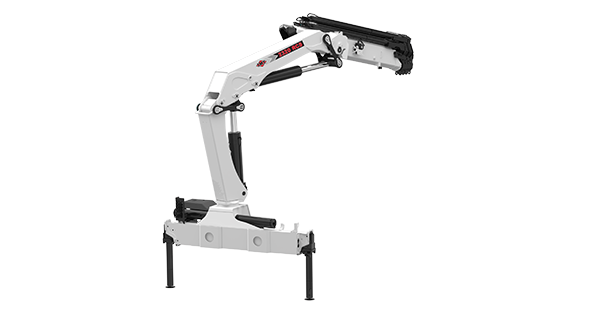
The Up to 15 ton Boom Truck is a truck-mounted hydraulic crane designed to deliver and place its own load without separate transport and rigging equipment. This entry-level class handles HVAC rooftop units, sign installation, utility pole hardware, and light structural work directly from a flatbed chassis. It sits at the base of the boom truck ladder, below the 15-30 ton class for heavier industrial lifting.
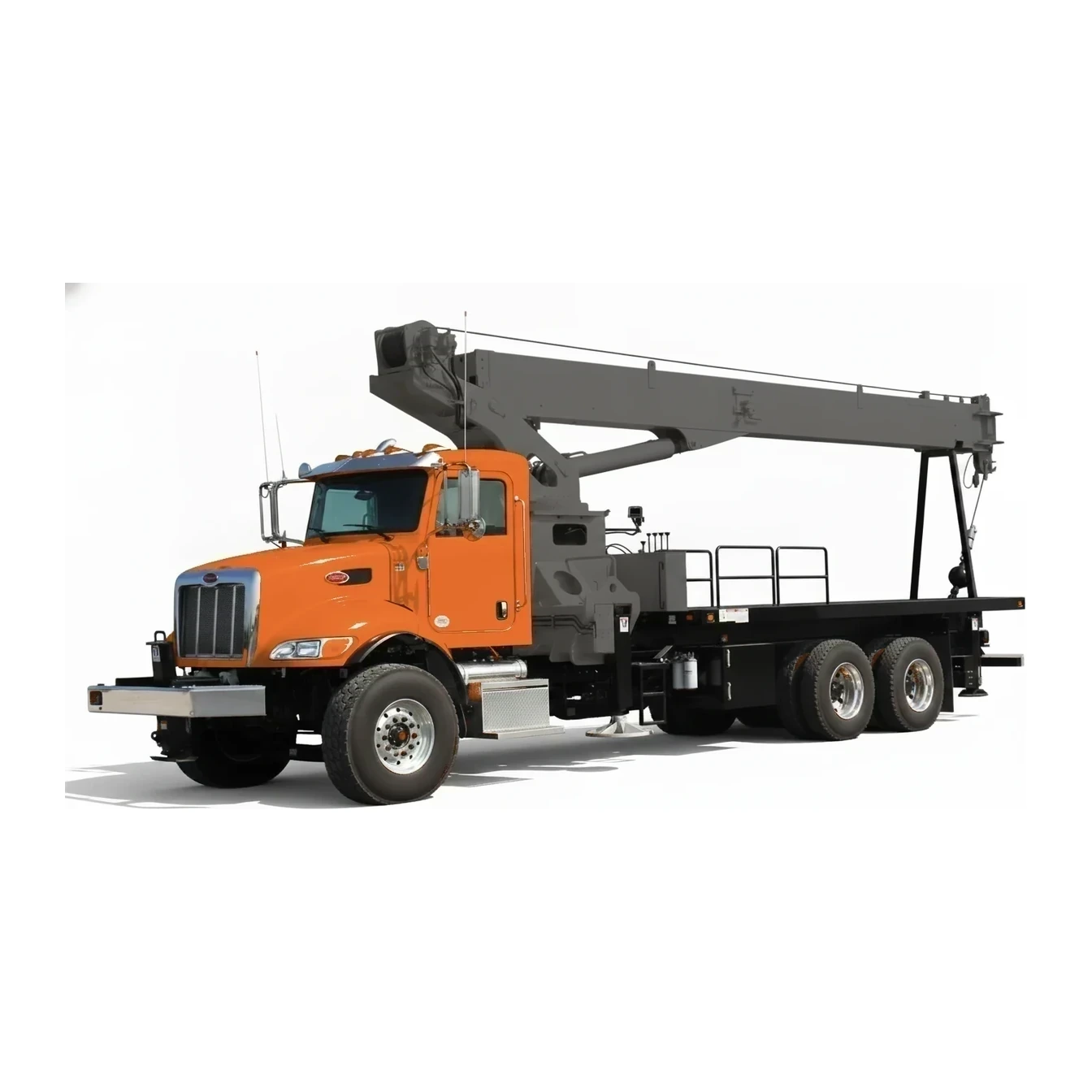
Cat classes
Pick a size class: capacity and reach differ across the range.
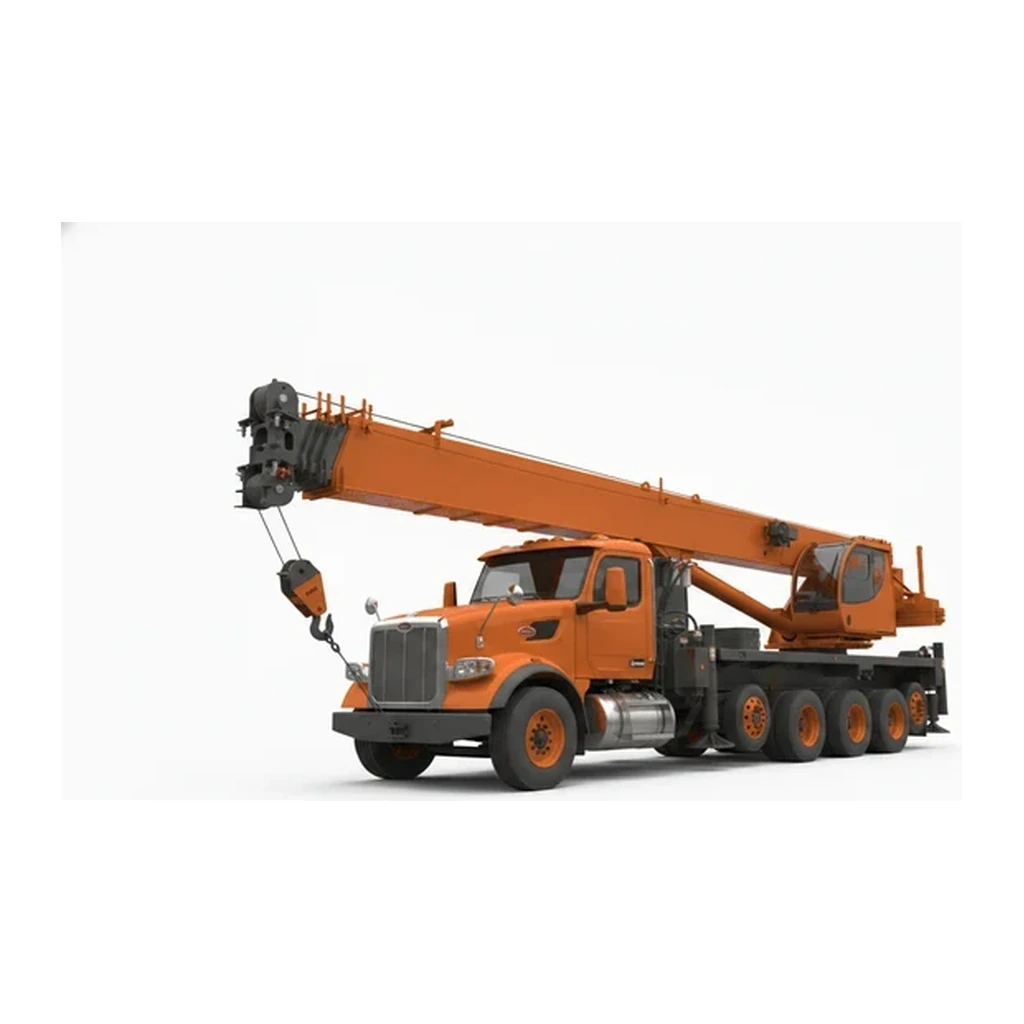
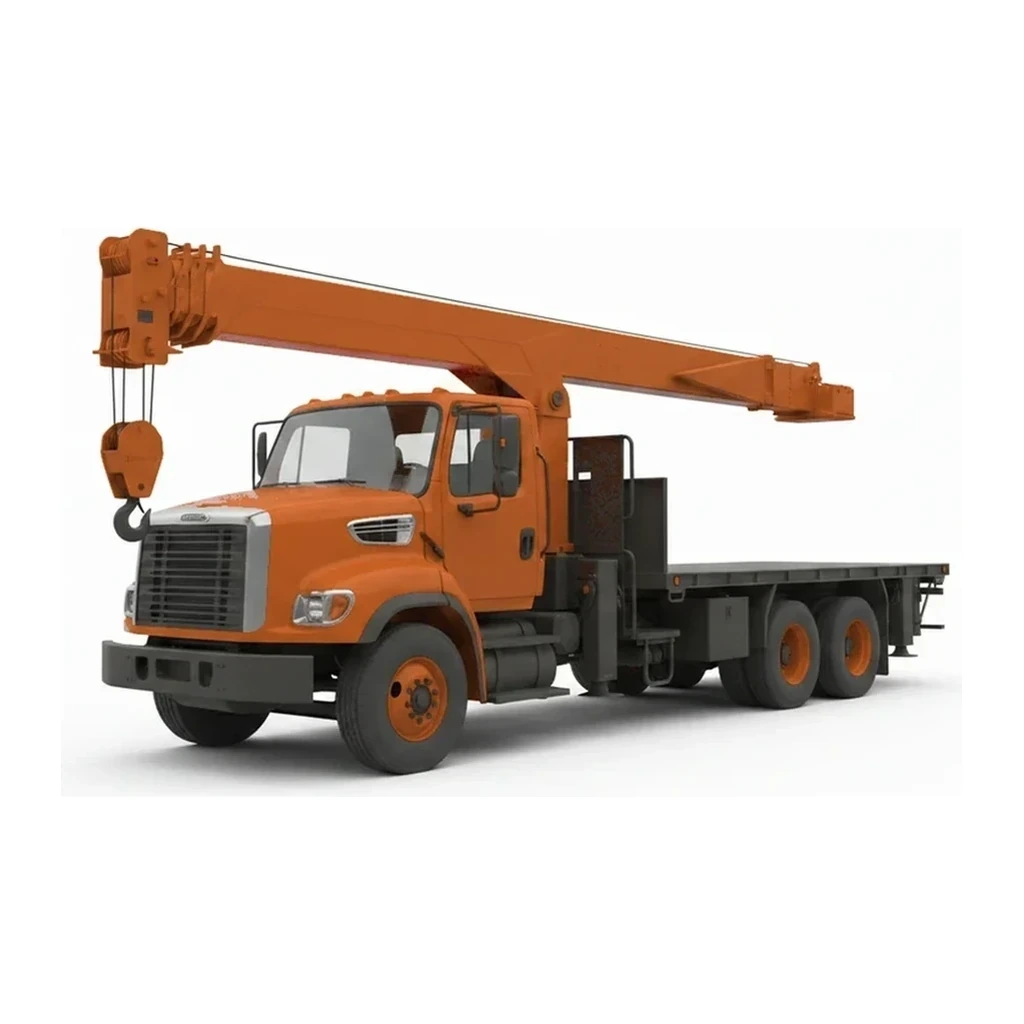
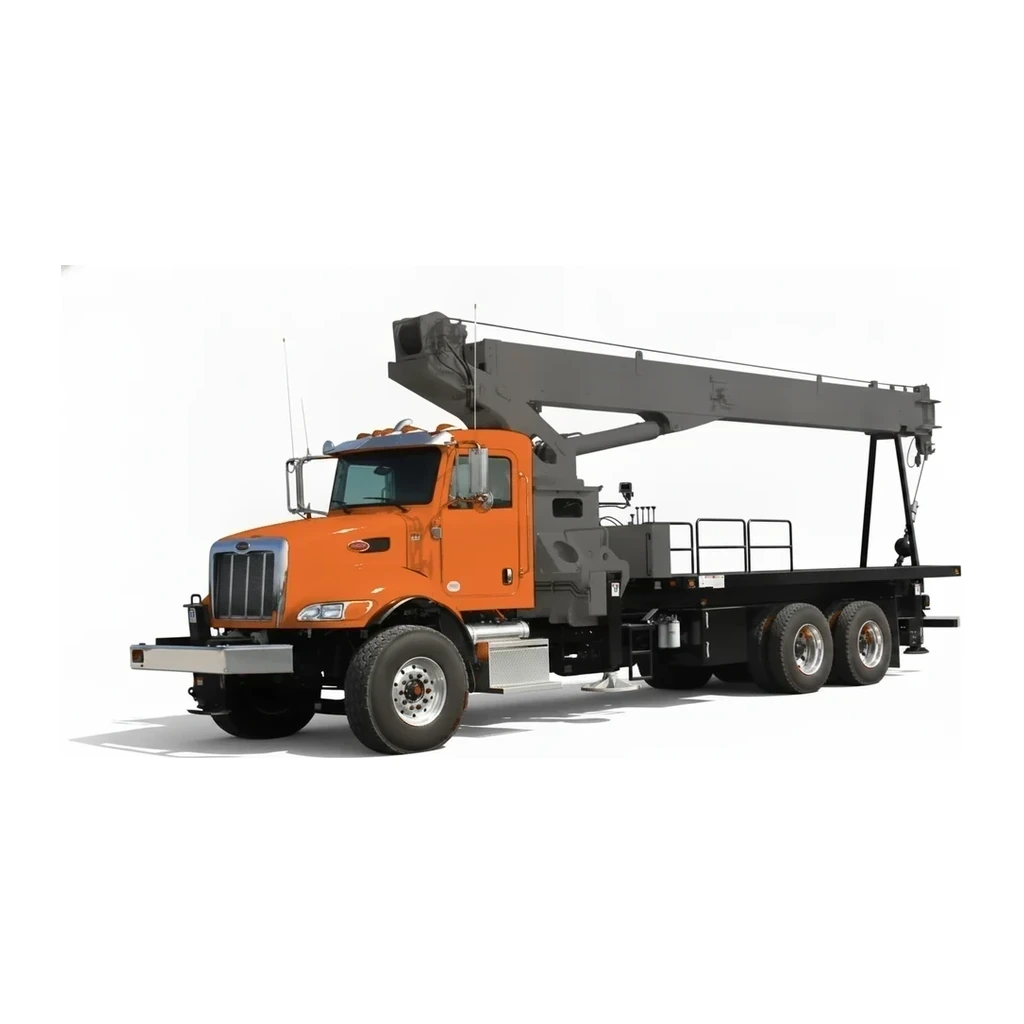
Key specifications
| Specification | Typical range | What it means |
|---|---|---|
| Lifting capacity | 5,071–28,881 lb (2.3–13.1 t) | Maximum rated load at minimum radius; capacity decreases as boom extends or angles increase |
| Boom reach | 30–60 ft (9.1–18.3 m) | Typical hydraulic boom extension for this weight class, dictating horizontal and vertical work envelope |
| Chassis mount | Class 5-7 truck | Crane mounts behind cab on medium-duty flatbed or service body, maintaining road mobility |
How to choose
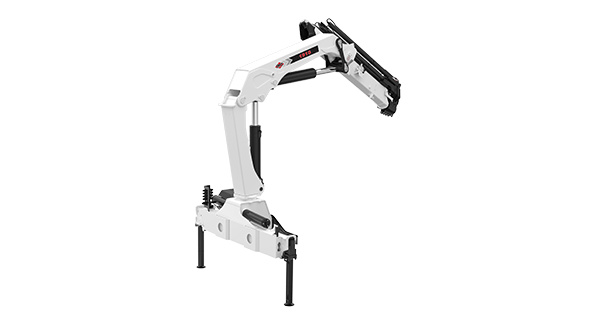
This size class suits jobs where the crane operator also drives the delivery truck and sets loads in a single trip: rooftop HVAC changeouts under 10 tons, utility pole-top equipment, and sign panels within a 50-foot radius. The compact chassis navigates urban job sites and residential streets. When lifting structural steel, precast panels, or loads exceeding 13 tons, the 15-30 ton Boom Truck class offers greater capacity and reach. Projects requiring only occasional material placement over a truck bed may be served adequately by a knuckle boom loader instead of a dedicated boom truck.
What this size handles
- Setting 5-ton HVAC units on retail building rooftops
- Installing illuminated sign cabinets on 40-foot poles
- Placing transformer banks and switchgear at utility substations
- Delivering and setting bundled roofing materials to second-story decks
- Positioning ductwork and mechanical equipment in tight commercial sites
- Unloading and placing palletized stone or landscape boulders
Safety & operation
- Outriggers or stabilizers must deploy fully before lifting; ground bearing capacity determines safe pad placement
- Load charts specific to each model govern maximum lift at every boom angle and extension
- Overhead power line clearance mandates 10-foot minimum distance or de-energization protocols
- Operator certification under NCCCO or equivalent standard required in most jurisdictions
Transport & logistics
- Self-propelled on public roads; no trailer required
- Typical gross vehicle weight 26,000-33,000 lbs depending on chassis and body configuration
- Requires CDL Class B in most jurisdictions when exceeding 26,001 lbs GVWR
Power & supply
- Hydraulic system powered by truck engine PTO (power take-off)
- Diesel fuel typical; operates crane functions without external power source
- Engine must idle or run at governed RPM during lifting operations
Frequently asked
What distinguishes a boom truck from a knuckle boom or articulating crane?
How does capacity change with boom extension on this class?
Can this size class work without outriggers deployed?
Compare popular models
Find by spec →Normalised to the same units. A dash means the figure was not published.
| Model | Lifting capacity | Max reach |
|---|---|---|
| Elliott 1039 BoomTruck | 19,842 lb (9 t) | 39 ft (11.9 m) |
| Xcmg Cranes XCT12L5_5 | 26,455 lb (12 t) | 32.2 ft (9.8 m) |
Related equipment
Browse by manufacturer
Sources
Every specification is verified against the manufacturer's published data, with the source linked for reference.
Up to 15 ton Boom Truck
73 models · Page 1 of 2 · Every spec cited to source