

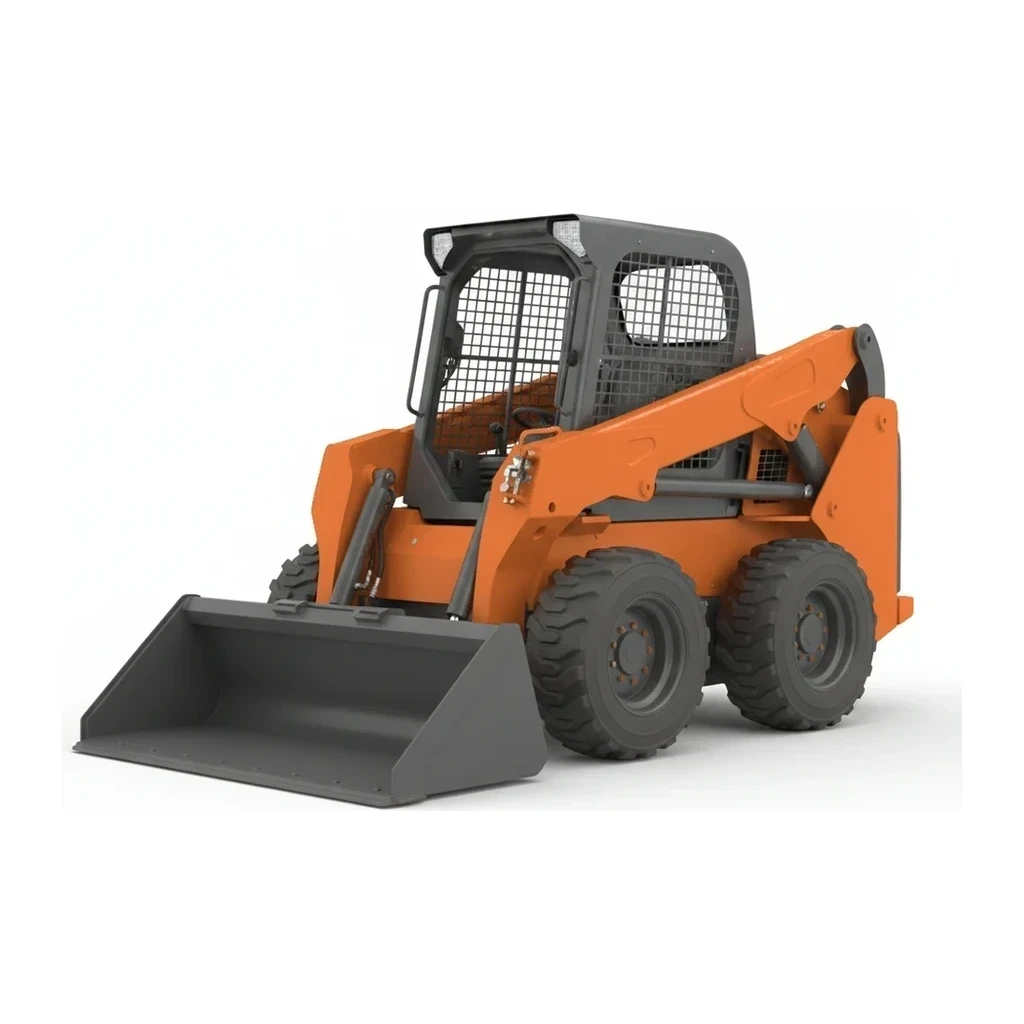
1,750-2,200 lb Skid Steer Loader
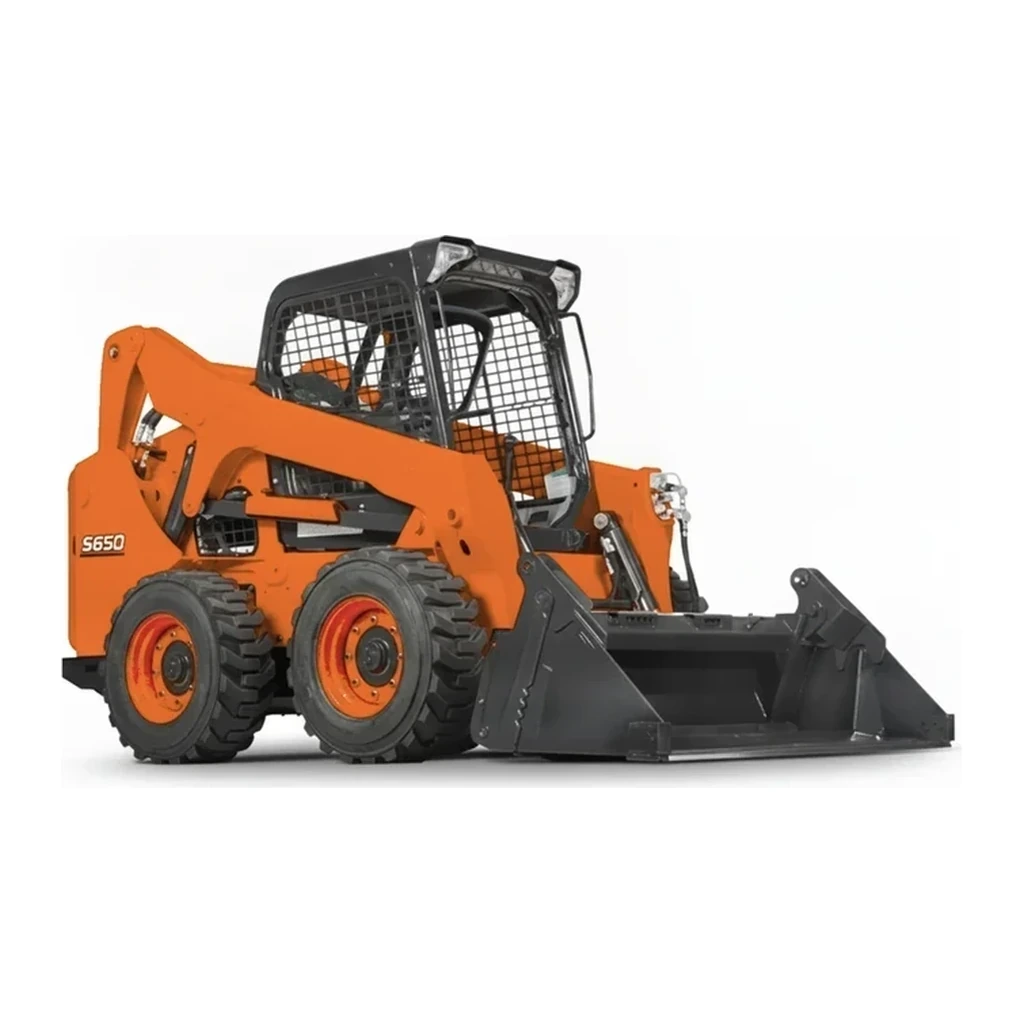
The 1,750-2,200 lb skid steer loader is the medium-frame workhorse of the rental industry, offering the hydraulic flow and lift capacity to operate powered attachments, augers, breakers, brush cutters, while handling material loading and grading. This size class balances attachment compatibility with maneuverability, making it the standard for general contracting, landscaping, and utility work. It sits between compact 1,300-1,750 lb machines and heavy-duty 2,200-3,000 lb frames.
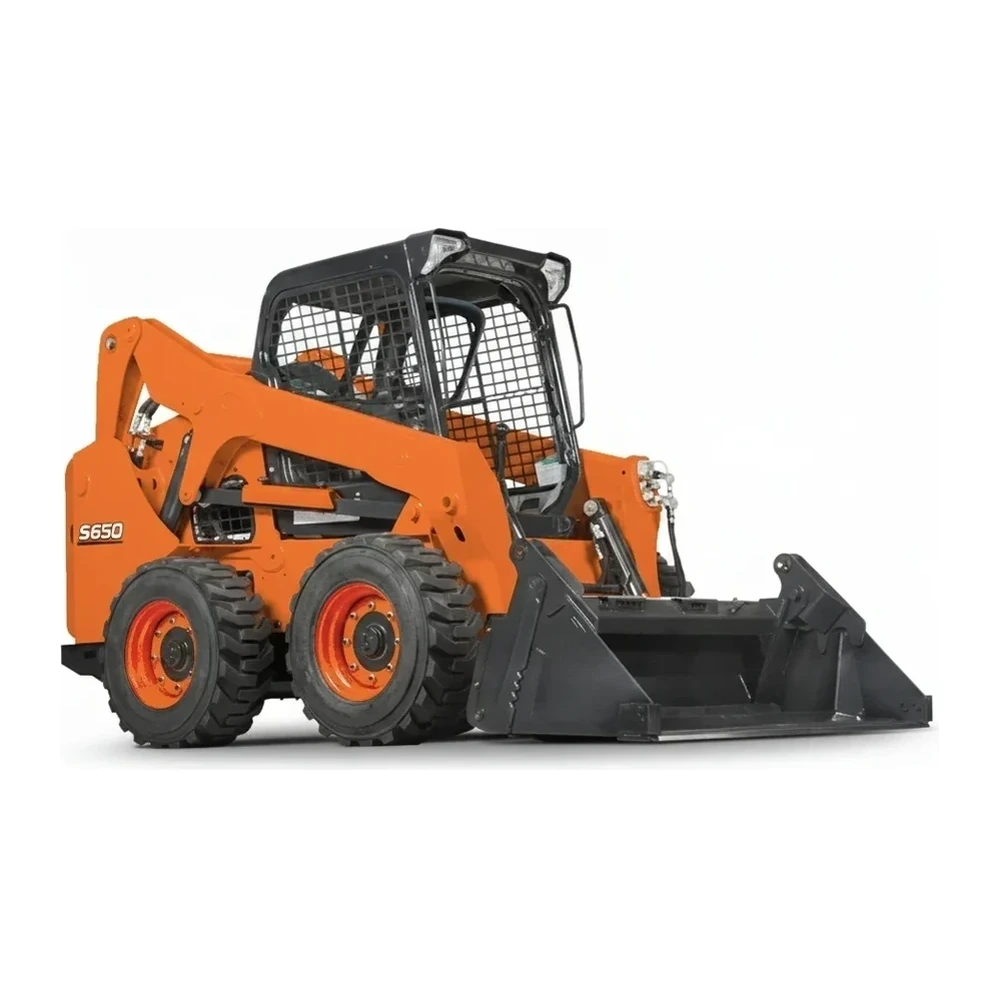
Cat classes
Pick a size class: capacity and reach differ across the range.
Key specifications
| Specification | Typical range | What it means |
|---|---|---|
| Operating weight | 1,750–2,200 lb (794–998 kg) | Defines the size band; heavier frames provide greater attachment capacity and stability under load |
| Rated operating capacity | Varies by model | Lift capacity at 50% tipping load; handles pallet loads, aggregate buckets, and moderate material volumes |
How to choose
The 1,750-2,200 lb skid steer loader is appropriate when work requires both powered attachment operation and consistent material handling: utility trenching with an auger followed by backfill grading, or demolition with a breaker and debris loading. When the primary need is indoor finish work, tight-access landscaping, or light bucket tasks without attachments, the 1,300-1,750 lb Skid Steer Loader offers better maneuverability and lower ground pressure. For sites demanding continuous high-flow attachment use, larger bucket capacities, or greater lift heights, the 2,200-3,000 lb Skid Steer Loader provides the hydraulic performance and structural capacity required.
What this size handles
- Utility trenching with auger attachment, then backfilling and grading
- Concrete demolition with hydraulic breaker and debris removal
- Brush clearing and land preparation with rotary cutter
- Loading trucks with aggregate, soil, or demolition debris
- General site grading and material placement on residential or light commercial projects
- Installing landscape features with combination of digging, lifting, and grading
Safety & operation
- Rollover protective structure (ROPS) and seatbelt required; operator must remain seated with lap bar lowered during operation
- Hydraulic attachment connections under pressure; relieve system pressure and follow lockout procedures before changing attachments
- Ground conditions and slopes affect stability; operating capacity decreases on grades and uneven terrain
- Rear visibility limited; spotter or rear-view devices recommended in congested areas or near personnel
Transport & logistics
- Typically transported on a 10,000-14,000 lb GVWR equipment trailer with ramps or tilt deck
- Combined machine and trailer weight often requires a 3/4-ton or 1-ton pickup for legal towing
- Low-profile designs permit loading into enclosed trailers or transport on flatbed trucks
Power & supply
- Diesel engine with onboard fuel tank; 8-12 hour runtime typical on a full tank under moderate load
- Refueling on site with portable diesel cans or fuel service; no external power connection required
- Some models available with gasoline or propane for indoor or enclosed-space operation
Frequently asked
What distinguishes this size from smaller skid steers?
When is a larger skid steer necessary?
Can this size operate inside structures?
Compare popular models
Find by spec →Normalised to the same units. A dash means the figure was not published.
| Model | Operating weight | Max dig depth | Max reach | Engine power |
|---|---|---|---|---|
| Case SV185B | 6,570 lb (2,980 kg) | - | 3.1 ft (0.9 m) | 60 hp |
| Case SR210B | 6,967 lb (3,160 kg) | - | - | 74 hp |
Related equipment
Browse by manufacturer
Sources
Every specification is verified against the manufacturer's published data, with the source linked for reference.
1,750-2,200 lb Skid Steer Loader
2 models · Every spec cited to source