

Up to 1.5 cu yd Wheel Loader
Up to 1.5 cu yd wheel loaders represent the smallest, most compact end of the wheel loader spectrum. These yard machines bridge the gap between skid steers and full-size loaders, designed for loading landscape-supply bins, handling palletized materials, and pushing snow in confined commercial lots. For heavier material volumes or larger loading tasks, the 1.5-3 cu yd Wheel Loader class offers substantially greater bucket capacity.
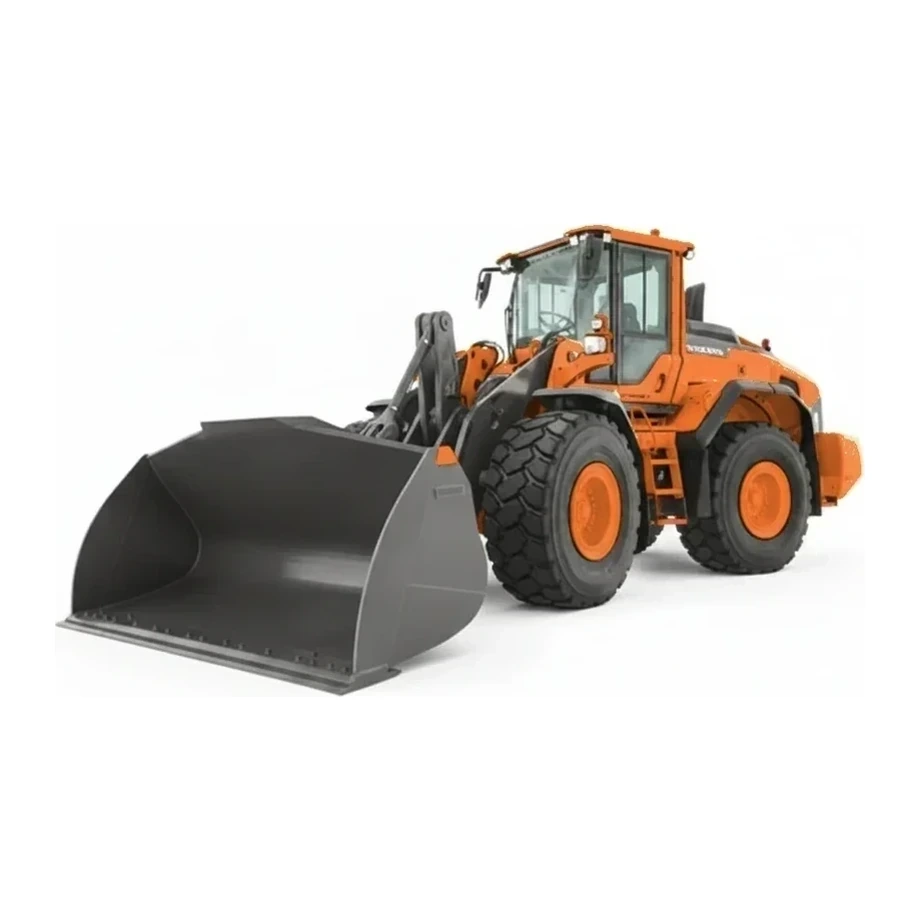
Cat classes
Pick a size class: capacity and reach differ across the range.
Key specifications
| Specification | Typical range | What it means |
|---|---|---|
| Bucket capacity | Up to 1.5 cu yd | Defines the upper limit of this class; sufficient for single-scoop bin fills and small-volume material transfer |
| Operating weight | 8,000–12,000 lb (3,629–5,443 kg) | Compact footprint allows operation on finished surfaces and in constrained yards |
| Engine power | 50–75 hp | Diesel power provides adequate breakout force for aggregates and soils in yard-scale operations |
How to choose
This size class suits landscape suppliers, nurseries, and small contractors who need a dedicated loader for bin loading, pallet work, and light material handling in tight quarters. The compact dimensions allow maneuvering in finished retail yards and narrow aisles where larger machines cannot operate. When material volumes exceed several yards per load, when loading highway trucks repeatedly, or when working in quarry or large-scale earthmoving operations, the 1.5-3 cu yd Wheel Loader class delivers the bucket capacity and cycle speed those tasks require.
What this size handles
- Loading mulch, topsoil, or gravel into customer pickup trucks at landscape supply yards
- Moving pallets of pavers, block, or bagged materials in hardscape distributor facilities
- Pushing and stacking snow in shopping-center parking lots with tight drive aisles
- Stockpile management and material transfer at small-scale nurseries or garden centers
- Loading small dump trucks or trailers for residential delivery runs
- Cleanup and material handling at compact job sites with overhead or space restrictions
Safety & operation
- ROPS/FOPS-certified cabs or canopies protect operators from rollovers and falling objects
- Articulated steering requires operator awareness of rear-swing radius in congested yards
- Bucket and lift-arm lockouts prevent unintended lowering during service or transport
- Limited sight lines when bucket is raised; spotter assistance recommended in pedestrian areas
Transport & logistics
- Typically transported on 10,000–14,000 lb GVWR tandem-axle equipment trailers
- Most units fit within 8.5 ft width for legal highway transport without permits
- Can be towed by 3/4-ton or 1-ton pickup trucks with appropriate hitch and brake controller
Power & supply
- Diesel fuel; most models have 15–25 gallon tanks supporting 8–12 hours of intermittent operation
- Cold-weather operations may require block heaters or winter-grade fuel blends
- No external electrical or hydraulic connections required for standard loader functions
Frequently asked
How does a compact wheel loader differ from a skid steer for the same applications?
What bucket capacity actually means for load cycle times?
Can this size class handle standard construction-grade aggregates?
Compare popular models
Find by spec →Normalised to the same units. A dash means the figure was not published.
| Model | Operating weight | Max dig depth | Max reach | Engine power |
|---|---|---|---|---|
| Wacker Neuson WL52 | 11,244 lb (5,100 kg) | - | - | 75 hp |
| Wacker Neuson WL34 | 8,598 lb (3,900 kg) | - | - | - |
| Volvo L30 | 12,125 lb (5,500 kg) | - | - | 74 hp |
Related equipment
Browse by manufacturer
Sources
Every specification is verified against the manufacturer's published data, with the source linked for reference.
Up to 1.5 cu yd Wheel Loader
3 models · Every spec cited to source