

Dozers
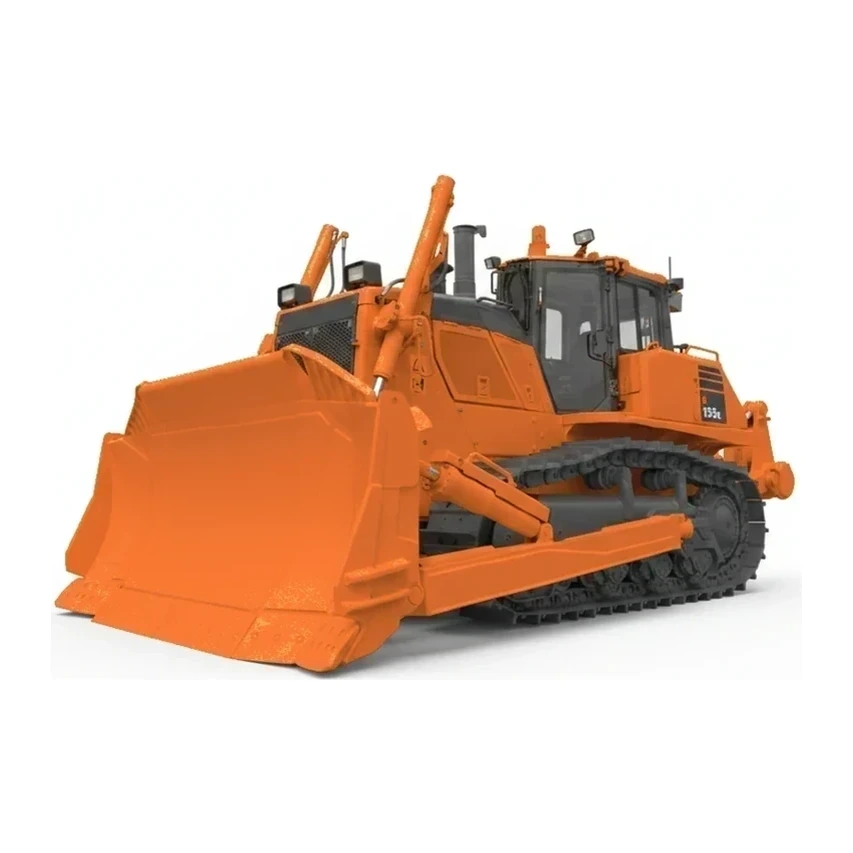
Dozers push, strip, and grade material with a front blade carried on crawler tracks. The catalog's fleet spans small grading dozers through heavy production machines.
How it works
Steel tracks give the machine traction and low ground pressure while the blade, raised, tilted, and angled hydraulically, cuts to grade and rolls material ahead of it. Modern machines commonly add GPS/laser machine control that holds the blade to a design surface automatically, cutting survey staking and rework.
Types & variants
- Dozer
- Tracked machine with a front blade for pushing, grading, and stripping material.
How to choose
Match machine weight to the material and the finish: small dozers with six-way blades handle residential pads and finish grading, mid-size machines cover general site work, and heavy classes push ripped rock and mass fills. Ground pressure matters on soft sites — wide-track configurations float where standard shoes sink.
Standards & certifications
- OSHA · 29 CFR 1926.602
- Material-handling equipment rules covering loaders, graders, dozers, and similar machines.
- OSHA · 29 CFR 1926 Subpart W
- Rollover protective structure requirements for earthmoving and compaction equipment.
- ISO · ISO 20474
- International safety requirements for earth-moving machinery.