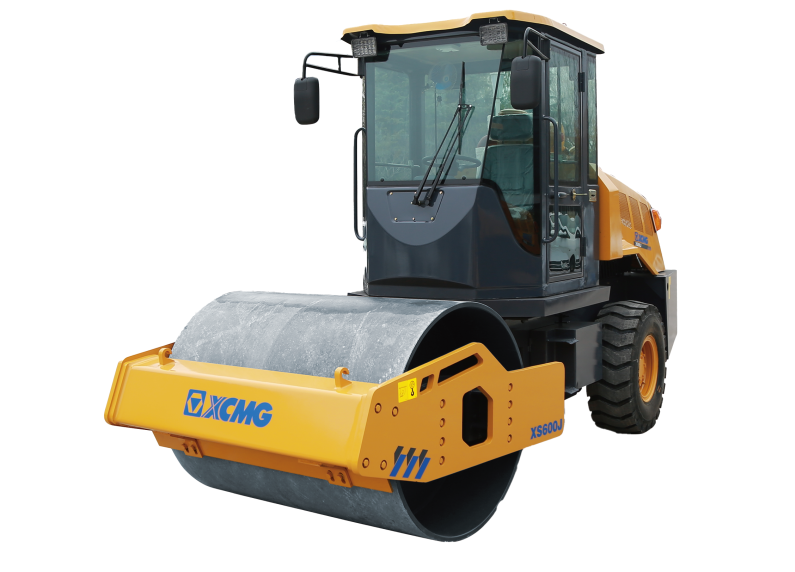

Loader Attachment
Loader attachments are interchangeable implements designed to connect to skid steer loaders, compact track loaders, and other similar machines to perform specialized earthmoving, material handling, and construction tasks. These attachments transform the host machine into versatile multi-purpose equipment by replacing the standard bucket with task-specific tools. The equipment class encompasses buckets, grapples, pallet forks, augers, brush cutters, snow pushers, and numerous other implements used across construction, landscaping, agriculture, and industrial applications.
How it works
Loader attachments connect to the host machine through standardized quick-attach mounting systems, most commonly using the universal skid steer quick-attach plate that allows tool-free changes in under a minute. Hydraulic attachments connect to the machine's auxiliary hydraulic circuits to power moving components such as grapple jaws, auger drives, or brush cutter blades, while non-powered attachments like buckets and forks rely solely on the loader's lift and tilt functions. The loader's hydraulic system provides both the lifting force through boom cylinders and the tilting motion through bucket cylinders, which the attachment utilizes for dumping, leveling, or positioning loads. Operators control attachment functions from the cab using joysticks for boom/tilt and auxiliary switches for powered attachment features, with machine-attachment communication occurring through hydraulic flow, pressure, and in some cases electrical connections for advanced features.
Types & variants
- Buckets
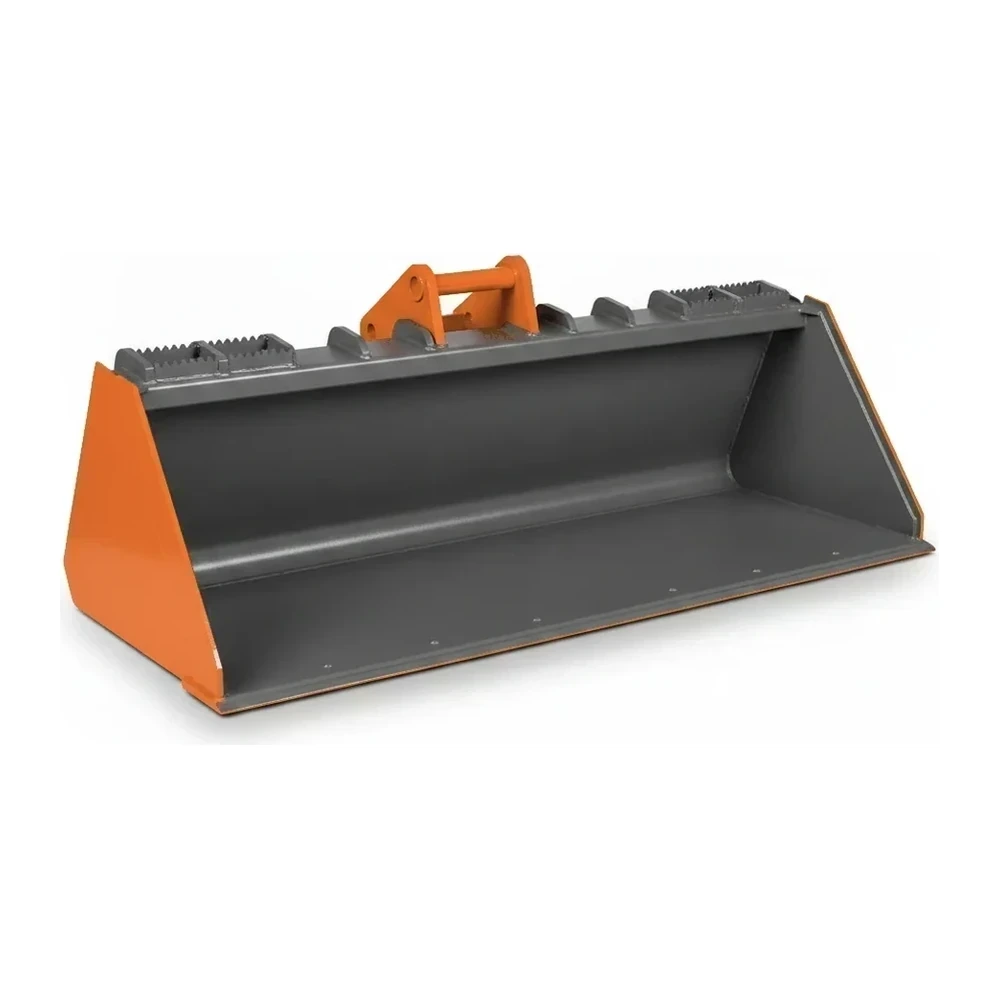
- General-purpose and specialty buckets including standard dirt buckets, rock buckets with teeth, low-profile buckets, and high-capacity models for loading and material transfer
- Grapples
- Hydraulically-actuated clamping attachments including root grapples, rock grapples, and scrap grapples for handling brush, logs, rocks, and demolition debris
- Forks and Material Handlers
- Pallet forks, bale spears, and pipe handlers designed for lifting and transporting palletized materials, round bales, and elongated loads
- Augers
- Hydraulic earth-drilling attachments with interchangeable bit sizes for post holes, foundation piers, and tree planting applications
- Ground Engagement Tools
- Rippers, tillers, planers, and scarifiers that break up, mix, or level soil and hard surfaces for site preparation and renovation
- Specialty Implements
- Task-specific attachments including snow pushers, angle brooms, trenchers, stump grinders, and brush cutters for seasonal and specialized operations
Key specifications
| Specification | Typical range | What it means |
|---|---|---|
| Operating Weight | 530–6,000 kg (1,168–13,228 lb) | Attachment mass affects loader stability and determines maximum safe operating capacity for the host machine |
| Engine Power (Hydraulic Attachments) | 5.4–53.6 hp | Required hydraulic horsepower for powered attachments such as augers, brush cutters, and planers |
| Hydraulic Flow Requirement | Varies by attachment type | Gallons per minute needed from the host machine's auxiliary hydraulic system to operate powered functions |
| Mounting System | Universal skid steer quick-attach or pin-on | Standardized connection interface ensuring compatibility across different loader brands and models |
| Width | Matched to host machine | Attachment width selected to match or slightly exceed the loader's wheelbase for stability and maneuverability |
How the industry sizes it
The industry classifies loader attachments primarily by weight class corresponding to the host machine's rated operating capacity, typically divided into 0–6,600 lb, 6,600–13,200 lb, and 13,200–22,000 lb skid steer attachment categories. Unlike many equipment classes, loader attachments are not sized by a single standardized band system because each attachment type performs its specific function across the full range of sizes—a 500 kg auger and a 5,000 kg grapple serve entirely different purposes rather than representing small and large versions of the same task. Contractors select attachments based on the host machine's hydraulic capacity, rated operating capacity, and auxiliary flow specifications, ensuring the attachment weight and power requirements fall within the loader's safe operating envelope.
Applications
- Material loading and transfer in construction site preparation and landscaping operations
- Demolition debris handling and scrap material sorting at renovation and teardown projects
- Agricultural material handling including bale transport, feedlot maintenance, and manure management
- Utility installation and maintenance including post hole drilling and trench excavation
- Snow removal operations using pushers, blowers, and angle brooms for commercial properties
- Land clearing and vegetation management with brush cutters, grapples, and forestry mulchers
Safety & operation
- Verify attachment weight and hydraulic requirements are within the host machine's rated operating capacity and auxiliary flow specifications before installation
- Ensure quick-attach mounting pins or locks are fully engaged and secured according to manufacturer procedures before operating
- Maintain awareness of altered machine center of gravity and stability when using heavy or extended-reach attachments
- Inspect hydraulic connections, hoses, and couplers for leaks, damage, and proper engagement before each use
- Follow manufacturer guidelines for maximum lift heights and load capacities specific to each attachment type to prevent tip-overs
Standards & certifications
- SAE · SAE J2513
- Defines standardized quick-attach coupler dimensions for skid steer loaders and attachments ensuring cross-brand compatibility
- ANSI · ANSI/ITSDF B56.6
- Safety standard for rough terrain forklift trucks including requirements applicable to fork attachments and material handlers
- OSHA · 29 CFR 1926.602
- Covers material handling equipment operation including requirements for loader attachments used on construction sites
- AEM · Quick Coupler Standards
- Association of Equipment Manufacturers guidelines for attachment coupler design, testing, and safe operation practices
Frequently asked
What determines compatibility between a loader and an attachment?
How does attachment weight affect loader stability?
What is the difference between standard and high-flow hydraulics for attachments?
Why are loader attachments categorized by weight ranges rather than standardized size bands?
Compare popular models
Find by spec →Normalised to the same units. A dash means the figure was not published.
| Model | Operating weight | Max dig depth | Max reach | Engine power |
|---|---|---|---|---|
| Multiquip CA4HC | - | - | - | - |
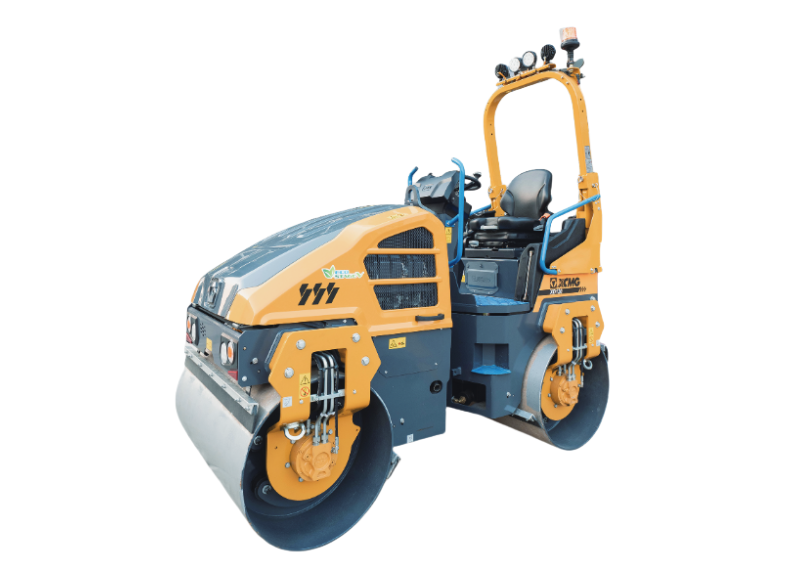
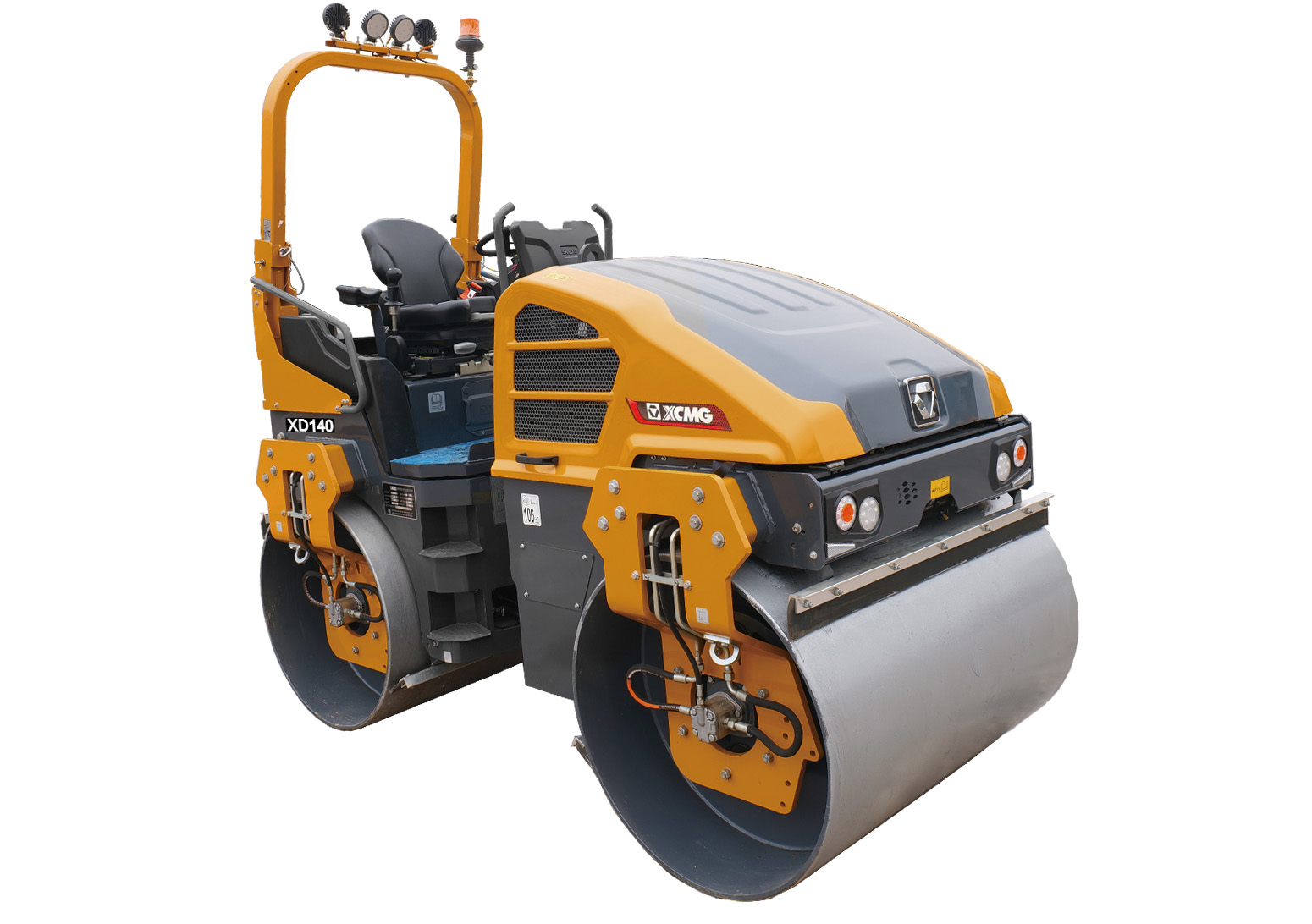
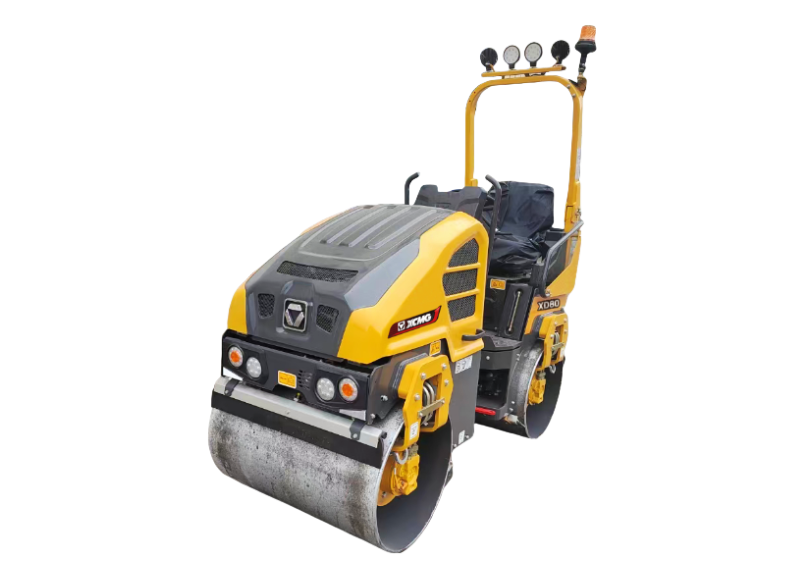
| XCMG XD80 | 3,527 lb (1,600 kg) | - | - | 22 hp |
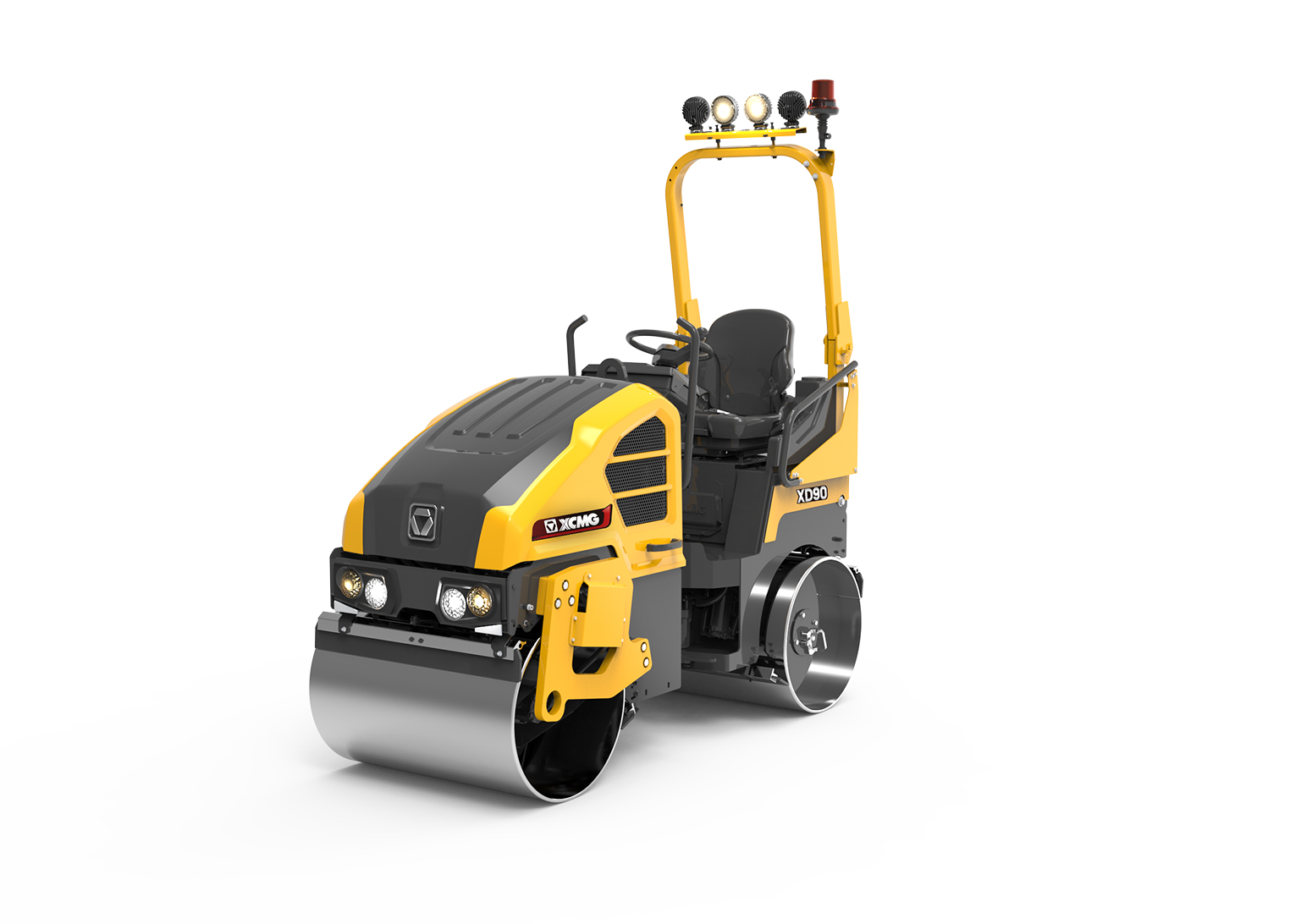
| XCMG XD90 | 3,748 lb (1,700 kg) | - | - | 22 hp |
| XCMG XD120(Stage Ⅲ) | 6,283 lb (2,850 kg) | - | - | 34 hp |
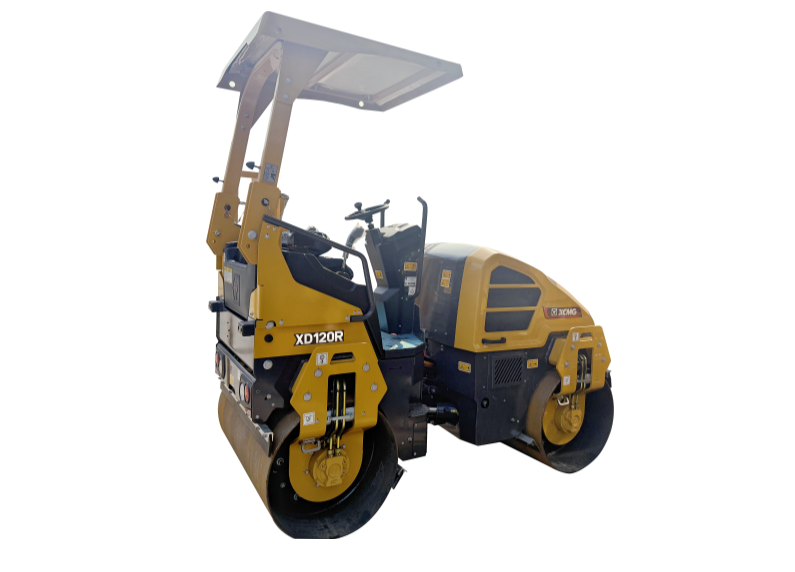
| XCMG XD120R | 7,937 lb (3,600 kg) | - | - | 34 hp |
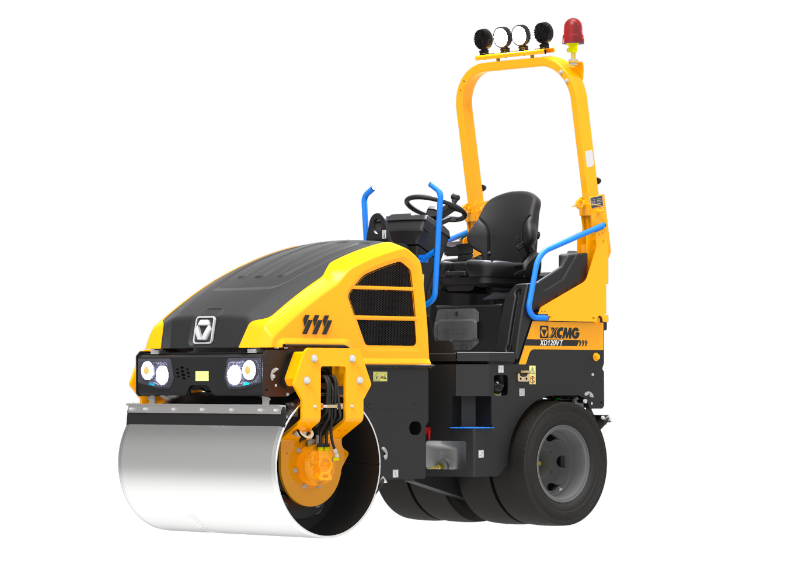
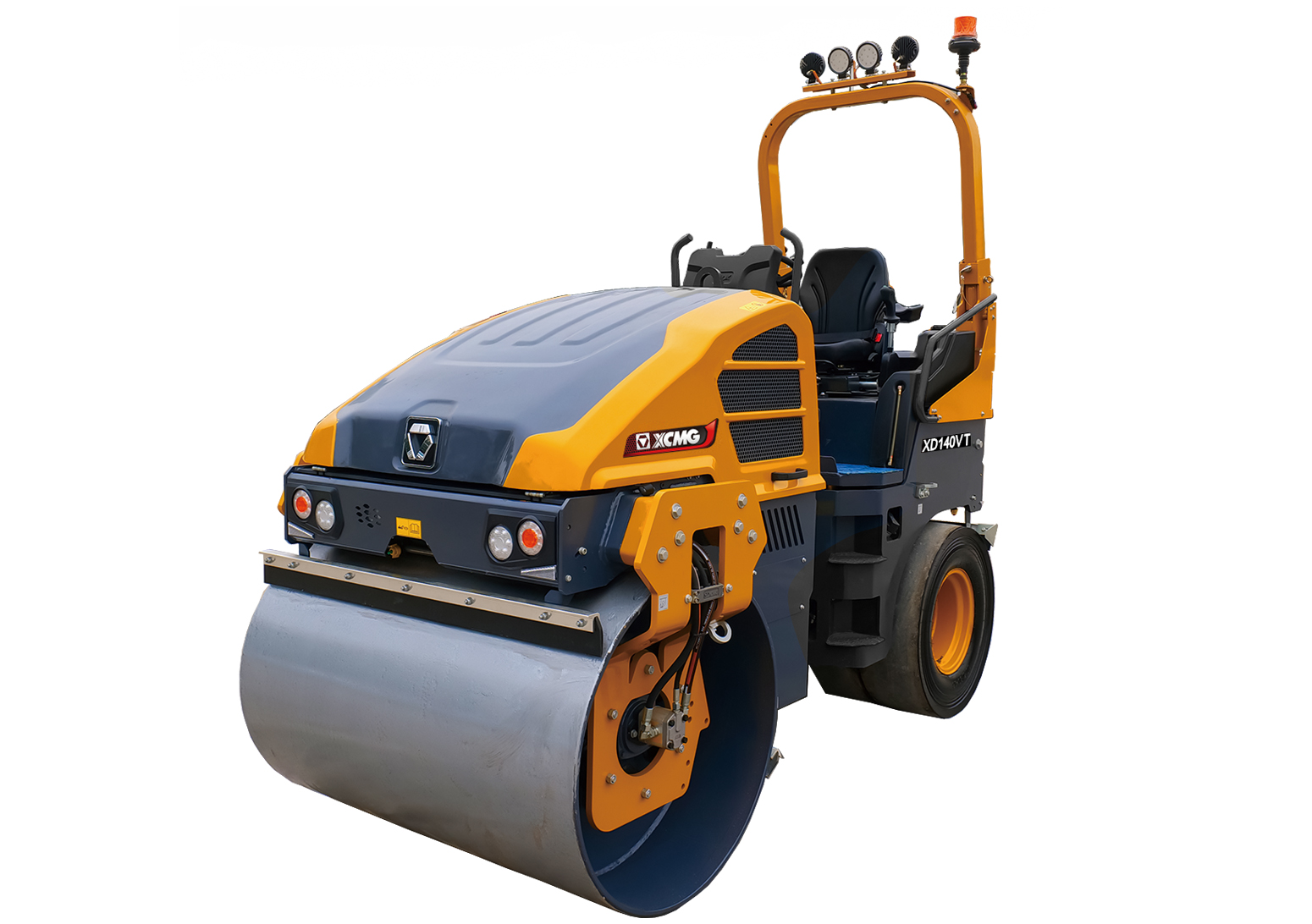
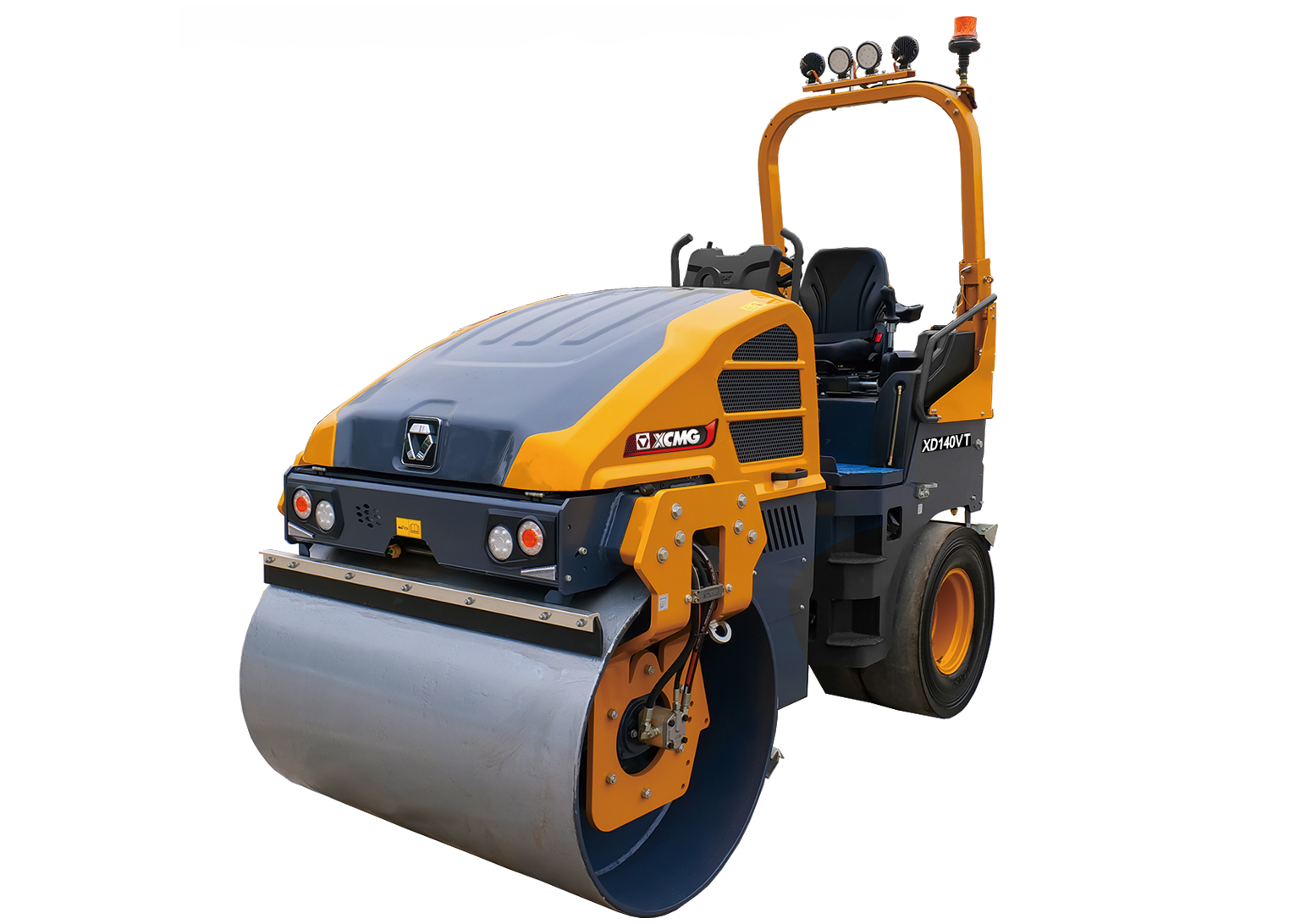
| XCMG XD120VT(Stage Ⅲ) | 5,842 lb (2,650 kg) | - | - | 34 hp |
Related equipment
Browse by manufacturer
Sources
Every specification is verified against the manufacturer's published data, with the source linked for reference.
All models
37 models · Every spec cited to source