
Hand Truck
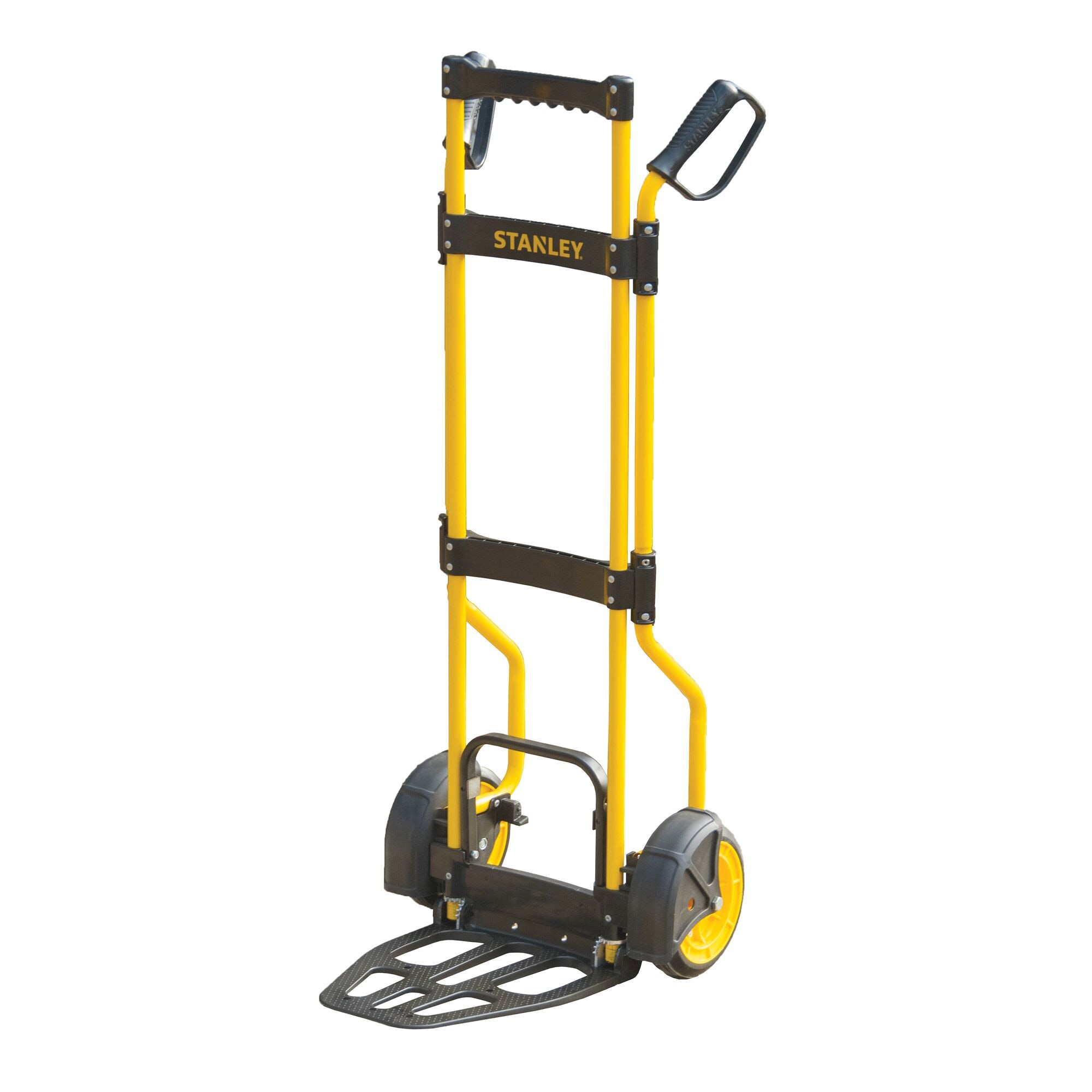
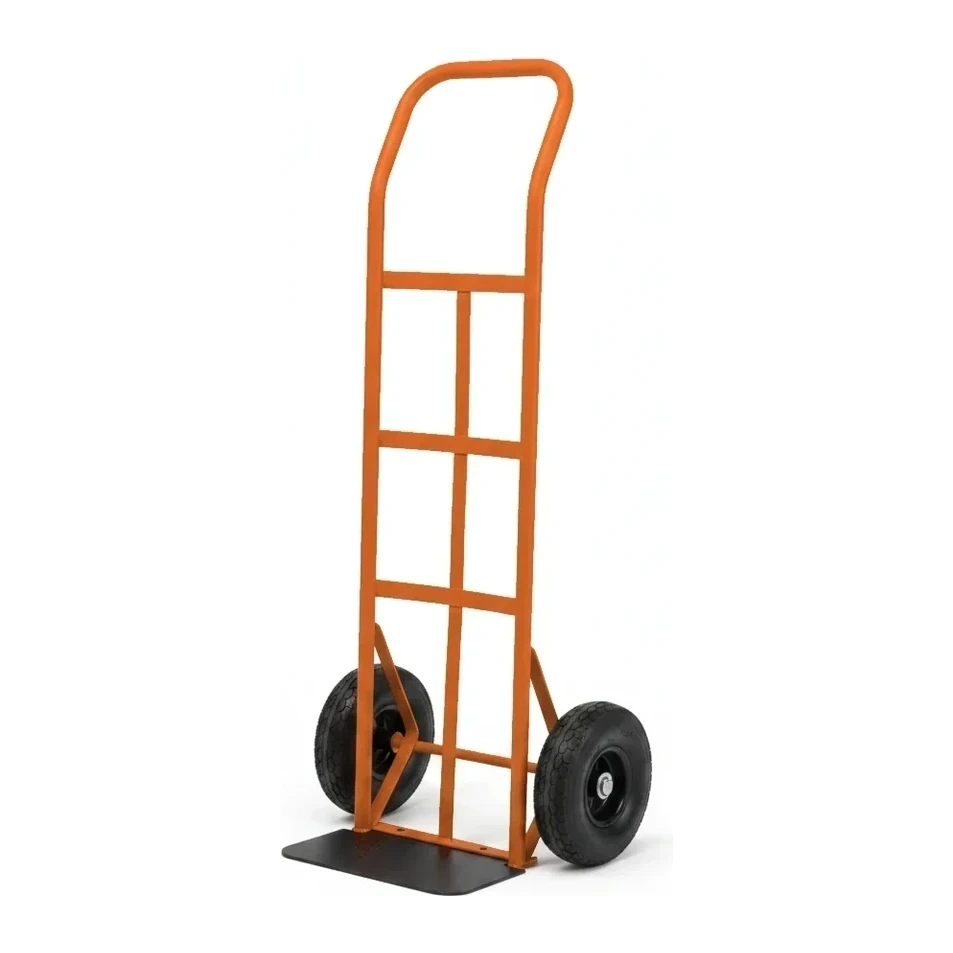
A hand truck is a two-wheeled, L-shaped manual material handling device designed to transport loads in an upright position. Also known as a dolly, two-wheeler, or sack truck, it leverages mechanical advantage to move heavy or bulky items with minimal physical effort. Hand trucks are fundamental equipment in warehousing, delivery, retail, and event industries for short-distance transport and vertical lifting.
How it works
The operator tilts the hand truck backward, sliding its vertical frame and toe plate beneath or behind the load. By pulling the handles and leaning the load back over the axle, the operator shifts the weight onto the two wheels, reducing the effective lifting force required. The operator then pulls or pushes the hand truck to the destination, using the wheels to roll the load across smooth surfaces or, with specialized designs, up and down stairs. Stair-climbing models feature triple-wheel configurations or ski-like runners that distribute weight and provide stable contact points on each step. Appliance dollies include additional straps or braces to secure large items like refrigerators or washing machines. The mechanical advantage provided by the wheel-and-axle system allows a single operator to move loads several times their own body weight.
Types & variants
- Standard Hand Truck
- Basic two-wheel design with vertical frame and toe plate; suitable for boxes, bags, and general warehouse use
- Appliance Dolly
- Heavy-duty model with extra-wide toe plate, ratchet straps, and reinforced frame for moving refrigerators, washers, and large appliances
- Stair-Climbing Dolly
- Features triple-wheel assemblies or stair glides that rotate or slide over steps, enabling controlled descent and ascent on stairs
- Convertible Hand Truck
- Transforms between two-wheel upright and four-wheel platform configurations for versatility in different loading scenarios
- Specialty Hand Cart
- Application-specific designs including cylinder carts for gas bottles, drum dollies, and equipment-specific transport frames
Key specifications
| Specification | Typical range | What it means |
|---|---|---|
| Load Capacity | Not specified in available data | Maximum weight the hand truck can safely transport; ranges from light-duty (200-400 lbs) to heavy appliance models (800+ lbs) |
| Wheel Configuration | Two-wheel standard; triple-wheel for stairs | Number and arrangement of wheels; affects maneuverability, stability, and stair-climbing capability |
| Frame Material | Steel or aluminum construction | Determines overall durability, weight, and corrosion resistance; aluminum offers lighter weight while steel provides maximum strength |
| Toe Plate Dimensions | Varies by application | Width and depth of the load platform that slides under items; wider plates suit appliances, narrower for boxes and bags |
How the industry sizes it
The hand truck class is not sized by standardized bands, as the equipment serves its intended purpose across the full range of available dimensions. Capacity ratings, frame height, and toe plate width vary by manufacturer and application, but the fundamental functionality remains consistent. Selection depends on specific load characteristics (weight, size, fragility), transport environment (stairs, smooth floors, outdoor terrain), and frequency of use rather than a universal sizing system.
Applications
- Warehouse and distribution center stock movement and order picking
- Appliance and furniture delivery in residential and commercial settings
- Building service and facility maintenance material transport
- Event setup and teardown for equipment and supply staging
- Retail stockroom replenishment and receiving operations
- Multi-floor building logistics where elevators or stairs are involved
Safety & operation
- Verify load capacity rating matches or exceeds the weight being transported; overloading can cause frame failure or tip-over
- Secure loads with straps or bungees to prevent shifting during transport, particularly on stairs or uneven surfaces
- Maintain three-point contact when descending stairs, controlling descent speed to prevent runaway loads
- Inspect wheels, axles, and frame welds regularly for wear or damage that could compromise structural integrity
- Use proper lifting technique when tilting loads back; keep the load center of gravity over the axle to prevent tipping
Standards & certifications
- OSHA · 1910.176
- General material handling and storage regulations applicable to manual transport equipment in workplaces
- ANSI · MH29.1
- Safety requirements for manually propelled and power-assisted hand trucks in industrial settings
- ASTM · F1140
- Standard specification for hand trucks used in material handling, covering construction and performance requirements
Frequently asked
What distinguishes an appliance dolly from a standard hand truck?
How do stair-climbing hand trucks work?
Why are hand trucks also called dollies or two-wheelers?
What are the main brands represented in the hand truck market?
Related equipment
Browse by manufacturer
Sources
Every specification is verified against the manufacturer's published data, with the source linked for reference.
All models
7 models · Every spec cited to source