
Pallet Jacks, Stackers and Warehouse Trucks
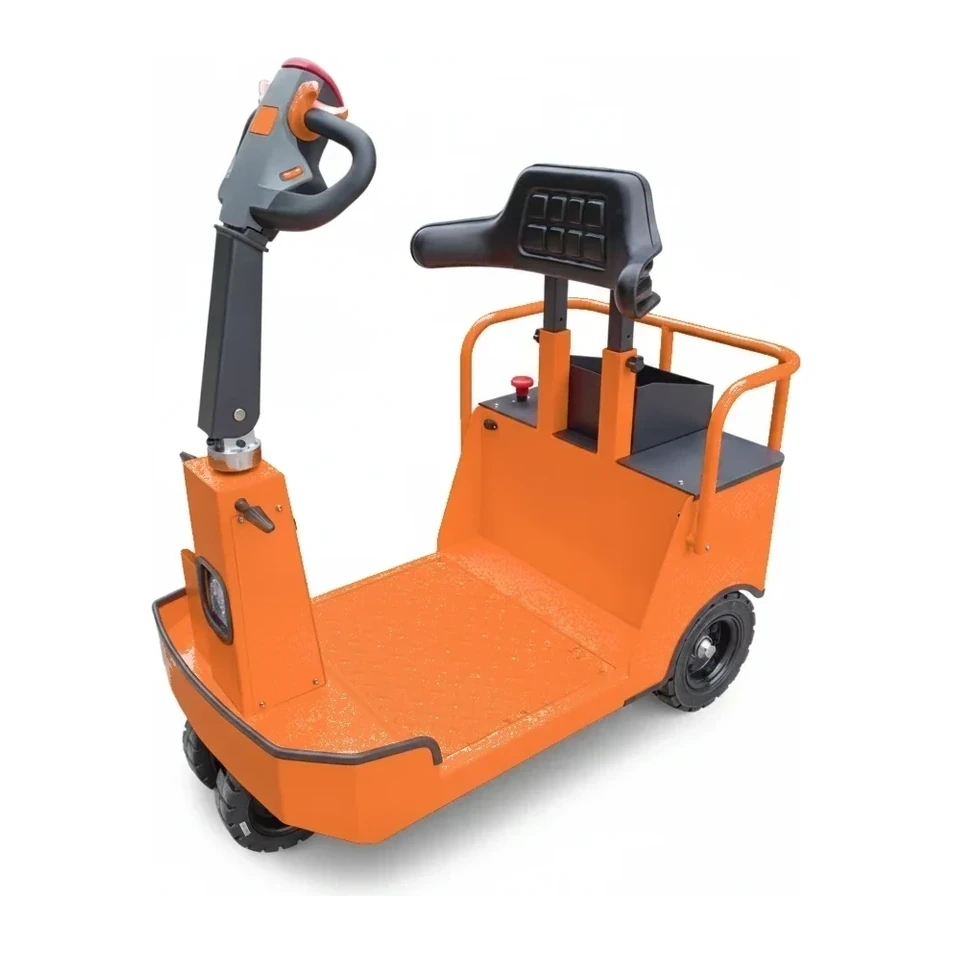
Forklifts and telehandlers lift and place palletized and suspended loads. Warehouse counterbalance trucks, telescopic-boom telehandlers, and heavier industrial forklifts are the three big classes in the catalog, with reach trucks and attachments alongside.
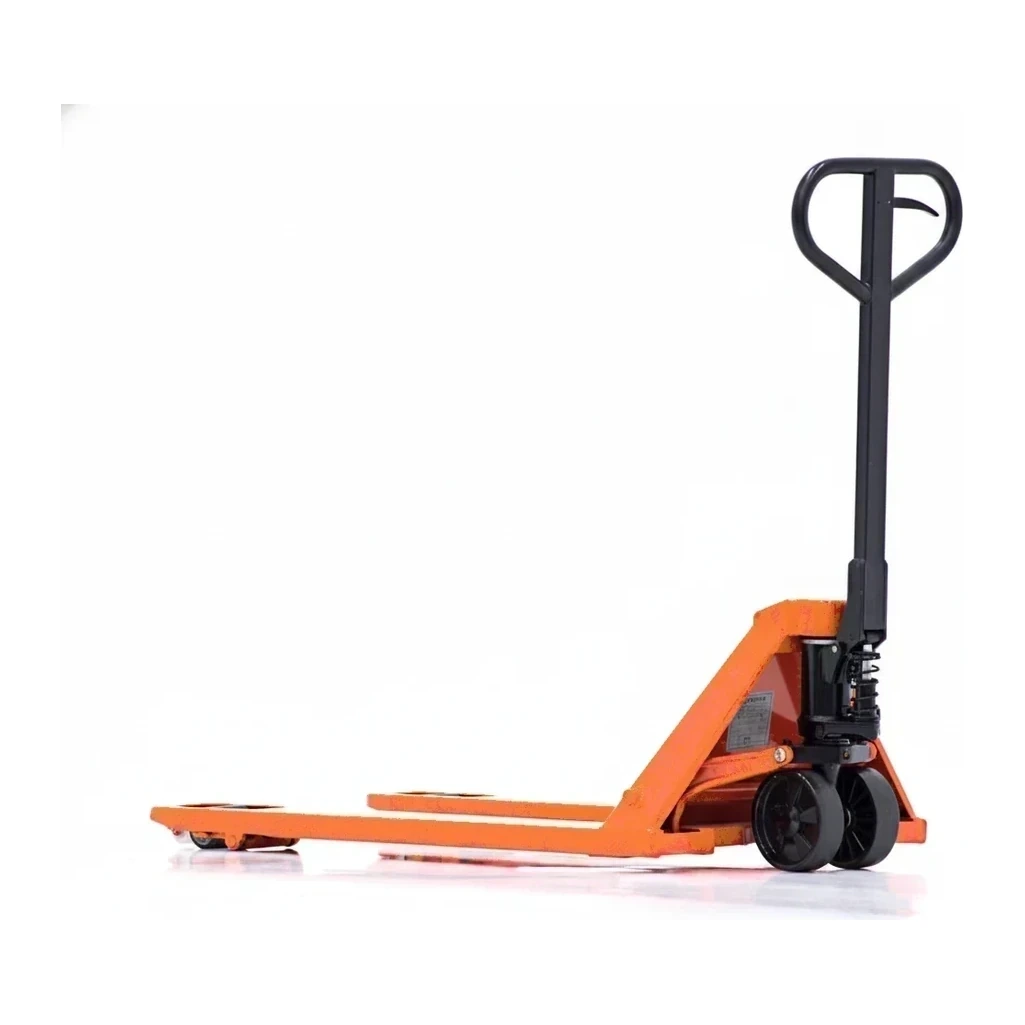
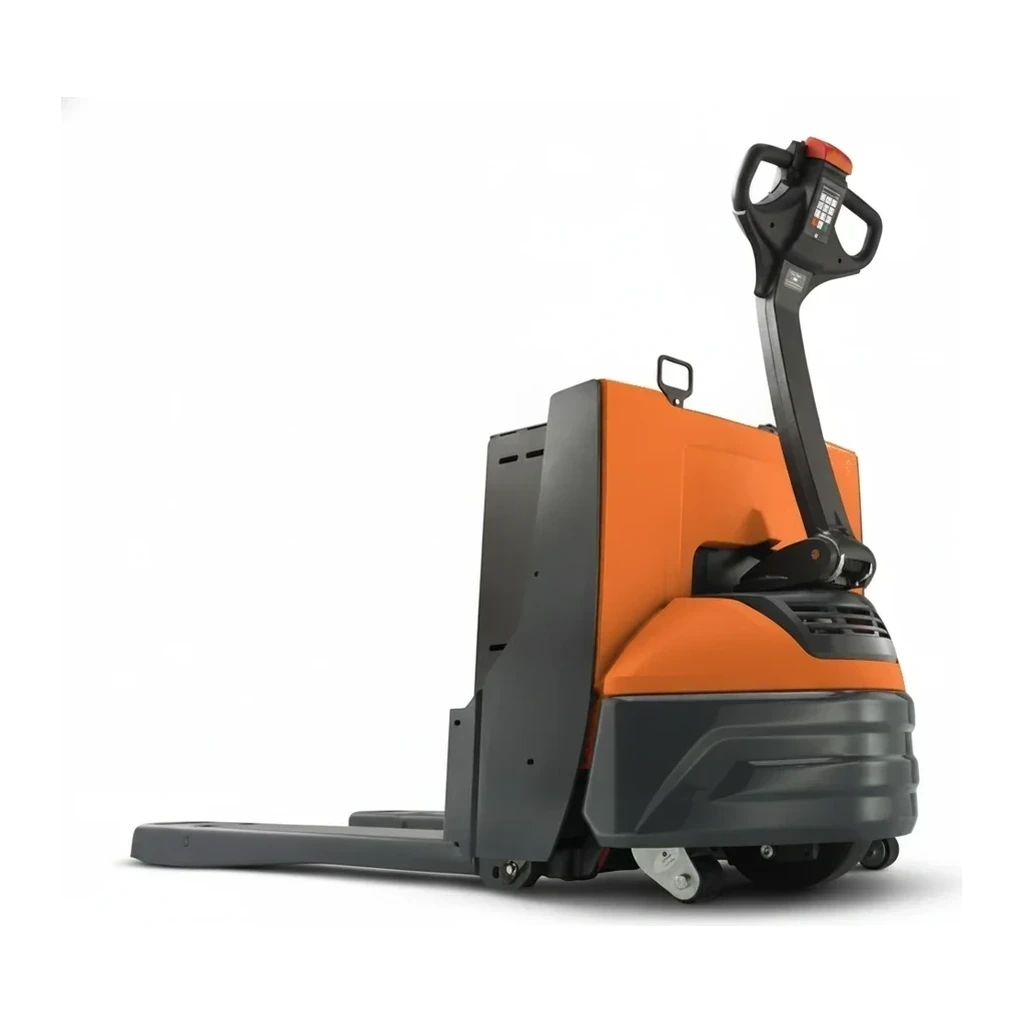
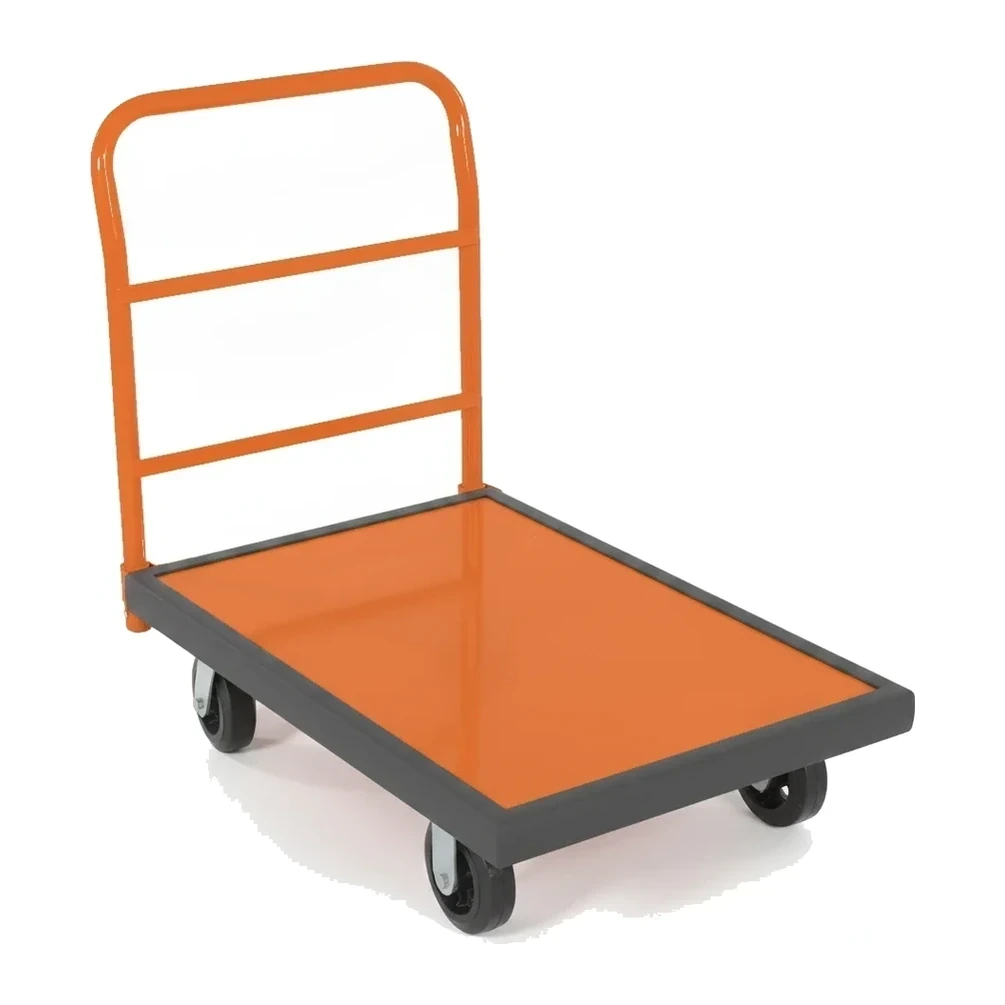
How it works
A counterbalance truck balances the load ahead of the front axle against the machine's rear weight, lifting on a vertical mast. A telehandler instead extends a boom up and out, trading some capacity for reach — governed by a load chart like a crane. Capacity always de-rates as load centers lengthen and attachments add weight.
Types & variants
- Warehouse Forklift
- Counterbalance lift truck built for pallet handling on improved floors.
- Telehandler
- Telescopic-boom lift truck that places loads at height and reach on rough terrain.
- Industrial Forklift
- Higher-capacity counterbalance truck for heavy pallets, coils, and machinery.
- Forklift and Telehandler Attachment
- Forks, jibs, buckets, and work platforms that mount to lift trucks and telehandlers.
- Reach Truck
- Narrow-aisle electric truck whose mast or forks extend to serve tall racking.
How to choose
Surface and reach decide the machine: smooth floors and dock work favor cushion- or pneumatic-tire counterbalance trucks; unimproved sites and placement at height favor telehandlers; dense racking favors reach trucks. Rated capacity must cover the real load at its real center, and operator certification applies across the family.
Standards & certifications
- OSHA · 29 CFR 1910.178
- Powered industrial truck rules, including mandatory operator training and evaluation.
- ANSI/ITSDF · B56.1
- Safety standard for low-lift and high-lift powered industrial trucks.