

1,500+ lb Glass and Glazing Manipulator
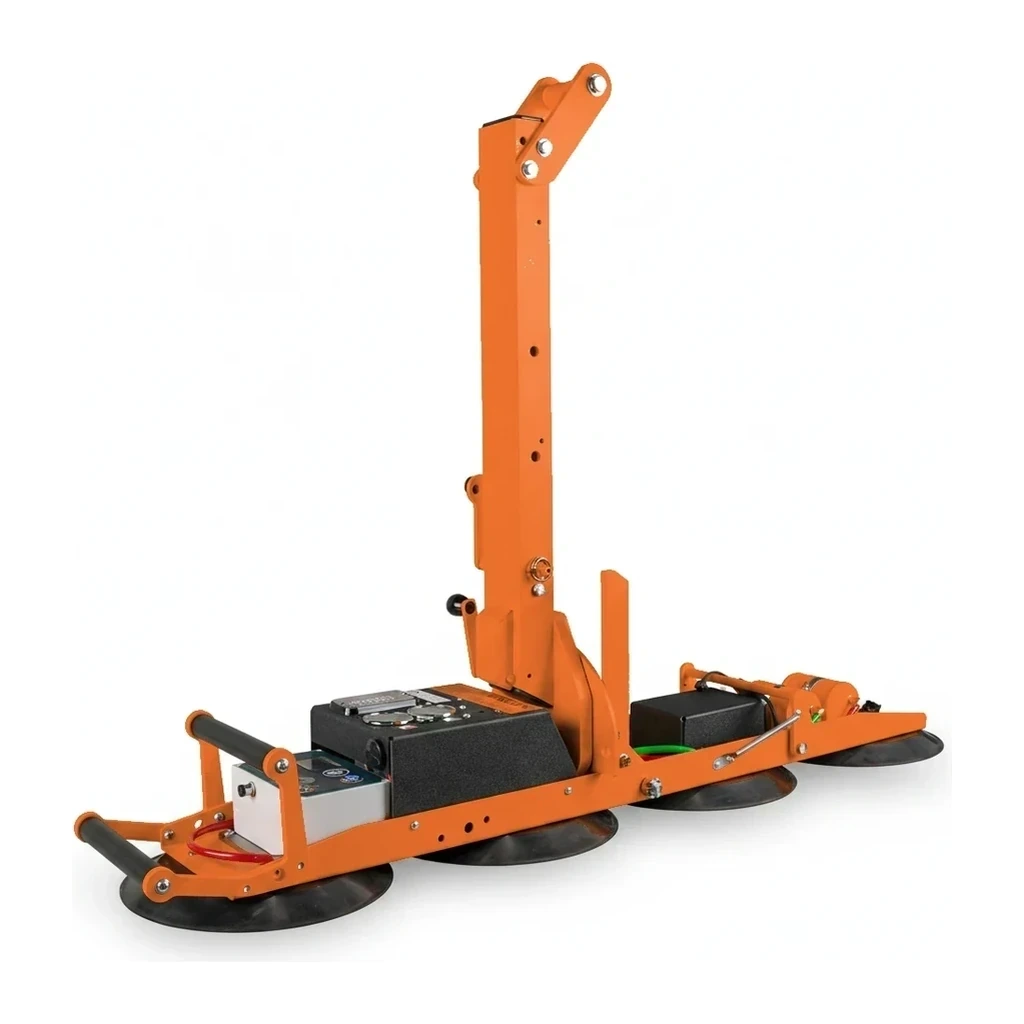
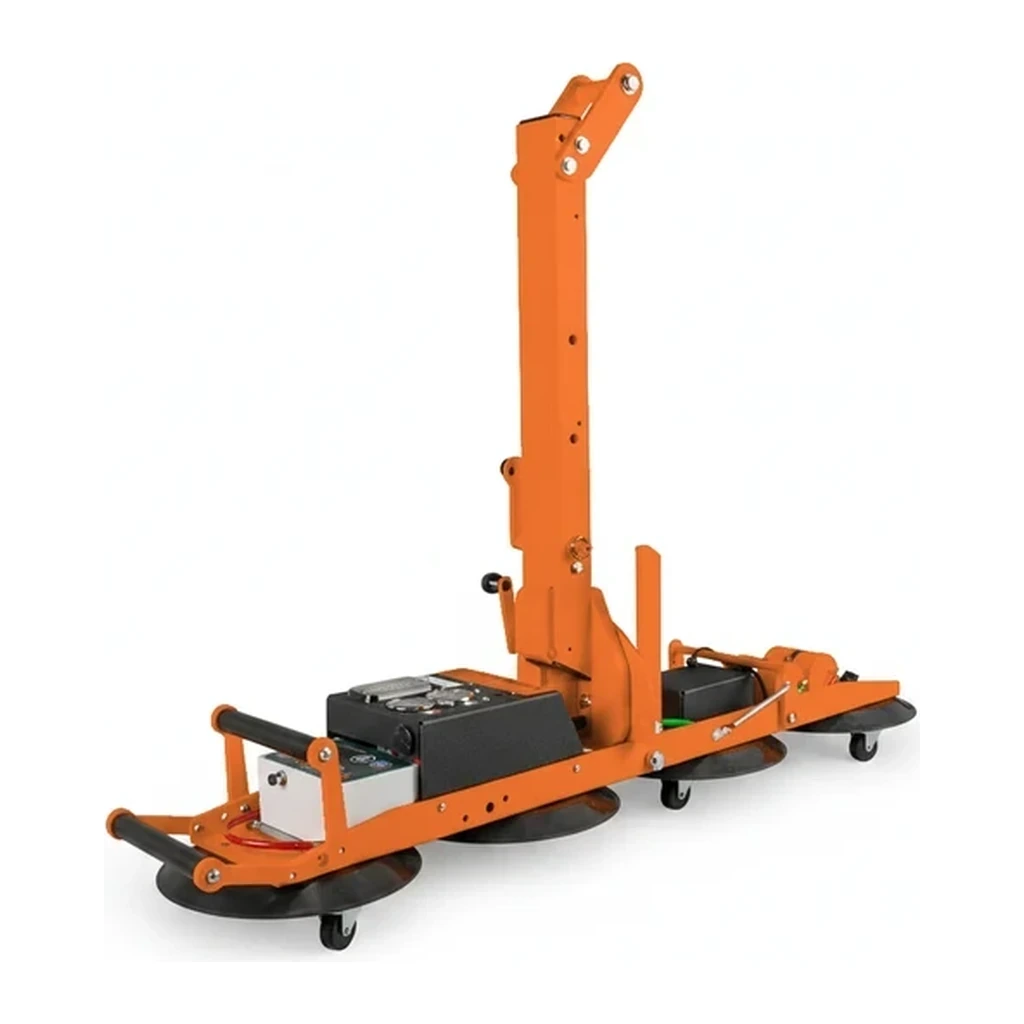
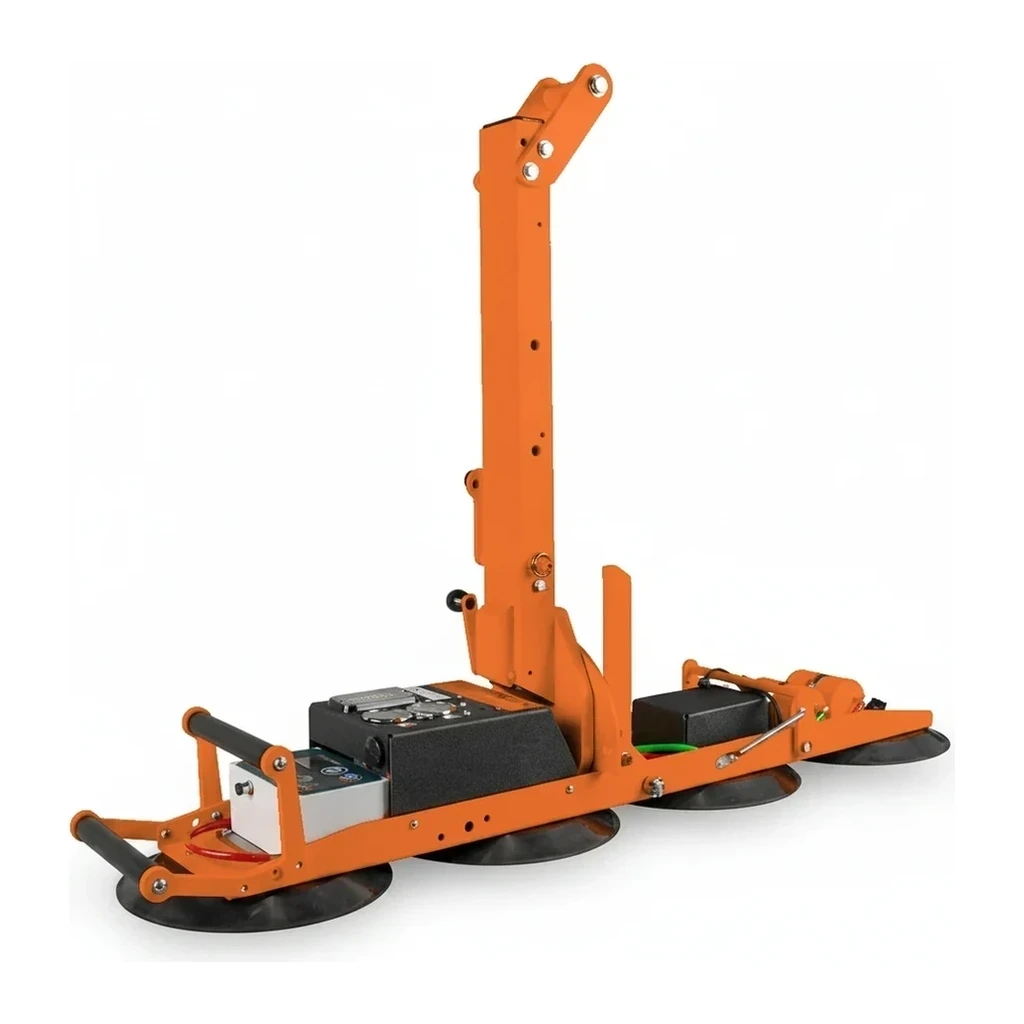
The 1,500+ lb glass and glazing manipulator represents the heaviest-capacity class in the material lifts and conveyors category, designed for oversized architectural glass and stone panels that exceed the limits of lighter equipment. This size class sits at the top of the glass manipulator ladder, handling loads beyond the 600-1,500 lb band. Only one model appears in industry data, reflecting the specialized nature of these heavy-duty machines.
Cat classes
Pick a size class: capacity and reach differ across the range.
Key specifications
| Specification | Typical range | What it means |
|---|---|---|
| Load Capacity | 1,500+ lb | Maximum weight rating for glass panels, curtain wall units, or stone cladding |
| Panel Orientation | Tilt and rotate | Vacuum pad assemblies pivot to position large panels from horizontal to vertical |
| Outreach | Extended boom or crane-mounted | Allows placement of heavy panels on multi-story facades or deep setbacks |
How to choose
The 1,500+ lb glass and glazing manipulator is specified when architectural glass panels, curtain wall assemblies, or stone cladding exceed 1,500 lb and cannot be handled by the 600-1,500 lb class. This size class is necessary for large-format glass installations on high-rise buildings, atrium skylight systems, and oversized stone veneer panels. Projects involving standard commercial glazing or residential curtain walls typically fall within the 600-1,500 lb glass and glazing manipulator range, which offers greater availability and lower mobilization costs.
What this size handles
- Positioning 12 ft × 20 ft insulated glass units on high-rise curtain walls
- Installing oversized stone panels on institutional building facades
- Setting jumbo glass panels for airport terminal atriums
- Handling triple-glazed unitized curtain wall sections on commercial towers
- Placing large-format architectural glass on museum or civic building envelopes
Safety & operation
- Vacuum pad integrity and backup systems are critical given the weight and size of panels being handled
- Load charts and outrigger placement must account for combined weight of manipulator and oversized glass or stone
- Exclusion zones below suspended loads must be enforced due to catastrophic potential of panel failure
- Wind loading on large panels requires continuous monitoring and suspension of lifts in high-wind conditions
Transport & logistics
- Delivered on flatbed or lowboy trailer by specialized rigging transport due to size and weight
- Crane-mounted variants may arrive as deck cargo or disassembled for reassembly on site
- Requires coordination with rigging contractors for offloading and setup
Power & supply
- Typically hydraulic systems powered by diesel engine or electric motor on the base machine
- Crane-mounted manipulators draw hydraulic power from the host crane's auxiliary circuit
- Electric models may require 480V three-phase service for onboard pump units
Frequently asked
What distinguishes the 1,500+ lb class from the 600-1,500 lb manipulator?
How is the manipulator typically deployed on multi-story projects?
What backup systems are standard on high-capacity glass manipulators?
Related equipment
Browse by manufacturer
Sources
Every specification is verified against the manufacturer's published data, with the source linked for reference.
1,500+ lb Glass and Glazing Manipulator
1 models · Every spec cited to source