

Woodworking Tools
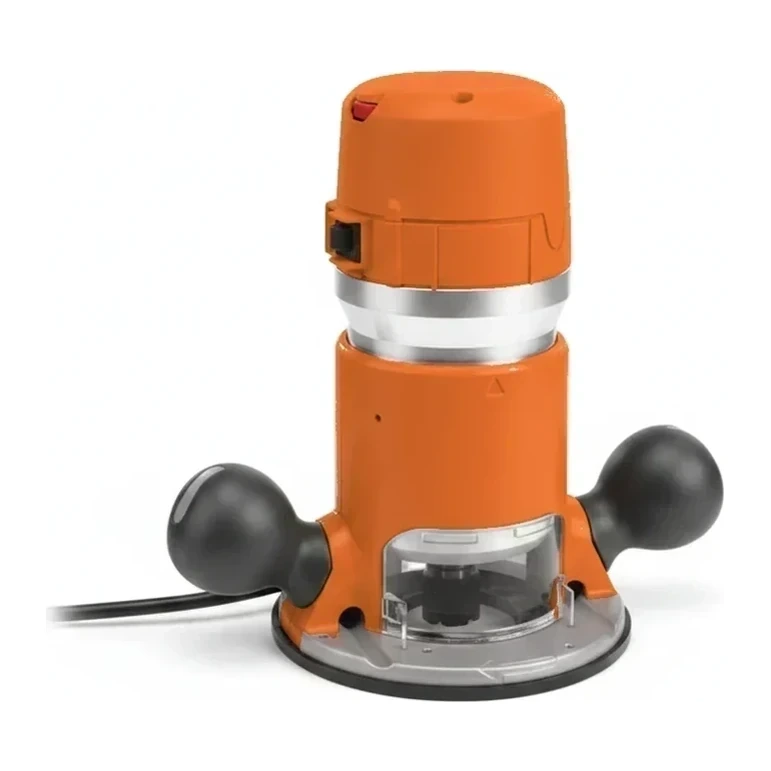
Routers shape edges and cut joinery in wood at high speed. The catalog class spans compact trim routers through full-size plunge machines.
How it works
A motor turns the bit at roughly 10,000-25,000 rpm; cut depth is set by base adjustment and the bit's geometry defines the profile. Guide bearings, edge fences, and templates steer the cut, and shallow multiple passes beat one deep pass in nearly all stock.
Types & variants
- Router
- High-speed rotary tool that profiles edges and cuts joinery in wood.
How to choose
Bit shank and motor size divide the family: quarter-inch trim routers for laminate, hinges, and light edge profiles; half-inch machines for deep joinery and large-profile bits. Plunge capability is the deciding feature for interior cut-outs, and bit condition drives finish quality more than motor power does.
Standards & certifications
- IEC · IEC 62841
- Safety standard series for hand-held and transportable motor-operated electric tools.
Frequently asked
What is a router used for?
Edge profiles (roundovers, chamfers, ogees), grooves and dadoes, hinge and hardware mortises, laminate trimming, and template-guided shaping.
Fixed base or plunge base?
Fixed bases hold one depth for edge work with maximum control; plunge bases lower the spinning bit into the middle of a panel for mortises and stopped grooves. Kits with both bases cover the spread.
Why take multiple shallow passes?
Load and finish. Deep single passes strain the motor, burn the wood, and risk kickback; stepping down in passes leaves cleaner profiles and keeps the bit sharp longer.