
Hydraulic and Lifting Tools
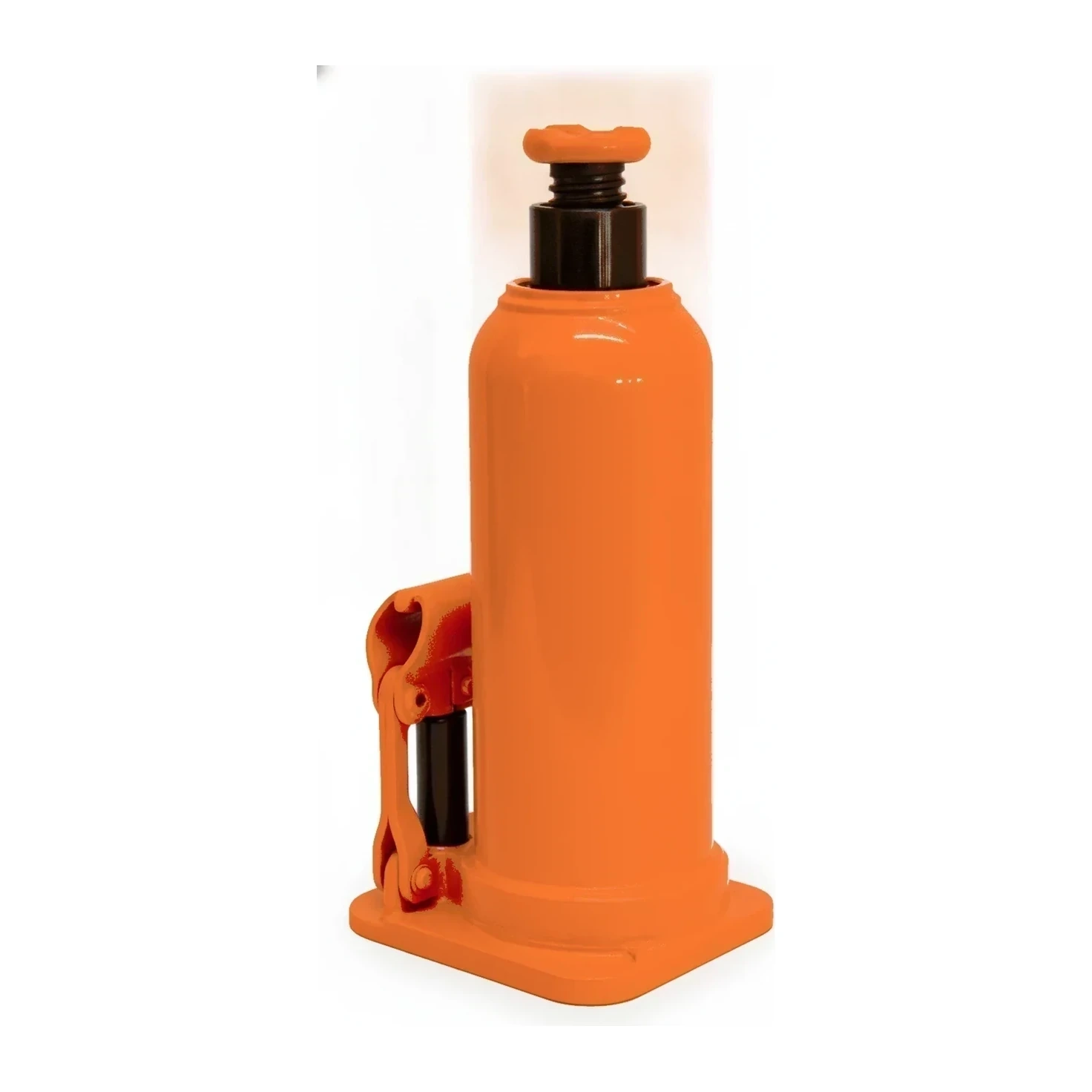
Jacks lift vehicles and equipment for service and rigging. Hydraulic bottle and floor jacks are the catalog class.
How it works
Pumping the handle forces fluid into a cylinder that extends the ram; a release valve lowers it under control. The jack lifts but never holds for work underneath — rated stands take the load once height is reached. Capacity, closed height, and stroke define fit for each task.
Types & variants
- Hydraulic Jack
- Bottle or floor jack that lifts vehicles and equipment hydraulically.
How to choose
Capacity should comfortably exceed the corner or point load, not the whole vehicle's weight; closed height must fit the clearance available; stroke must reach working height. Firm, level bearing under the base is as critical as the rating — soft ground and side loading are how jacks fail.
Standards & certifications
- OSHA · 29 CFR 1926.300
- General guarding and condition requirements for hand and power tools in construction.
Frequently asked
What is the difference between a bottle jack and a floor jack?
Geometry. A bottle jack lifts high capacities vertically from a small base but needs clearance for its height; a floor jack rolls under low equipment and lifts through an arc on a saddle.
Can a jack support a load during work?
No. Jacks lift; rated jack stands or cribbing hold. Hydraulic seals can bleed down without warning, so nothing goes under a load supported only by a jack.
How is jack capacity chosen?
From the actual point load — usually a corner, roughly a third to half of total weight — with margin. An overloaded jack may lift and then fail at height.