

Heaters
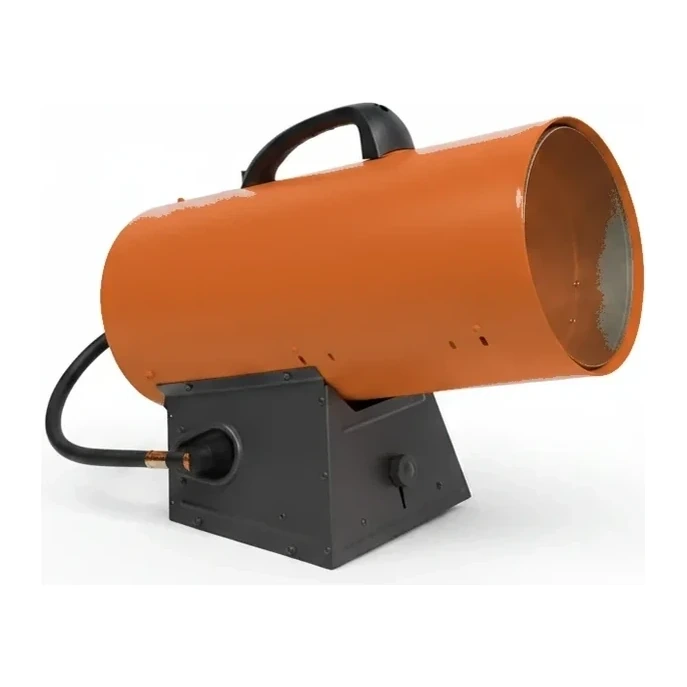
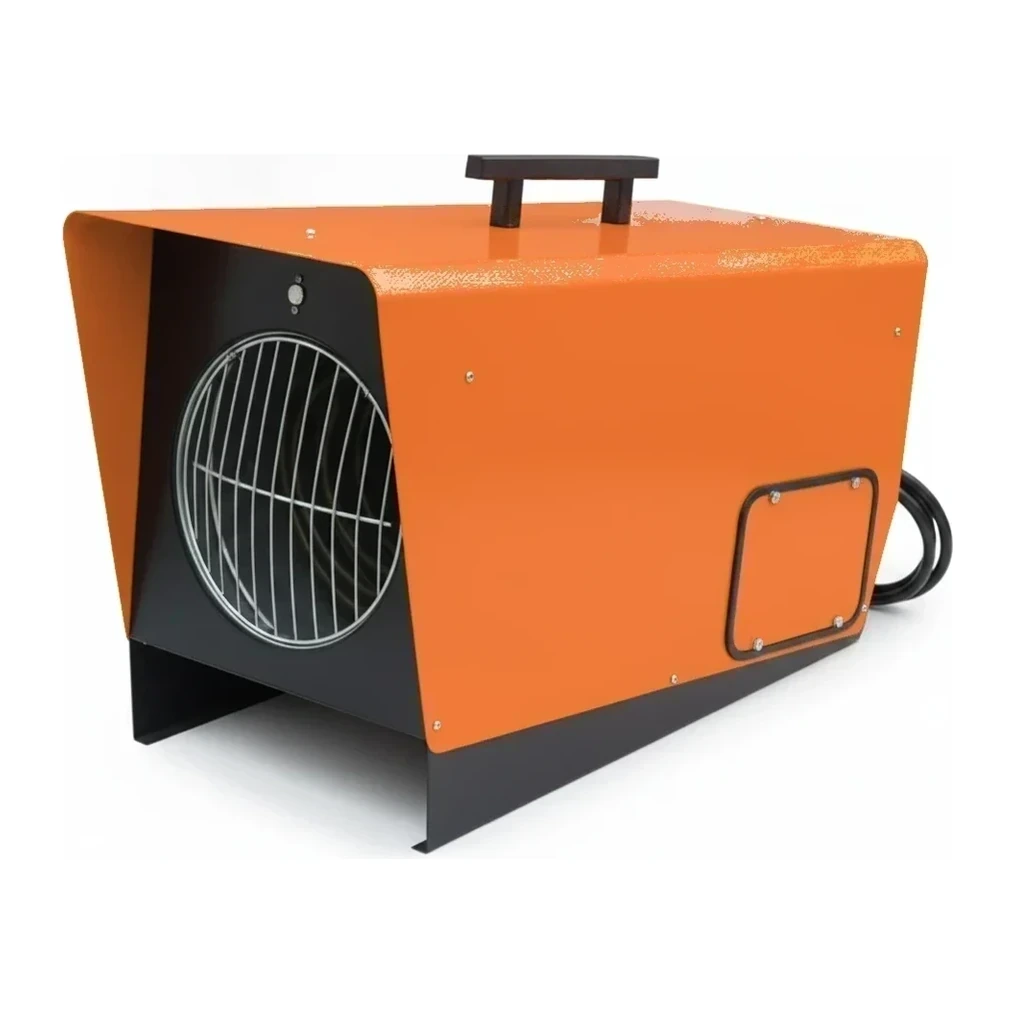
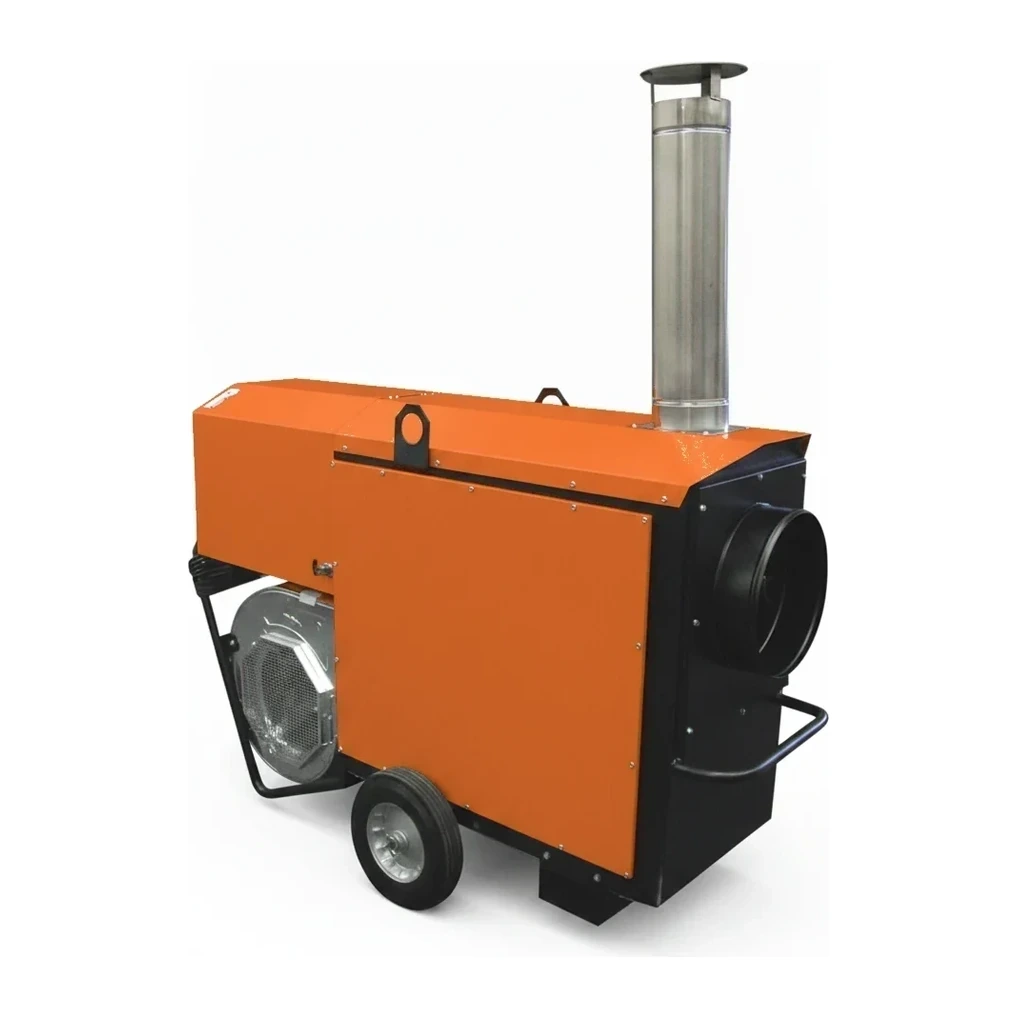
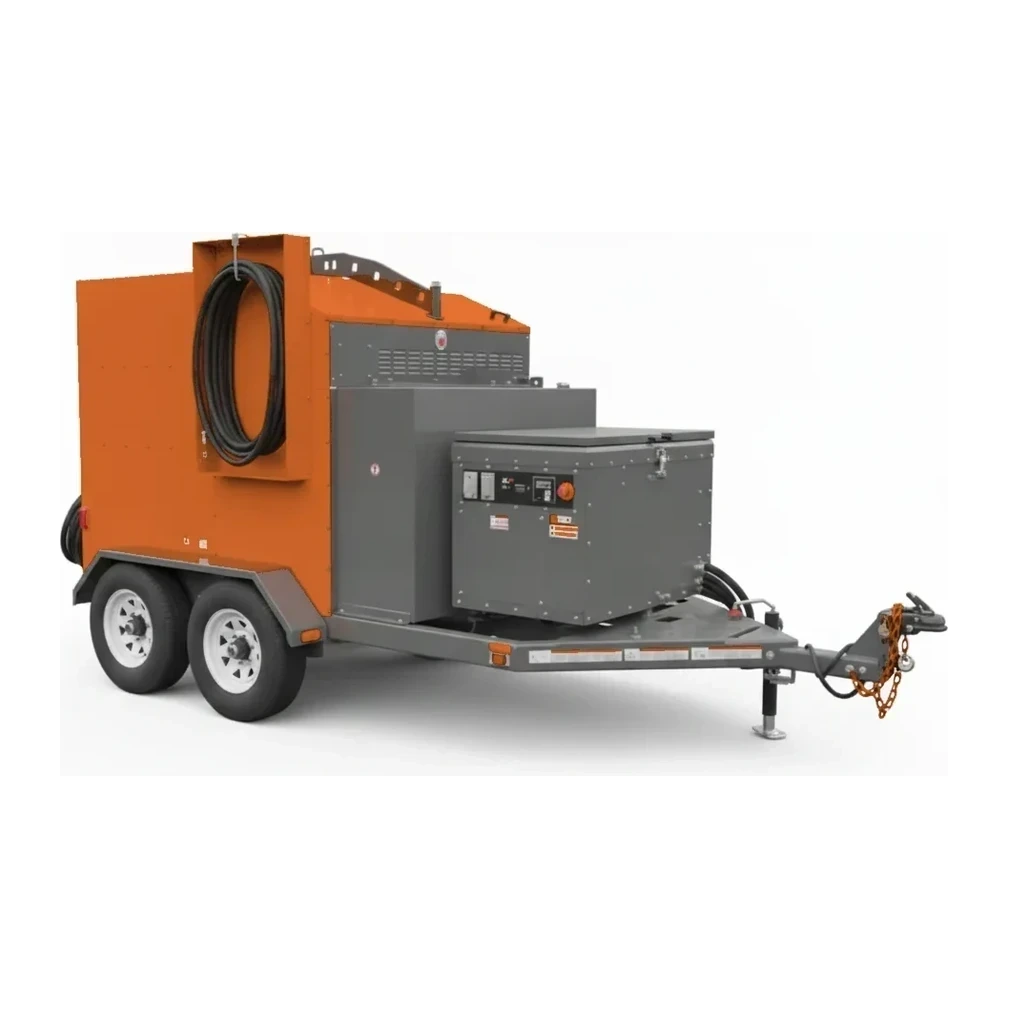
Heaters keep work, materials, and spaces at temperature through cold weather. Direct fired units are the largest class, with electric, indirect fired, hydronic, and heat pump options covering every fuel and venting situation.
How it works
Direct fired units are efficient and simple but discharge combustion products with the heated air, so they demand ventilation and suit open structures. Indirect units duct clean, dry air into enclosed and occupied spaces. Hydronic systems pump heated glycol through hoses to thaw ground and cure concrete evenly; electric units trade fuel logistics for amperage draw.
Types & variants
- Direct Fired Heater
- Fuel-fired heater that discharges combustion products with the heated air, for well-ventilated spaces.
- Electric Heater
- Fan-forced or radiant electric heater with no on-site emissions.
- Heat Pump
- Reversible refrigeration unit that provides efficient heating and cooling.
- Indirect Fired Heater
- Fuel-fired heater with a heat exchanger that delivers clean, dry air to enclosed spaces.
- Hydronic Heater
- System that circulates heated fluid for ground thaw, curing, and space heat.
How to choose
Occupancy and venting decide the technology: enclosed occupied spaces call for indirect, electric, or heat pump heat; open or well-ventilated structures tolerate direct fired efficiency; ground thaw and curing favor hydronic. BTU sizing follows volume, target temperature rise, and envelope, with fuel supply and CO monitoring as standing considerations.
Standards & certifications
- CSA/ANSI · Z83 series
- Safety standards for gas-fired heaters, including construction heaters.
- NFPA · NFPA 241
- Fire-safety standard for construction sites, covering temporary heating and fuel handling.