

32-48 in Walk-Behind Mower
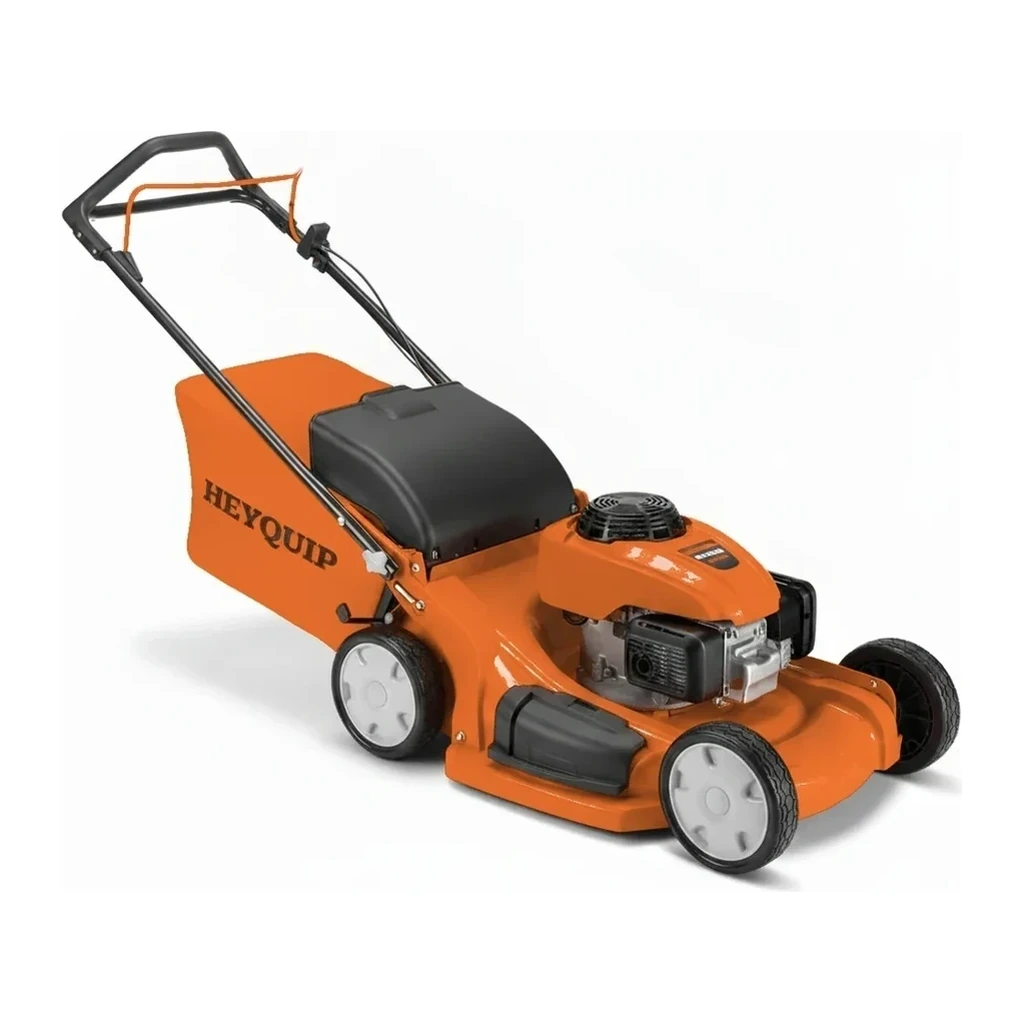
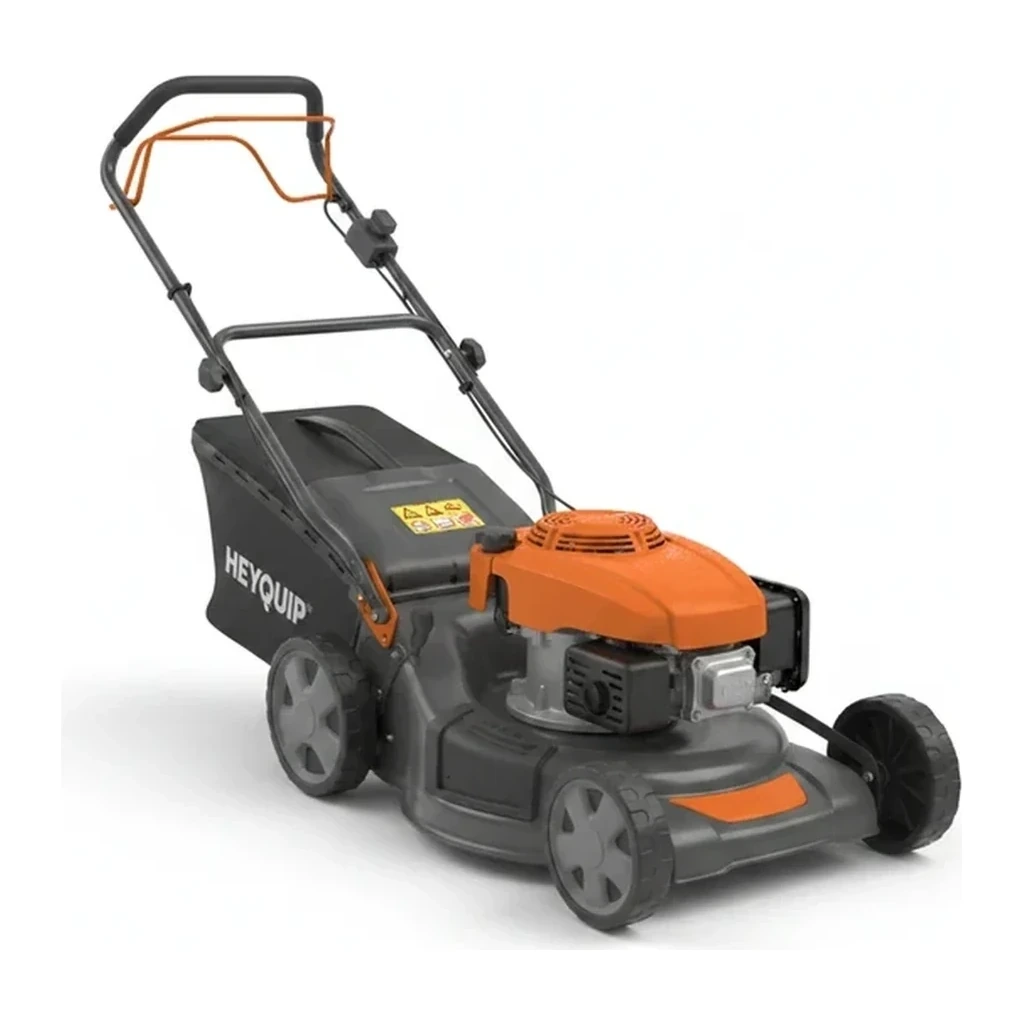
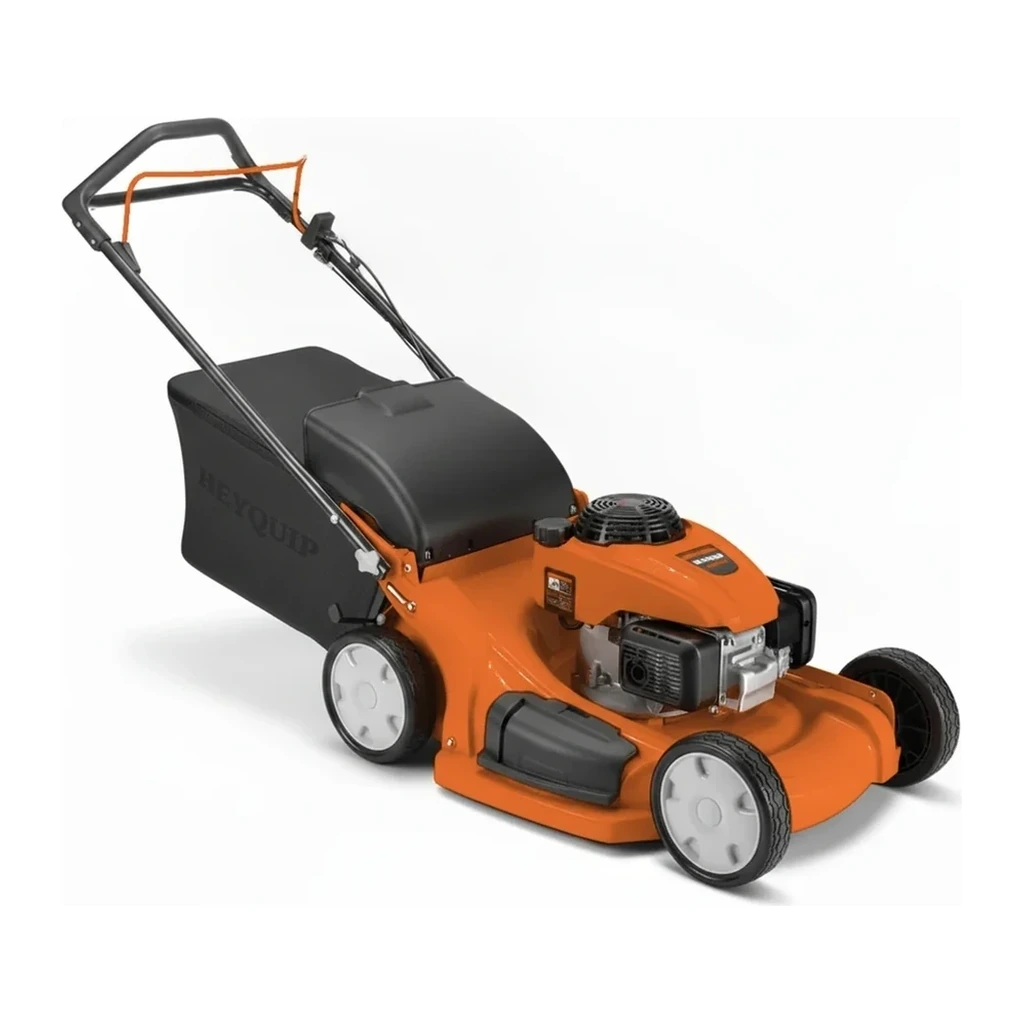
The 32-48 in walk-behind mower class comprises hydrostatic-drive commercial machines designed for large lawns, embankments, and slopes where riding mowers cannot safely operate. This is the top rung of the walk-behind ladder, offering wider cutting decks and powered drive systems for extended mowing on challenging terrain. Below this band sits the Up to 22 in Walk-Behind Mower class for residential-scale work.
Cat classes
Pick a size class: capacity and reach differ across the range.
Key specifications
| Specification | Typical range | What it means |
|---|---|---|
| Cutting width | 32–48 in (81.3–122 cm) | Wider decks reduce passes on large properties while remaining maneuverable on slopes. |
| Drive system | Hydrostatic | Infinitely variable speed control allows precise maneuvering on banks and uneven ground. |
| Deck configuration | Fixed or floating | Commercial-grade decks handle prolonged use on rough terrain and dense turf. |
How to choose
This size class is appropriate for commercial grounds maintenance, HOA common areas, large residential lots with significant slope, and highway embankments where a zero-turn or riding mower would risk rollover. The hydrostatic drive and wider deck justify the step up from the Up to 22 in Walk-Behind Mower band when mowing area exceeds an acre or terrain includes sustained grades. For typical residential lawns under half an acre on flat ground, the smaller Up to 22 in class offers simpler operation and lower fuel consumption.
What this size handles
- Mowing retention pond banks and drainage swales too steep for riders
- Maintaining large residential properties with rolling or hilly topography
- Commercial landscape contracts requiring walk-behind access on slopes
- Highway embankment and roadside mowing where zero-turns cannot hold grade
- Parks and athletic fields with berms or terraced areas
- Estate grounds with mixed terrain and obstacles requiring walk-behind control
Safety & operation
- Operator-presence controls stop blade and drive when handlebar grip is released
- Hydrostatic drive requires familiarity with speed control to prevent runaway on slopes
- Mowing across slopes rather than up-and-down reduces rollback and loss-of-control risk
- Deck discharge chute must be directed away from bystanders and property during operation
Transport & logistics
- Fits in standard landscape trailers alongside other walk-behind equipment
- Typical weight allows loading via single-axle ramps without winch assistance
- Deck width requires 4-5 ft trailer width; length accommodates tandem positioning with trimmers
Power & supply
- Gasoline-powered engines, typically 10-20 HP, fueled on site from standard gas cans
- Run time of 3-5 hours per tank on typical commercial mowing applications
- No external power required; self-contained fuel system supports remote site operation
Frequently asked
What slope angle separates walk-behind from riding mower territory?
How does hydrostatic drive differ from gear or belt systems in smaller walk-behinds?
When does a 48 in walk-behind make sense versus a compact zero-turn of similar width?
Compare popular models
Find by spec →Normalised to the same units. A dash means the figure was not published.
| Model | Engine power | Operating weight | Fuel capacity |
|---|---|---|---|
| Kubota GR2020G | 20 hp | 882 lb (400 kg) | - |
| Kubota GR2120 | 17 hp | 959 lb (435 kg) | - |
Related equipment
Browse by manufacturer
Sources
Every specification is verified against the manufacturer's published data, with the source linked for reference.
32-48 in Walk-Behind Mower
2 models · Every spec cited to source