

Tillage and Soil Prep
How it works
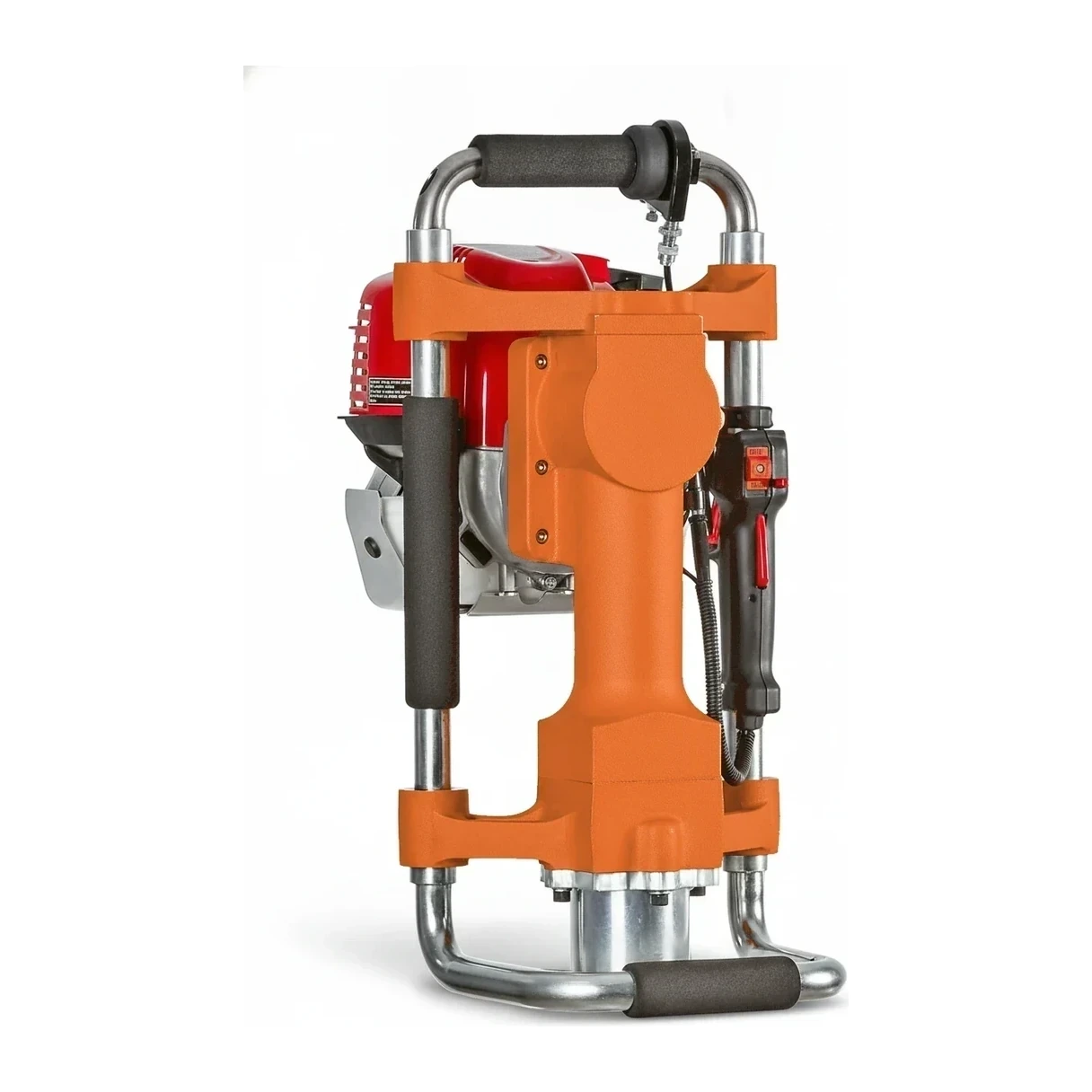
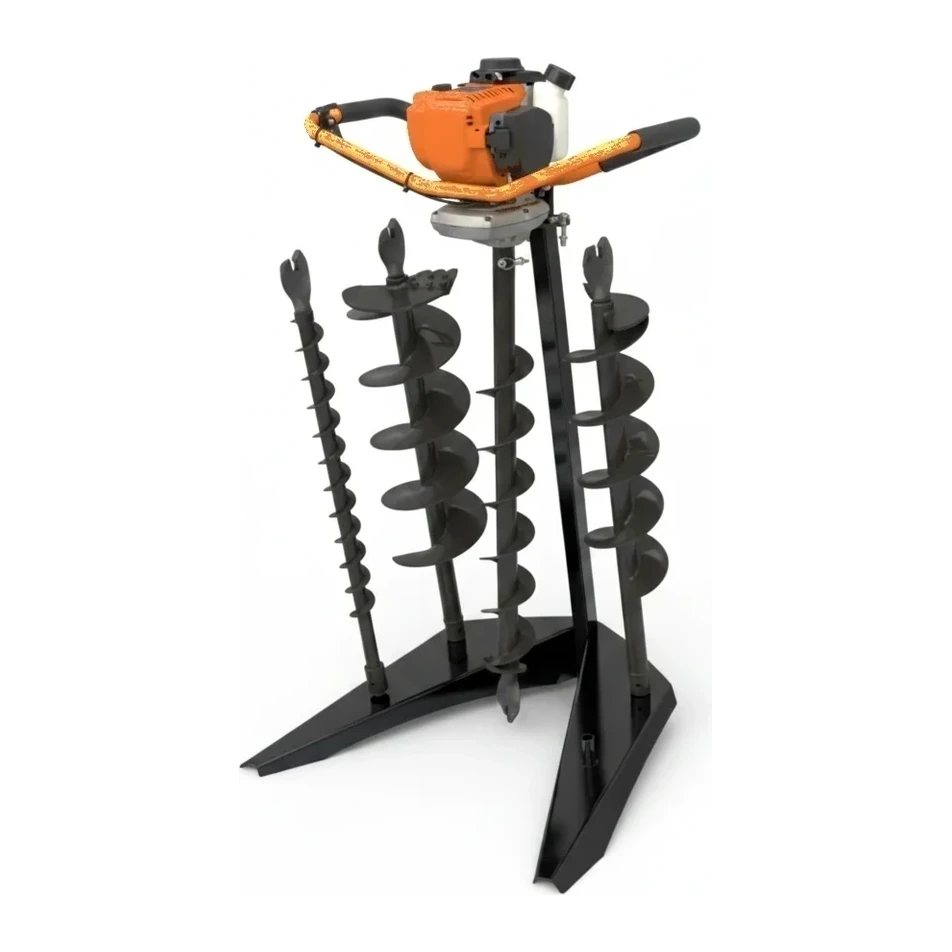
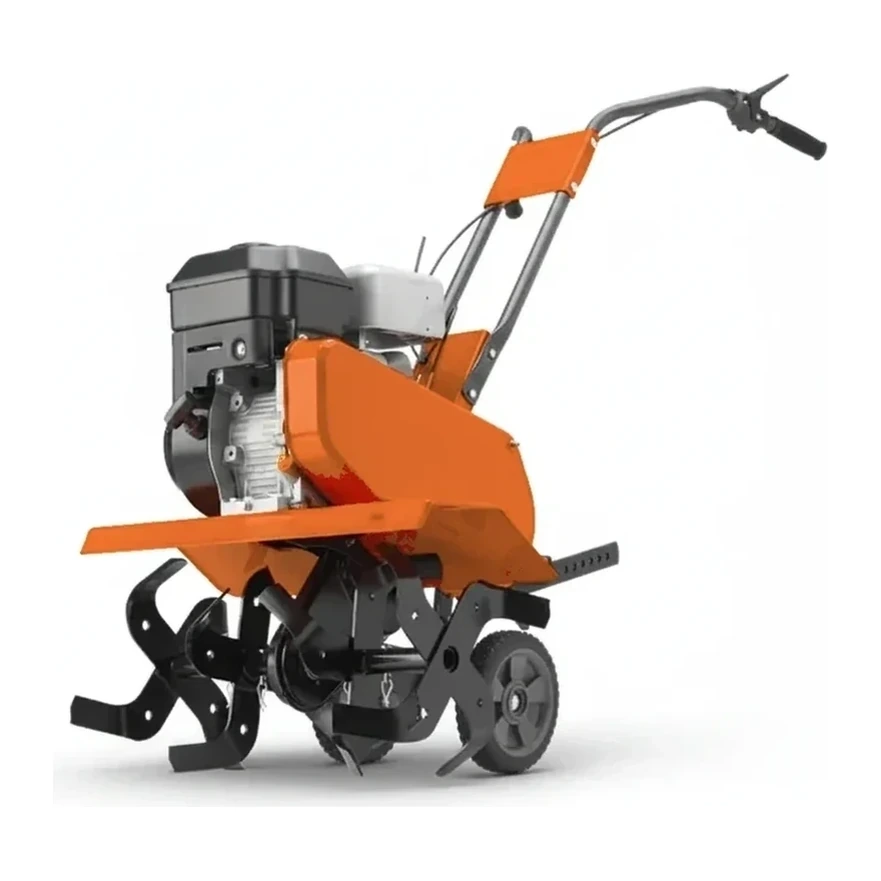
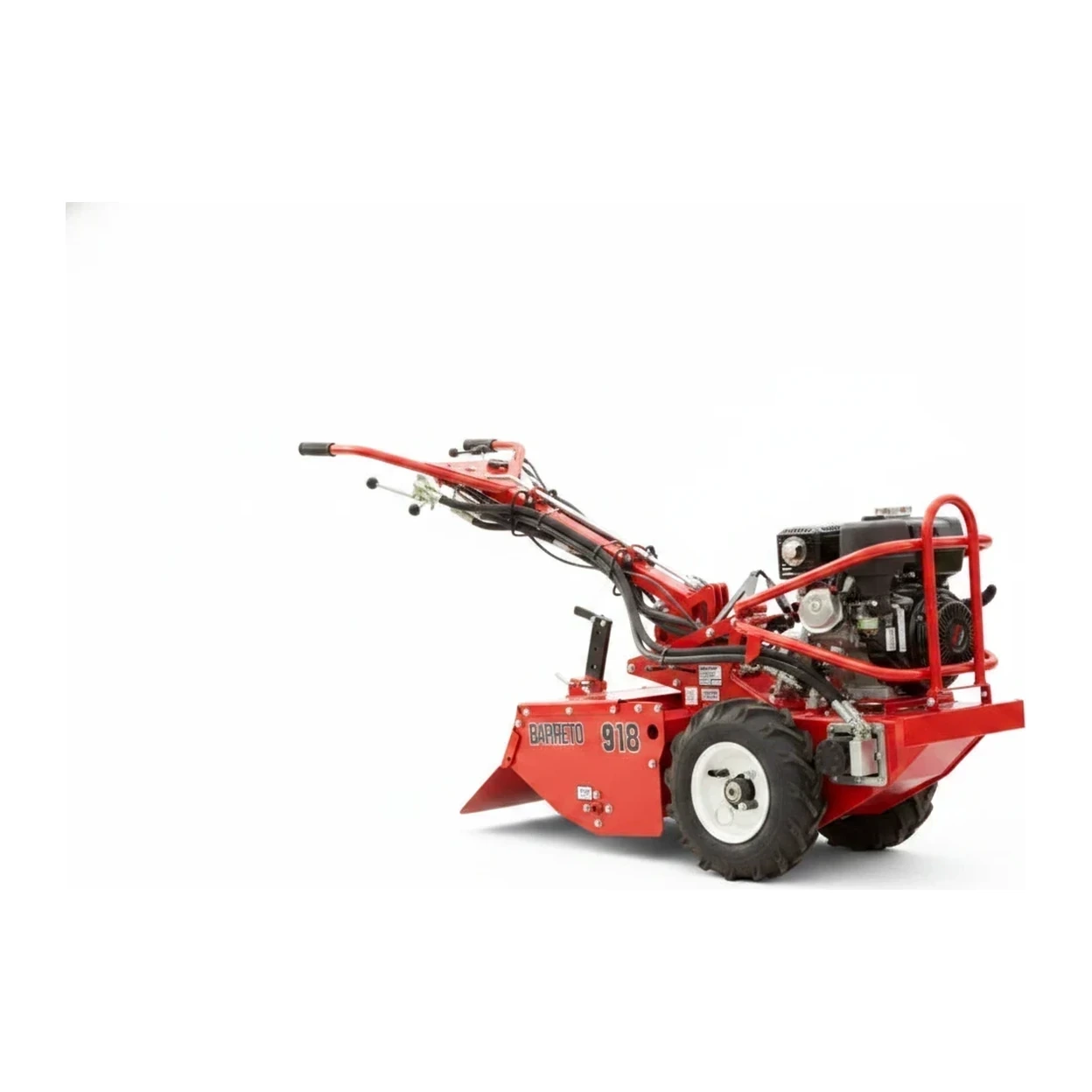
Tillage and soil prep equipment mechanically disrupts compacted earth through various methods depending on the specific tool. Tillers use rotating tines or blades powered by gasoline or electric motors to break up and aerate soil to a controlled depth. Earth augers employ helical drill bits that rotate to bore cylindrical holes for posts, footings, or plantings. Post drivers use repetitive impact force, either pneumatic or gasoline-powered, to drive fence posts and stakes directly into the ground without pre-drilling. Operators guide these machines manually, with engine power providing the mechanical force needed to penetrate and work difficult soil conditions.
Types & variants
- Front-Tine Tiller
- Walk-behind cultivating machines with tines mounted ahead of the wheels, designed for breaking up soil, mixing amendments, and seedbed preparation in gardens and landscaping applications.
- Earth Auger
- Portable boring equipment using helical drill bits to excavate cylindrical holes in soil for fence posts, signage, tree planting, and foundation piers.
- Post Driver
- Impact equipment that uses pneumatic, gasoline, or hydraulic power to drive fence posts, sign posts, and ground stakes directly into soil through repetitive hammering action.
Standards & certifications
- ANSI/OPEI · B71.9
- Safety specifications for walk-behind outdoor power equipment including tillers
- OSHA · 1926 Subpart P
- Excavation and earth-moving safety standards applicable to soil penetration work
Frequently asked
What determines the appropriate power class for tillage equipment?
Soil condition, working depth requirements, and area coverage determine power needs. Heavier clay soils and deeper cultivation require higher horsepower engines and more robust tine or auger construction, while sandy or previously worked soils can be managed with lighter equipment.
How does soil type affect equipment selection within this subcategory?
Rocky or clay-heavy soils typically require more powerful engines and reinforced working components. Sandy or loamy soils are more forgiving and can be worked with lighter equipment. Moisture content also significantly affects performance, with excessively wet or dry conditions challenging for all tillage methods.
What distinguishes front-tine tillers from other tilling equipment?
Front-tine tillers position the tines ahead of the drive wheels, making them more maneuverable in tight spaces but requiring operator effort to control forward motion. This configuration works well for established gardens and lighter soil preparation but provides less aggressive digging action than rear-tine designs.
What safety considerations apply across tillage and soil prep equipment?
All equipment in this subcategory involves rotating or impact mechanisms near ground level, requiring operators to maintain stable footing and watch for underground utilities. Protective shields, deadman controls, and proper PPE including steel-toed boots and eye protection are standard safety requirements across the category.