

Pipe Fabrication
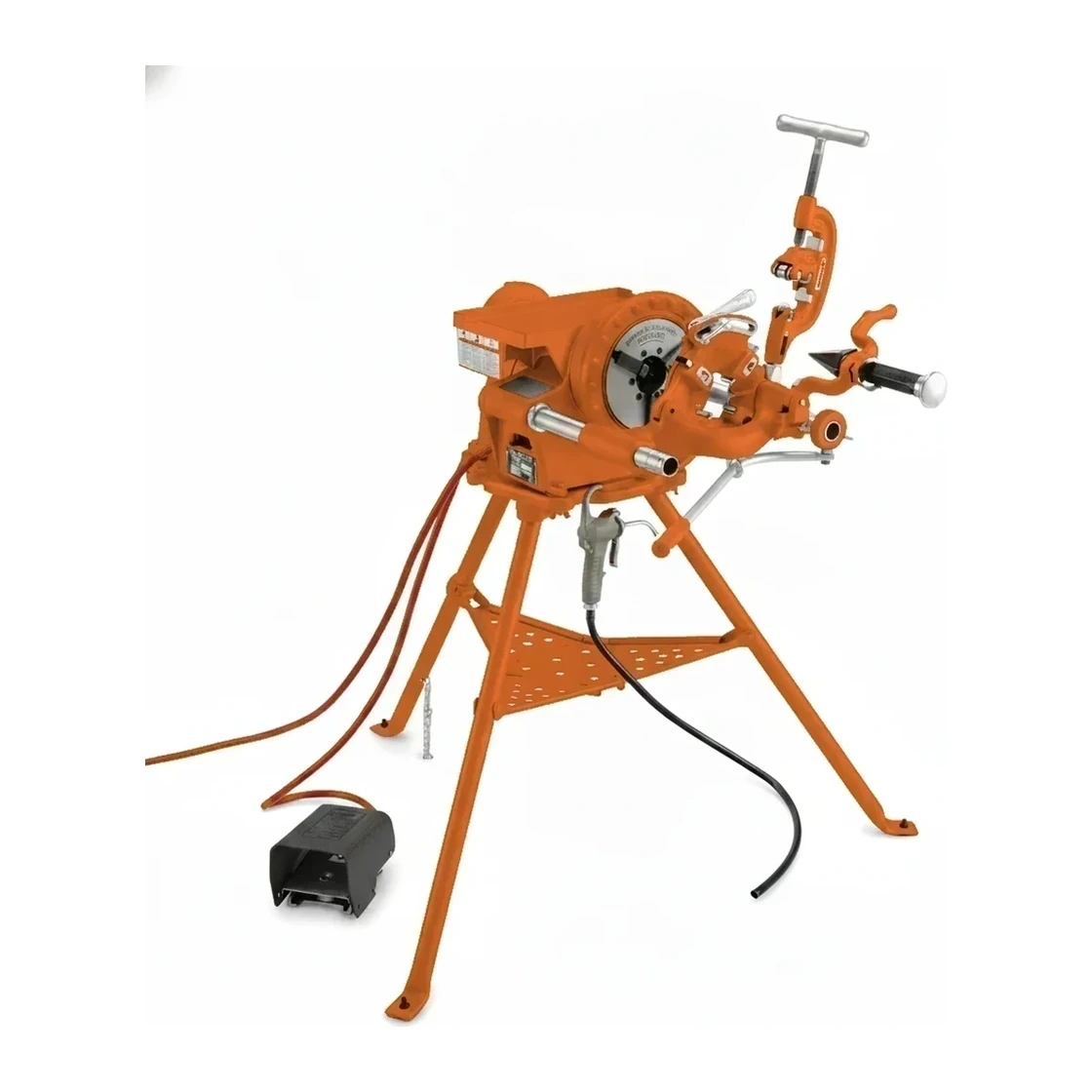
Pipe fabrication equipment threads and cuts pipe to fit. Pipe threaders are the primary class, with dedicated cutters alongside.
How it works
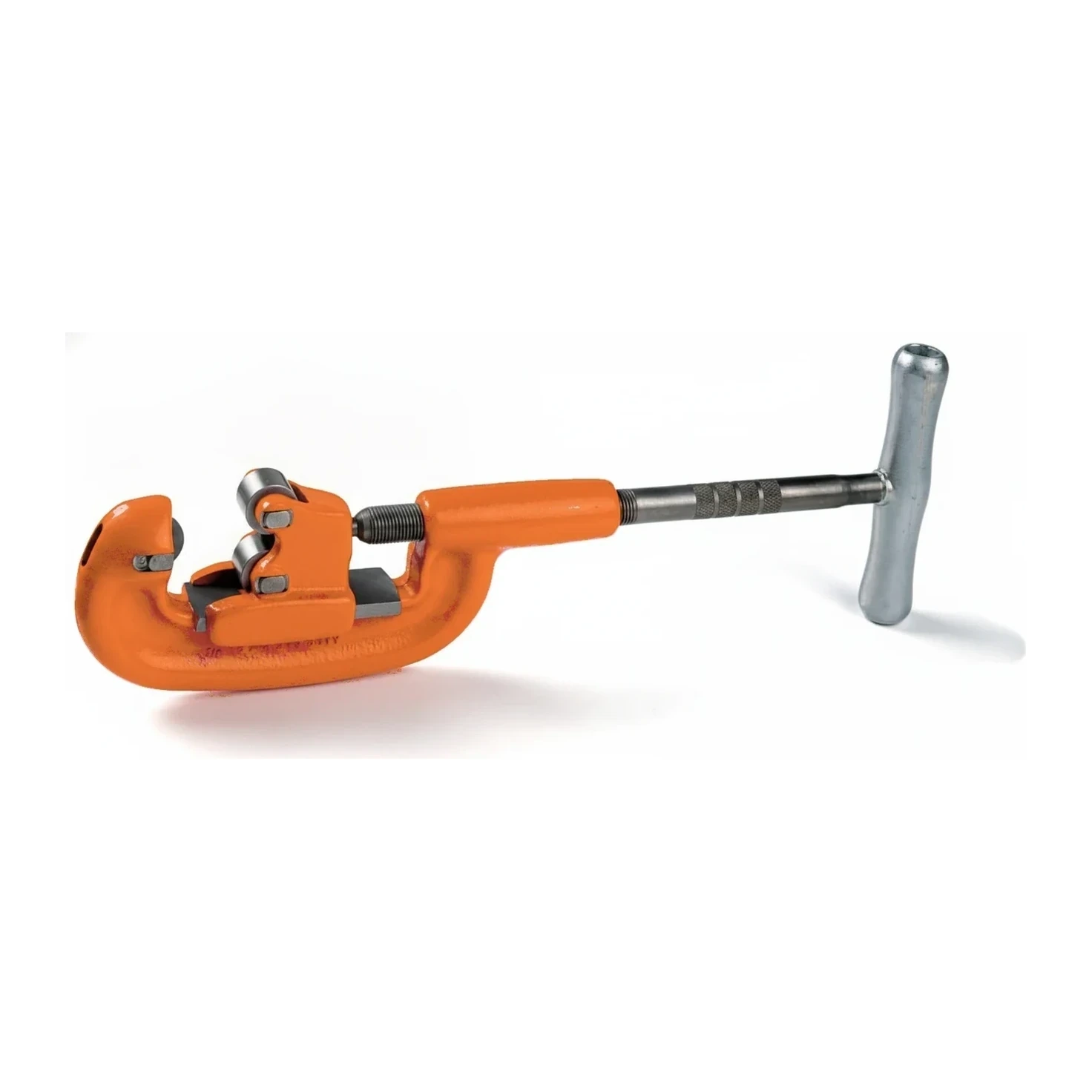
A threading machine chucks and rotates the pipe against dies while cutting oil floods the cut; the taper wedges the joint tight as it assembles. Cutters score progressively deeper around the circumference until the pipe parts square — the clean end threading requires.
Types & variants
- Pipe Threaders
- Powered and manual tools that cut threads on pipe ends.
- Pipe Cutters
- Wheel and hinged cutters that make square cuts on pipe.
How to choose
Pipe size range drives the machine: portable powered threaders cover 1/2 to 2 in — the bread of mechanical work — with larger machines and geared threaders beyond. Die condition and cutting oil discipline determine thread quality more than machine brand, and a reamer belongs beside every cutter.
Standards & certifications
- OSHA · 29 CFR 1926.300
- General guarding and condition requirements for hand and power tools in construction.
Frequently asked
What is the difference between a pipe threader and a pipe cutter?
Sequence. The cutter squares the pipe end; the threader then cuts the tapered threads onto it. Threading a ragged, unsquare end produces a joint that leaks from birth.
Why does cutting oil matter in threading?
Heat and finish. Oil cools the dies and shears the metal cleanly — dry threading tears threads and wears dies in a fraction of their life.
What routine keeps threads to gauge?
Sharp dies, flooded oil, a reamed pipe end, and a thread checked against a fitting or ring gauge — worn dies cut shallow threads that assemble loose.