

Locating and Inspection
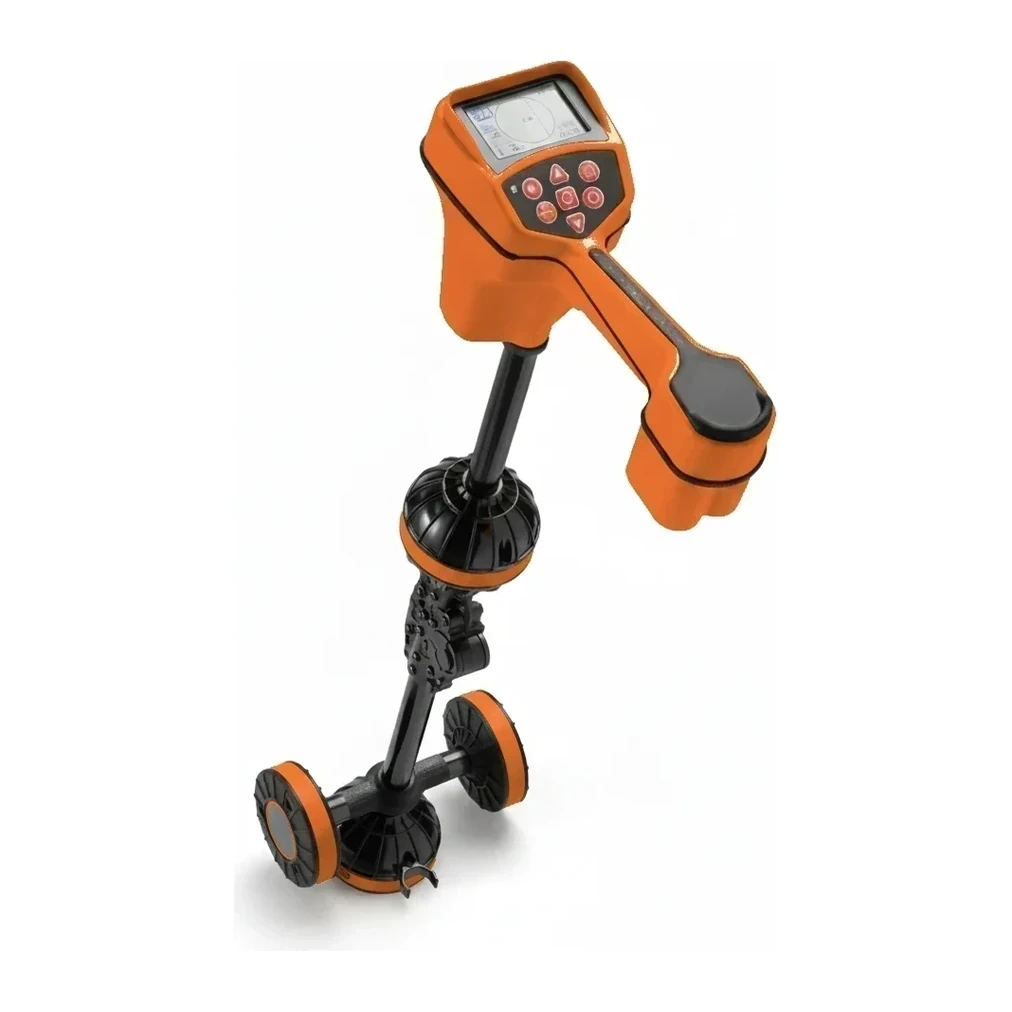
Locating equipment traces buried pipe and cable before any excavation. Pipe locators are the catalog class.
How it works
The transmitter couples a frequency onto the target — by direct connection, clamp, or induction — and the receiver reads the resulting field above ground, showing line and estimated depth. Non-metallic lines take an inserted sonde or tracer wire; passive modes sweep for energized and metallic services without a connection.
Types & variants
- Pipe Locators
- Receivers and transmitters that trace buried pipe and cable before excavation.
How to choose
Frequency range and coupling options define capability: direct connection at low frequency gives the cleanest trace on long runs, higher frequencies jump to congested and poorly grounded lines at the cost of bleed-over. Locating supplements — never replaces — the 811 one-call process, and depth readings are estimates until potholed.
Standards & certifications
- Common Ground Alliance
- Damage-prevention best practices, including 811 notification before any excavation.