

Inverter Generator
An inverter generator is a compact engine-driven generator that rectifies its raw alternator output to DC and re-synthesizes clean AC power through an inverter. The result is a stable sine-wave output safe for electronics and instruments, in a package smaller and quieter than a conventional portable generator of the same rating.
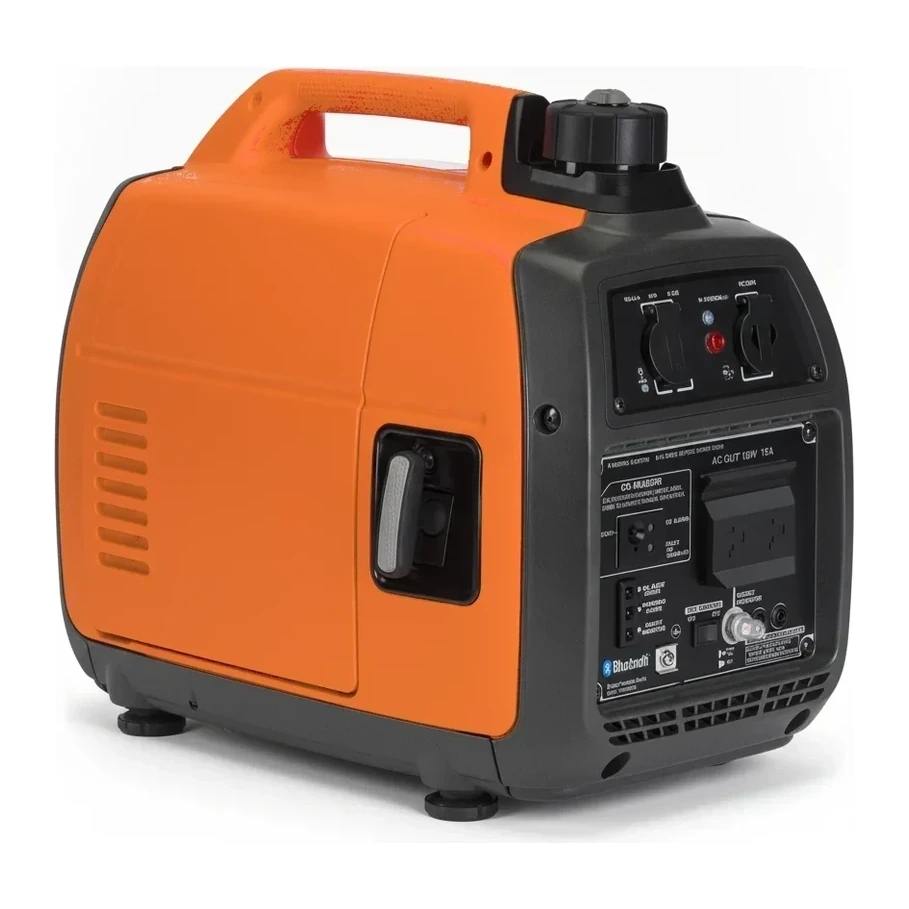
How it works
The engine drives a high-frequency alternator whose output is converted to DC, then electronically inverted back to 60 Hz AC with tightly controlled voltage and low distortion. Because frequency is set by the electronics rather than engine speed, the engine can throttle down under light load: the basis of the economy modes that make these units quiet and fuel-efficient. Many models can be paralleled: two units connected through a parallel kit share a load larger than either could carry alone, letting a pair of light units substitute for one heavier machine.
Types & variants
- Suitcase-style units
- Fully enclosed hand-carry generators at the small end of the class, common for light loads and finish trades.
- Open-frame inverter units
- Larger frame-mounted models trading some noise reduction for higher output and lower cost per kW.
- Wheeled inverter units
- The largest class members, with folding handles and wheel kits for one-person movement despite higher output.
- Parallel-capable pairs
- Units designed to link through a parallel kit, combining output while preserving individual portability.
Key specifications
| Specification | Typical range | What it means |
|---|---|---|
| Rated output | Sized by kW; cataloged units span 0-10 kW | Continuous output governs what can run simultaneously; starting surges of motors and compressors must fit within the unit's surge rating. |
| Fuel capacity | 0.7-6.6 gal across cataloged models | Tank size and load level set runtime; economy modes stretch light-load runtime substantially. |
| Output quality | Low-distortion sine-wave output | Inverter output is safe for laptops, instruments, and sensitive controls that can misbehave on conventional generator power. |
| Parallel capability | Available on many models | Two paralleled units serve loads beyond a single unit's rating while remaining individually portable. |
How the industry sizes it
The industry sizes inverter generators by kW. Cataloged units fall into bands: 0-2.5 kW for quiet clean power for laptops, cameras, or vendor booths safe for electronics; 2.5-5 kW for food carts, site offices, or small stages where a standard generator would be too loud; and 5 kW and above for paralleled inverter units serving events and film work under enforced noise limits. Selection is a matter of summing the running watts of simultaneous loads and checking the largest starting surge against the unit's surge rating; paralleling covers loads that outgrow a single unit.
Applications
- Powering sensitive electronics, instruments, and battery chargers in the field
- Light-duty tool power for finish trades and punch-list work
- Event, vendor, and food-service power where noise matters
- RV, trailer, and remote-site auxiliary power
- Backup power for small residential and office loads
Safety & operation
- Run generators outdoors only, well away from doors, windows, and vents: CPSC guidance is at least 20 feet from occupied structures; carbon monoxide from small generators is a leading cause of portable-power fatalities.
- Prefer units with CO-sensing automatic shutdown built to UL 2201; never defeat the sensor.
- Connect to building circuits only through a transfer switch or listed interlock, never through a receptacle backfeed.
- Refuel only with the engine off and cool; gasoline vapors ignite on hot exhaust components.
Standards & certifications
- UL · UL 2201
- Standard for CO-mitigating portable generators: engine shutdown when carbon monoxide accumulates around the unit.
- EPA · 40 CFR Part 1054
- Exhaust emission standards for the small spark-ignition engines used in this class.
- NFPA · NFPA 70 (NEC), Article 445 / 702
- Generator requirements and optional-standby connection rules, including transfer equipment for building tie-ins.
Frequently asked
What makes inverter output better for electronics?
Why are inverter generators quieter than conventional portables?
Can two inverter generators be combined?
Related equipment
Browse by manufacturer
Sources
Every specification is verified against the manufacturer's published data, with the source linked for reference.
All models
32 models · Every spec cited to source