

Generators
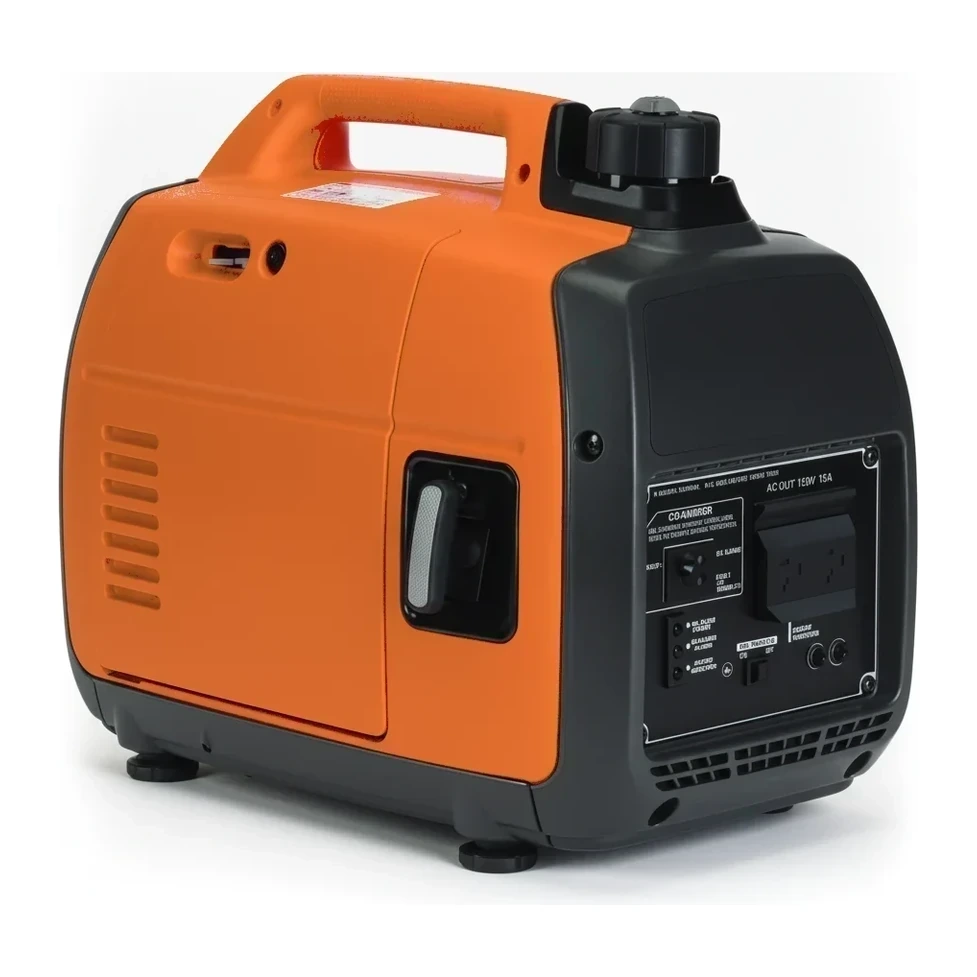
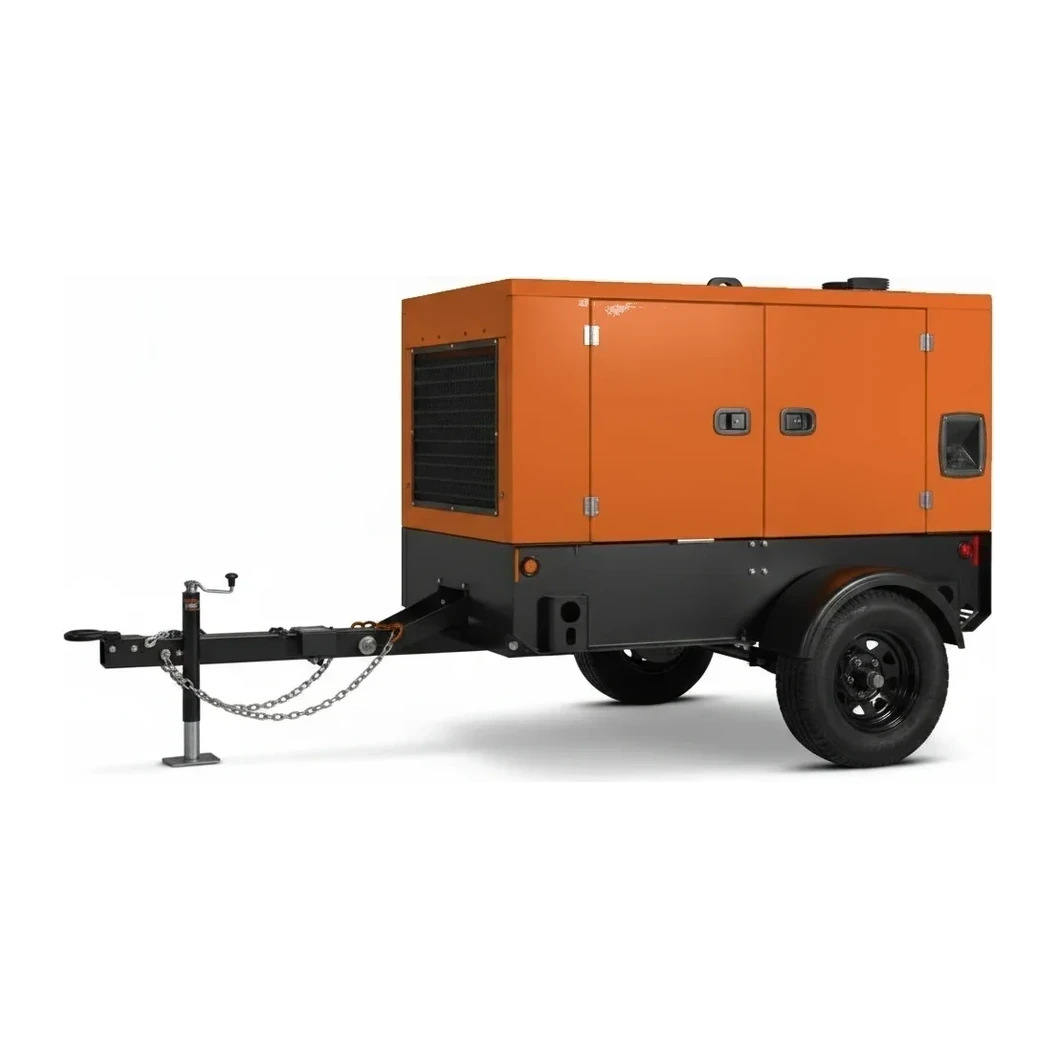
Generators supply electrical power where the grid is absent or down. Portable units are the largest class, with towable diesel machines for sustained loads, inverter models for sensitive electronics, and battery storage entering the mix.
How it works
An engine spins an alternator whose output is regulated to nameplate voltage and frequency; load beyond rating drags both. Inverter models rectify and re-synthesize the waveform, decoupling engine speed from output quality. Storage systems buffer a generator — absorbing light loads silently and letting the engine run only at efficient output.
Types & variants
- Portable Generator
- Engine-driven generator that supplies job-site or standby power.
- Diesel Generator
- Diesel genset, often towable, for sustained higher-kVA loads.
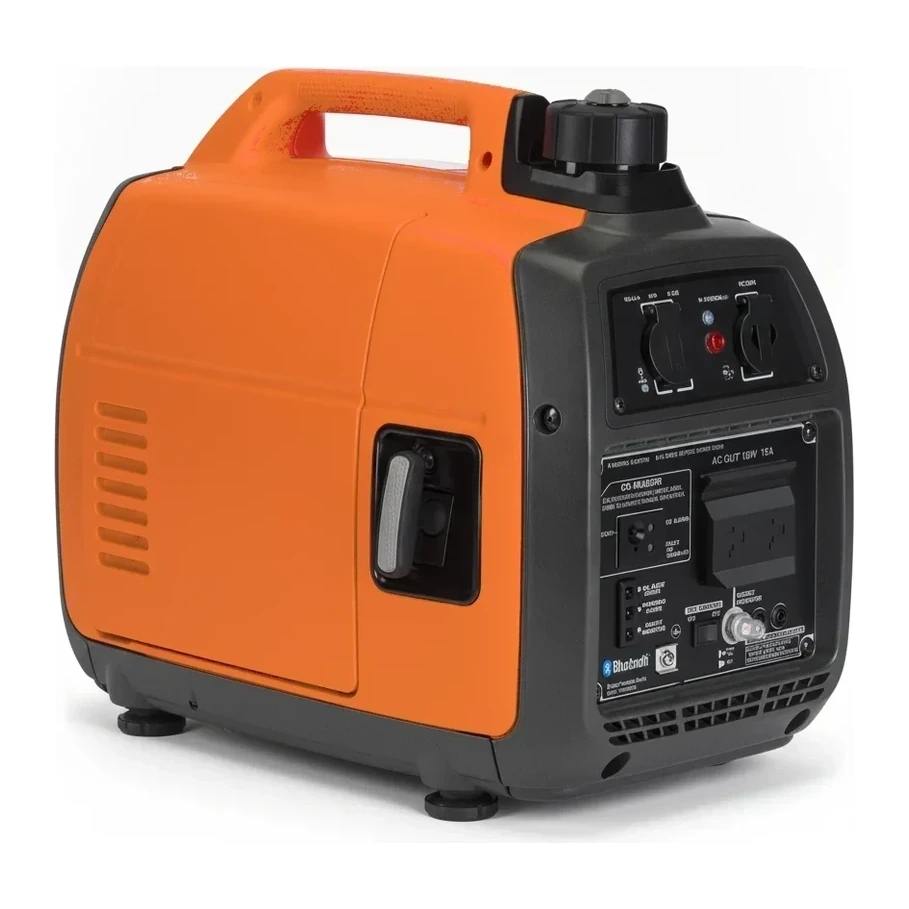
- Inverter Generator
- Generator that produces clean, stable power for sensitive electronics at low noise.
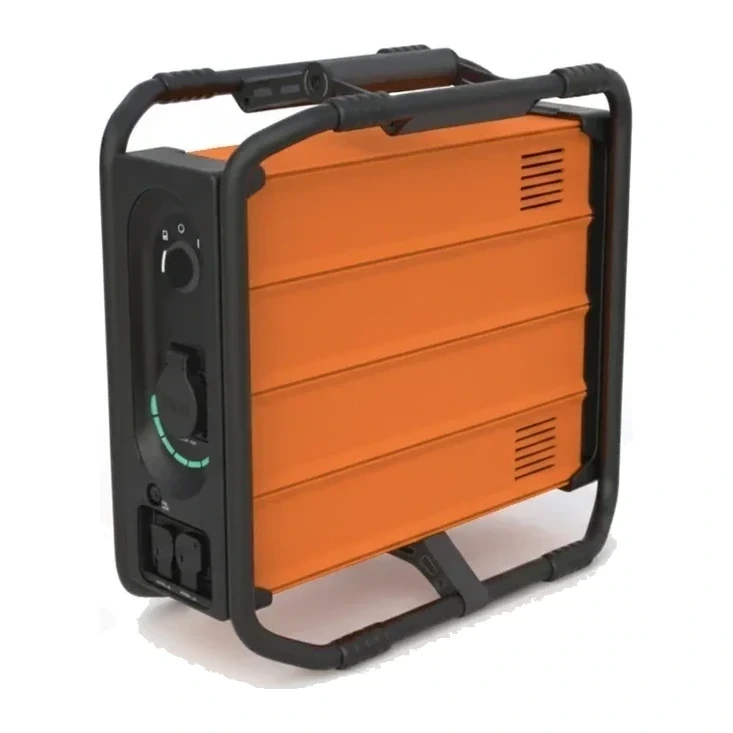
- Energy Storage System
- Battery unit that stores and dispatches power, alone or paired with a generator.
- Battery Charger
- Charger for starting and deep-cycle batteries.
How to choose
Load calculation rules sizing: running watts plus the largest motor's starting surge, with diesel towables taking sustained multi-kW site duty and inverters covering electronics and noise-limited settings. Transfer equipment and grounding per the NEC separate a safe installation from a hazardous one, and carbon monoxide keeps every engine outdoors and away from openings.
Standards & certifications
- NFPA · NFPA 70 (NEC)
- Electrical code governing temporary power, generator connections, and distribution equipment.
- UL · UL 2200
- Safety standard for stationary engine generator assemblies.
- OSHA · 29 CFR 1926.404
- Wiring design and protection, including GFCI requirements for temporary power on sites.