

500+ W Work Light
The 500+ W Work Light band comprises high-output fixtures delivering 500 to 1,500 watts, designed to illuminate entire floors, large bays, or multi-story facades with a single unit. These lights sit at the top of the work light ladder, above the 150-500 W category, and represent the most powerful portable or semi-permanent fixtures used in construction, industrial, and entertainment lighting. Typical applications include area lighting for concrete pours, tower crane yards, and film production.
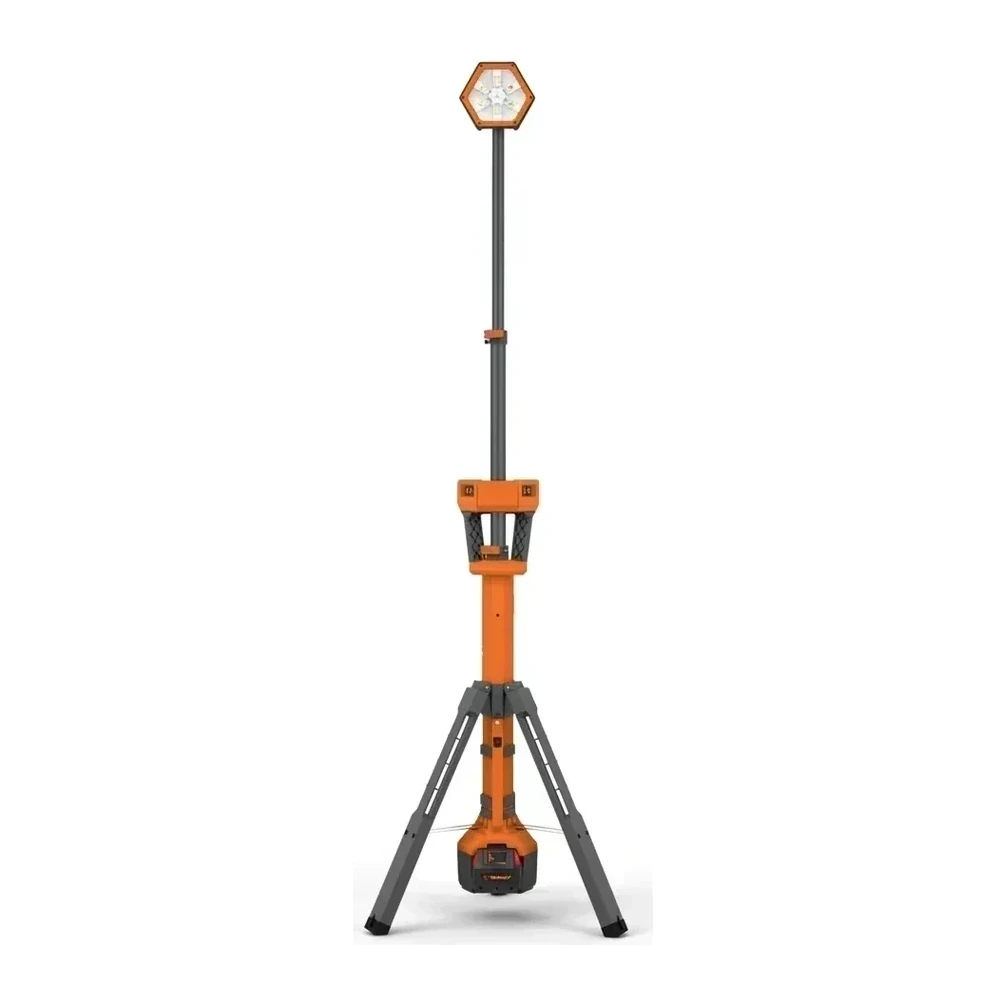
Cat classes
Pick a size class: capacity and reach differ across the range.
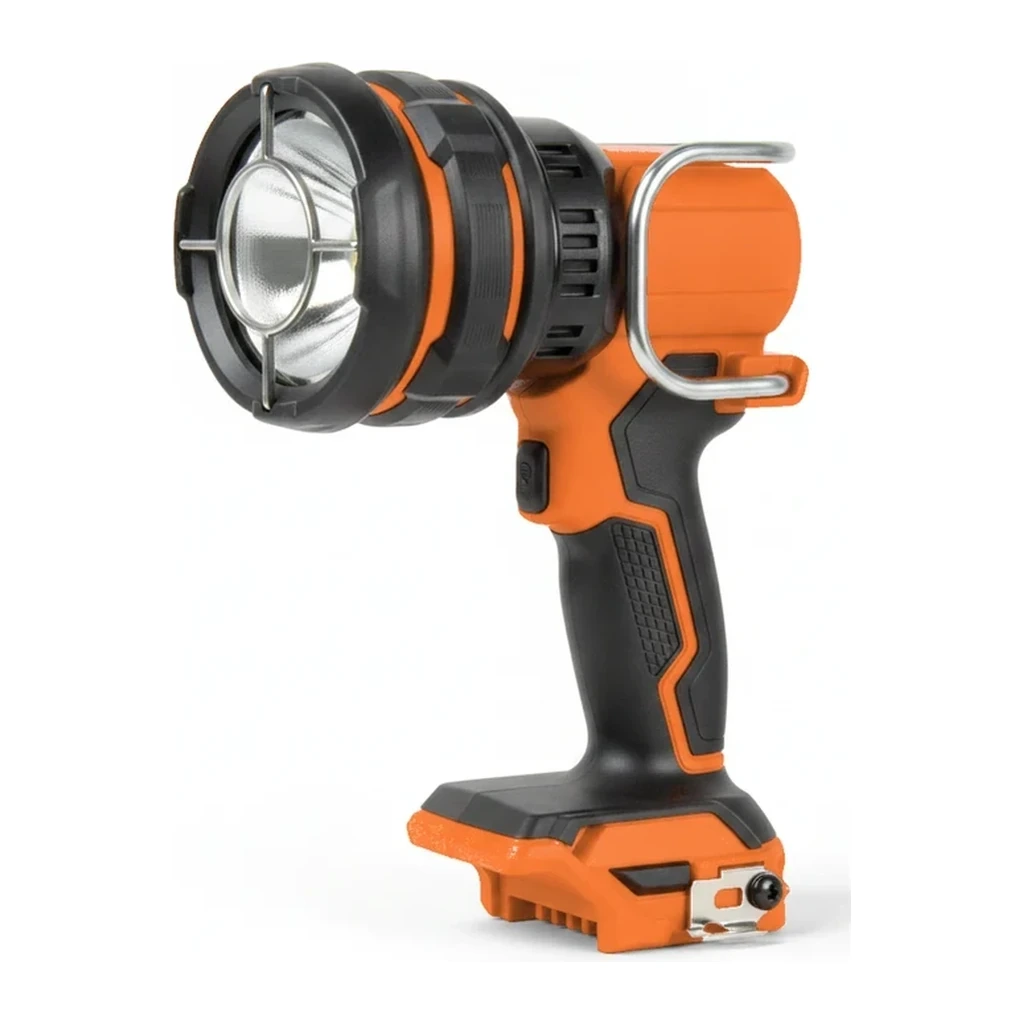
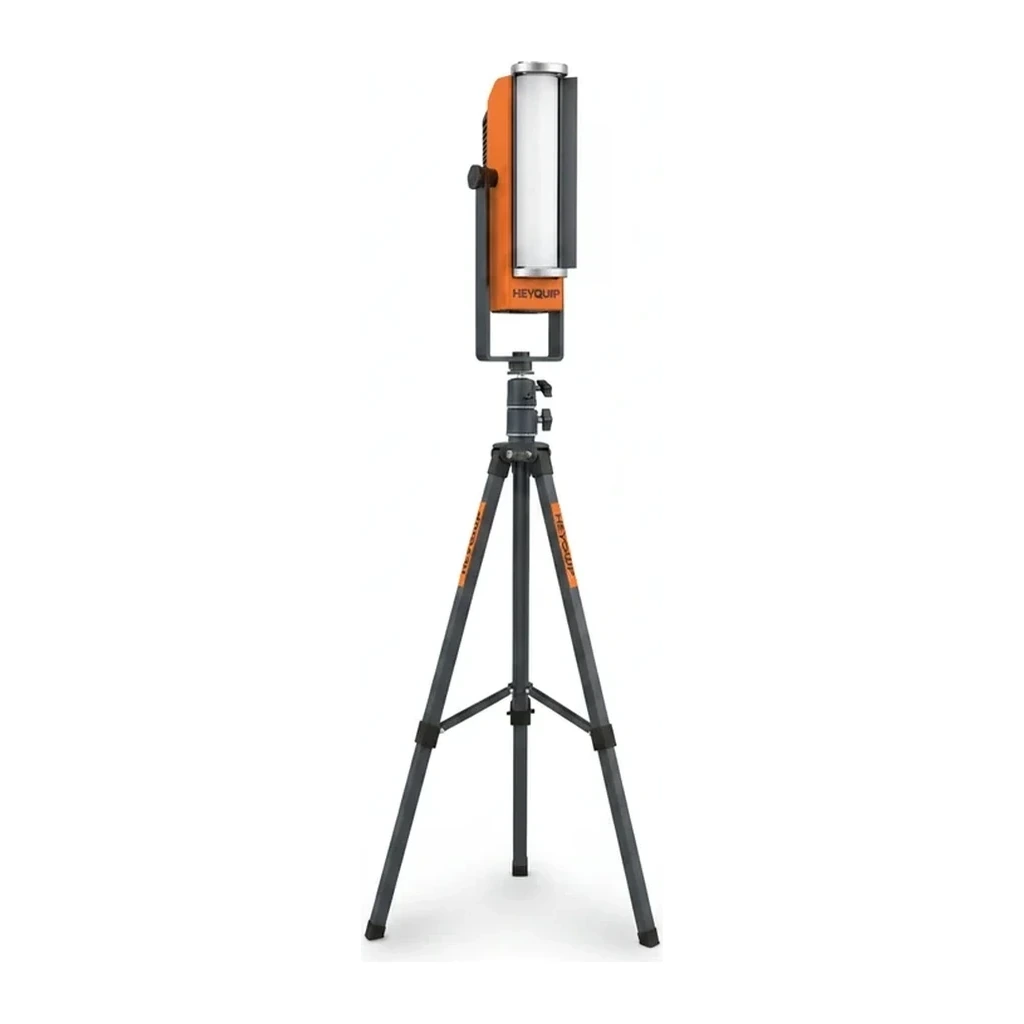
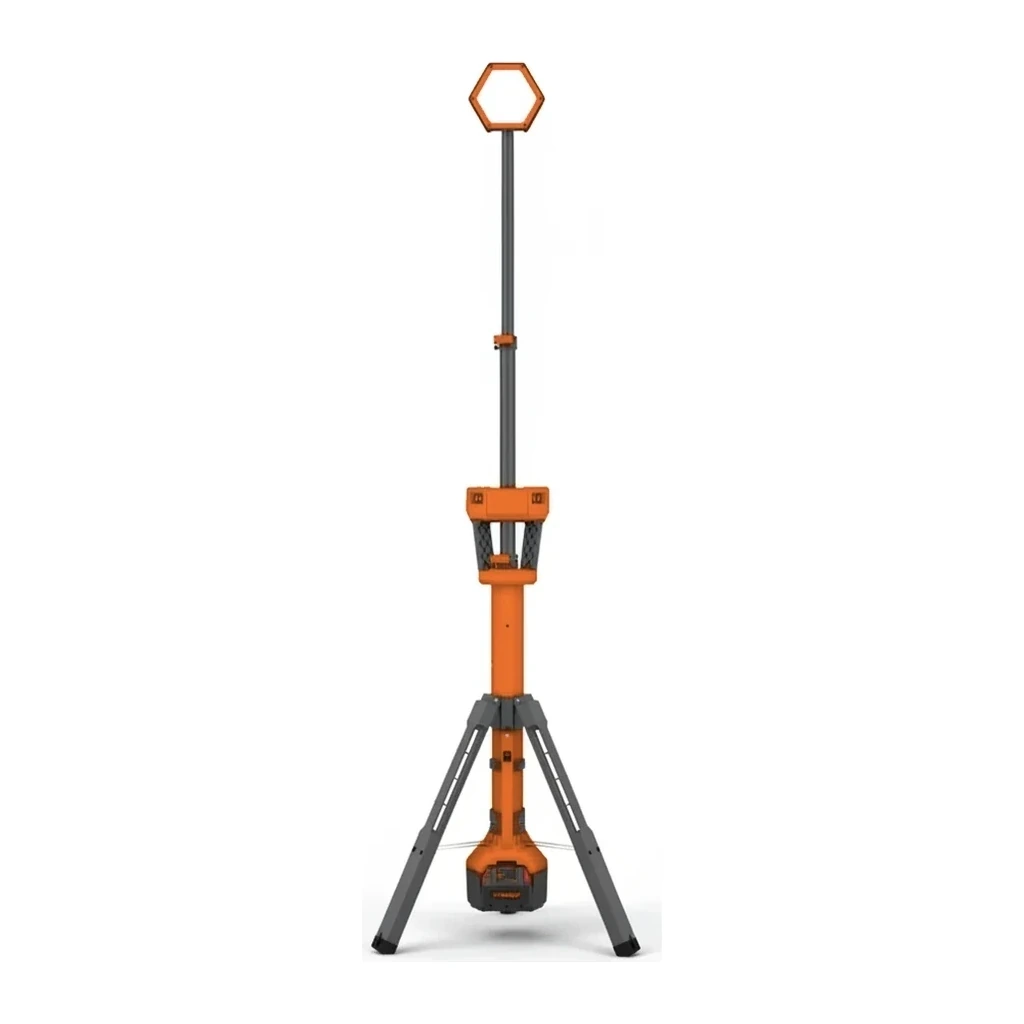
Key specifications
| Specification | Typical range | What it means |
|---|---|---|
| Wattage | 500-1,500 W | Power output determining coverage area and lux at distance; higher wattages serve larger zones or greater throw distances. |
| Lamp type | HMI, halogen, or LED array | High-intensity discharge (HMI) and halogen deliver maximum output; LED arrays offer efficiency and lower heat. |
| Beam spread | Flood or adjustable spot | Flood configurations cover wide areas; spot focus extends reach for tall structures or distant targets. |
| Mounting | Tripod, yoke, or fixed bracket | Tripod mounts permit rapid repositioning; yoke and fixed brackets suit semi-permanent installations on trusses or scaffolding. |
How to choose
This size class is appropriate when a single fixture must cover an entire work floor, a construction bay measuring several hundred square meters, or a tall facade requiring long-throw output. The 500+ W band excels in applications where lower-wattage units would require multiple fixtures or fail to achieve the necessary lux at distance. For smaller zones, individual workstations, confined interiors, or applications under 100 square meters, the 150-500 W Work Light band offers more efficient coverage and lower power demands. Projects requiring uniform illumination over very large areas may deploy multiple 500+ W units rather than stepping down.
What this size handles
- Lighting a 500+ m² concrete slab pour through the night shift
- Illuminating a multi-story building facade for masonry or cladding work
- Providing area lighting for tower crane yards and material laydown zones
- Backlighting large sets or exterior scenes in film and commercial production
- High-bay warehouse fit-outs where overhead temporary lighting is impractical
- Emergency nighttime repair zones requiring maximum visibility over large footprints
Safety & operation
- High surface temperatures on halogen and HMI housings present burn hazards; maintain clearance from combustible materials and personnel
- Lamp failure in HMI fixtures can cause envelope rupture; use protective guards and follow manufacturer hot-restrike intervals
- Secure mounting critical due to fixture weight and wind loading; verify tripod spread locks and yoke fasteners before energizing
- Electrical circuits must be protected by appropriate overcurrent devices and ground-fault protection in wet or outdoor environments
Transport & logistics
- Individual fixtures typically handled by one or two workers; larger HMI units may exceed 20 kg and require two-person lifts
- Transported in protective road cases or on pallets; ballasts for HMI lamps add significant weight and volume
- Pickup trucks or cargo vans accommodate small quantities; larger deployments use box trucks or equipment trailers
Power & supply
- Requires 120 V or 240 V single-phase circuits; 1,000+ W units often demand 240 V to avoid exceeding 15 A breaker limits
- HMI fixtures require separate electronic ballasts; LED arrays may include integrated drivers or external power supplies
- Generator capacity must account for inrush current on HMI ignition, often 2-3× steady-state draw
Frequently asked
What coverage area does a 1,000 W work light provide?
Can 500+ W work lights operate on standard 120 V circuits?
How do HMI and LED units compare at this wattage?
Related equipment
Browse by manufacturer
Sources
Every specification is verified against the manufacturer's published data, with the source linked for reference.
500+ W Work Light
3 models · Every spec cited to source