
Work Light
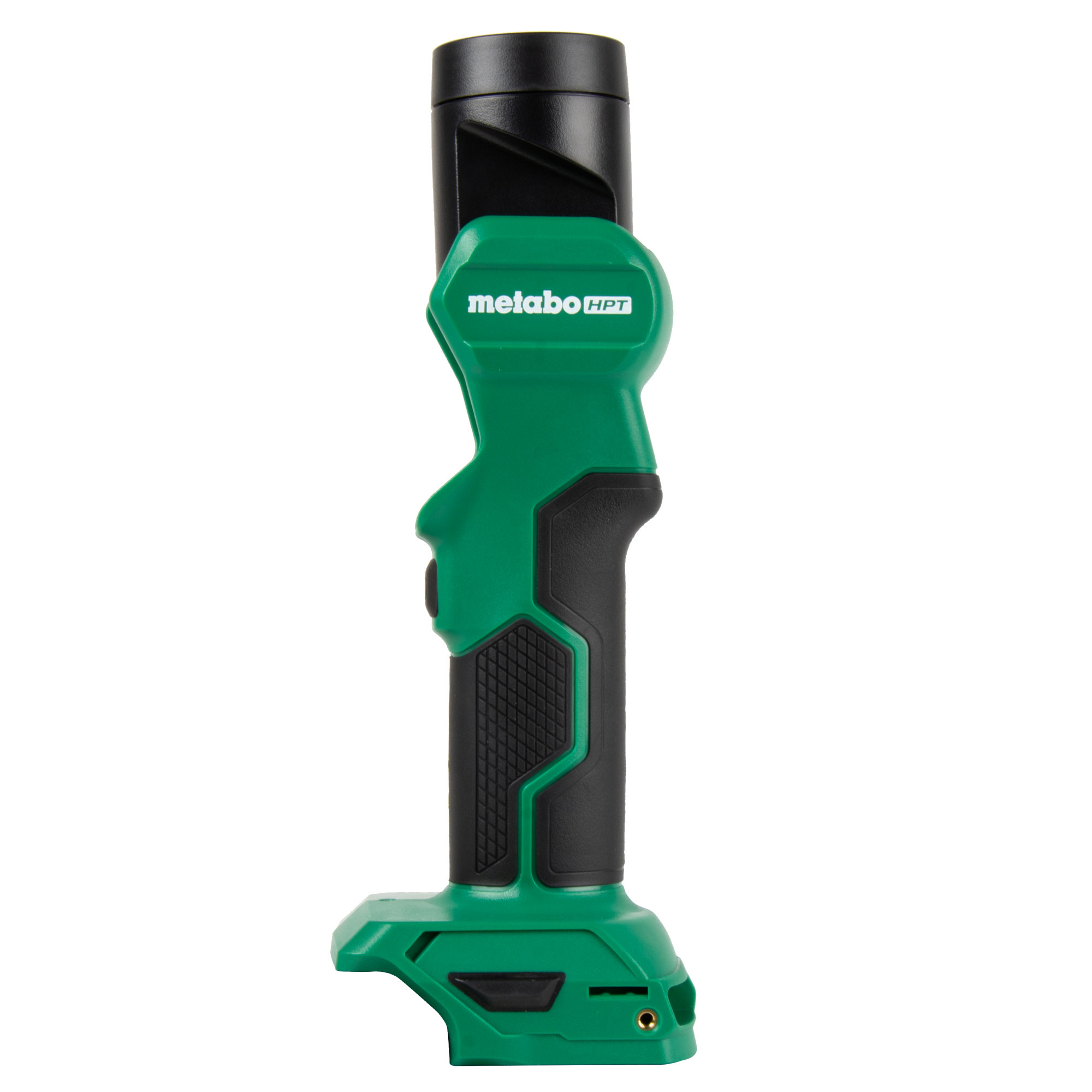
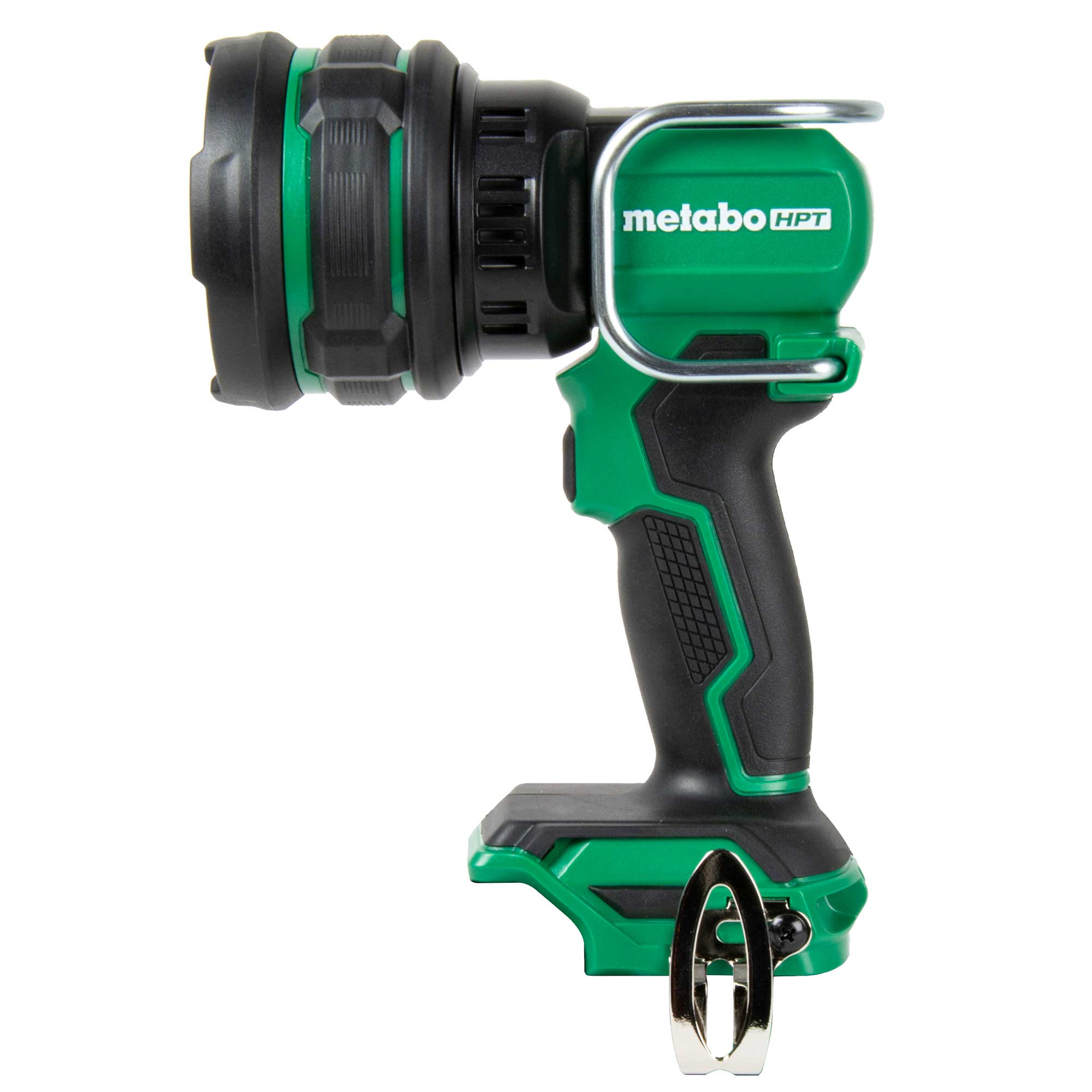
A work light is a portable luminaire that puts task-level illumination exactly where work happens — a category spanning tripod floodlights, hand lamps, magnetic and clamp lights, and rechargeable area lights. It is the finest-grained layer of site lighting, filling in where towers and strings cannot reach.
Cat classes
Pick a size class — capacity and reach differ across the range.
How it works
Work lights pair a lamp — almost universally LED in current production — with a portable format: a stand, hook, magnet, clamp, or simple handle. Corded models plug into temporary power; rechargeable models run from internal batteries sized for a shift of typical use. Specialized patterns adapt the idea to hostile locations: hazardous-location lights enclose the source so it cannot ignite surrounding atmospheres, and low-voltage droplights reduce shock exposure in tanks and damp spaces.
Types & variants
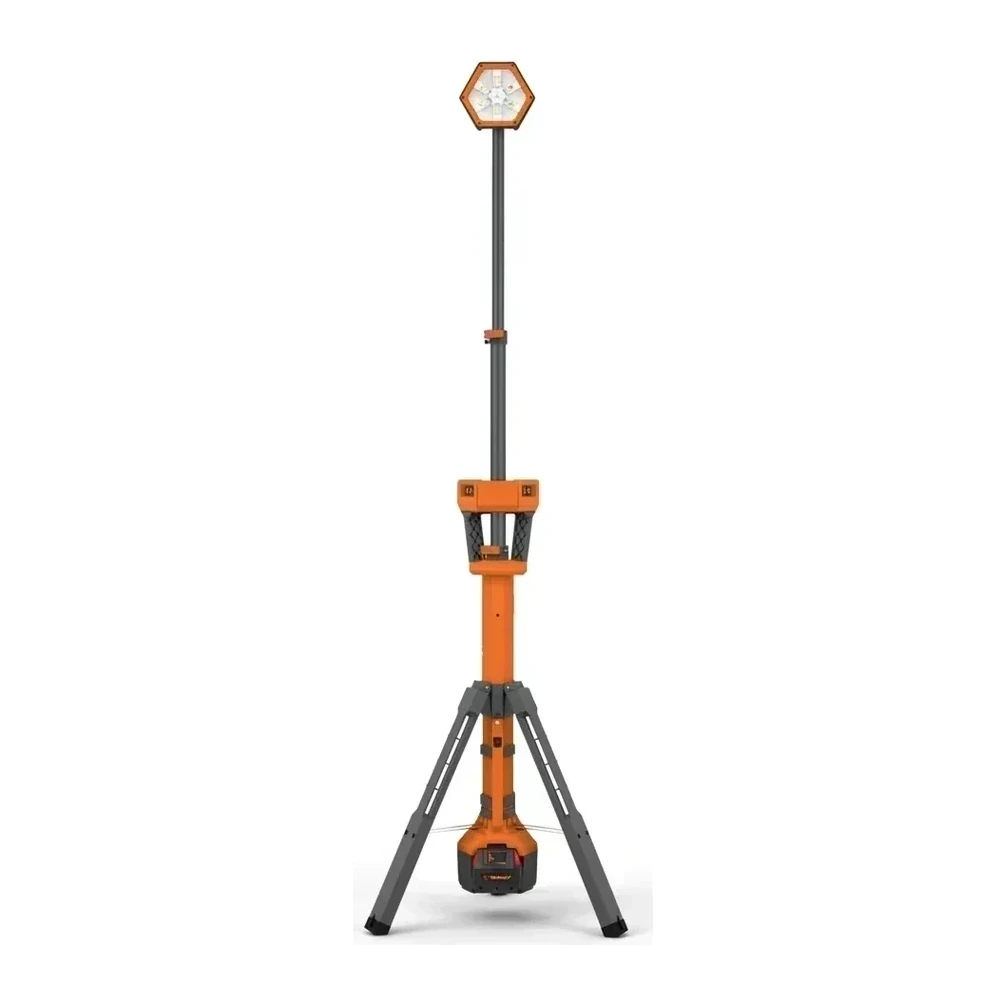
- Stand-mounted floodlights
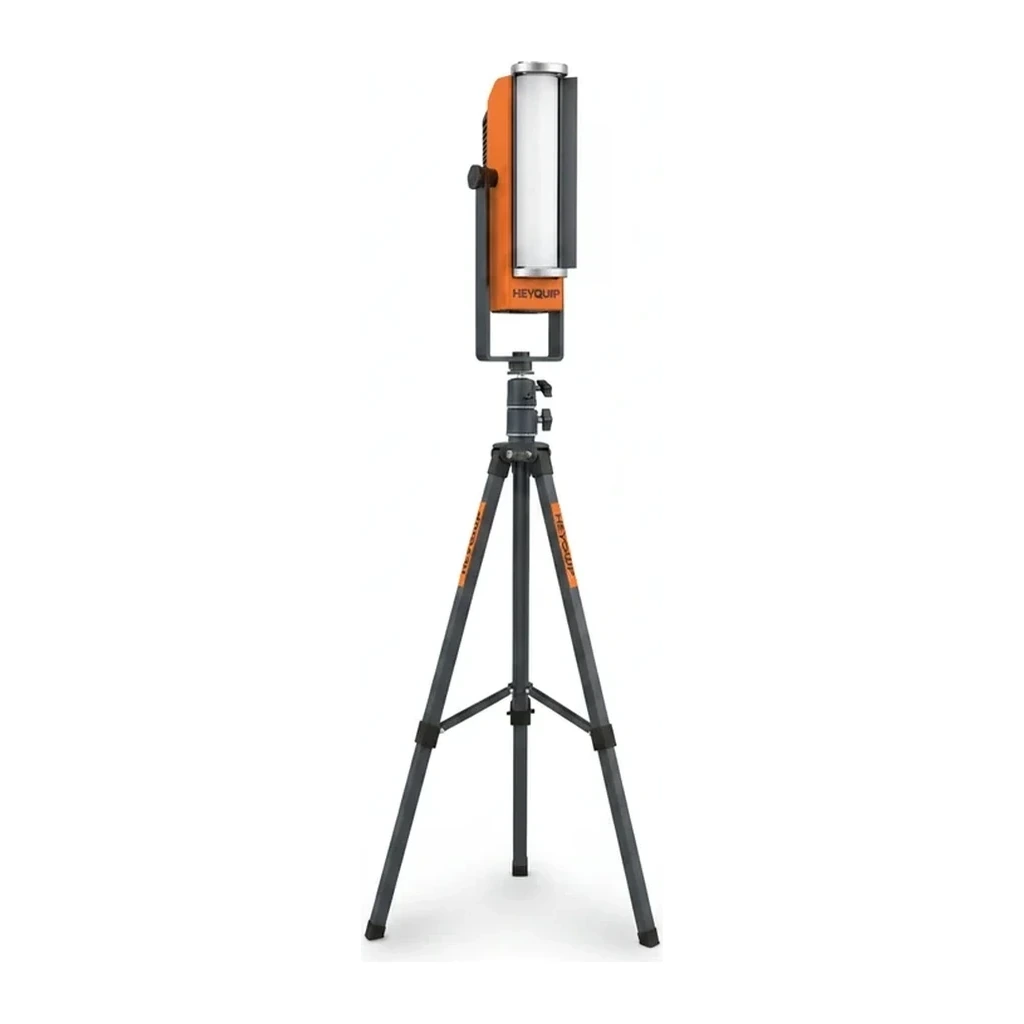
- Single or twin LED heads on tripods, the standard task-area light for interior trades.
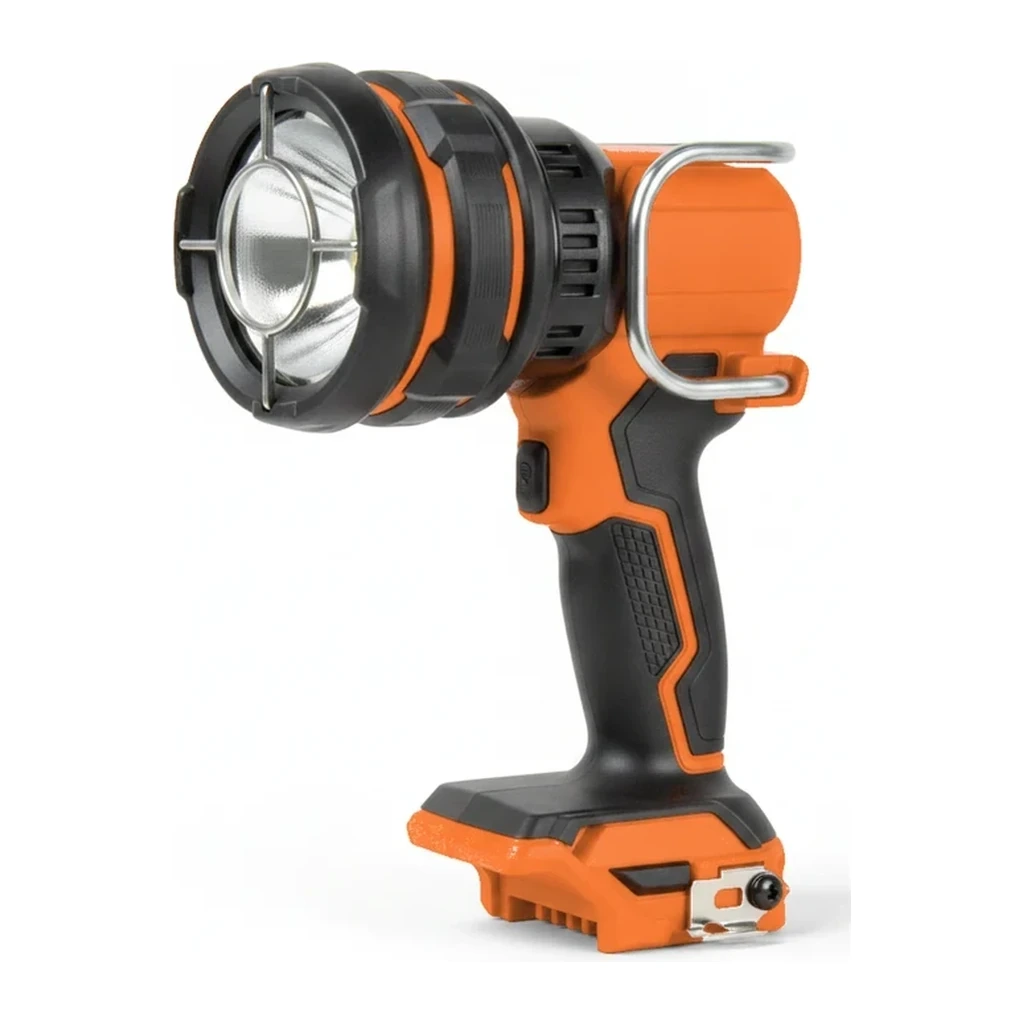
- Hand lamps and droplights
- Guarded lamps on cords for close-in work; low-voltage versions serve tanks, vessels, and damp locations.
- Hazardous-location lights
- Certified fixtures for classified areas where flammable gases, vapors, or dusts may be present.
- Rechargeable and cordless lights
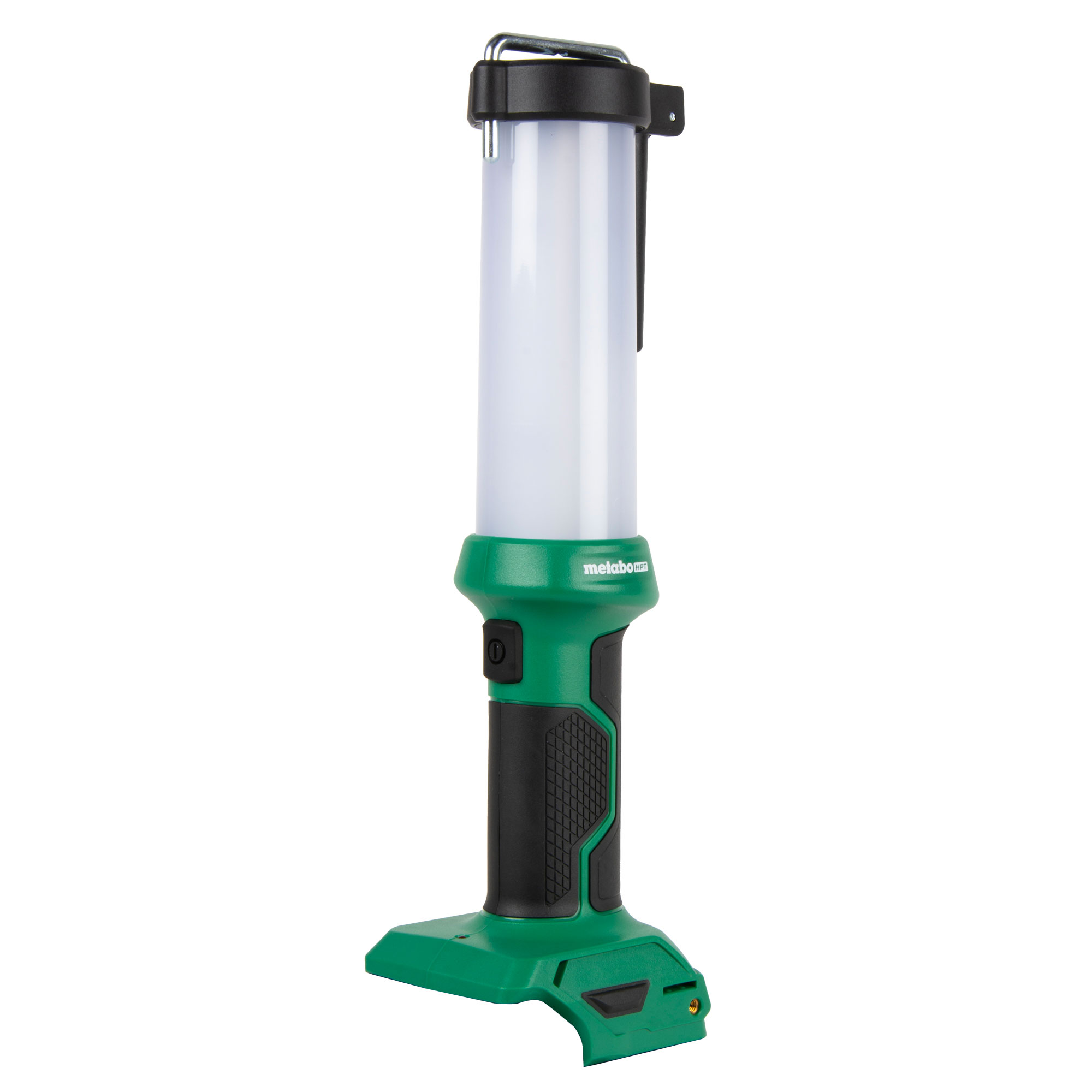
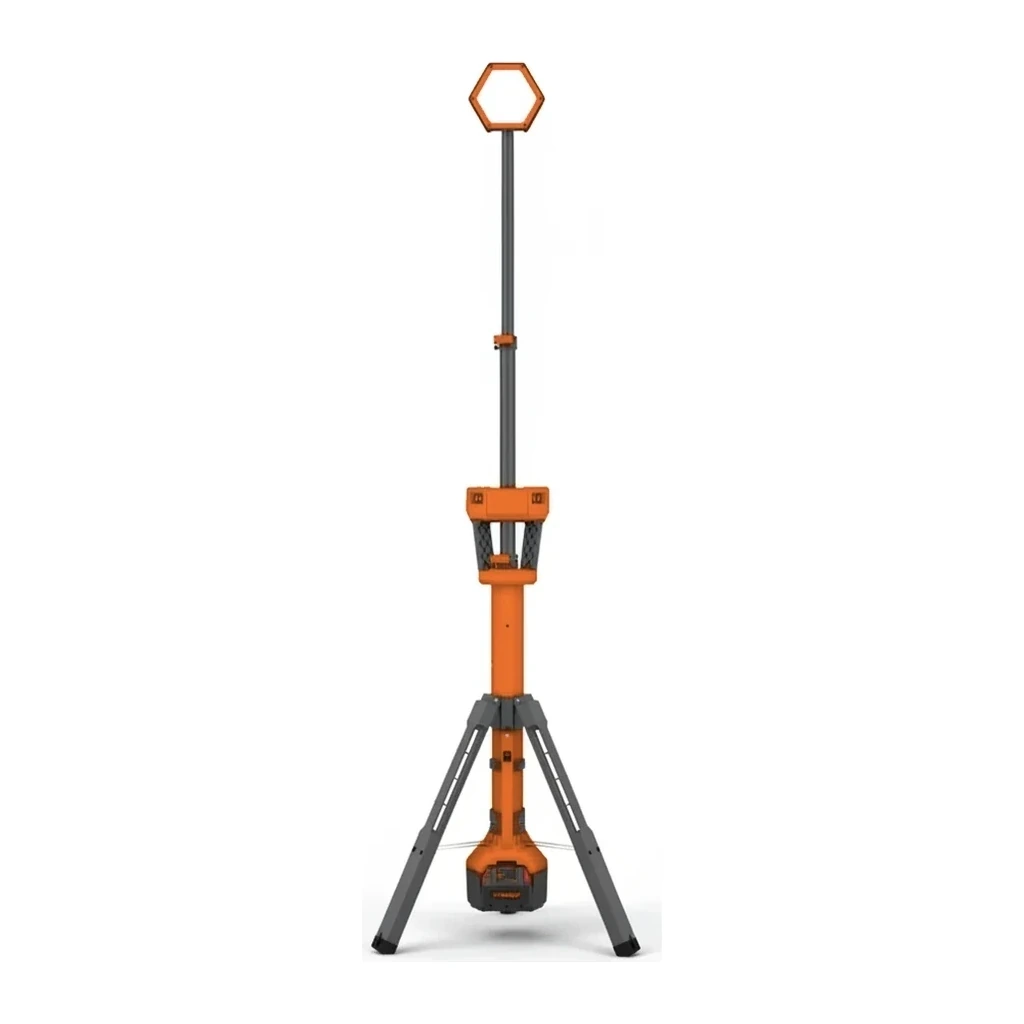
- Battery-powered area and task lights, often sharing batteries with a tool platform, for work away from power.
- Magnetic and clamp lights
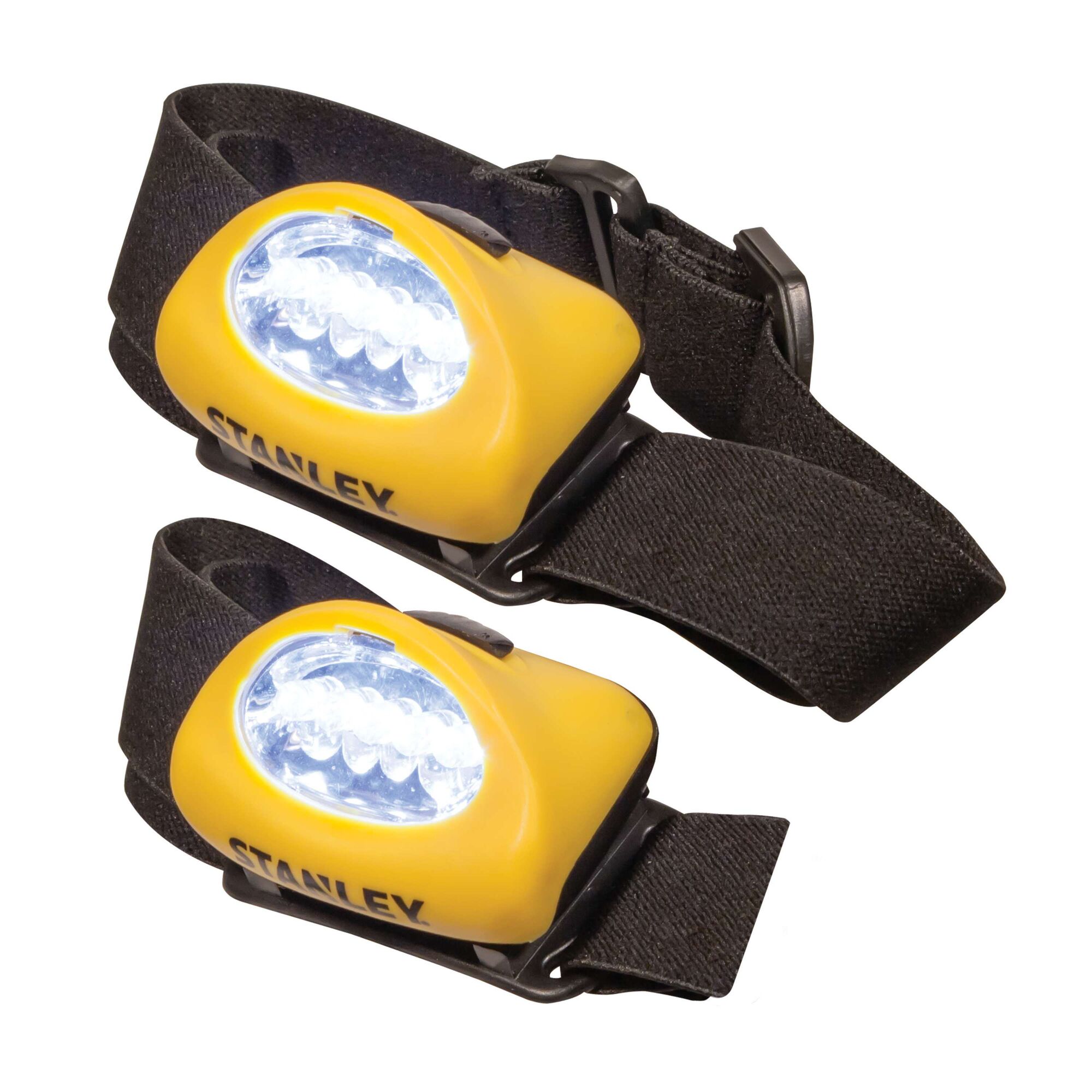
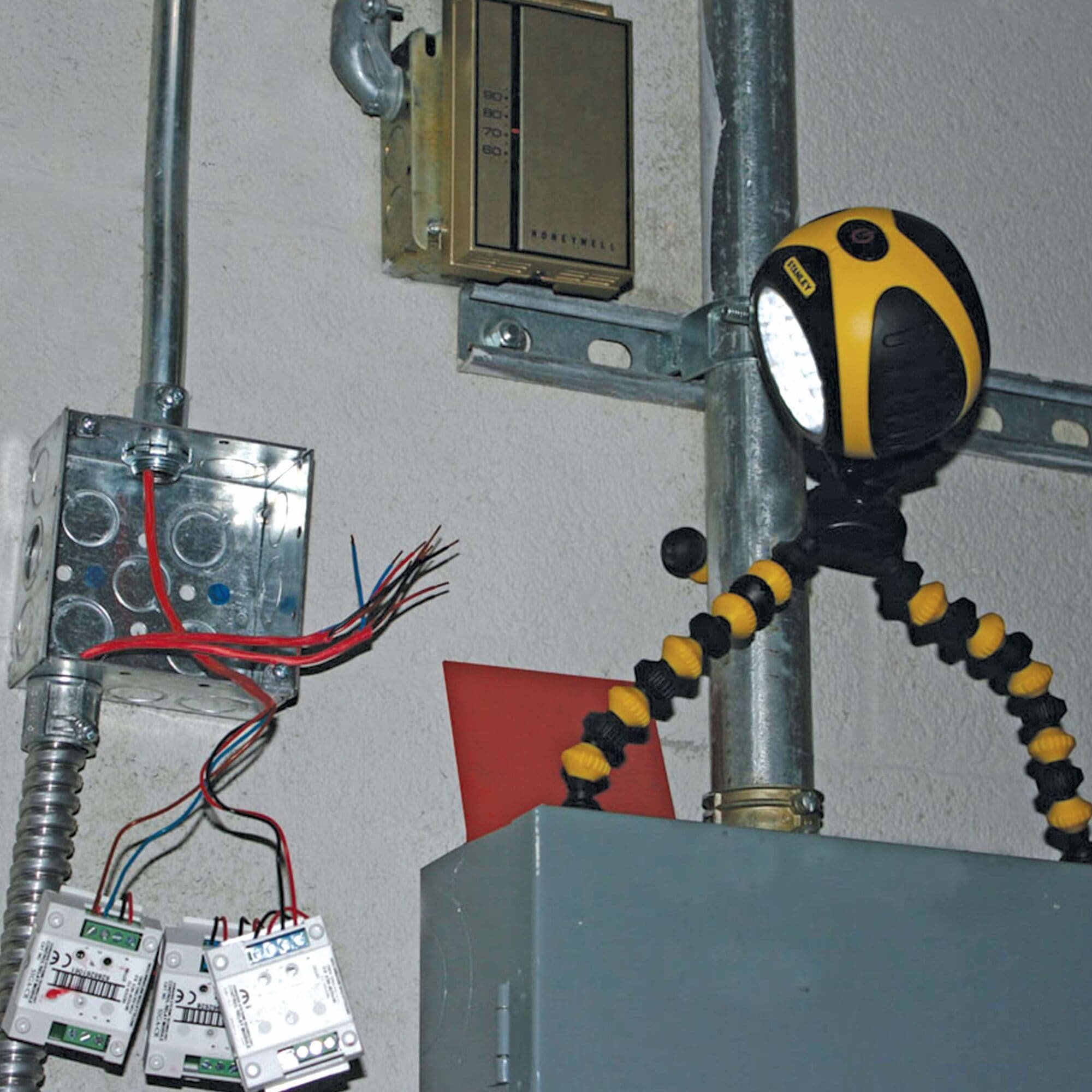
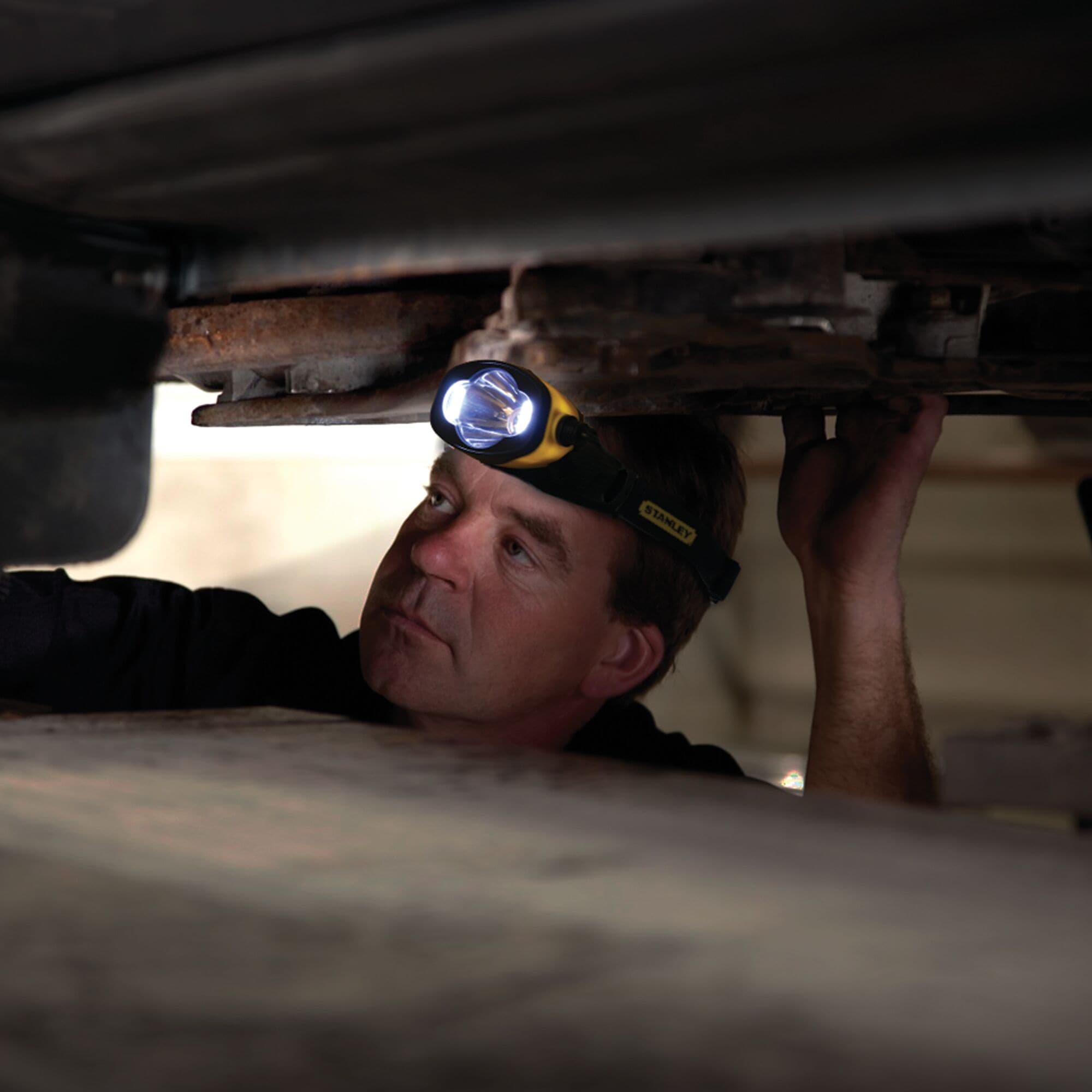
- Lights that fix to steel or structure, freeing hands in mechanical and vehicle work.
Key specifications
| Specification | Typical range | What it means |
|---|---|---|
| Lamp technology | LED across current production | LED brought high output to compact, cool-running, impact-tolerant formats and enabled the cordless segment. |
| Power source | Corded 120 V or rechargeable battery, model dependent | Corded lights run indefinitely on temporary power; cordless lights trade runtime for placement freedom. |
| Environmental and area rating | Damp/wet ratings common; certified hazardous-location models where required | The fixture's listing must match the space — ordinary lights are prohibited in classified atmospheres. |
| Mounting format | Stand, hook, magnet, clamp, or handheld, model dependent | Format determines whether the light aims at a task hands-free or travels with the worker. |
How the industry sizes it
Work lights are chosen per task rather than per site: enough output to meet the illumination level the task demands, in the format that puts light on the work — stand floods for rooms and task areas, hand lamps for close inspection, certified fixtures for classified spaces, cordless where power is absent. Fleets standardize on a battery platform for cordless lights so batteries and chargers interchange with tools.
Applications
- Task lighting for interior trades ahead of permanent lighting
- Inspection and mechanical work in equipment rooms, vaults, and vehicles
- Confined-space and tank entry lighting with low-voltage or certified fixtures
- Maintenance and shutdown work in industrial plants
- Emergency and utility work where lighting must deploy in seconds
Safety & operation
- Use only certified hazardous-location fixtures in classified areas; an ordinary work light is an ignition source there.
- Hand lamps must have guarded lamps and grounded or double-insulated construction; feed corded lights from GFCI-protected circuits in damp locations.
- Position hot or high-output heads clear of combustibles and where they cannot be knocked onto workers below.
- Inspect cords and strain reliefs before use; damaged cords on portable lights are a recurring shock source.
Standards & certifications
- OSHA · 29 CFR 1926.56 / 1926.405
- Illumination minimums and requirements for portable lighting used in wet or conductive locations.
- UL · UL 153 / UL 1598
- Safety standards for portable electric luminaires and fixed luminaires adapted to site use.
- NFPA · NFPA 70 (NEC), Articles 500-506
- Classification framework governing which fixtures may operate in hazardous (classified) locations.
Frequently asked
What makes a work light suitable for hazardous locations?
Are cordless work lights bright enough for real work?
Why do droplights use low voltage in tanks and vessels?
Related equipment
Browse by manufacturer
Sources
Every specification is verified against the manufacturer's published data, with the source linked for reference.
All models
135 models · Page 2 of 3 · Every spec cited to source