
Plasma Cutter
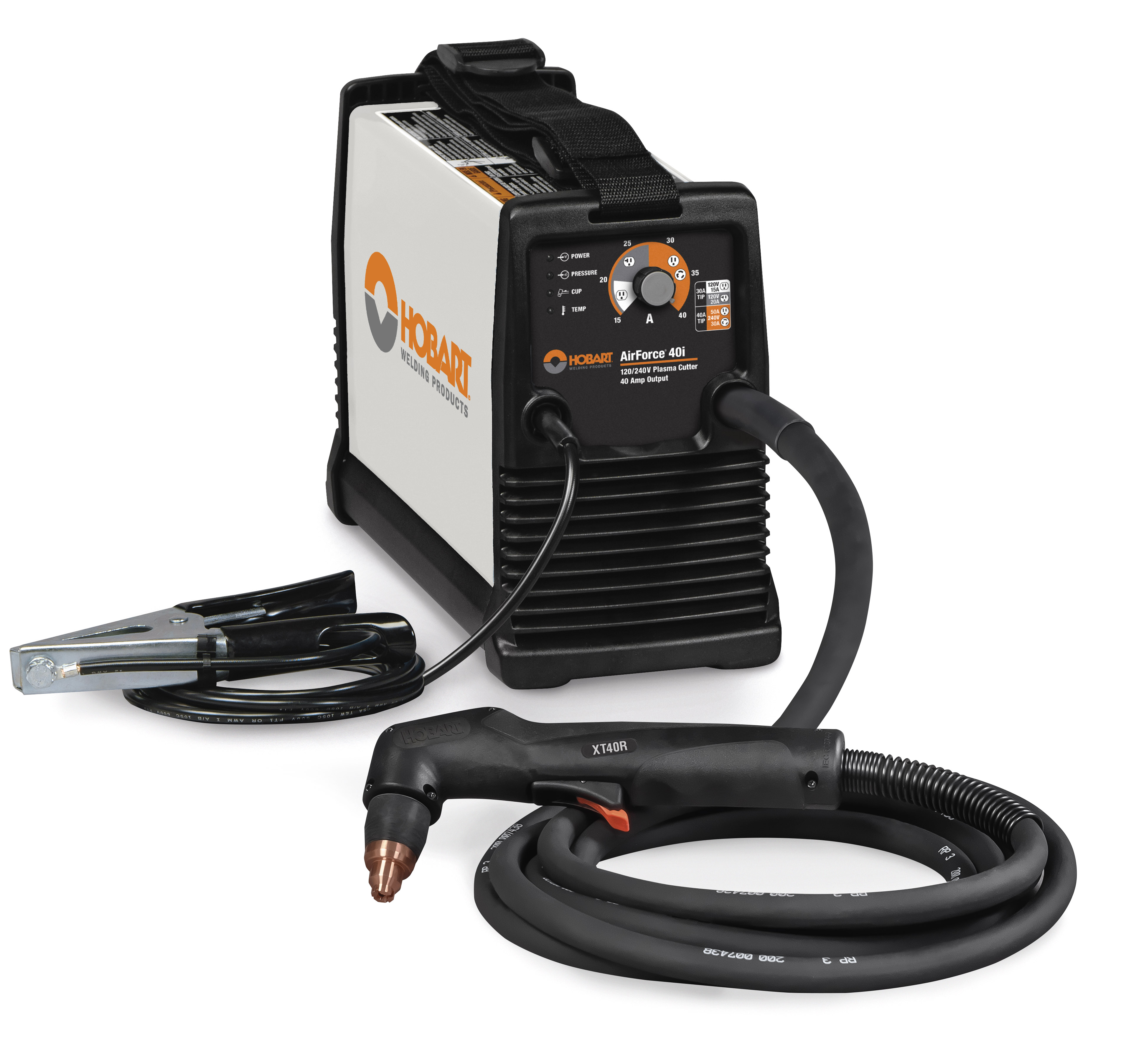
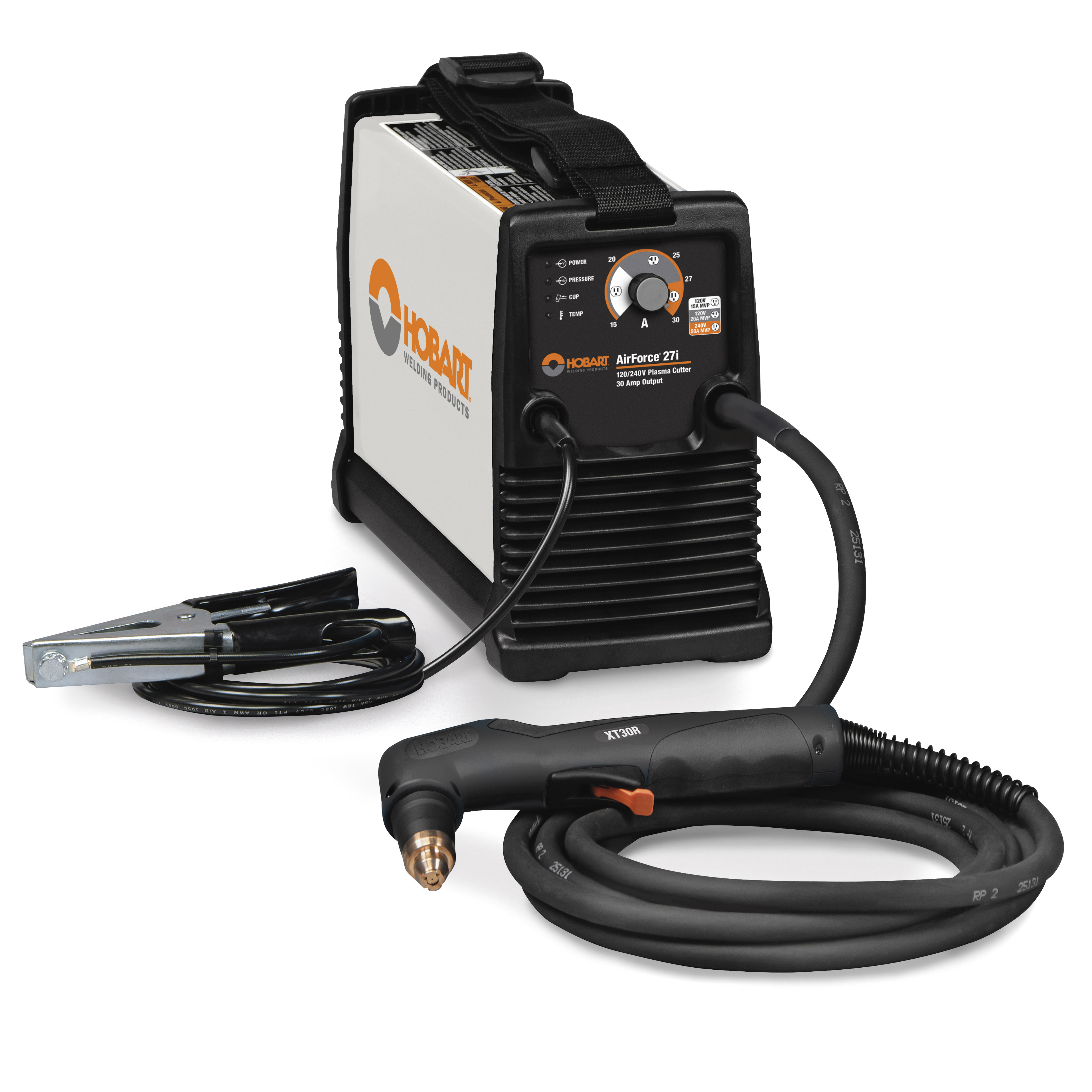
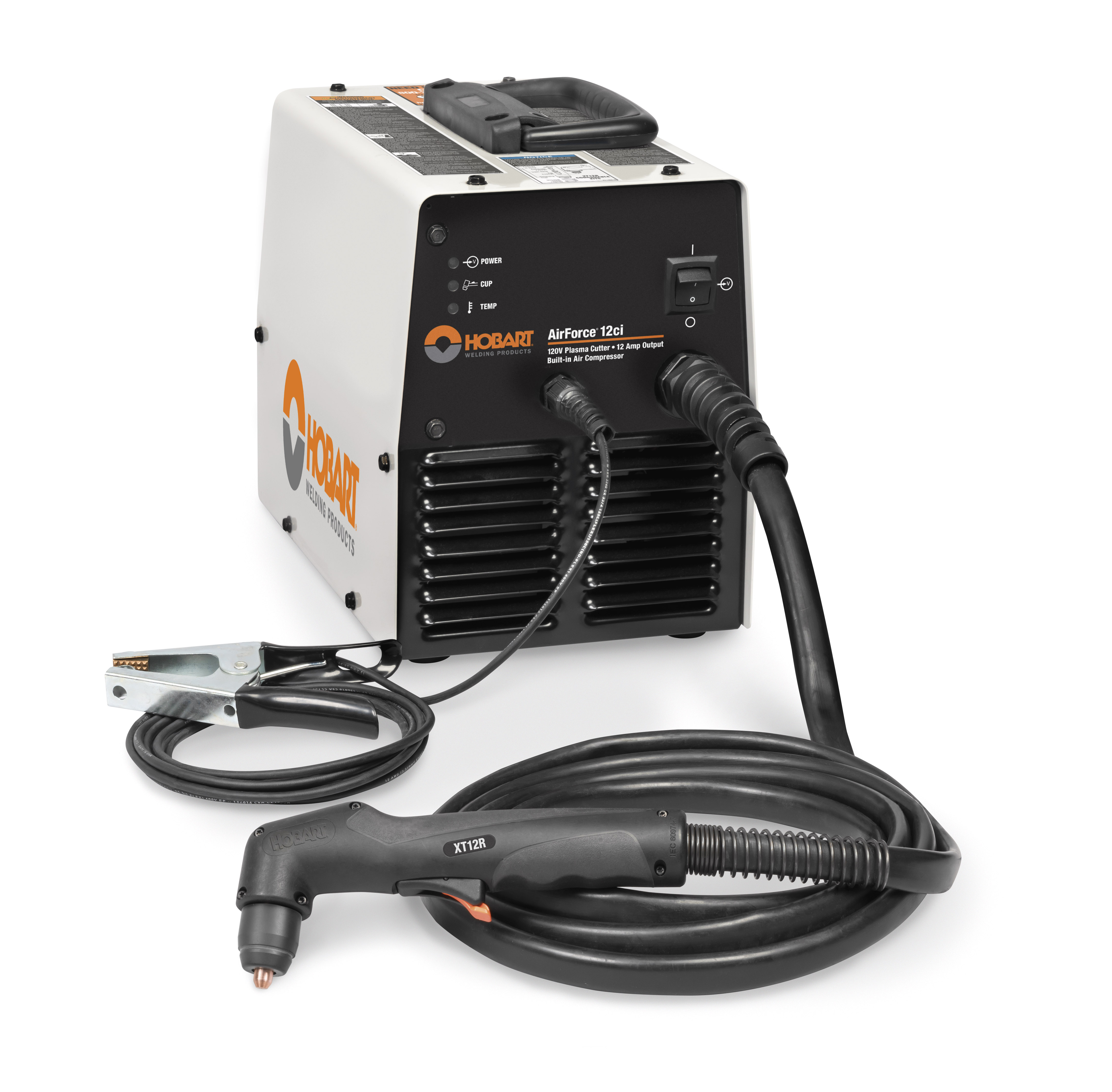
A plasma cutter is a metal fabrication tool that uses an electrically ionized gas jet to cut through conductive materials. The equipment creates an electrical arc through compressed gas, generating a plasma stream hot enough to melt metal while blowing away molten material. Plasma cutters are used across fabrication shops, construction sites, demolition projects, and shipyards for precise and rapid cutting of steel, stainless steel, aluminum, and other conductive metals.
How it works
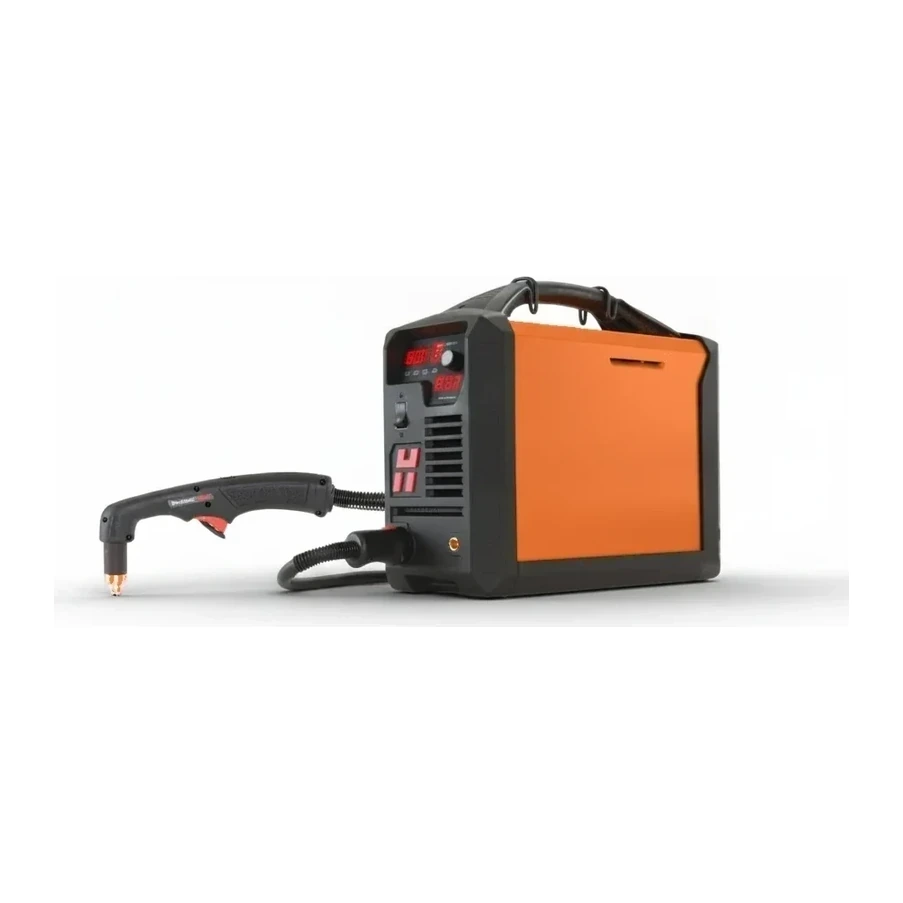
The plasma cutter generates an electrical arc between an electrode inside the torch and the workpiece. Compressed air or inert gas flows through the torch nozzle and is heated by the arc to an ionized plasma state, reaching temperatures around 30,000°F. This superheated plasma jet melts the metal at the cut point while the high-velocity gas stream blows the molten material away, creating a clean kerf. The power supply converts single- or three-phase input electricity to DC current and regulates amperage based on material thickness and type. Modern inverter-based units provide more stable arc characteristics and finer cut quality than older transformer designs. Pilot arc systems allow the operator to initiate the arc without touching the torch to the workpiece, extending consumable life and enabling cuts on expanded metal or grated surfaces.
Types & variants
- Conventional Arc
- Requires touching the torch tip to the workpiece to strike the arc; most economical for clean, grounded material in shop environments.
- Pilot Arc
- Generates a low-current pilot arc within the torch before main arc transfer, allowing starts without contact on rusty, painted, or elevated surfaces.
- CNC/Mechanized
- Machine-mounted systems with automated torch height control and motion, used in fabrication shops for high-volume, repeatable cutting.
- Gouging
- Configured with specialized torches and techniques to remove weld metal, prepare bevels, or carve grooves rather than sever material.
- Inverter
- Uses high-frequency switching technology for lighter weight, better portability, and improved arc stability compared to transformer-based units.
Key specifications
| Specification | Typical range | What it means |
|---|---|---|
| Amperage (Output Current) | 25-200 A | Primary sizing metric; determines maximum material thickness the unit can cut effectively. |
| Duty Cycle | 20-60% at rated output | Percentage of a 10-minute period the unit can operate at maximum amperage before requiring cooldown. |
| Input Power | 120-480 V, single- or three-phase | Electrical supply requirements; higher-amperage units typically require 208 V or higher three-phase service. |
| Air Pressure | 60-120 PSI | Compressed air requirement for plasma gas; inadequate pressure reduces cut quality and consumable life. |
| Maximum Severance Thickness | 1/8-2 in mild steel | Thickest material the unit can cut completely through; quality cut capacity is typically less than maximum rated severance. |
How the industry sizes it
The industry sizes plasma cutters by amperage output, which directly correlates to cutting capacity. Units up to about 45 amps cut up to approximately 1/2-inch plate and serve sheet metal and light structural work. The 45-85 amp range represents everyday fabrication cutters handling up to roughly 1-inch plate. Units above 85 amps cut 1 1/2 inches and thicker for heavy demolition, shipyard, and industrial applications. Manufacturers rate units by both maximum severance thickness (the thickest material that can be cut through) and recommended cut thickness (where quality and speed remain optimal), with the latter typically 40-60% of maximum capacity.
Applications
- Structural steel fabrication and modification in construction and manufacturing environments
- Automotive and equipment repair requiring removal of rusted bolts, exhaust systems, or frame components
- HVAC ductwork cutting and fitting in commercial and industrial installations
- Demolition and salvage operations cutting rebar, steel framing, tanks, and machinery
- Shipbuilding and repair for cutting plate, pipe, and structural members
- Metal art and sculpture fabrication requiring intricate cuts in various conductive metals
Safety & operation
- Intense ultraviolet and infrared radiation from the plasma arc requires appropriate shade-rated eye protection and skin coverage to prevent burns and arc eye
- Fumes and gases produced during cutting require adequate ventilation or fume extraction, especially when cutting coated, painted, or galvanized materials
- High-frequency electromagnetic interference during arc starting can affect pacemakers and electronic equipment in the vicinity
- Live electrical circuits at the torch and work clamp present shock hazards; operators must ensure proper grounding and avoid cutting in wet conditions
- Molten metal spatter and sparks can travel several feet, creating fire hazards and requiring appropriate barriers and fire watch procedures
Standards & certifications
- ANSI · Z49.1
- Safety in welding, cutting, and allied processes; covers plasma arc cutting operation, ventilation, and PPE requirements.
- OSHA · 29 CFR 1910 Subpart Q
- Federal workplace standards for welding, cutting, and brazing including fire prevention, ventilation, and protective equipment.
- NFPA · 51B
- Standard for fire prevention during cutting and welding operations; addresses hot work permits and area preparation.
- AWS · C5 Series
- American Welding Society recommended practices for thermal cutting including plasma arc processes and operator qualification.
Frequently asked
What determines the difference between maximum severance and recommended cut capacity?
Why is amperage the primary sizing specification rather than cut thickness?
How does air quality affect plasma cutter performance?
What distinguishes plasma cutting from oxy-fuel cutting in the industry?
Related equipment
Browse by manufacturer
Sources
Every specification is verified against the manufacturer's published data, with the source linked for reference.
All models
14 models · Every spec cited to source