
12+ ft Rolling Tower (Baker) Scaffold
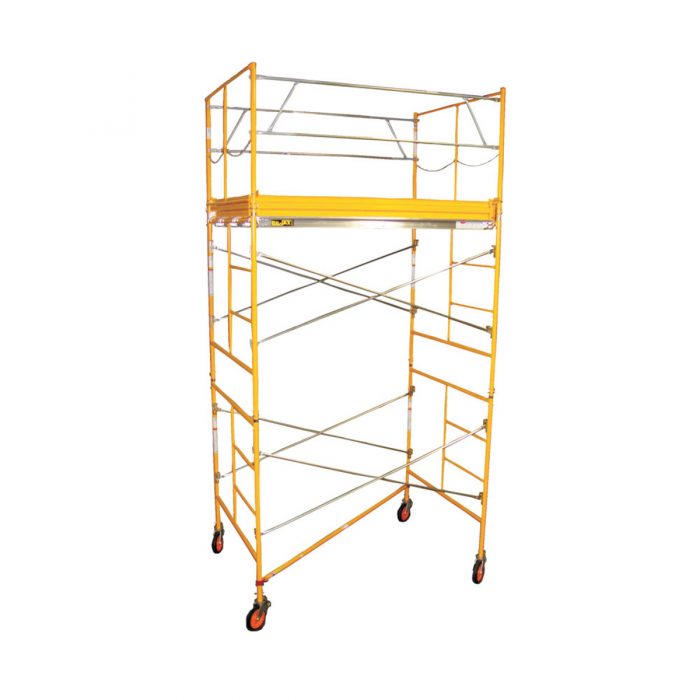
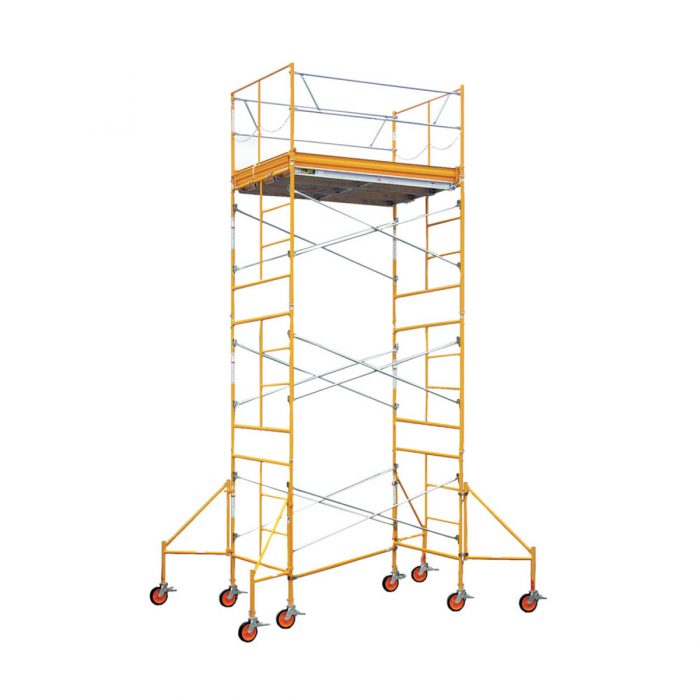
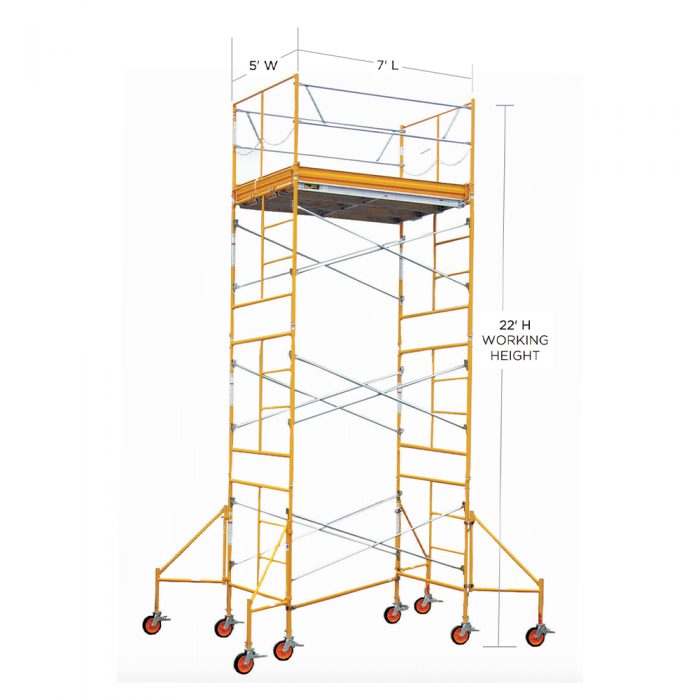
The 12+ ft Rolling Tower (Baker) Scaffold class comprises three-section and taller configurations with outriggers, engineered for interior work requiring extended vertical reach. Maximum platform heights in this class range from 17 to 27 feet, placing them above the 6-12 ft band for applications where standard two-section towers fall short. All platforms in this size class incorporate stabilizing outriggers to maintain safe geometry as stack height increases.
Cat classes
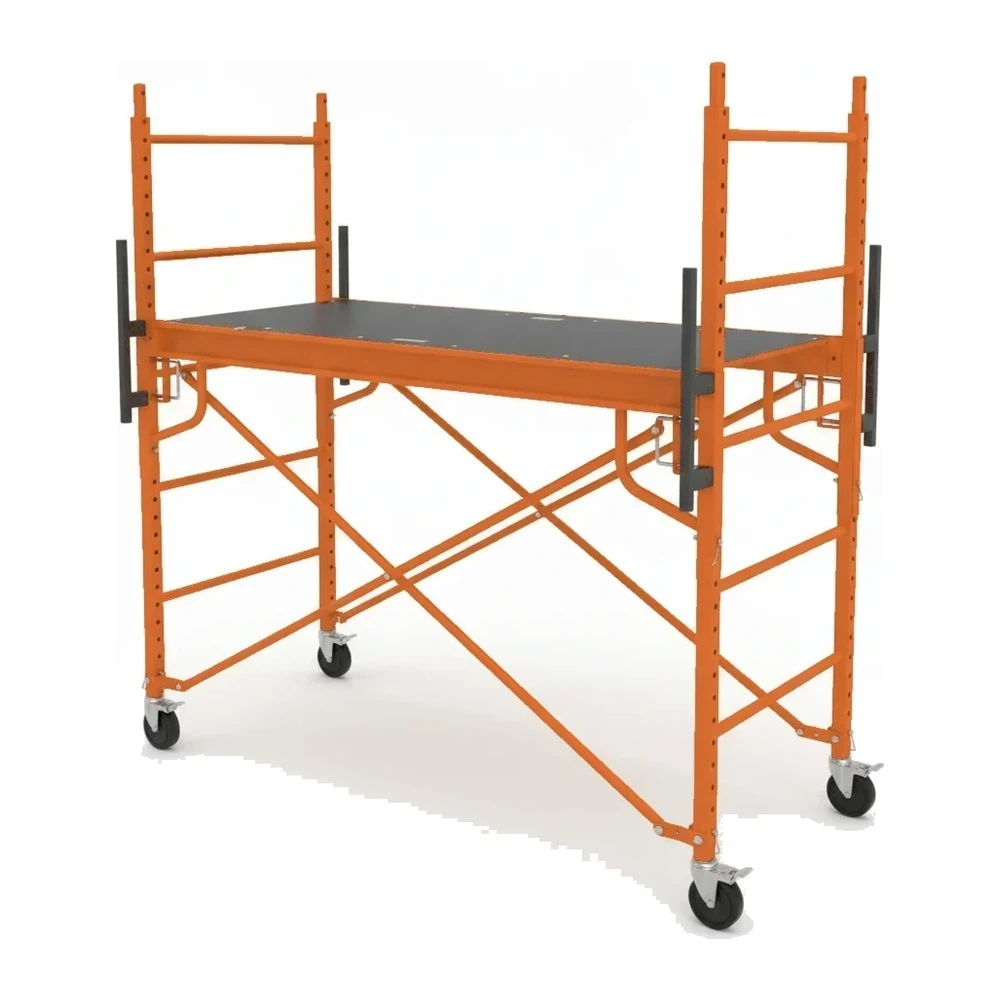
Pick a size class: capacity and reach differ across the range.
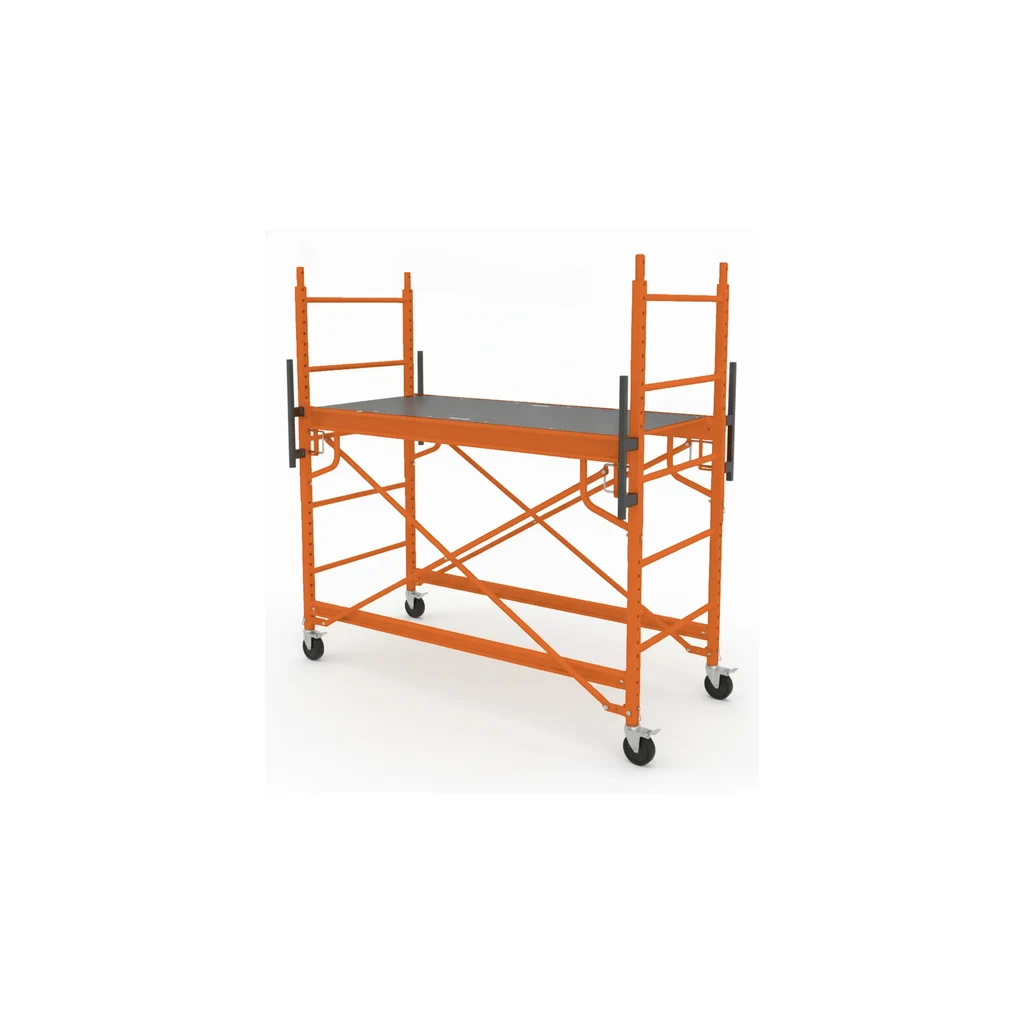
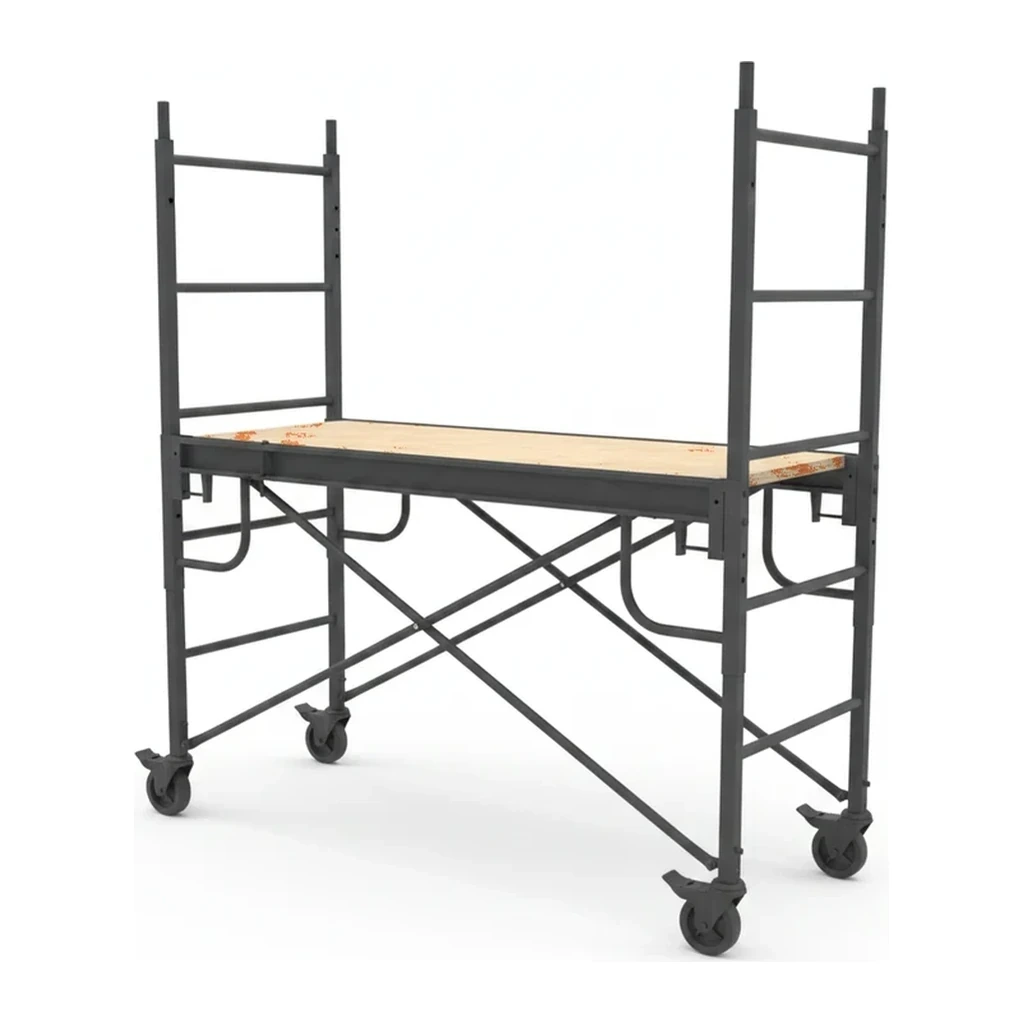
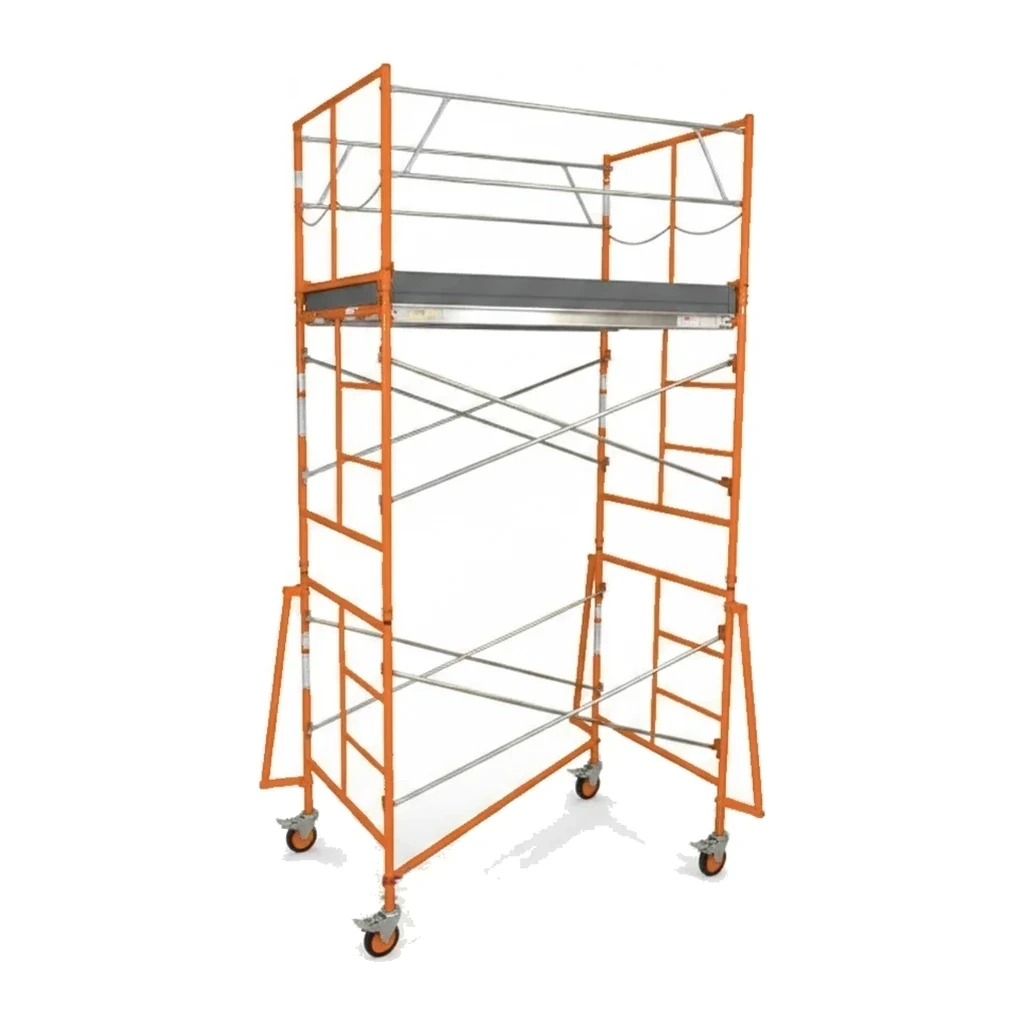
Key specifications
| Specification | Typical range | What it means |
|---|---|---|
| Max height | 17–27 ft (5.2–8.2 m) | Platform working height achieved with three or more frame sections stacked and locked. |
| Frame sections | 3+ | Number of individual scaffold frames required to reach the rated height. |
| Outriggers | Required | Lateral stabilizers mandated to offset the increased tip-over risk of tall assemblies. |
How to choose
The 12+ ft class is appropriate when platform height requirements exceed 12 feet and the workspace permits full outrigger deployment. Jobs demanding reach to ceilings above 14 feet or multi-story interior surfaces fall into this range. For work below 12 feet where ceiling clearance is limited or outriggers cannot be fully extended, the 6-12 ft Rolling Tower (Baker) Scaffold class offers a more compact and stable footprint. No larger size class exists; jobs requiring greater height typically transition to stationary frame scaffolding or aerial lifts.
What this size handles
- HVAC duct installation in warehouses with 20+ ft ceiling heights
- Electrical conduit runs and junction box mounting in tall lobbies or atriums
- Interior painting and finishing of mezzanine walls or high ceilings
- Sprinkler head installation and fire-suppression piping in industrial facilities
- Light fixture replacement and maintenance in gymnasiums or assembly halls
- Drywall installation on upper sections of multi-story stairwells
Safety & operation
- Outriggers must be fully extended and locked on level surfaces before climbing; partial deployment significantly increases tip-over risk
- All four casters must be locked during occupancy; accidental rolling under load is a leading cause of tower failures
- Maximum occupancy and load ratings decrease as stack height increases; consult frame labels and assembly instructions for each configuration
- Internal ladder access requires three points of contact; tools and materials should be hoisted separately rather than carried while climbing
Transport & logistics
- Frame sections and decking typically break down into bundles that fit in standard cargo vans or flatbed trailers
- Outriggers and casters ship separately; combined load weight and volume usually require a full-size pickup bed or dedicated trailer
- Multi-section towers often necessitate two trips or a larger trailer to move all components, guardrails, and decking in one haul
Power & supply
- No onboard power system; scaffold is unpowered structural equipment
- Work performed from the platform may require extension cords or pneumatic hoses routed from ground-level sources
- Electrically isolated design allows safe use near live circuits when proper clearances and lockout/tagout procedures are observed
Frequently asked
What distinguishes a 12+ ft tower from shorter rolling scaffold classes?
Can a 12+ ft rolling tower be repositioned with workers on the platform?
How does ceiling height affect the choice between a tall rolling tower and stationary scaffolding?
Compare popular models
Find by spec →Normalised to the same units. A dash means the figure was not published.
| Model | Max height | Load capacity |
|---|---|---|
| Metaltech 12ft Complete Fiberglass Baker Scaffold Tower Set | 12 ft (3.7 m) | 642 lb (291 kg) |
| Metaltech 18ft Complete Fiberglass Baker Scaffold Tower Set | 18 ft (5.5 m) | 560 lb (254 kg) |
Related equipment
Browse by manufacturer
Sources
Every specification is verified against the manufacturer's published data, with the source linked for reference.
12+ ft Rolling Tower (Baker) Scaffold
5 models · Every spec cited to source