

Scaffold Accessories
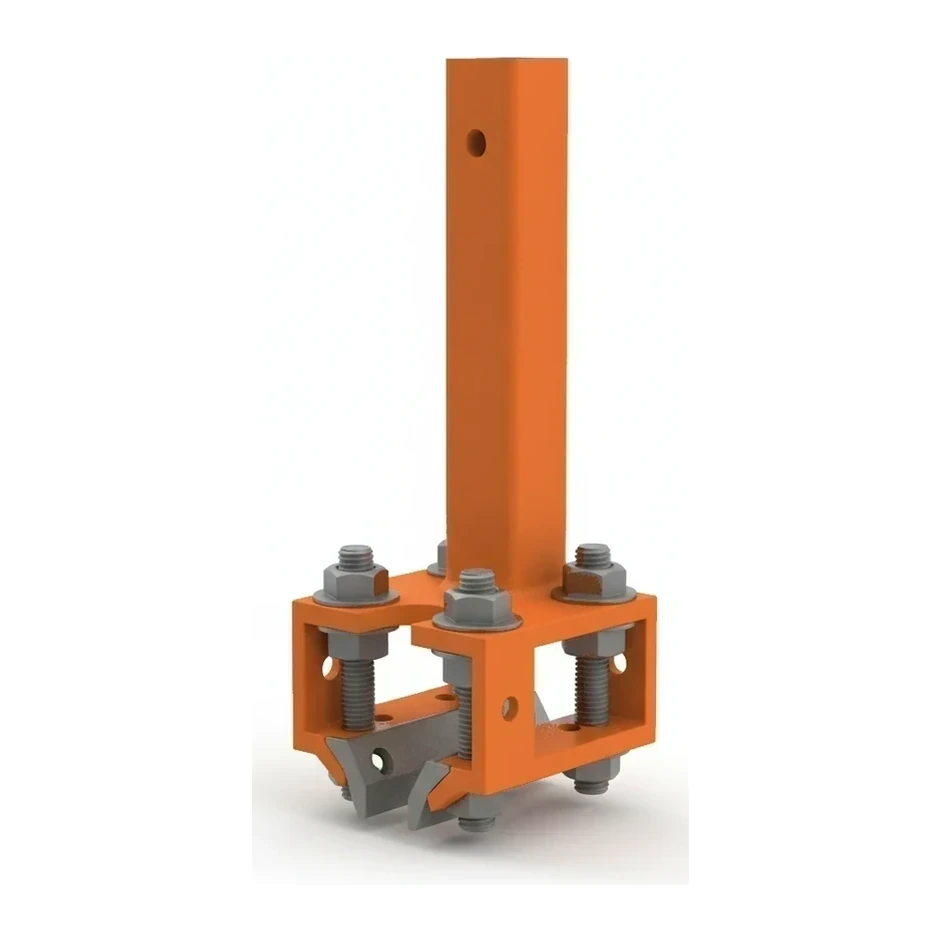
Scaffold accessories are supplementary components designed to enhance the safety, stability, and functionality of scaffolding systems. These components include guardrails, toe boards, scaffold casters, screw jacks, base plates, outriggers, and scaffold stairs that integrate with primary scaffold frames and platforms to meet regulatory requirements and expand operational capabilities.
How it works
Scaffold accessories attach to or support the main scaffold structure through standardized connection points, clamps, or coupling mechanisms. Guardrails and toe boards provide fall protection by creating barriers along exposed edges, while screw jacks and base plates establish level, stable foundations on uneven surfaces. Casters enable mobility for rolling scaffolds, outriggers extend working platforms beyond the scaffold footprint, and dedicated scaffold stairs provide compliant access. Each accessory type serves a specific function within the overall scaffold system, with installation methods varying by scaffold type and manufacturer specifications. Components typically feature quick-attachment designs using pins, clamps, or threaded connections that integrate with the scaffold framework without requiring specialized tools or permanent modifications.
Types & variants
- Guardrails
- Protective barriers installed along scaffold edges to prevent falls, consisting of top rails, mid rails, and posts that meet height and strength requirements
- Toe Boards
- Low barriers installed at platform edges to prevent tools, materials, and debris from falling off the scaffold to lower levels
- Scaffold Casters
- Wheeled units with locking mechanisms that replace base plates to create mobile scaffolding systems for interior applications
- Screw Jacks and Base Plates
- Adjustable foundation components that provide level support on uneven surfaces, with screw jacks offering height adjustment and base plates distributing loads
- Outriggers
- Extension brackets that increase scaffold width or provide additional support points beyond the main framework
- Scaffold Stairs
- Prefabricated stairway units that attach to scaffolding to provide compliant, safer access than ladder-based entry methods
Key specifications
| Specification | Typical range | What it means |
|---|---|---|
| Compatibility | Frame-specific or universal fitting | Indicates whether accessories match specific scaffold systems or use industry-standard connection points |
| Load Capacity | Varies by component type | Maximum weight or force the accessory can safely support, critical for structural components like base plates and outriggers |
| Material Construction | Steel or aluminum alloy | Determines durability, weight, and corrosion resistance for different environmental conditions |
| Adjustment Range | Varies by component | For adjustable components like screw jacks, defines the total height or position variation available |
How the industry sizes it
Scaffold accessories are not classified by universal size bands, as each component serves a specific function regardless of dimensional variations. Selection depends on compatibility with the primary scaffold system, the specific safety or functional requirement being addressed, and the work environment. Guardrails and toe boards are chosen based on platform length and configuration, casters by load capacity and wheel diameter, screw jacks by adjustment range needed, and stairs by required rise and tread count. The industry specifies accessories by component type and functional specification rather than a standardized sizing system.
Applications
- Fall protection compliance on elevated work platforms through guardrail and toe board installation
- Foundation stabilization and leveling on uneven terrain using screw jacks and base plates
- Mobile scaffold configuration for interior finishing, painting, and maintenance work
- Working platform extension beyond scaffold footprint using outriggers for facade access
- Safe vertical access to multi-level scaffolding through dedicated stair units
- Debris containment on construction sites to protect workers and materials below scaffold levels
Safety & operation
- Verify compatibility between accessories and the scaffold system manufacturer to ensure proper fit and load distribution
- Inspect connection points, welds, and fasteners before each use to identify damage, corrosion, or wear that could compromise integrity
- Ensure guardrails meet minimum height requirements and can withstand specified horizontal forces per regulatory standards
- Lock all casters before personnel access mobile scaffolds and verify outriggers are properly secured before loading platforms
- Follow manufacturer torque specifications and installation sequences to prevent improper assembly that reduces safety margins
Standards & certifications
- OSHA · 29 CFR 1926 Subpart L
- Establishes requirements for scaffold guardrails, toe boards, access, and fall protection systems in construction
- ANSI · A10.8
- Defines safety requirements for scaffolding accessories including load ratings, materials, and installation practices
Frequently asked
What determines which scaffold accessories are required for a specific application?
Can accessories from different manufacturers be mixed on the same scaffold system?
How do toe boards differ in function from guardrails on scaffolding?
What load capacity considerations apply to scaffold casters?
Browse by manufacturer
All models
1 models · Every spec cited to source