

Storage Containers, Site Support, and Mobile Offices
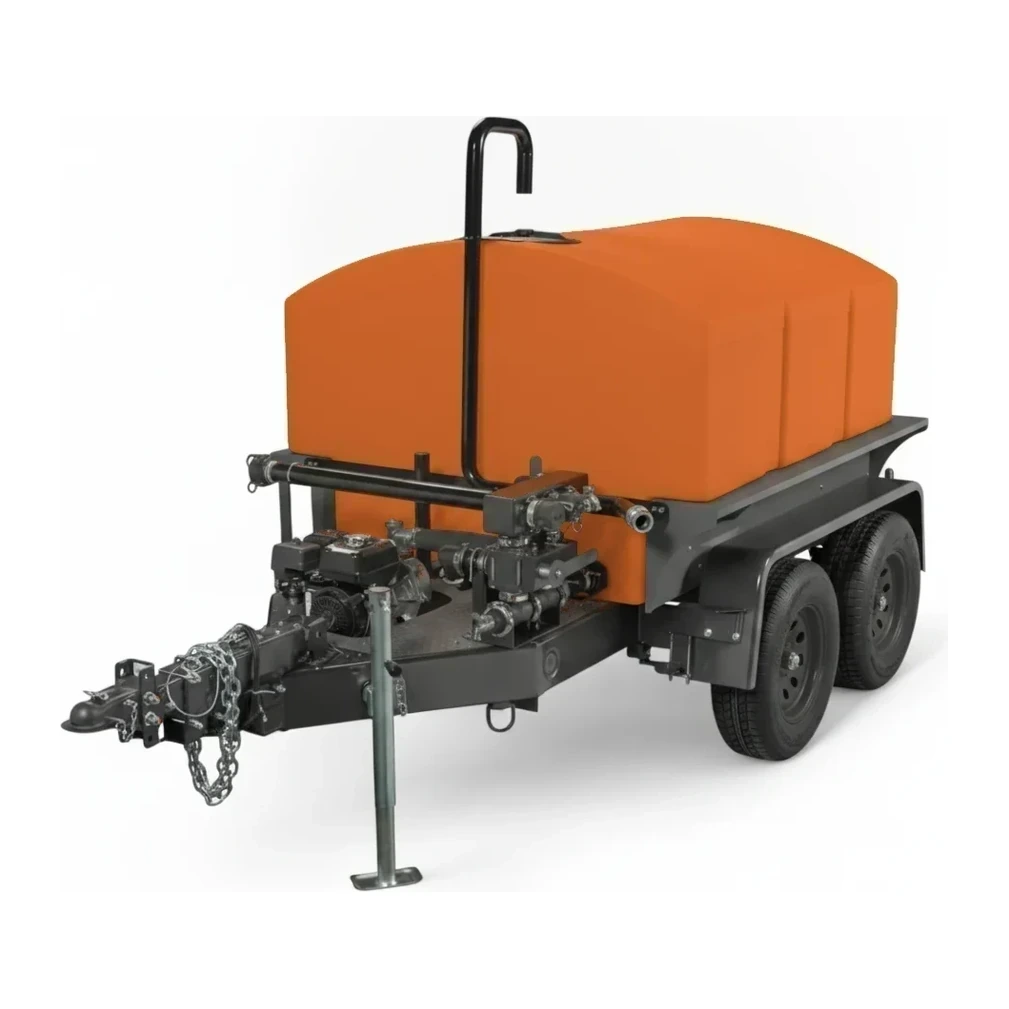
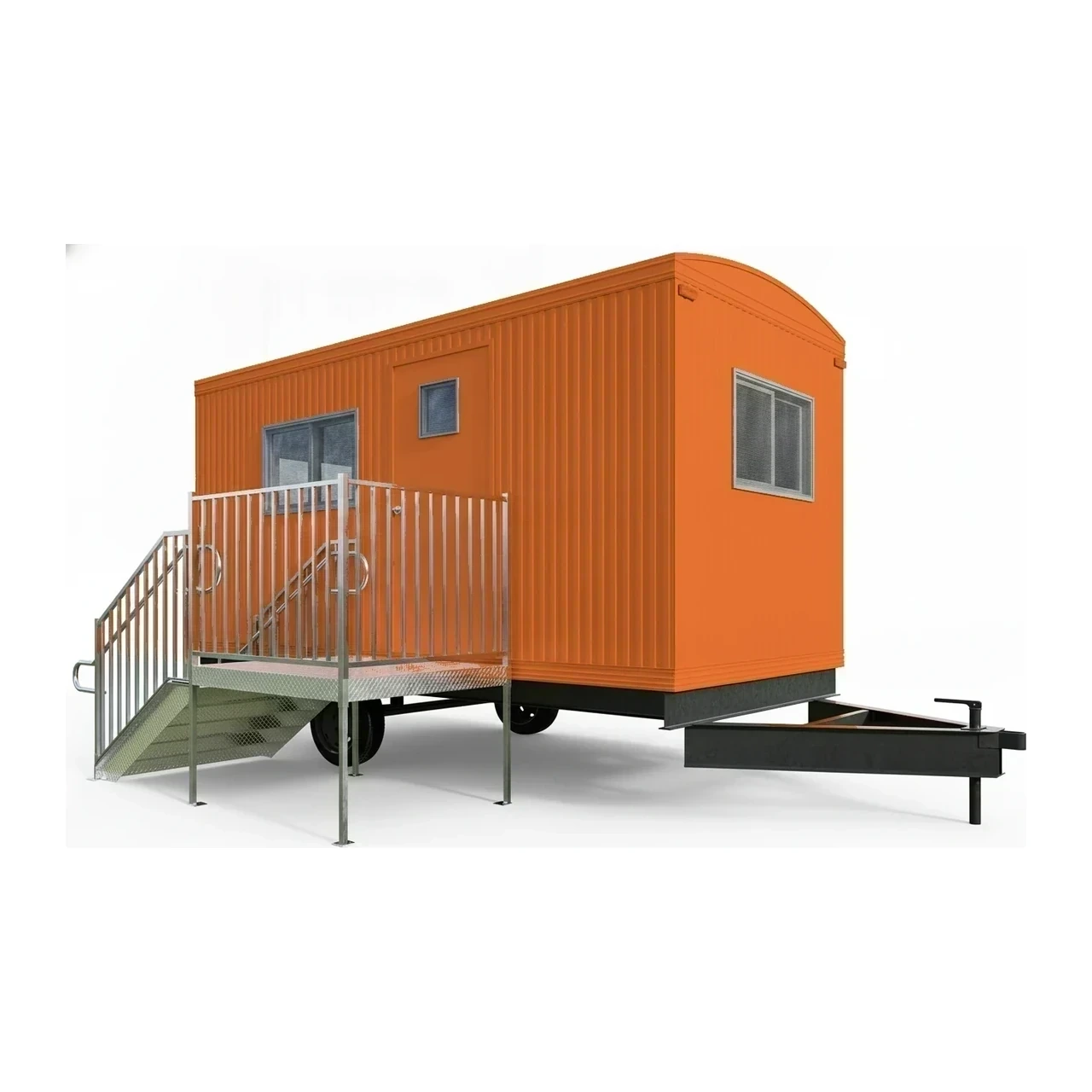
Storage containers, site support, and mobile offices form the infrastructure of a job site: the offices, secure storage, tanks, and ground access that everything else operates from. Water tanks and office trailers are the largest classes.

How it works
These assets arrive, place, and serve: offices need leveling and power, containers place on graded ground, tanks pair with pumps and dispensing gear, and mats build roads over soft ground. Fuel and hazmat storage bring fire-code and containment rules; potable water brings material certification.
Types & variants
- Site Support
- Office trailers, containers, job boxes, and ground protection mats.
- Tanks
- Water, fuel, waste, and specialty tanks for site liquids.
How to choose
Site headcount sizes offices, theft exposure and volume divide boxes from containers, and liquid type drives tank selection: potable certification, fuel containment and permits, or waste capacity against pump-out schedules. Delivery logistics and placement are specified before anything ships.
Standards & certifications
- NFPA · NFPA 30
- Flammable and combustible liquids code governing fuel storage tanks.
- NSF/ANSI · 61
- Health-effects requirements for components in contact with drinking water.