

Site Support and Ground Protection
How it works
These systems serve dual protective functions on active job sites. Job boxes provide weatherproof, lockable storage for tools, equipment, and materials, preventing theft and environmental damage during project execution. Ground protection mats distribute load forces across soft or sensitive surfaces, preventing rutting, soil compaction, and turf damage while creating stable access routes and work platforms for heavy equipment, vehicles, and foot traffic. Together, these solutions maintain site security, preserve environmental integrity, and ensure safe, efficient operations across diverse terrain conditions.
Types & variants
- Job Box
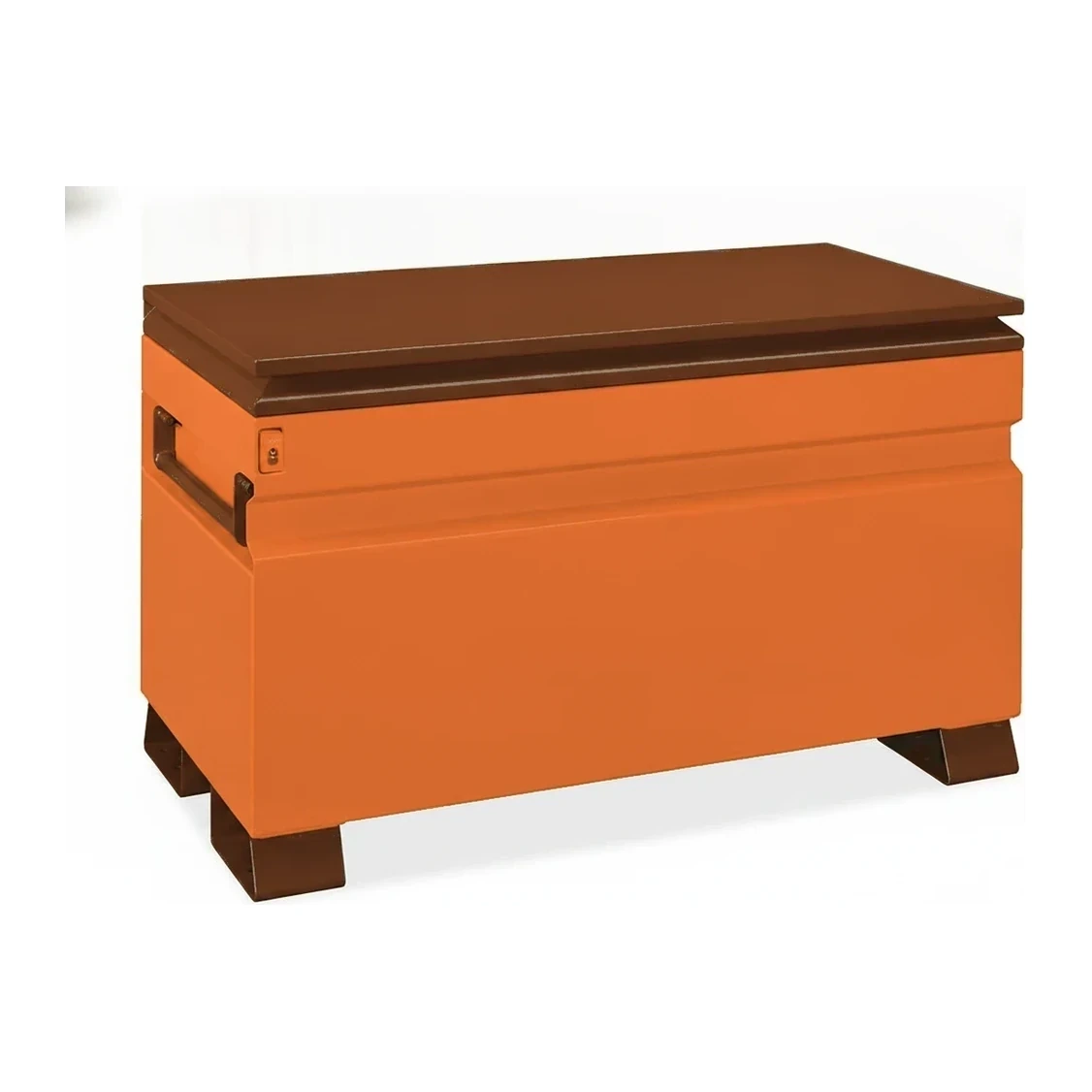
- Heavy-duty steel storage containers with reinforced locking mechanisms, used to secure tools, equipment, and materials on active work sites against theft and weather exposure.
- Ground Protection Mat
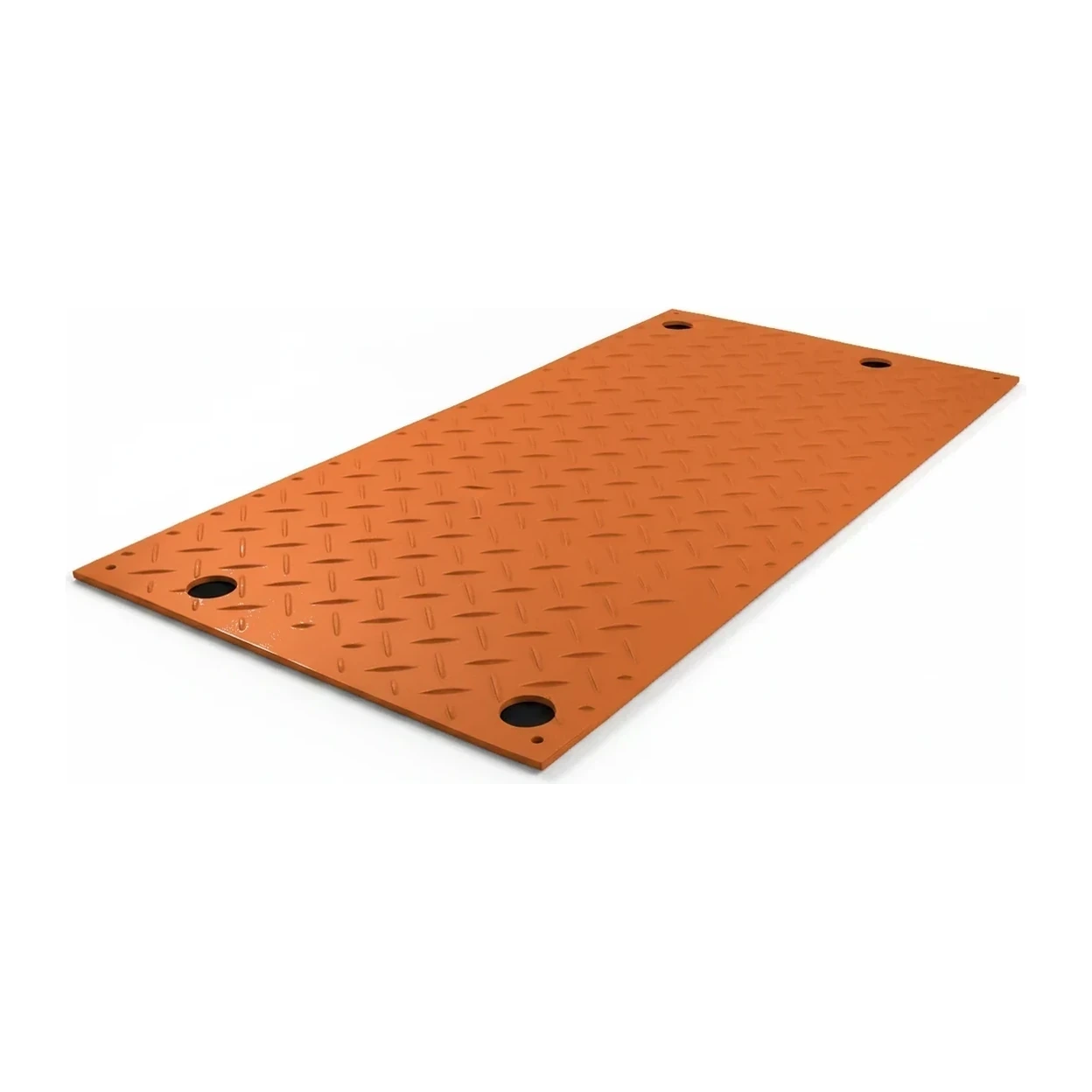
- Rigid or flexible load-bearing panels constructed from composite materials, HDPE plastic, or wood, designed to create temporary roadways, work platforms, and surface protection over grass, mud, sand, or sensitive substrates while distributing equipment loads.
Standards & certifications
- OSHA · 29 CFR 1926.250
- General requirements for material storage and handling on construction sites
- ASTM · ASTM F1951
- Standard specification for determination of accessibility of surface systems under and around playground equipment
Frequently asked
What weight capacity determines appropriate ground protection mat selection?
Mat selection depends on anticipated equipment loads and ground bearing capacity. Light-duty mats handle pedestrian and light vehicle traffic, medium-duty mats support equipment such as forklifts and utility vehicles, and heavy-duty mats accommodate cranes and loaded trucks. Engineers calculate required surface area based on ground pressure limits and equipment ground contact pressures.
How do job box security ratings compare across the industry?
Job boxes feature various security levels from basic paddle locks to pry-resistant designs with reinforced hasps, piano hinges, and multi-point locking systems. Commercial-grade boxes typically use 12-16 gauge steel with weather stripping, while heavy-duty models employ 10 gauge or thicker steel with concealed hinges and tamper-resistant hardware meeting jobsite insurance requirements.
What site conditions require ground protection mats versus other access solutions?
Ground protection mats are specified when preserving existing surfaces such as turf, landscaping, or paved areas, preventing soil compaction, stabilizing soft ground including mud, sand, or snow, or meeting environmental permit requirements. They prove essential for wetland crossings, utility work across lawns, emergency vehicle access at events, and construction on protected or restoration sites where permanent roadways cannot be installed.
What factors affect ground protection mat configuration and layout?
Layout considers traffic patterns, turning radii, load concentration points, and connection methods. Mats interlock via cleats, ropes, or integrated connectors to prevent shifting. Configurations range from single-lane temporary roads to large work pads. Site grading, drainage provisions, and edge transitions ensure stability and prevent mat settlement or hazardous level changes.