

Traffic Control and Safety
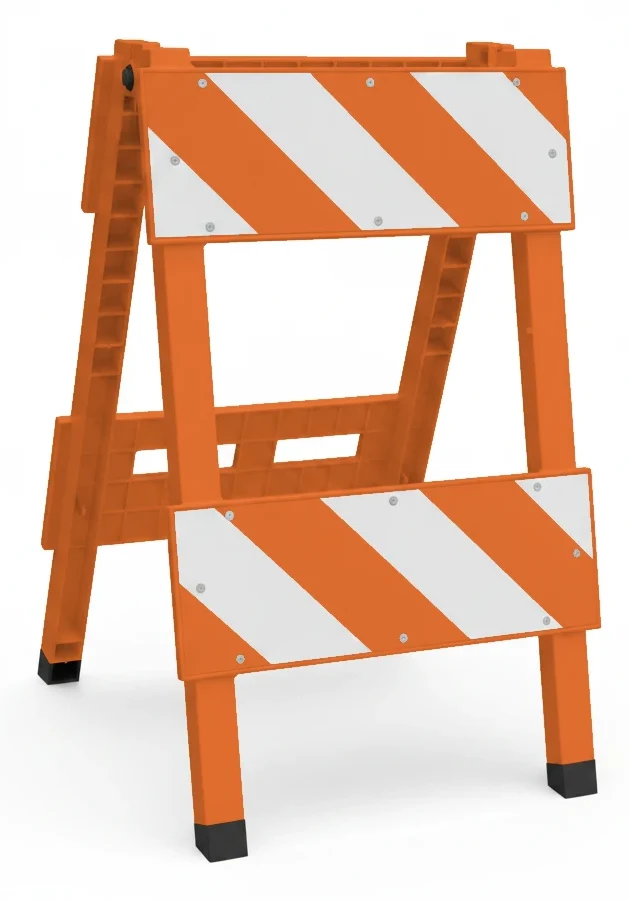
Traffic control and safety equipment protects crews and channels vehicles through and around work zones. Barricades and arrow boards lead the class within the standard MUTCD device set.

How it works
Devices deploy as engineered systems, not individually: advance warning, calculated tapers of channelizing devices, protected work space, and termination — geometry set by road speed under the MUTCD. Crash-tested hardware absorbs errant-vehicle impacts where speeds demand it.
Types & variants
- Traffic Control
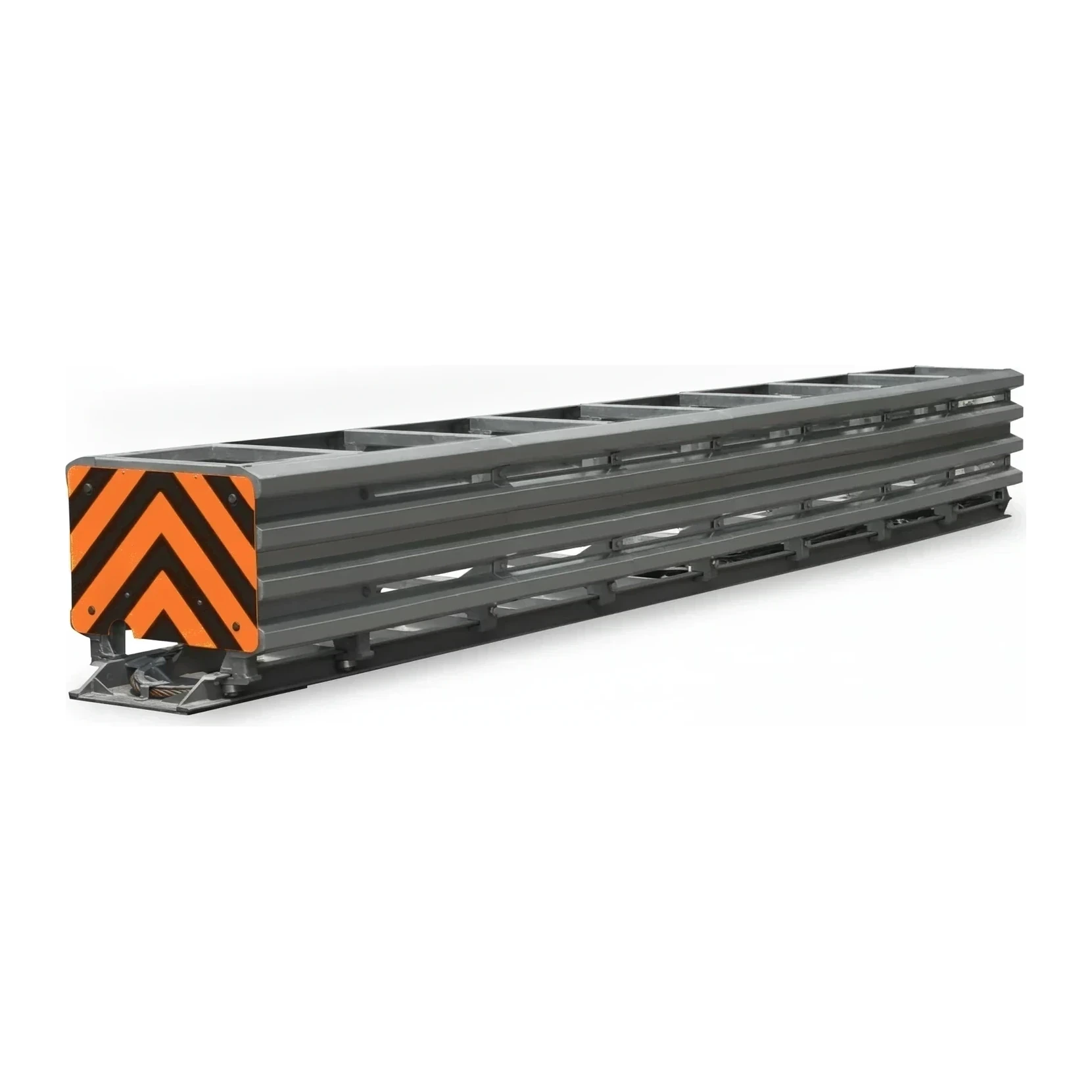
- Barricades, arrow boards, cones, and crash cushions for work zones.
How to choose
The agency traffic-control plan specifies the layout; road speed drives taper lengths, device counts, sheeting classes, and whether MASH-tested attenuators are required. Retroreflectivity condition and working lights keep a deployed zone compliant night after night.
Standards & certifications
- FHWA · MUTCD
- National standard for temporary traffic control devices and work-zone layouts on public roads.
- AASHTO · MASH
- Crash-testing criteria for roadside safety hardware such as crash cushions and barricades.
Frequently asked
What sets the device count for a closure?
MUTCD formulas: taper length from speed and lane width, device spacing from speed, plus signage sequence and arrow board requirements — the traffic-control plan does the math per closure.
Do work zones on public roads require permits?
Nearly always — road authorities require approved traffic-control plans and permits for any work affecting public traffic, referencing MUTCD standards.
What is crash-tested hardware and when is it required?
Devices proven under AASHTO MASH criteria — crash cushions and barrier terminals required by agency plans wherever errant vehicles could strike fixed hazards at speed.