

Traffic Management Systems
How it works
Traffic management systems operate by providing visual warnings, directional guidance, and automated traffic control in areas where normal traffic patterns are disrupted by construction or maintenance activities. These systems use combinations of LED displays, radar technology, and mechanical components to alert motorists to hazards, display speed feedback, indicate lane shifts, and control traffic flow without requiring continuous manual operation. Most systems are trailer-mounted or portable, powered by solar panels or generators, and can be deployed quickly to meet changing site conditions.
Types & variants
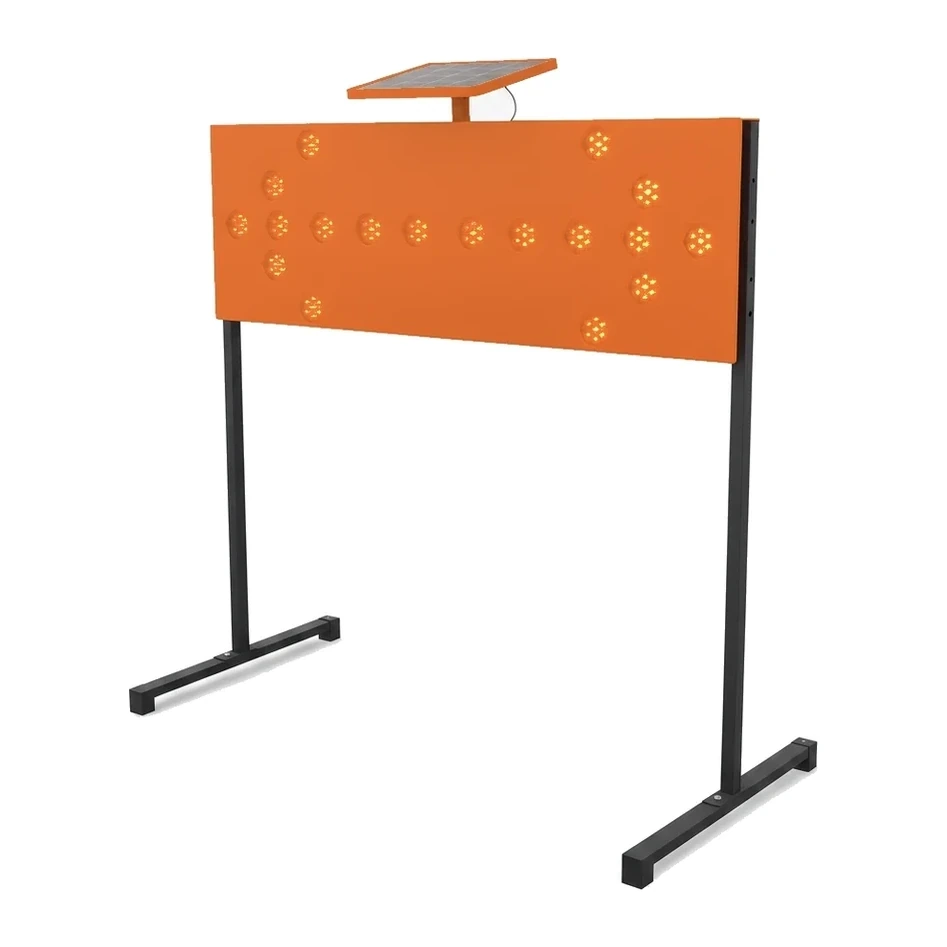
- Arrow Board
- Trailer-mounted electronic sign displaying sequential arrows or caution patterns to direct traffic around work zones and indicate lane closures or shifts
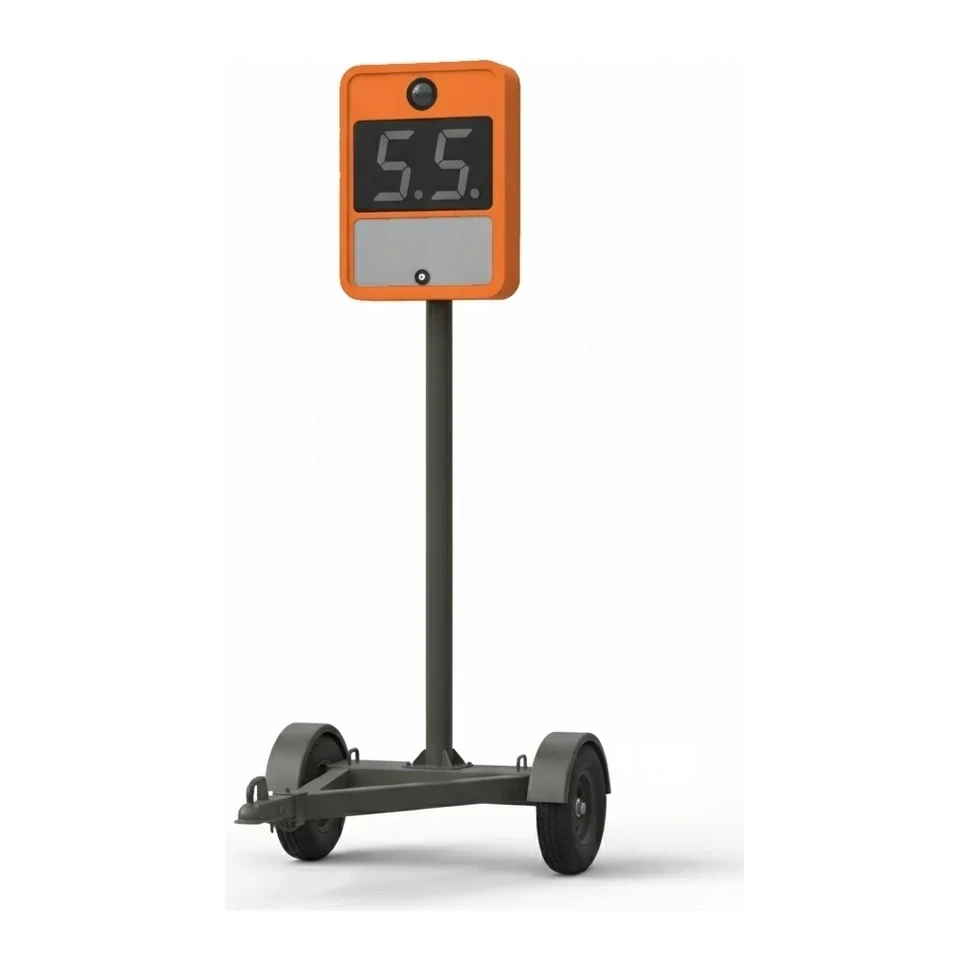
- Radar Speed Sign
- Electronic display system using radar technology to measure approaching vehicle speeds and provide real-time feedback to drivers, encouraging compliance with posted speed limits in work zones
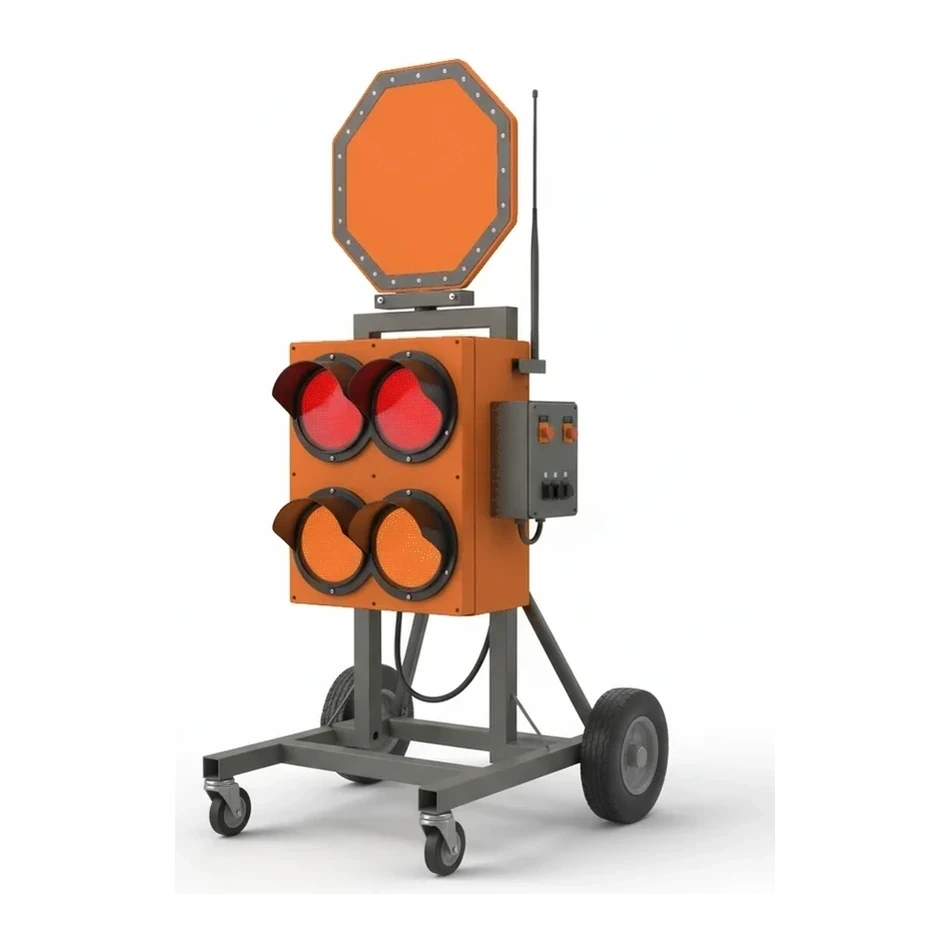
- Automated Flagger Assistance Device
- Remotely operated traffic control system featuring mechanical gates or stop/slow paddles that allows a single operator to control traffic from a safe location outside the travel lane
Standards & certifications
- MUTCD · Manual on Uniform Traffic Control Devices
- Federal standard governing design, application, and placement of traffic control devices including temporary traffic control in work zones
- NCHRP · National Cooperative Highway Research Program Report 350
- Crash testing guidelines for roadside safety devices and work zone equipment
- ATSSA · American Traffic Safety Services Association
- Industry association providing quality guidelines and certification programs for traffic control equipment and operations
Frequently asked
What determines the appropriate type of traffic management system for a work zone?
Selection depends on factors including road classification, traffic volume and speed, work zone configuration, duration of the project, and regulatory requirements specified in the MUTCD and state supplements. Arrow boards typically suit lane closures and merge situations, radar speed signs address speed reduction needs, and automated flagger devices work for alternating one-lane, two-way traffic control.
How are traffic management systems powered in field conditions?
Most systems utilize solar panels with battery backup for continuous operation, though some models offer generator power or AC connection options. Solar-powered units typically feature battery management systems that provide multiple days of operation without sunlight, making them suitable for extended deployments and varying weather conditions.
What visibility and distance requirements apply to traffic management systems?
MUTCD standards specify minimum visibility distances based on road speed limits and conditions. Arrow boards must be visible from prescribed distances (typically 1,000+ feet on highways), radar speed signs require adequate sight distance for speed detection, and automated flagger devices need clear line-of-sight for both operators and motorists approaching from either direction.
What maintenance considerations affect traffic management system deployment?
Regular maintenance includes cleaning solar panels and displays for optimal visibility, checking battery charge levels, inspecting trailer components and tires, verifying radar calibration on speed signs, and testing mechanical functions on automated flagger devices. Most systems require periodic inspection to ensure compliance with photometric and operational standards throughout deployment periods.