

Vehicles and Trailers
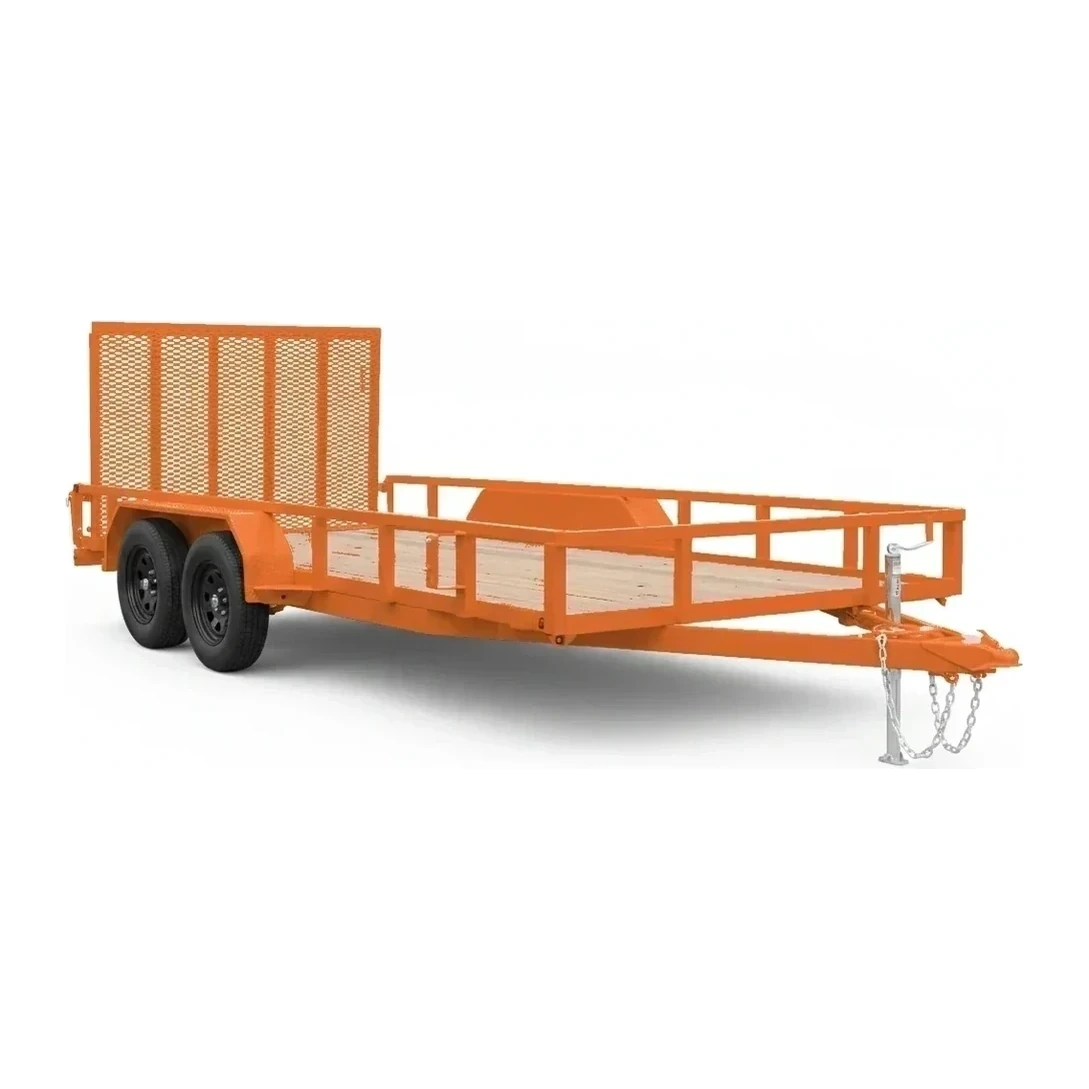
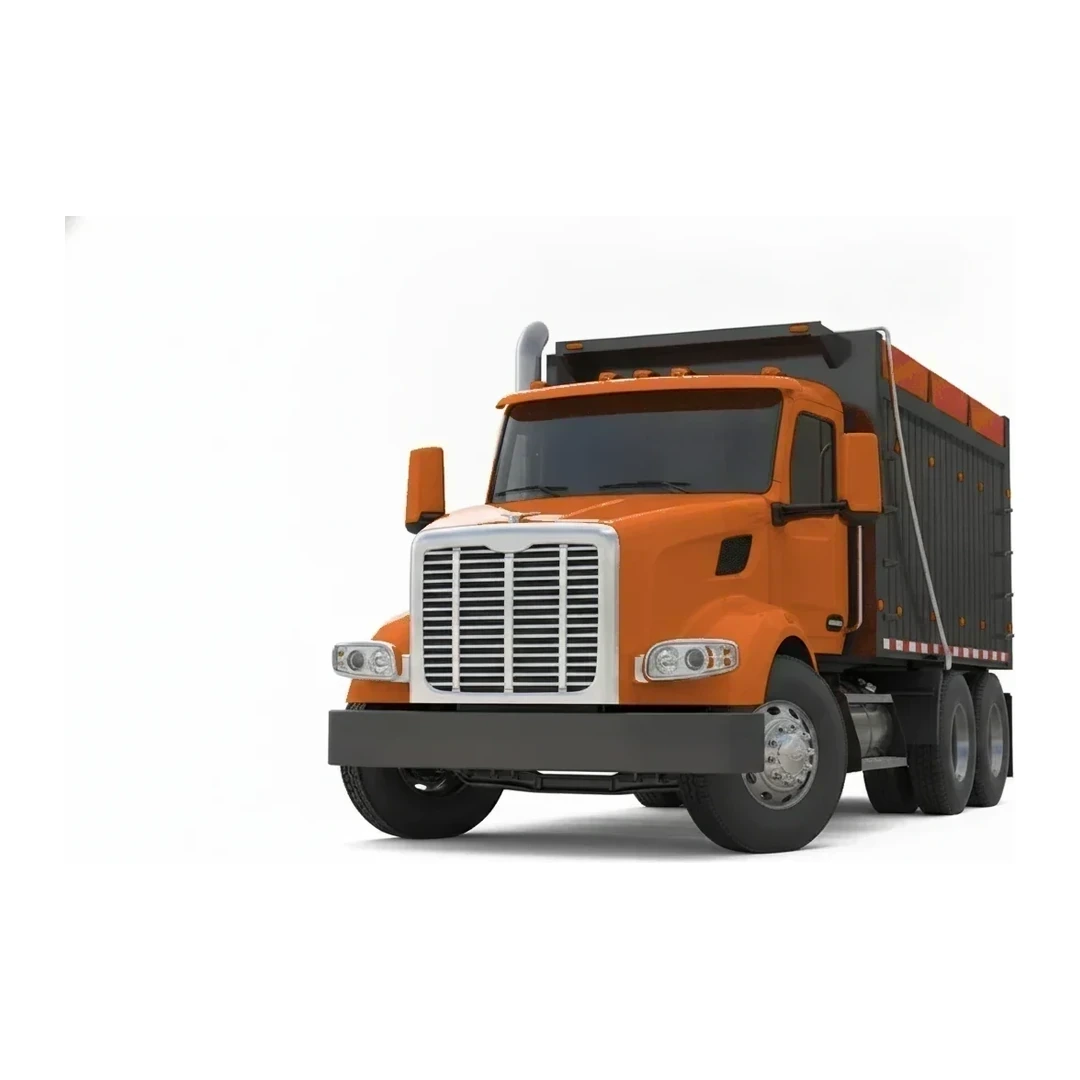
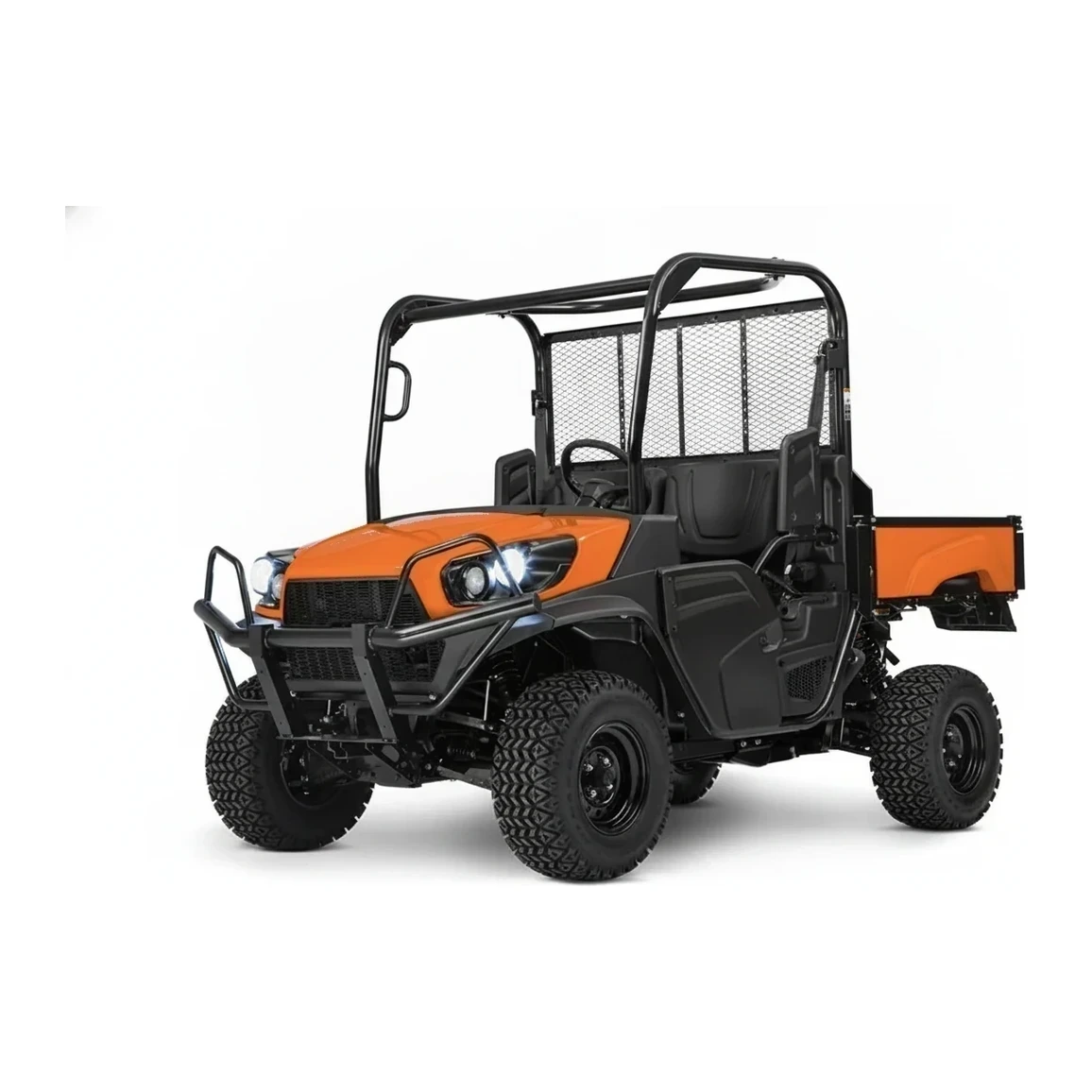
Vehicles and trailers move crews, equipment, and materials on the road. Equipment trailers and dump trucks anchor the category, with utility vehicles bridging the gap between truck and foot on large sites.

How it works
Chassis and body pair to purpose: tipping beds haul and dump, tanks carry and spray, service bodies bring the shop to the field, and trailers extend any truck's role. Weight governs everything legal: GVWR sets licensing classes, brake requirements, and DOT obligations across the category.
Types & variants
- Trucks
- Dump, vacuum, service, stake, water, and semi trucks in site duty.
- Passenger Vehicles
- SUVs, sedans, vans, and pickups for crew and staff transport.
- Utility Vehicles
- Side-by-side utility vehicles for moving crews and material across sites.
- Trailers
- Equipment, dump, utility, water, and specialty trailers for towed hauling.
How to choose
Payload and duty pick the format; the combination rating and driver licensing bound the choice. Dump class follows yardage, trailers follow machine weights and tow ratings, UTVs cover on-site shuttling, and CDL thresholds often decide the fleet mix as firmly as the work does.
Standards & certifications
- NHTSA · FMVSS (49 CFR 571)
- Federal motor vehicle safety standards for on-road vehicles and trailers.
- FMCSA
- Federal motor-carrier regulations that apply to commercial trucks and towed trailers.
- SAE · J684
- Standard for trailer couplings, hitches, and safety chains.