

Work Trucks
Trucks carry the loads, water, and services that keep projects moving. Dump trucks are the largest class, with vacuum, service-body, stake body, water, and semi trucks covering the specialized duties.
How it works
Each format is a chassis matched to a working body: hydraulic tipping beds, vacuum pumps and tanks, compartmentalized service bodies with cranes, or spray systems. Payload lives inside the chassis GVWR minus body and equipment weight, and licensing follows weight — CDL classes govern who drives what.
Types & variants
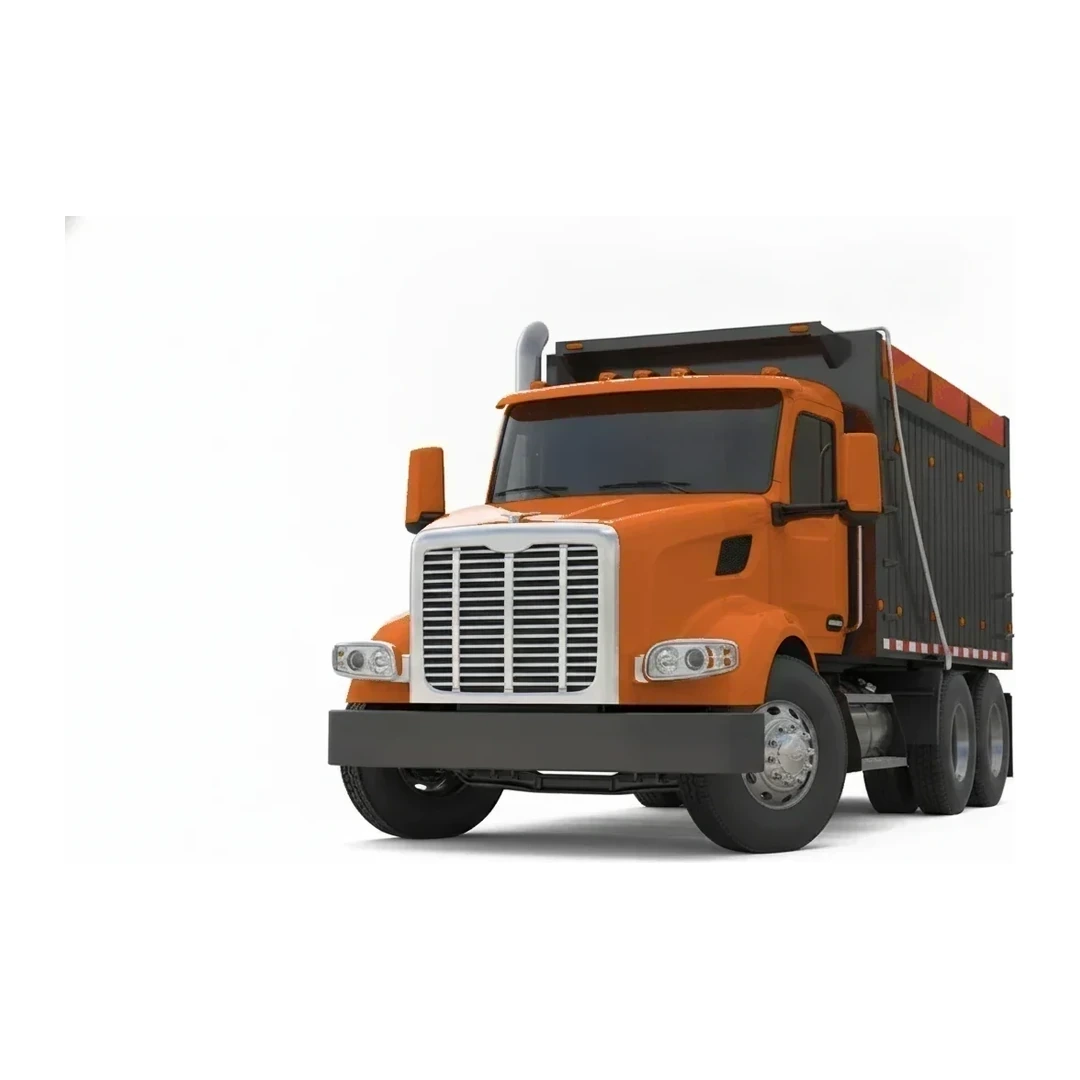
- Dump Truck
- On-road truck with a tipping bed for hauling and dumping bulk material.
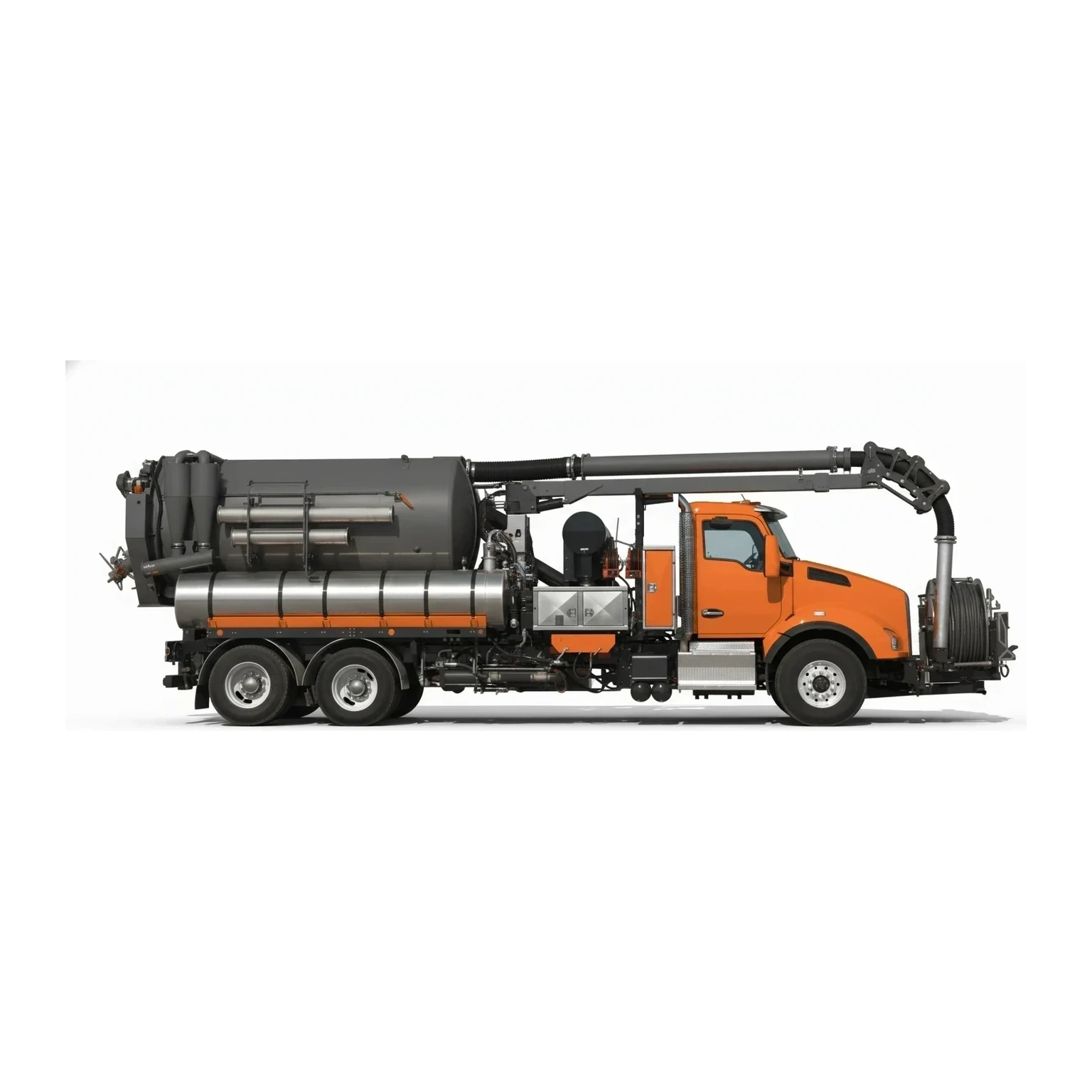
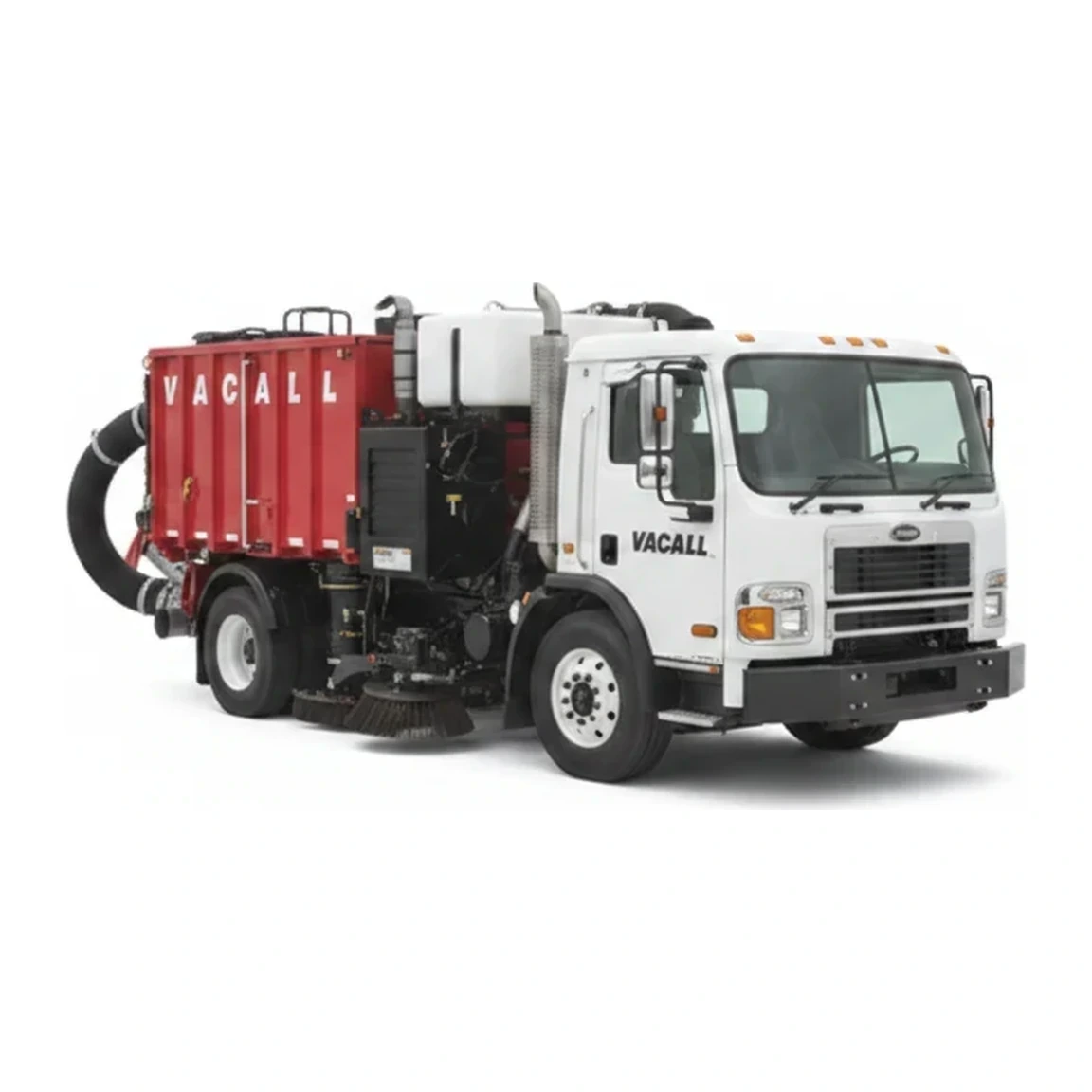
- Vacuum Truck
- Truck with vacuum pump and tank that collects liquids, sludge, and debris.
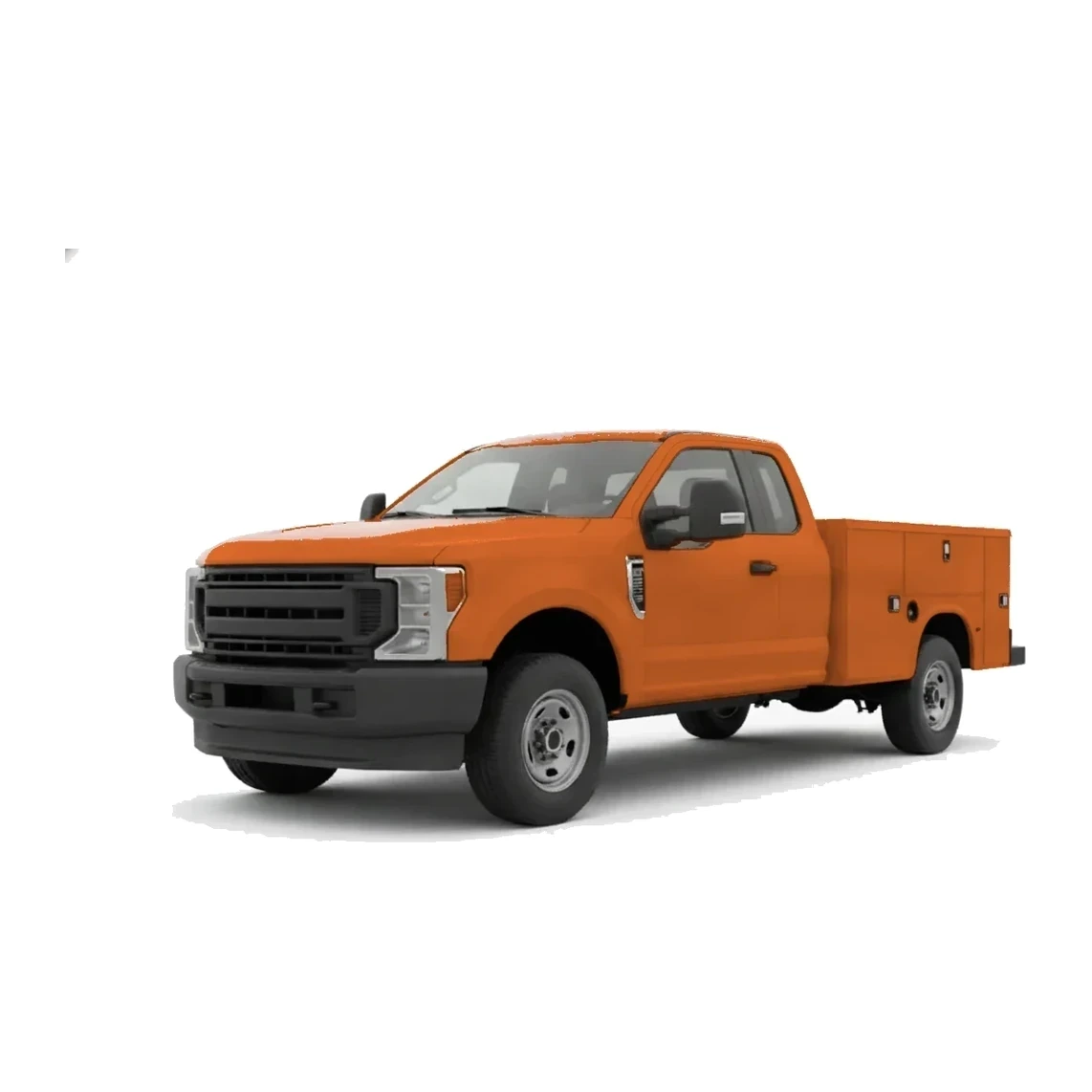
- Service-Body Truck
- Truck with tool compartments and often a crane for field service work.
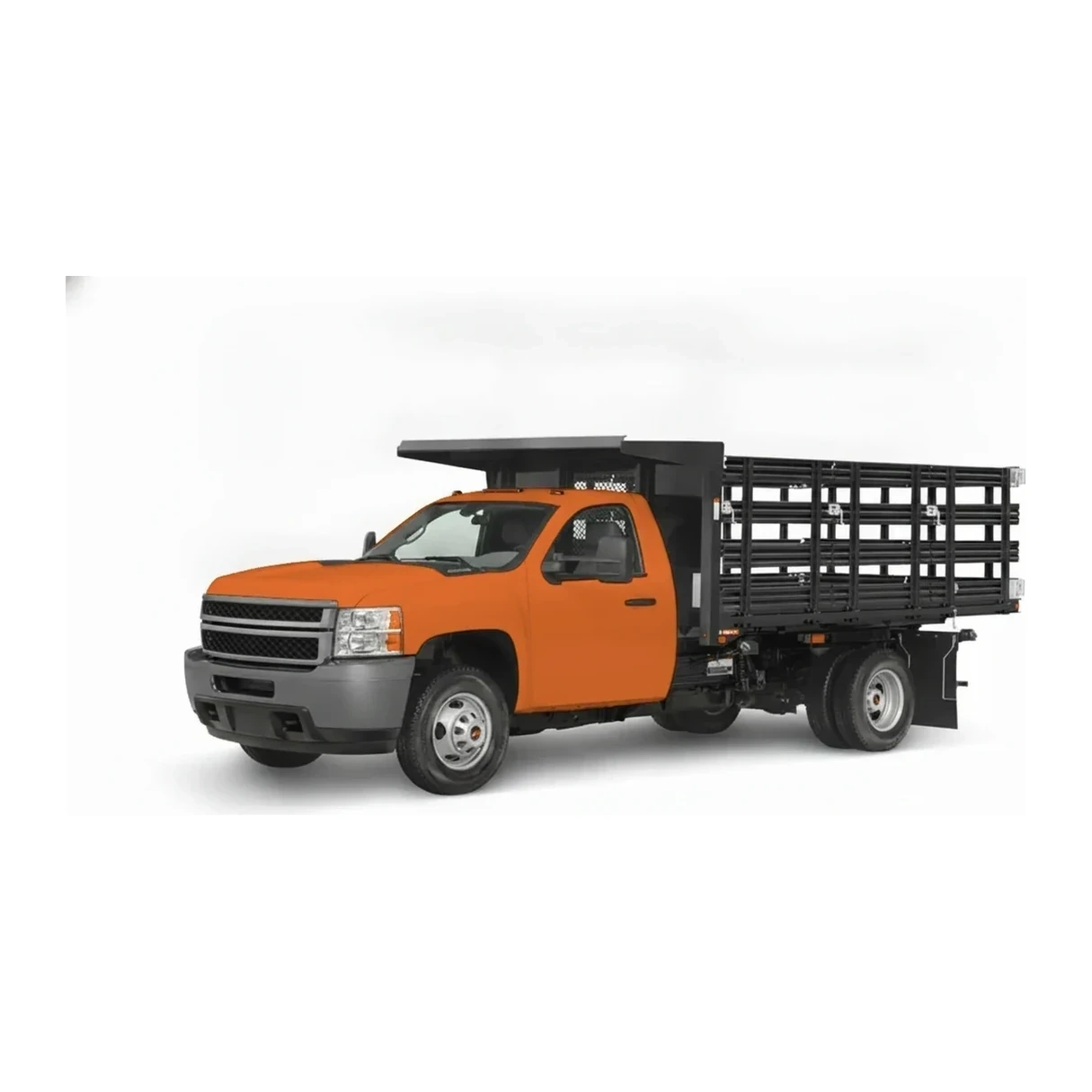
- Stake Body Truck
- Flat-deck truck with removable side stakes for general freight.
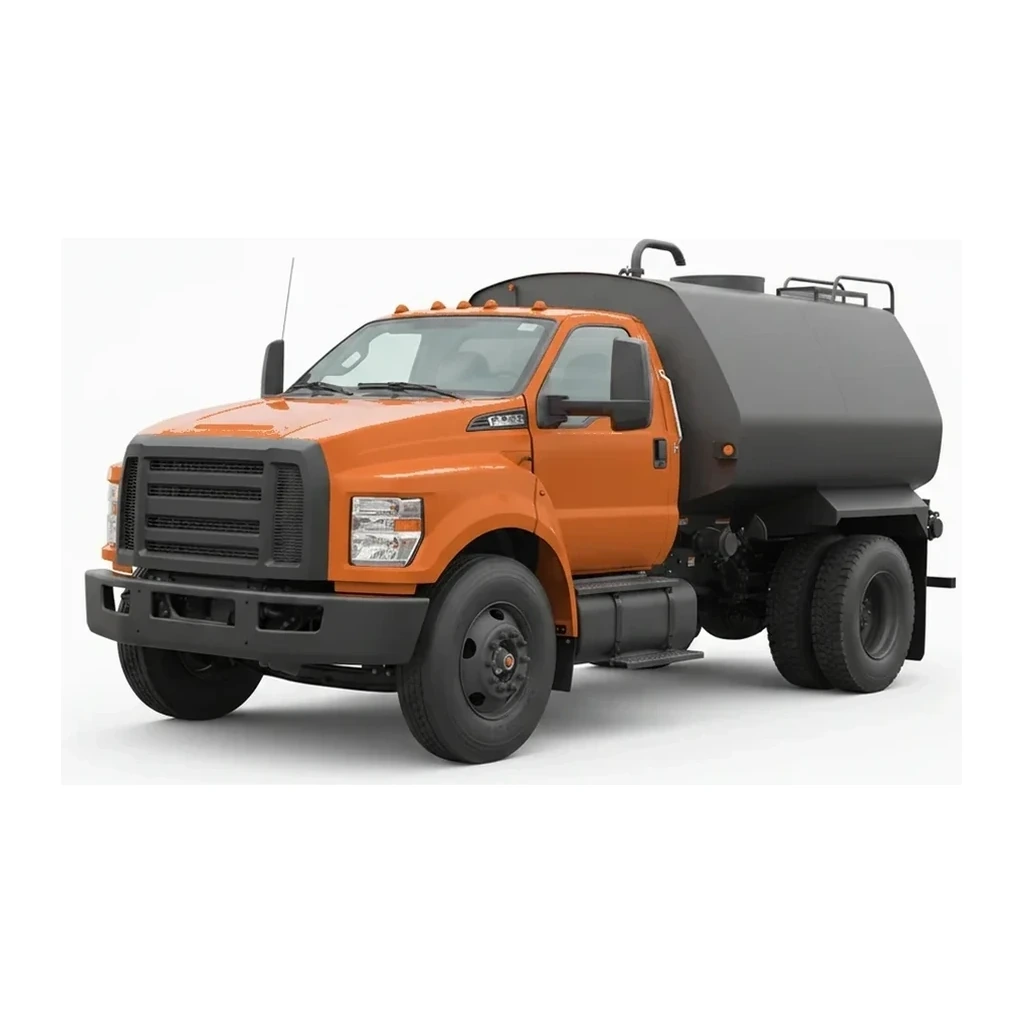
- Water Truck
- Tank truck with spray heads for dust control and compaction water.
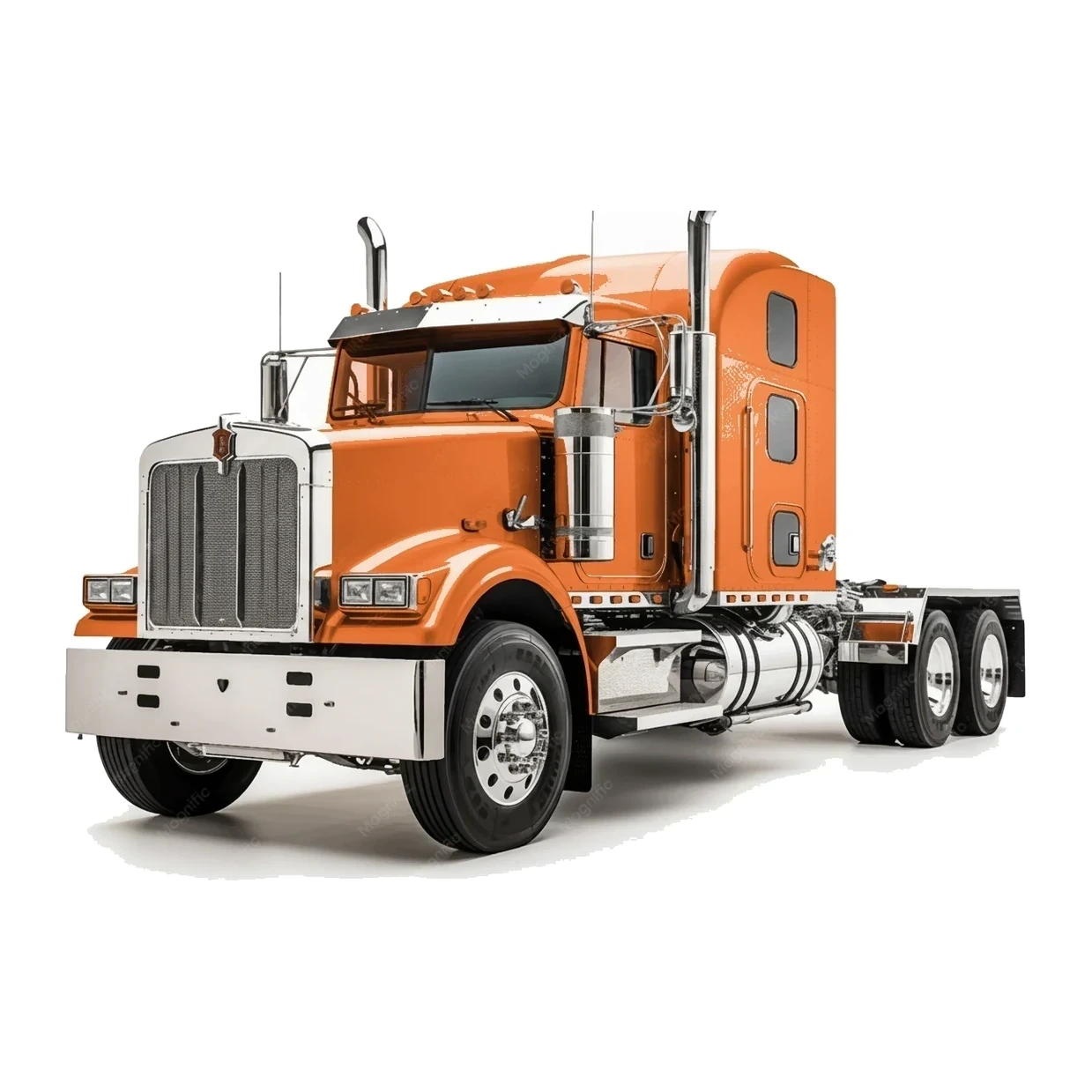
- Semi Truck
- Highway tractor that pulls semi-trailers.
How to choose
Payload, body function, and licensing shape the pick: dump class by yardage hauled, water trucks by tank size against dust routes, service trucks by crane and compartment needs. GVWR thresholds set CDL and DOT obligations, which on many jobs decide the truck as much as the work does.
Standards & certifications
- NHTSA · FMVSS (49 CFR 571)
- Federal motor vehicle safety standards for on-road vehicles and trailers.
- FMCSA
- Federal motor-carrier regulations that apply to commercial trucks and towed trailers.