

Cleaning Equipment
How it works
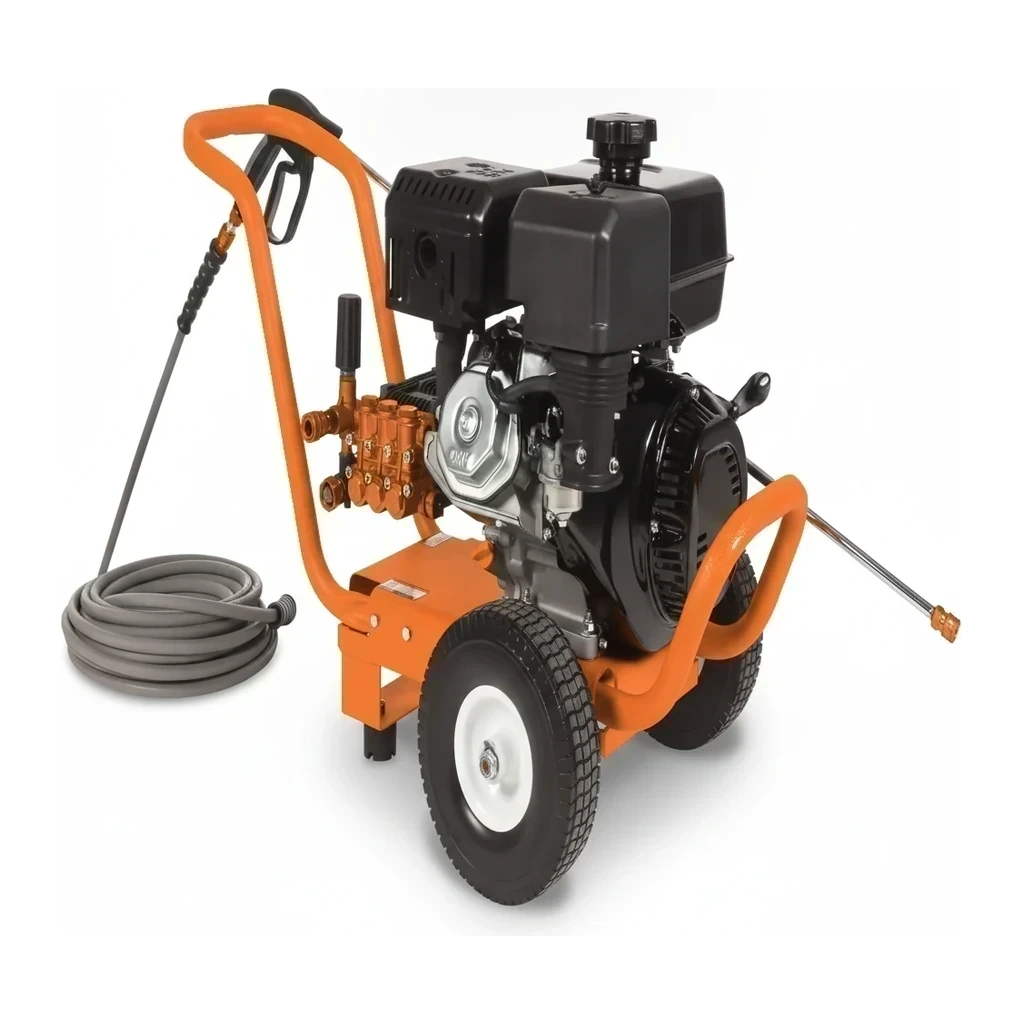
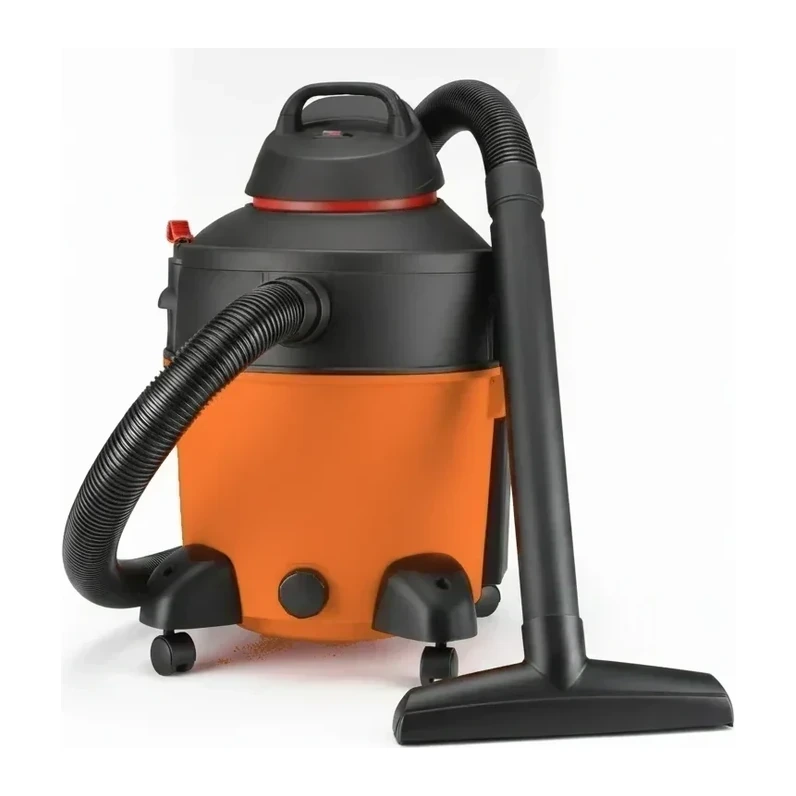
Cleaning equipment operates through two primary mechanisms: suction-based extraction or pressurized water projection. Wet/dry vacuums use motor-driven fans to create negative pressure that draws materials into collection tanks, with filtration systems separating solids from exhaust air. Pressure washers employ pumps, driven by electric motors or gasoline engines, to pressurize water from 1,000 to over 4,000 PSI, forcing it through specialized nozzles that create high-velocity streams capable of dislodging adhered materials. Hot water units integrate heating elements or burner systems to enhance cleaning effectiveness on grease, oil, and stubborn residues.
Types & variants
- Wet/Dry Vacuum
- Multi-purpose vacuum systems capable of extracting both liquid spills and dry debris, featuring sealed collection tanks and specialized filtration for construction dust, water removal, and general cleanup applications.
- Cold Water Pressure Washer
- Pressure washing units that deliver ambient-temperature water at high PSI, suitable for removing dirt, mud, loose paint, and general surface contaminants from concrete, equipment, and structures.
- Hot Water Pressure Washer
- Pressure washers equipped with heating systems that deliver water at elevated temperatures, providing enhanced cleaning power for oil, grease, and heavy industrial residues.
- Other Cleaning Equipment
- Specialized cleaning machines including floor scrubbers, surface cleaners, steam cleaners, and industrial sanitation equipment designed for specific applications beyond standard vacuum and pressure washing operations.
Standards & certifications
- OSHA · 29 CFR 1926.57
- Ventilation and dust control standards applicable to vacuum systems used in construction environments
- ANSI/UL · UL 1776 & UL 1450
- Safety standards for motor-operated commercial and household vacuum cleaners and water-jet cleaning machines
Frequently asked
What distinguishes hot water from cold water pressure washers?
Hot water pressure washers incorporate heating elements (electric coils or diesel/propane burners) that raise water temperature, significantly improving cleaning effectiveness on oil, grease, and organic materials. Cold water units deliver ambient-temperature water and are effective for loose dirt, mud, and general debris but require higher pressure or chemical assistance for grease removal. Hot water units cost more but reduce cleaning time and chemical usage on industrial applications.
How is pressure washer capacity classified?
Pressure washers are classified by two primary specifications: PSI (pounds per square inch), indicating water pressure, and GPM (gallons per minute), indicating flow rate. Light-duty units operate at 1,300-1,900 PSI with 1.5-2 GPM, medium-duty at 2,000-2,800 PSI with 2-3 GPM, and heavy-duty industrial units at 3,000-4,000+ PSI with 3-5+ GPM. The cleaning units (CU) metric, calculated as PSI × GPM, provides an overall power rating for comparing machines.
What filtration considerations apply to wet/dry vacuums in construction?
Construction-grade wet/dry vacuums require HEPA filtration (99.97% efficiency at 0.3 microns) when used for silica dust, lead paint, or asbestos abatement to comply with OSHA regulations. Standard filtration suffices for general construction debris. Tank capacity ranges from 5 gallons for portable units to 20+ gallons for contractor models, with stainless steel or polyethylene construction for durability. Motor power typically ranges from 5-6.5 peak horsepower for professional applications.
What power sources are common for cleaning equipment?
Wet/dry vacuums predominantly use electric motors (110V or 220V) due to their indoor application and continuous-duty requirements. Pressure washers are available in both electric (110V-220V, quieter operation for indoor/residential use) and gasoline-powered configurations (higher pressure, greater portability for outdoor/remote sites). Hot water units often use diesel or propane burners for heating, even when the pump is electrically driven.