

Up to 16 in Forward Plate Compactor
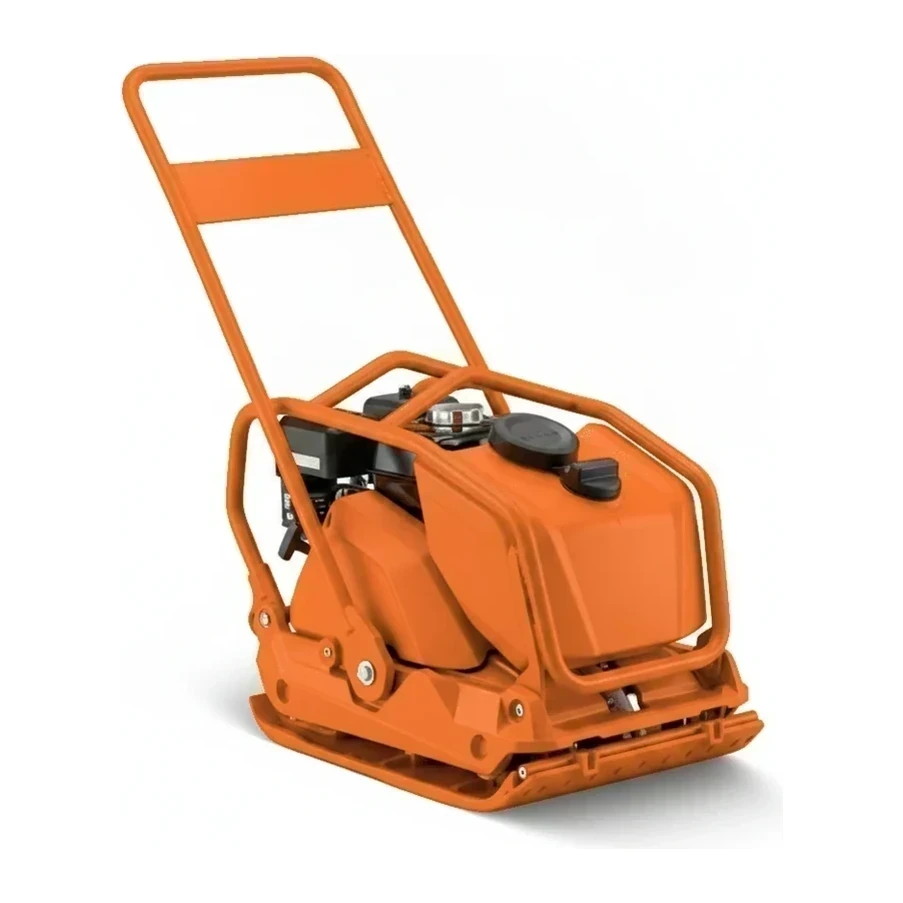
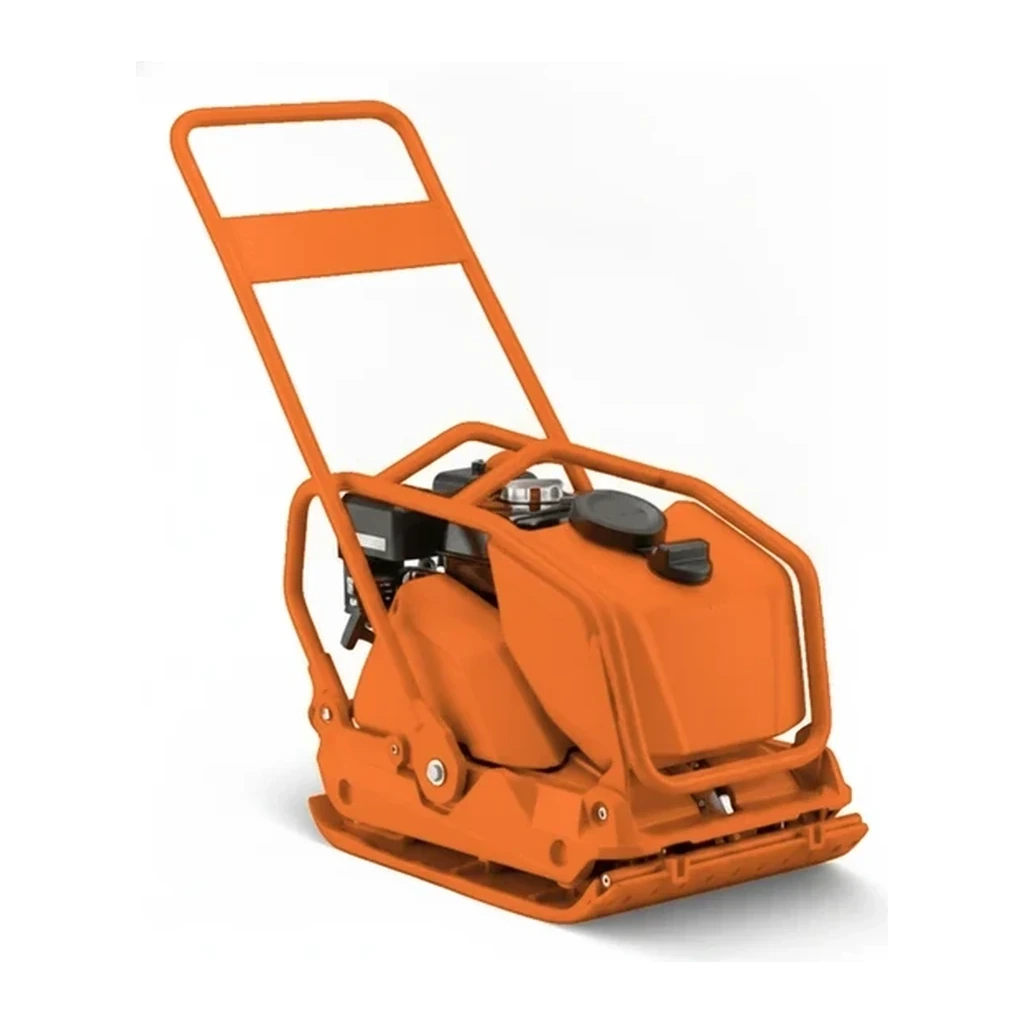
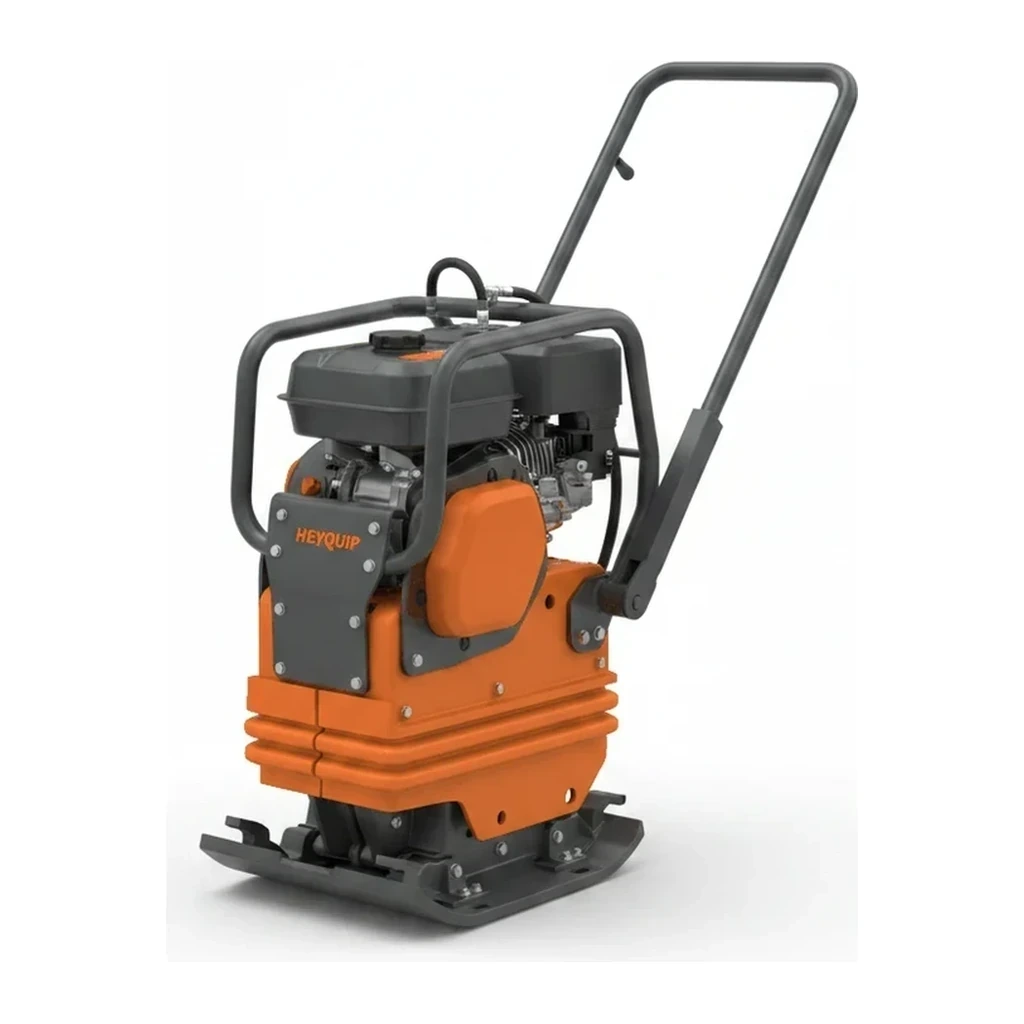
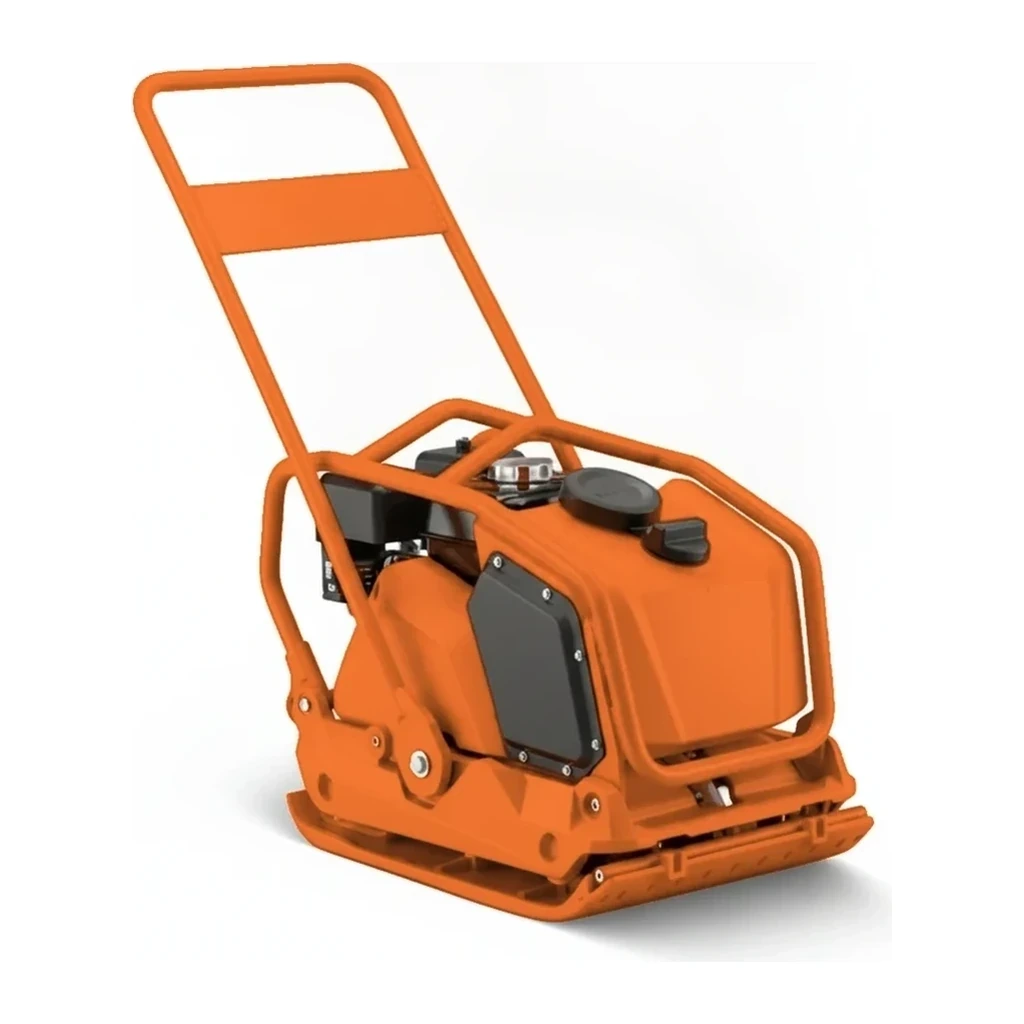
Up to 16 in forward plate compactors are the smallest self-propelled vibratory compactors in the forward-travel category, with plate widths from 320 to 400 mm (approximately 12.6 to 15.7 inches). This size class excels in confined work where maneuverability outweighs production speed: fitting between form boards, along building perimeters, and in narrow trenches where larger machines cannot operate. Operating weights range from 54 to 135 kg, keeping them light enough for frequent repositioning while delivering compaction forces between 10.5 and 25 kN.
Cat classes
Elija una clase de tamaño: la capacidad y el alcance varían en la gama.
Especificaciones clave
| Especificación | Rango típico | Qué significa |
|---|---|---|
| Plate width | 320-400 mm (12.6-15.7 in) | Determines access into tight spaces and between obstacles |
| Compaction force | 10.5-25 kN | Effective for granular soils and thin lifts in shallow applications |
| Operating weight | 54-135 kg (119-298 lb) | Light enough for one operator to maneuver and load without mechanical assistance |
| Engine power | 1.8-3.6 hp | Gasoline engines sized for the modest vibration and travel demands of compact plates |
| Vibration frequency | 85-100 Hz | High-frequency vibration suited to thin lifts and granular base materials |
Cómo elegir
This size class is appropriate when workspace constraints, formwork edges, building walls, utility lines, or trench widths below 18 inches, prevent access by wider equipment. The narrow footprint and low weight make it the default choice for residential backfill, sidewalk subgrade, and small patch repairs. When compacting open areas larger than a few square meters, or when lift thickness exceeds 4 inches, the 16-20 in Forward Plate Compactor delivers faster coverage and deeper energy transfer without sacrificing meaningful access. No smaller forward-travel plate exists; projects requiring even tighter access typically shift to hand-held rammers or trench rollers.
Lo que maneja este tamaño
- Backfilling narrow utility trenches 12-18 inches wide
- Compacting sand or gravel base inside concrete form boards
- Patch work on driveways, sidewalks, and residential paving
- Perimeter compaction along foundation walls and retaining structures
- Preparing subgrade for interlocking pavers in tight courtyards
- Backfill compaction around manholes, valve boxes, and small structures
Seguridad y operación
- High-frequency vibration transmitted through handles; anti-vibration gloves reduce operator fatigue
- Low center of gravity and modest weight limit tip-over risk on slopes, but operation on grades above 15° is not recommended
- Exhaust positioning and ventilation matter in confined trenches or against building walls
- Operators should maintain stable footing; loose soil and narrow trenches increase slip hazards
Transporte y logística
- Light enough for one operator to lift into a pickup bed or small utility trailer
- Typical 54-135 kg weight requires no specialized loading equipment or ramps
- Compact footprint allows stacking with other hand-guided tools in enclosed trailers
Alimentación
- Gasoline-powered engines in the 1.8-3.6 hp range, typically Honda or equivalent
- Integral fuel tanks hold enough for several hours of intermittent operation
- No external power or hydraulic hookup required; self-contained operation
Preguntas frecuentes
What is the maximum lift thickness this size can compact effectively?
How does plate width relate to trench or form clearance?
When does it make sense to use a rammer instead of this forward plate?
Comparar modelos populares
Buscar por especificación →Normalizado a las mismas unidades. Un guion significa que el valor no fue publicado.
| Modelo | Peso operativo | Potencia del motor |
|---|---|---|
| Ammann APF 12/40 | - | 3 hp |
| Ammann eAPF 12/40 | - | 2 hp |
| Ammann APF 10/33 | - | 3 hp |
| Bomag BPR 25/40 | - | 5 hp |
| Ammann APF 15/40 | - | 5 hp |
| Bomag BP 10/30 | - | - |
Equipos relacionados
Explorar por fabricante
Fuentes
Cada especificación se verifica con los datos publicados por el fabricante, con la fuente enlazada como referencia.
Up to 16 in Forward Plate Compactor
6 modelos · Cada especificación citada a la fuente