

Double Drum Roller
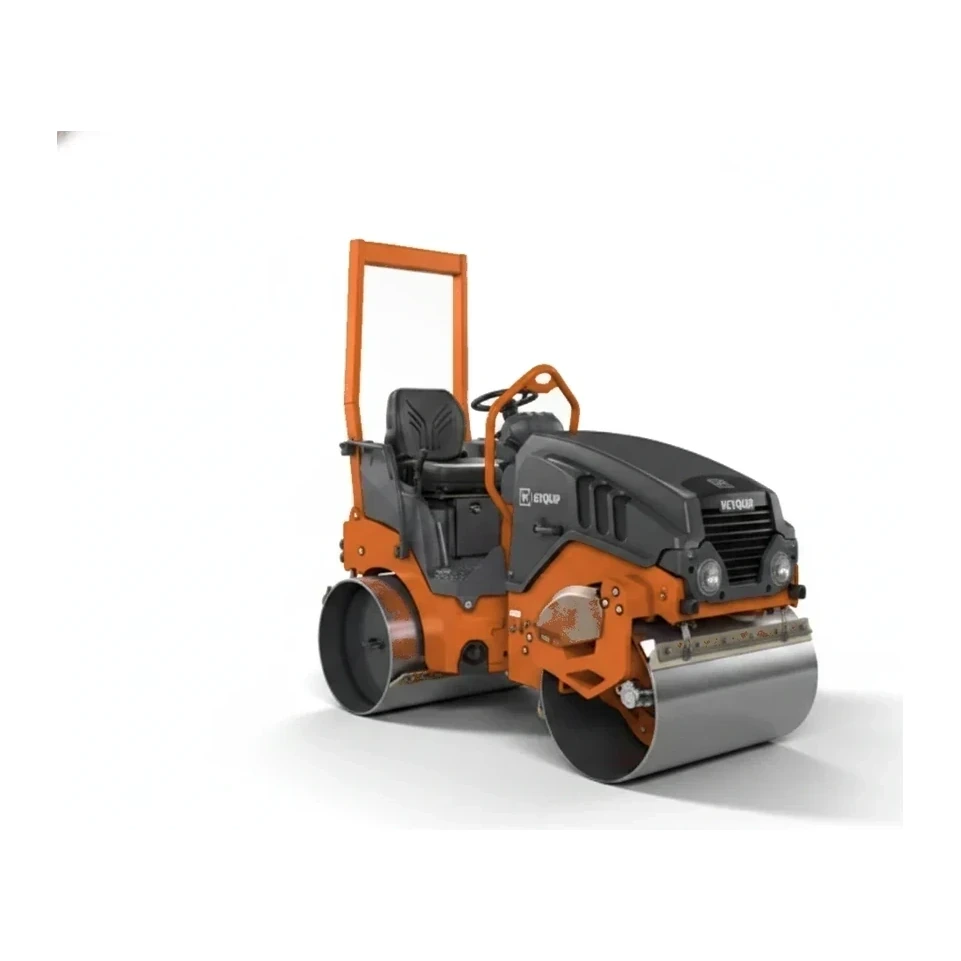
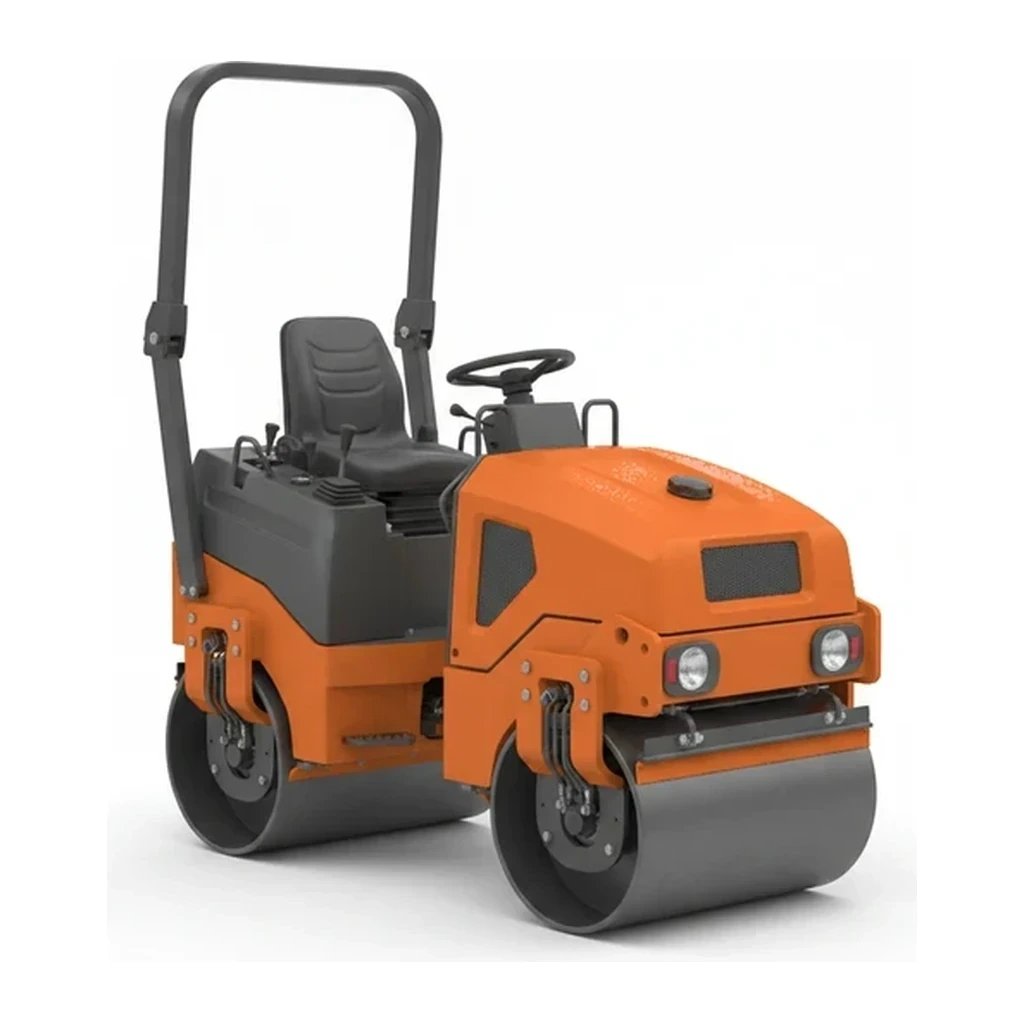
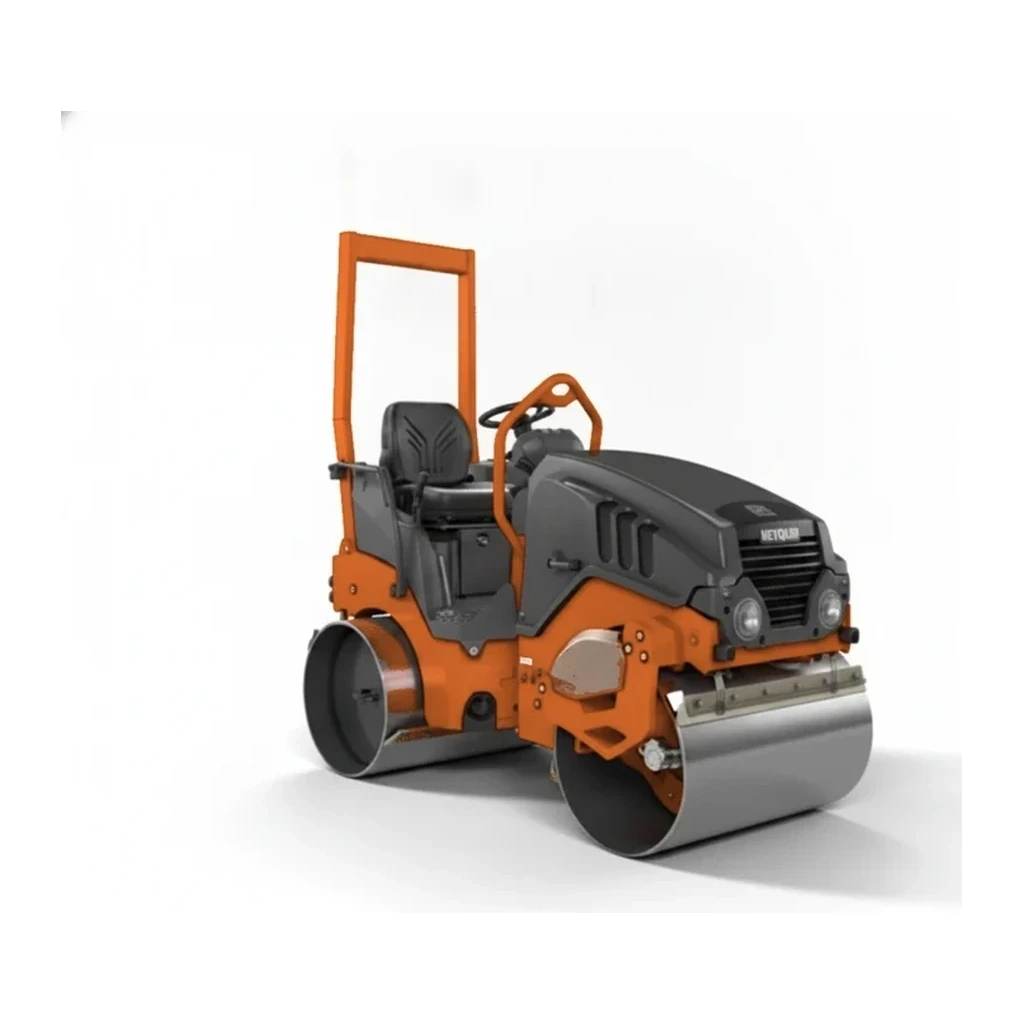
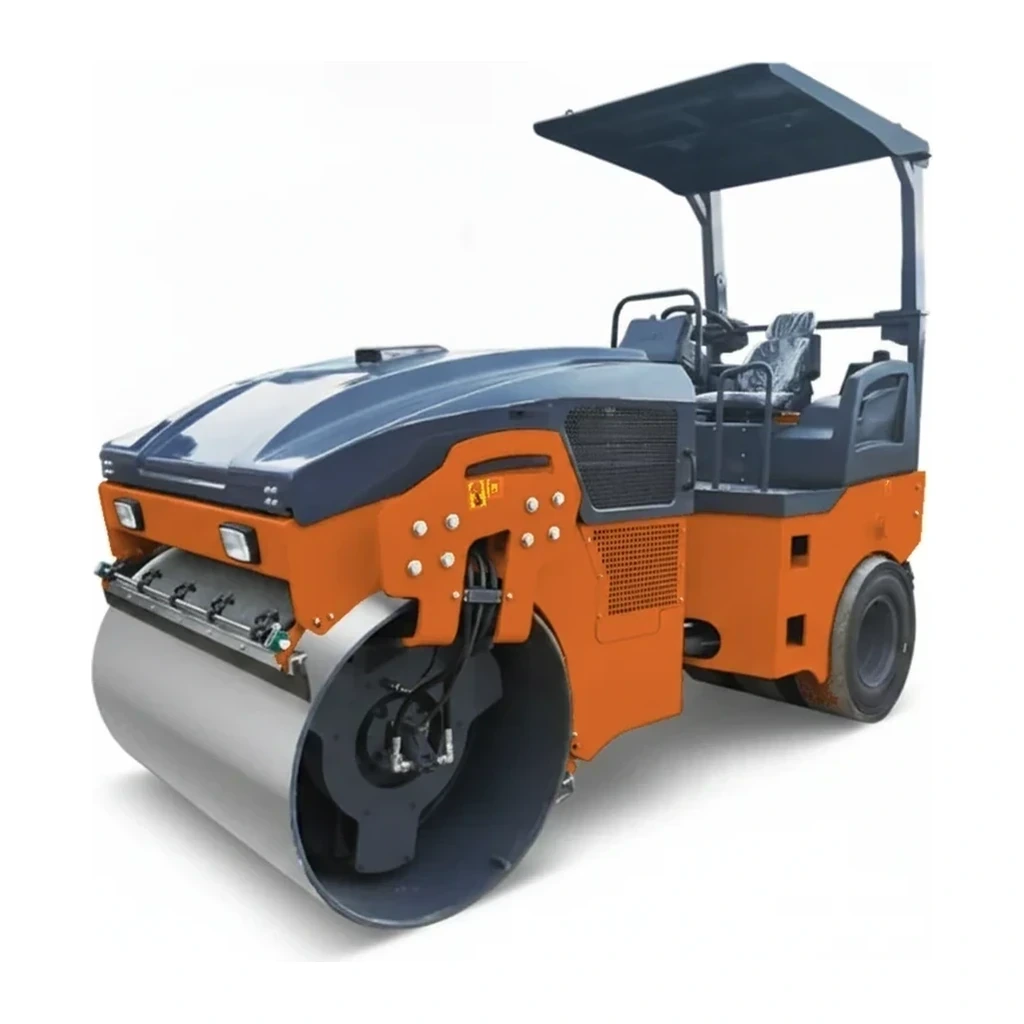
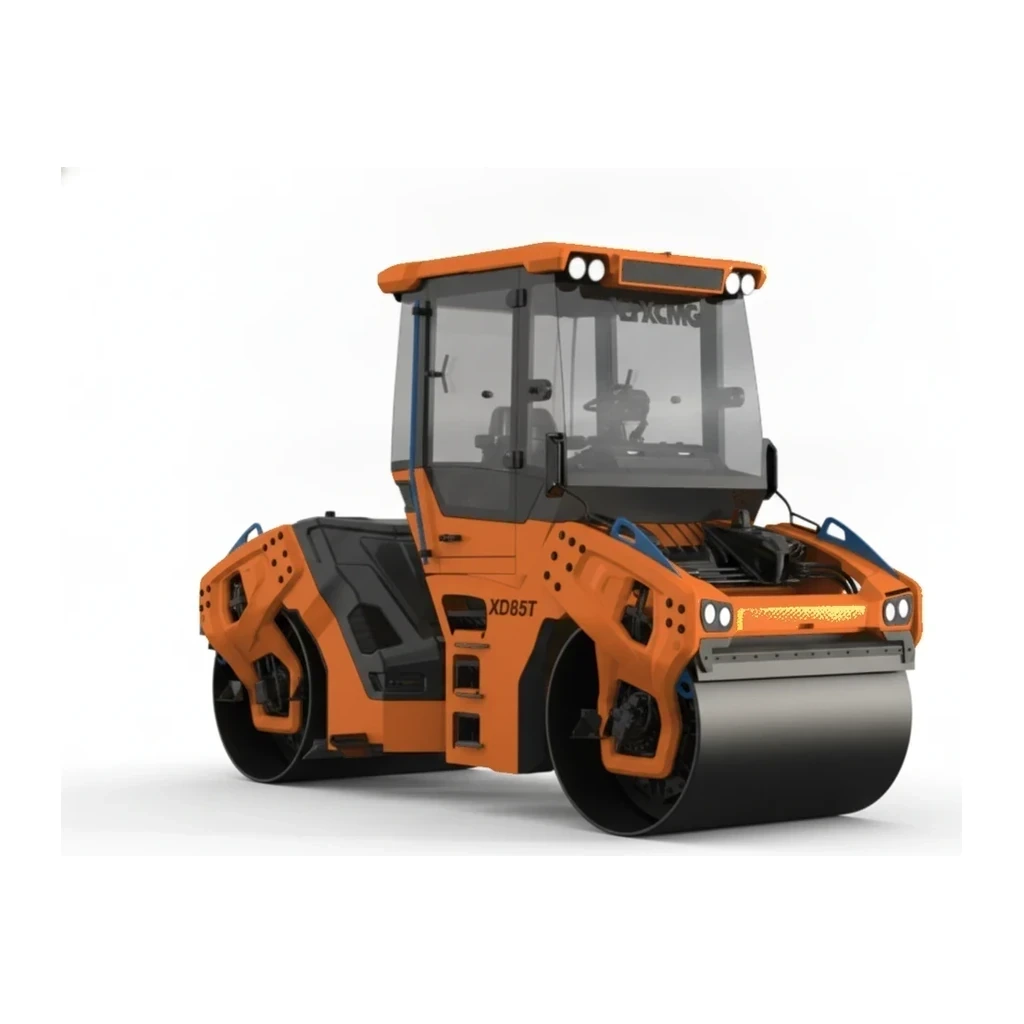
A double drum roller — or tandem roller — carries two smooth steel drums, both of which compact as the machine travels. Because every pass works the surface twice, it is the standard machine for asphalt lifts and for granular base where a uniform, smooth finish matters.
Cat classes
Elija una clase de tamaño — la capacidad y el alcance varían en la gama.
Cómo funciona
Both drums bear the machine's weight, and on vibratory models eccentric shafts inside one or both drums add dynamic force that drives compaction deeper into the lift. Operators typically run vibration on early passes to densify the mat, then finish with static passes so the surface seals without shoving. Water spray systems keep the drums wet on asphalt to prevent hot mix sticking to steel. Against a single drum roller — one vibratory drum plus rubber drive wheels, built for soil — the tandem trades traction on rough ground for double coverage and finish quality. Against plates and rammers, it is a production machine: continuous coverage over long runs rather than spot compaction.
Tipos y variantes
- Walk-behind double drum roller
- Hand-guided tandem drums at the light end of the class, for paths, patches and confined asphalt work.
- Light ride-on tandem
- Compact seated rollers for driveways, parking lots and utility patches where trailer transport and access drive the choice.
- Mid and heavy tandem asphalt roller
- The mainline paving machine — articulated steering, water systems and drum widths recorded up to 2,200 mm.
- Oscillating tandem
- Drums that oscillate tangentially instead of vibrating vertically, for joints, bridge decks and vibration-sensitive surroundings.
Especificaciones clave
| Especificación | Rango típico | Qué significa |
|---|---|---|
| Operating weight | Size bands run 300-29,500 lb; recorded band weights span 90-26,000 kg | Weight sets base compactive force and which lift thicknesses the roller can close. |
| Drum width | Recorded up to 2,200 mm | Wider drums cut pass counts on open mats; narrow drums follow paths and patches. |
| Vibration frequency | 26-100 Hz recorded | Higher frequencies pair with thin asphalt lifts and faster rolling speeds; lower frequencies reach deeper. |
| Travel speed | 4-20 km/h recorded | Working speed must match frequency to keep impact spacing tight enough for a smooth mat. |
| Fuel tank capacity | 24-220 L recorded across the class | Sets runtime between refuels on multi-day paving jobs. |
Cómo la industria lo dimensiona
Double drum rollers are sized by operating weight — the reference bands run 300-3,300 lb, 3,300-6,600 lb and 6,600-29,500 lb — matched to lift thickness and job scale. The lightest band covers walk-behind and small ride-on machines for patches and paths; the middle band handles driveways, lots and shoulders; the heaviest band is mainline paving and large base work. Drum width, recorded up to 2,200 mm, then determines coverage per pass.
Aplicaciones
- Asphalt lift compaction on paving jobs
- Parking lot and driveway construction and resurfacing
- Municipal street paving and overlay work
- Granular base and sub-base compaction
- Utility trench patching and pavement repair
- Path, walkway and bike path compaction
Seguridad y operación
- Rollover is the leading serious hazard — edges of fresh mats, shoulders and slopes give way under drum loads; ROPS with a fastened seat belt is non-negotiable on ride-on units.
- Articulated tandems create a pinch zone at the center joint; the articulation area stays clear of ground personnel whenever the engine runs.
- Paving happens next to live traffic — work-zone traffic control, high-visibility clothing and defined machine paths protect the rolling crew.
- Walk-behind units crush and pinch against obstructions; the operator's position stays out of the line between handle and fixed objects.
- Long shifts on vibratory ride-ons accumulate whole-body vibration; seat condition and task rotation manage the dose.
Normas y certificaciones
- ISO · ISO 3471
- Rollover protective structure performance requirements applied to ride-on rollers.
- CEN · EN 500-4
- European safety requirements specific to compaction machines, tandem rollers included.
- ISO · ISO 2631-1
- Evaluation framework for whole-body vibration exposure on ride-on machines.
- OSHA · 29 CFR 1926.602
- Construction equipment provisions, including seat belt requirements on material-moving machinery.
Preguntas frecuentes
Double drum or single drum roller?
What size double drum roller fits driveway and lot work?
Why run static passes after vibratory passes?
What do oscillating drums add?
Comparar modelos populares
Buscar por especificación →Normalizado a las mismas unidades. Un guion significa que el valor no fue publicado.
| Modelo | Peso operativo | Potencia del motor |
|---|---|---|
| Bomag BW 141 AD-5 | 15,212 lb (6,900 kg) | 74 hp |
| Bomag BW 141 AD-50 | 15,212 lb (6,900 kg) | 74 hp |
| Bomag BW 151 AD-5 | 16,755 lb (7,600 kg) | 74 hp |
| Bomag BW 151 AD-5 AM | 17,417 lb (7,900 kg) | 72 hp |
| Bomag BW 151 AD-50 | 16,755 lb (7,600 kg) | 74 hp |
| Bomag BW 161 AC-5 | 21,385 lb (9,700 kg) | 127 hp |
Equipos relacionados
Explorar por fabricante
Fuentes
Cada especificación se verifica con los datos publicados por el fabricante, con la fuente enlazada como referencia.
Todos los modelos
588 modelos · Página 4 de 13 · Cada especificación citada a la fuente